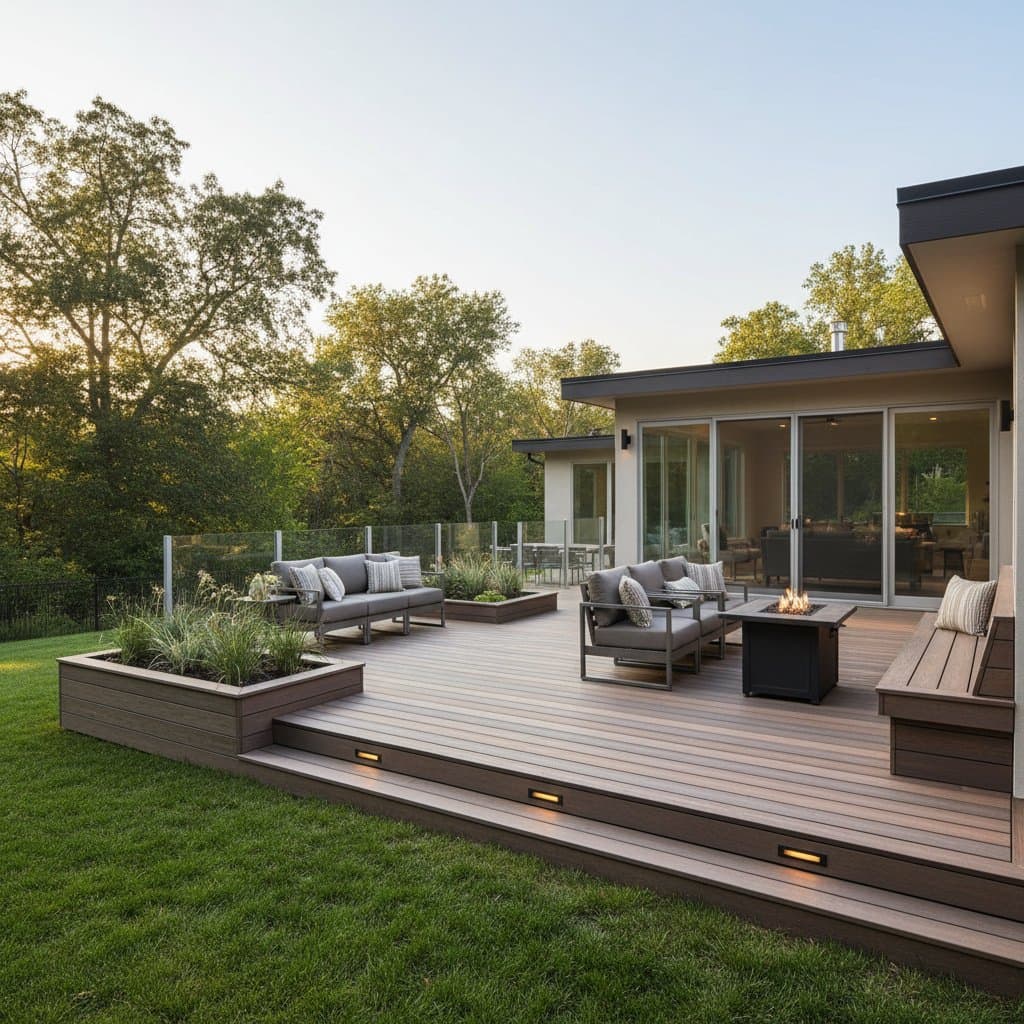
Recycled Decks Cut Maintenance and Landfill Waste
Recycled plastic decking transforms everyday waste into durable outdoor spaces. Homeowners increasingly choose these materials for their longevity and environmental benefits. This approach reduces landfill contributions while simplifying upkeep.
Understanding Recycled Plastic Decking
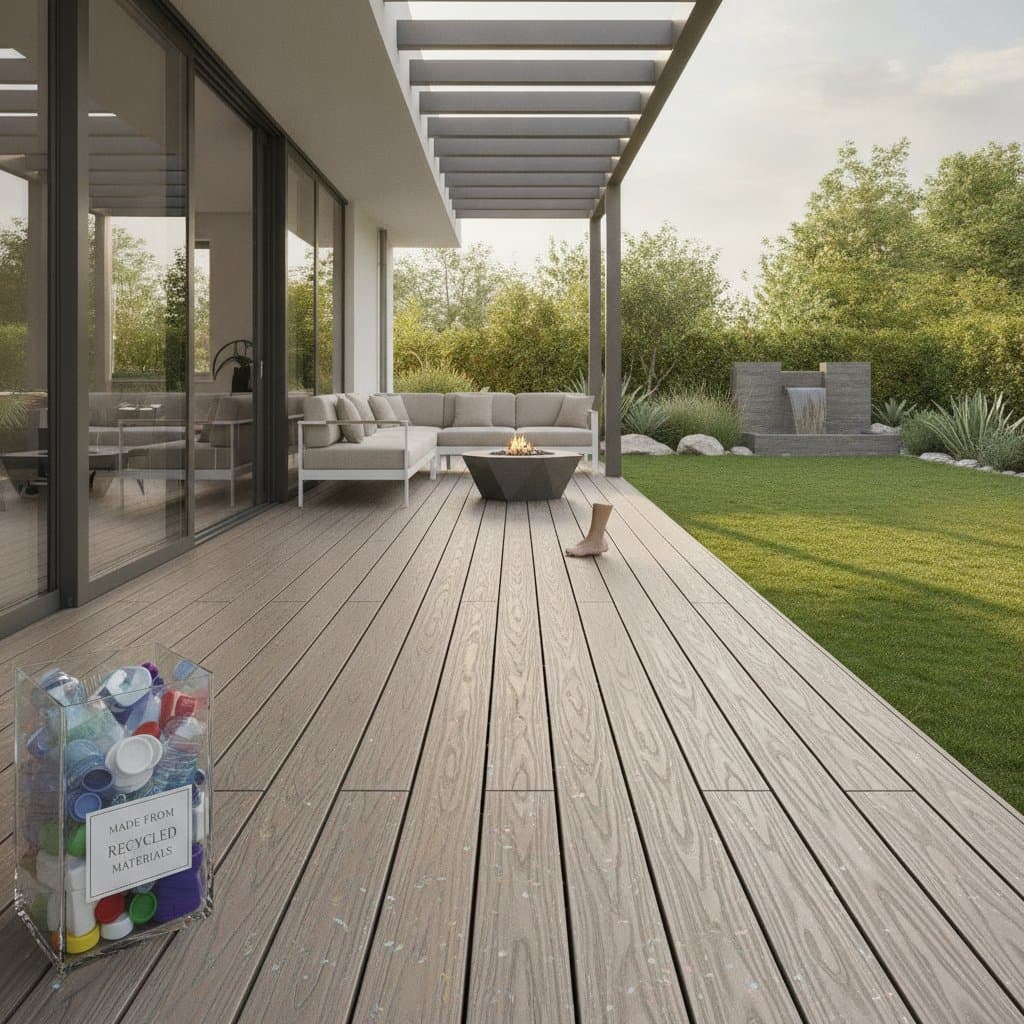
Recycled plastic decking consists of materials sourced from post-consumer plastics, such as bottles and packaging. Manufacturers process these items into boards that mimic the appearance of wood. The result offers a sustainable alternative without compromising aesthetics or performance.
Production involves melting down plastics and blending them with additives for strength and color retention. Unlike traditional wood, this material resists rot, insects, and weathering. Homeowners gain a reliable surface that withstands diverse climates.
Key Benefits for Durability and Maintenance
One primary advantage lies in the low maintenance requirements. Traditional wooden decks demand regular staining, sealing, and repairs to combat moisture and sun damage. Recycled decks, however, require only occasional cleaning with soap and water.
Durability extends the lifespan of these installations to 25 years or more. The material flexes without cracking under foot traffic or furniture weight. This resilience minimizes replacement needs and associated costs.
Environmental Impact and Waste Reduction
By utilizing recycled plastics, these decks divert thousands of tons from landfills annually. Each square foot of decking can incorporate up to 2,000 recycled bottles. This process supports circular economy principles and reduces reliance on virgin resources.
The production emits fewer greenhouse gases compared to harvesting and treating lumber. Homeowners contribute to conservation efforts simply by choosing this option. Local ecosystems benefit from decreased deforestation pressures.
Design Flexibility and Aesthetic Options
Recycled decking comes in various colors, textures, and profiles to suit different styles. Options range from smooth surfaces to wood-grain embossing for a natural look. Railings, posts, and accessories integrate seamlessly for cohesive designs.
Customization allows for curved layouts or multi-level structures. Professionals recommend consulting material specifications to match load-bearing needs. This versatility enhances backyard appeal without environmental trade-offs.
Comparing Costs: Upfront Versus Long-Term Savings
Initial costs for recycled decking average 20 to 30 percent higher than pressure-treated wood. Prices per square foot typically fall between $4 and $8, depending on quality and supplier. Installation fees add to the total, but professional labor ensures proper setup.
Over time, savings accumulate through avoided maintenance expenses. Wood decks may incur $500 to $1,000 annually in treatments and fixes. Recycled options eliminate these outlays, often recouping the premium within five years.
Property values rise with eco-friendly features. Appraisers note that sustainable upgrades attract buyers willing to pay premiums. This investment aligns financial and ecological goals.
Installation Steps for Homeowners
Planning begins with measuring the area and checking local building codes. Select boards rated for outdoor use and ensure proper ventilation beneath the deck. Secure a level foundation with concrete footings or adjustable posts.
- Lay composite subframing spaced 12 to 16 inches apart.
- Fasten deck boards with hidden clips or surface screws for stability.
- Install perimeter trim and railings to complete the structure.
Professional installation guarantees safety and warranty compliance. DIY enthusiasts should prioritize tools like circular saws and levels for precise cuts.
Real-World Applications and Success Stories
In coastal regions, recycled decks endure salt air and humidity better than wood alternatives. A family in Florida installed 400 square feet, reporting no fading after three years of heavy use. Cleaning remains a simple hose-down task.
Urban homeowners appreciate the noise reduction and heat resistance. These materials stay cooler under summer sun, enhancing comfort during gatherings. Community projects often feature recycled decking for public spaces, demonstrating scalability.
Maximizing Value Through Sustainable Choices
Choosing recycled decking integrates environmental stewardship into daily life. Homeowners enjoy enhanced outdoor experiences with minimal effort. This decision supports broader sustainability efforts while elevating property appeal.
Long-term benefits extend beyond the backyard. Reduced waste and maintenance foster a sense of accomplishment. Embrace these innovations to create lasting, responsible outdoor havens.