Geothermal HVAC Systems Deliver Major Savings Through Ground Source Efficiency
Key Considerations Before Installation
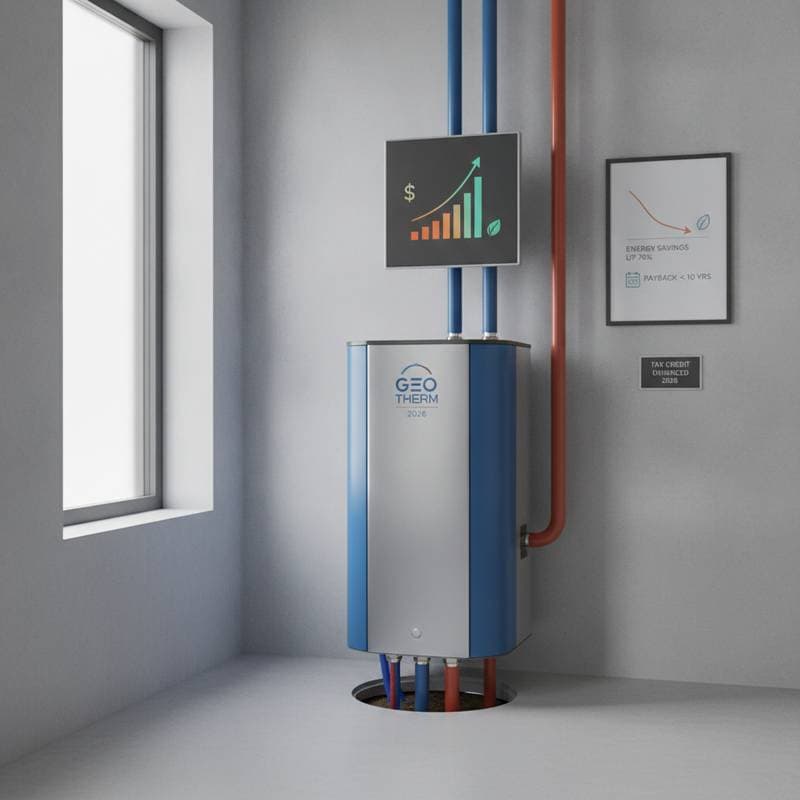
- Geothermal HVAC systems reduce heating and cooling expenses by as much as 60 percent relative to standard equipment.
- Ground source heat pumps draw on the earth constant subsurface temperature for consistent performance across seasons.
- Typical payback periods range from six to ten years based on local soil conditions, utility rates, and design choices.
- Available incentives frequently offset 20 to 30 percent of total project expenses.
- Accurate sizing, loop layout, and scheduled upkeep determine long term reliability and cost reductions.
Operating Principles of Ground Source Heat Pumps
A geothermal HVAC system functions as a ground source heat pump that transfers heat instead of creating it through combustion. Fluid circulates through a buried pipe network, moving thermal energy between the residence and the surrounding soil. The earth maintains stable temperatures year round, allowing the equipment to extract warmth during colder months and disperse excess heat during warmer periods.
Essential System Elements
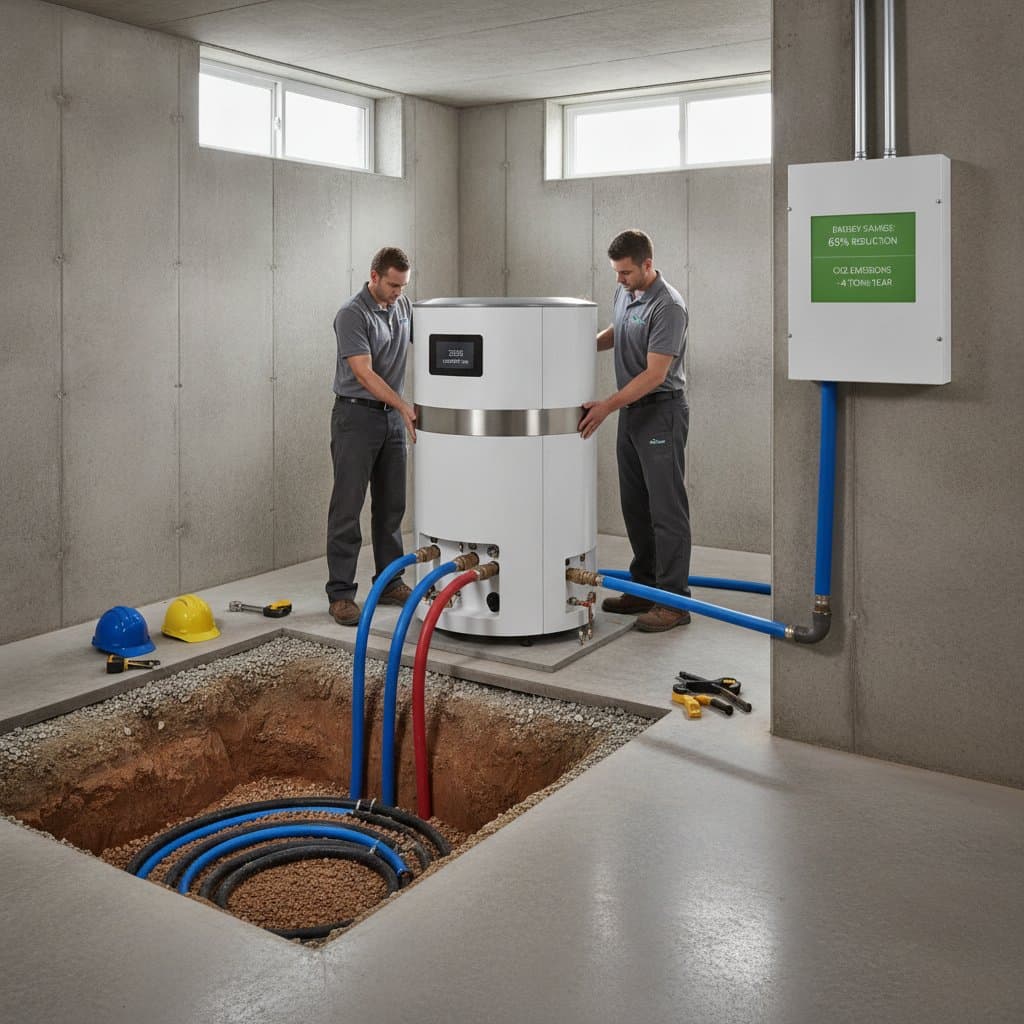
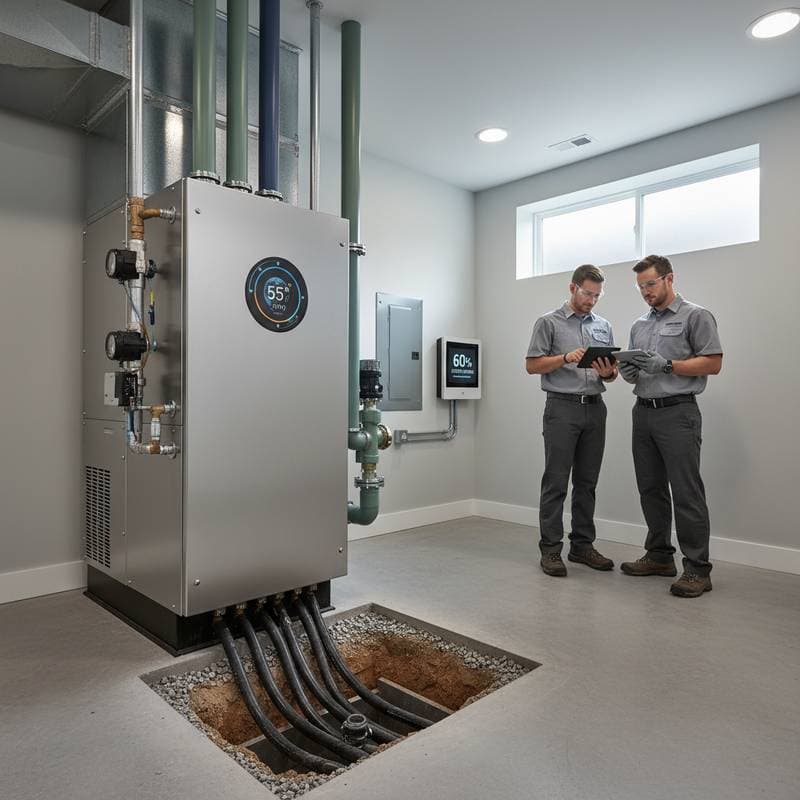
- Ground loop. Polyethylene piping installed horizontally or vertically according to property constraints and soil characteristics.
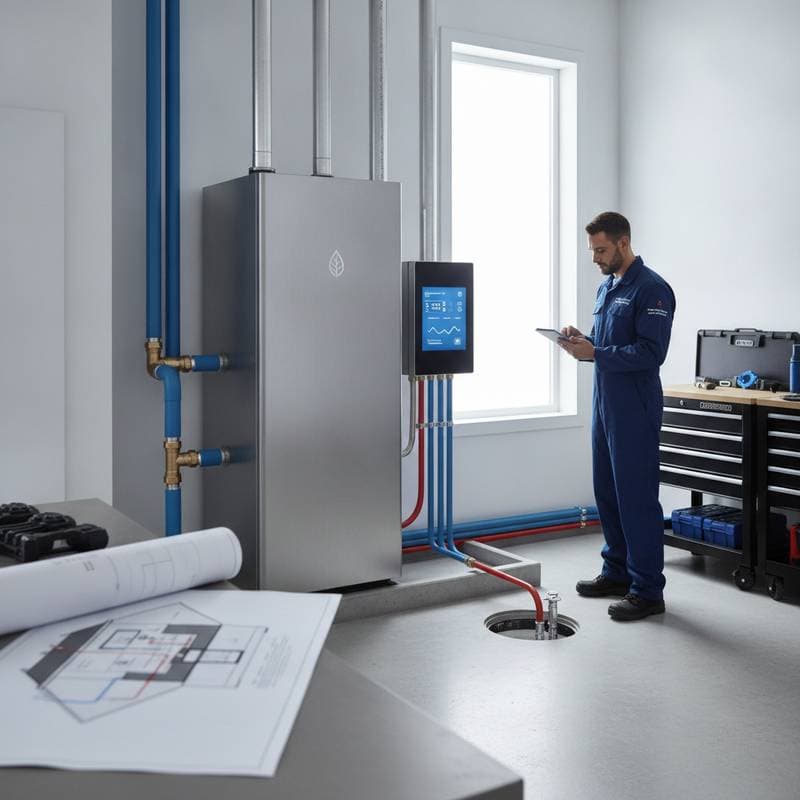
- Indoor heat pump. The central unit exchanges energy between the loop fluid and the building air or water distribution network.
- Delivery network. Existing ductwork or radiant piping that circulates conditioned air or water throughout living spaces.
This configuration achieves high efficiency by accessing stored thermal energy beneath the surface. Air source alternatives must contend with wide temperature swings, whereas ground source units operate against a narrow, predictable range.
Cost Factors and Site Requirements
A complete geothermal installation demands site analysis, soil evaluation, and custom engineering. Initial expenses for an average residence fall between 18000 and 35000 dollars. These figures gain context when weighed against decades of reduced operating costs and available financial support.
Variables Affecting Project Budget
- Loop configuration. Vertical installations suit compact lots yet involve greater drilling depth. Horizontal arrangements fit larger parcels with favorable soil.
- Subsurface conditions. Rocky terrain raises drilling expenses while moisture rich soil improves heat transfer rates.
- Building characteristics. Square footage and insulation quality dictate required capacity and therefore equipment scale.
- Local utility pricing. Elevated electricity or fuel costs accelerate the return on investment.
Incentives such as tax credits and rebates commonly lower the net outlay by 20 to 30 percent. Certain jurisdictions also provide low interest financing that aligns monthly payments with realized savings.
Sustainability Advantages
Geothermal technology supports broader environmental objectives by utilizing renewable subsurface energy without on site combustion. Expanded use could lower national heating and cooling demand by nearly 25 percent.
Primary Environmental Outcomes
- Direct emissions reduction. Operation produces neither carbon dioxide nor methane at the point of use.
- Grid relief. Lower peak loads during temperature extremes ease pressure on regional power infrastructure.
- Quiet performance. Absence of outdoor compressors results in minimal sound generation.
- Durable materials. Polyethylene piping requires little intervention and remains recyclable after its service life.
Projects pursuing third party certifications frequently earn points toward LEED or ENERGY STAR compliance through geothermal adoption.
Addressing Frequent Concerns
Several misconceptions persist regarding geothermal HVAC performance and practicality.
Concern One: Reliance on Elevated Ground Temperatures
Systems operate effectively with moderate subsurface conditions between 45 and 75 degrees Fahrenheit, well below the frost line and independent of geothermal hotspots.
Concern Two: Suitability Limited to New Construction
Retrofits succeed in existing homes. Many installations connect to current duct systems after removal of older furnaces or air conditioners.
Concern Three: Complex Upkeep Demands
Annual service consists of fluid checks, filter replacement, and pump inspection. No combustion components or exterior coils require attention.
Steps Toward Implementation
Homeowners evaluating geothermal options benefit from a sequential approach that incorporates assessment, selection, and ongoing oversight.
Property Assessment
Engage qualified professionals to examine soil type, available area, and climate data that shape loop design.
Installer Qualifications
Select contractors holding certification from the International Ground Source Heat Pump Association. Installation precision directly influences efficiency outcomes.
Economic Analysis
Obtain multiple proposals that itemize incentives and project lifetime costs over a 20 year horizon.
Equipment Specifications
Confirm loop style, unit capacity, and integration with existing distribution systems to prevent performance shortfalls.
Ongoing Verification
Schedule yearly inspections and utilize any included monitoring tools to confirm continued efficiency.
Planning Your Geothermal Upgrade
Homeowners ready to proceed should begin with a professional site evaluation to confirm feasibility and project costs. This step clarifies incentive eligibility and expected savings timelines. Proper planning ensures the system integrates smoothly with the home and delivers reliable performance for decades.