Why Thermal Bridging Matters
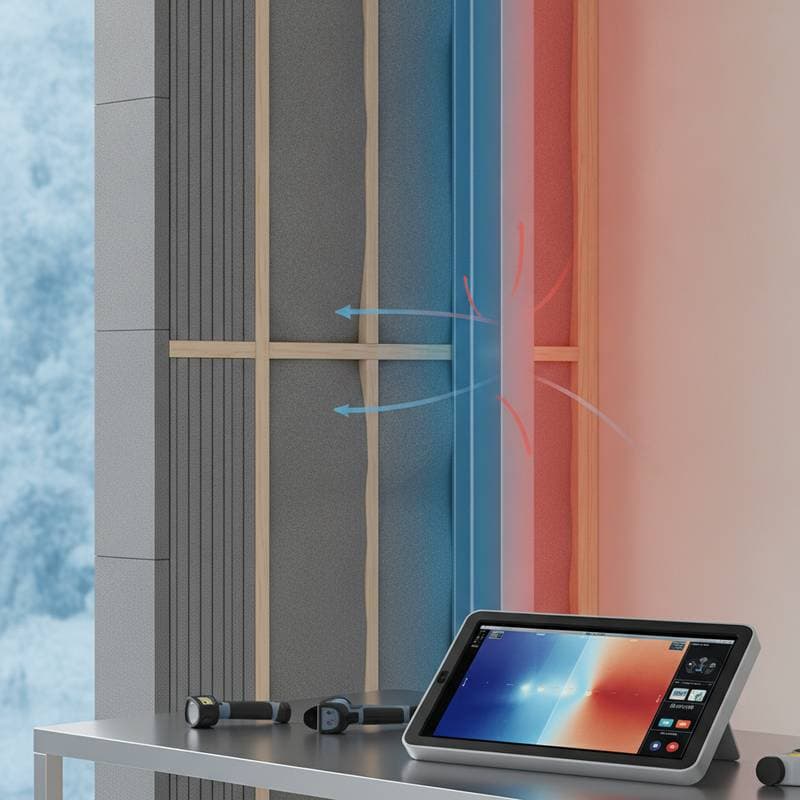
A home with strong insulation can still lose substantial heat when warmth travels through solid materials such as framing or concrete. In many structures thermal bridges account for 20 to 30 percent of total heat loss even when energy codes are met. Homeowners therefore pay for warmth that escapes through these pathways.
Correcting thermal bridges typically lowers heating costs by 20 to 25 percent. In colder regions the reduction can reach several hundred dollars each year. The same measures also remove cold wall surfaces, limit condensation, and reduce mold risk.
Common Locations and Typical Costs
Metal studs, window frames, rim joists, and cantilevered balconies create the most frequent bridges. Costs to address them fall into three ranges.
- Low cost work under 1000 dollars includes caulking gaps, adding spray foam at outlets, and fitting insulated boxes.
- Mid range projects between 2000 and 8000 dollars cover continuous exterior insulation added during siding replacement.
- Higher investment above 10000 dollars funds full envelope redesigns with thermal breaks and high performance windows.
Most installations recover their expense within five to eight years through steady utility savings.
Planning Factors
Wall construction, local climate, and moisture control determine the right approach. Brick veneer, wood framing, and concrete block each need distinct insulation details. Any added insulation must be paired with proper vapor retarders to avoid trapped moisture.
Combining the work with other renovations such as roof replacement or window upgrades reduces labor duplication. Local energy codes and available incentives should be checked before work begins.
Practical Steps to Identify and Correct Issues
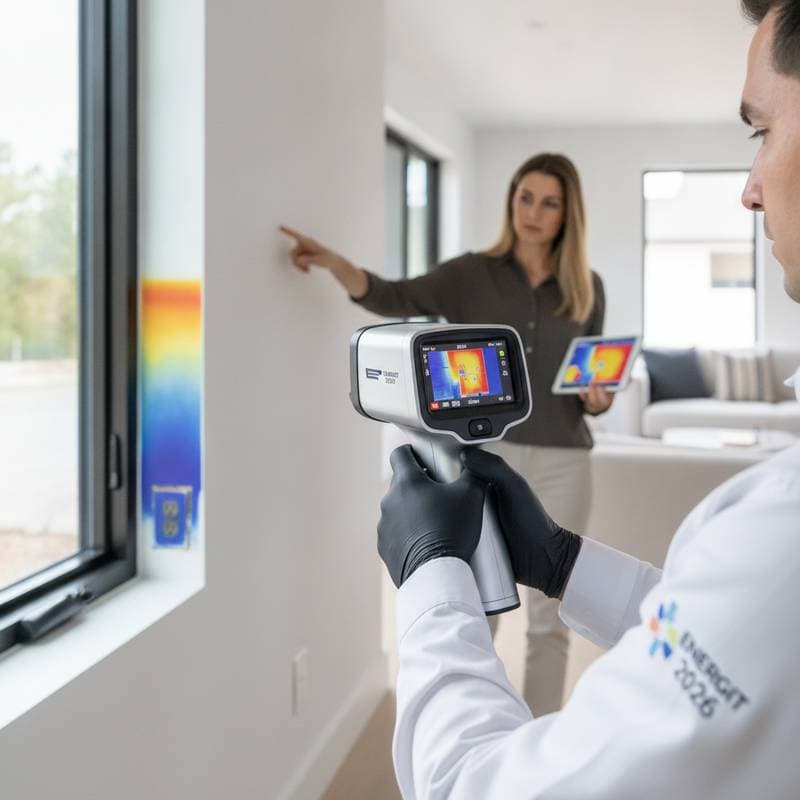
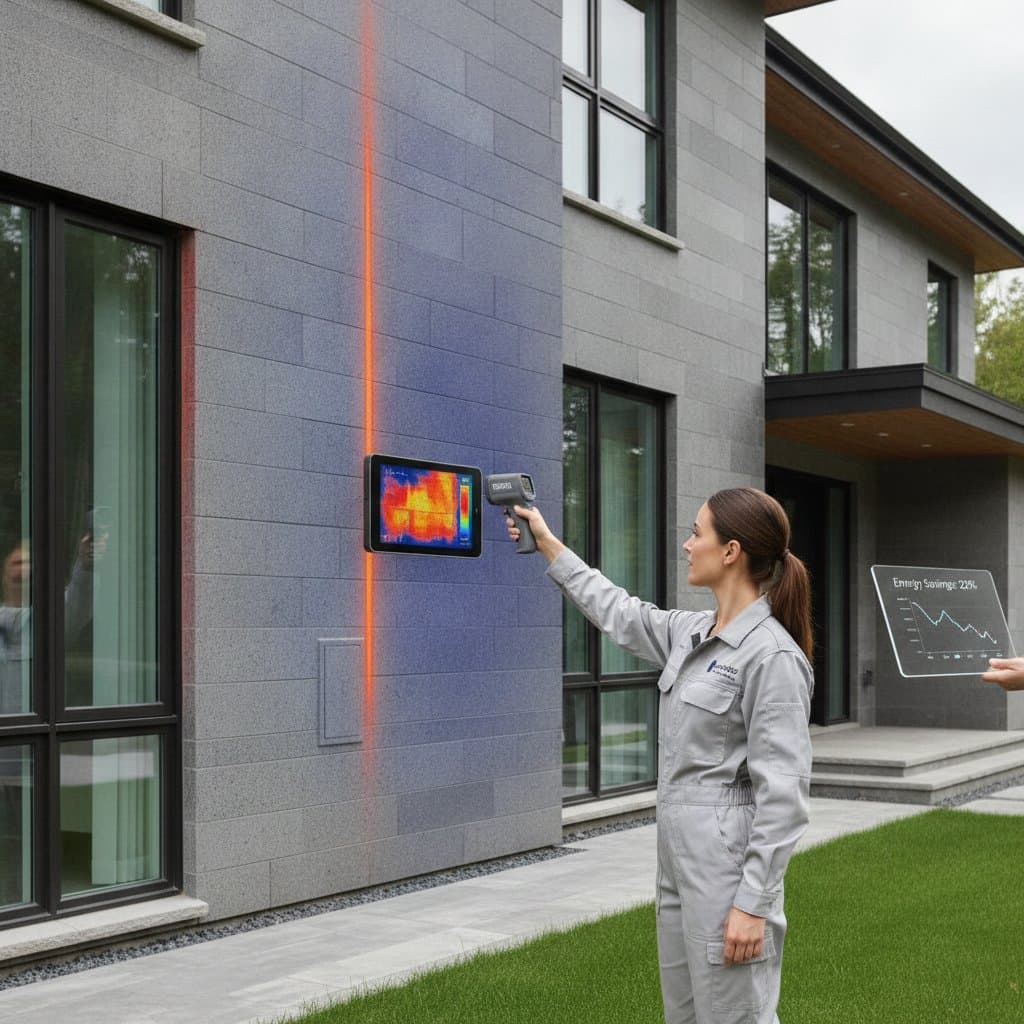
- Arrange an infrared scan to locate temperature differences along walls and ceilings.
- Target the largest losses first, including uninsulated rim joists and metal lintels.
- Schedule upgrades during exterior projects to limit added disruption.
- Monitor utility statements after completion to confirm results.
- Inspect sealants and flashing each year to maintain performance.
Frequently Asked Questions
What exactly is a thermal bridge?
A thermal bridge is any structural element that conducts heat faster than surrounding materials. Metal studs, concrete balconies, and window frames are typical examples.
How can thermal bridging be detected?
Visible signs include cold interior surfaces and uneven exterior frost. An infrared camera provides the clearest confirmation.
Are the improvements expensive?
Simple sealing tasks remain inexpensive while larger continuous insulation projects require greater outlay yet produce larger long term savings.
Can homeowners complete the work themselves?
Minor sealing and attic hatch insulation are suitable for do it yourself efforts. Structural changes and exterior insulation layers usually need professional installation.
Do savings reach 25 percent?
Many homes achieve roughly that reduction when major bridges are treated. Actual results depend on climate, construction type, and upgrade scope.
Which materials support environmental goals?
Recycled foam, cellulose, hemp fiber, and wood fiber products deliver strong thermal performance with reduced embodied energy.
Does the work affect indoor air quality?
Properly executed upgrades decrease condensation and mold, supporting cleaner interior conditions.
How long do the benefits last?
Insulation and thermal break components commonly perform for decades when sealants receive annual inspection.
Starting the Process
Begin with an infrared assessment and a review of upcoming exterior work. Small interventions at rim joists or window perimeters can be expanded later. Each completed measure keeps more heat inside the living space, lowers operating costs, and supports a steadier indoor environment.