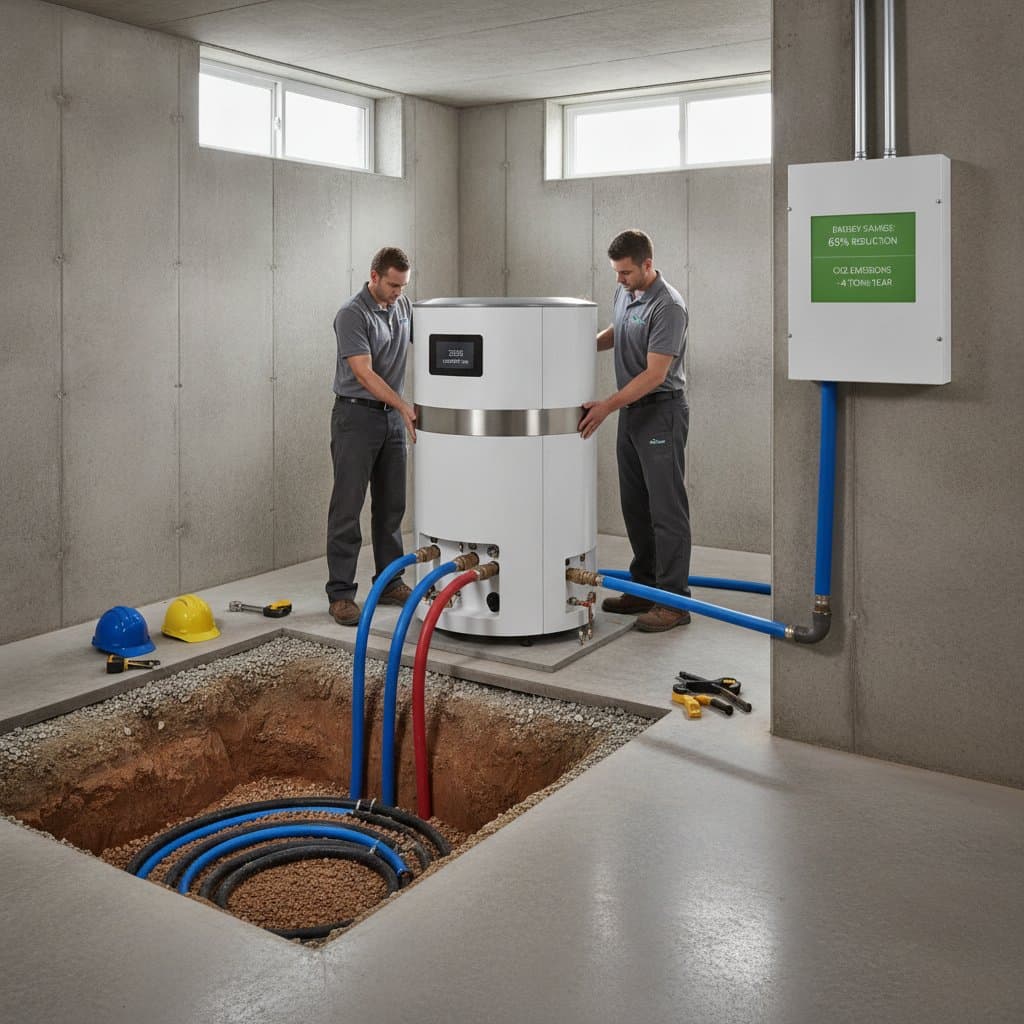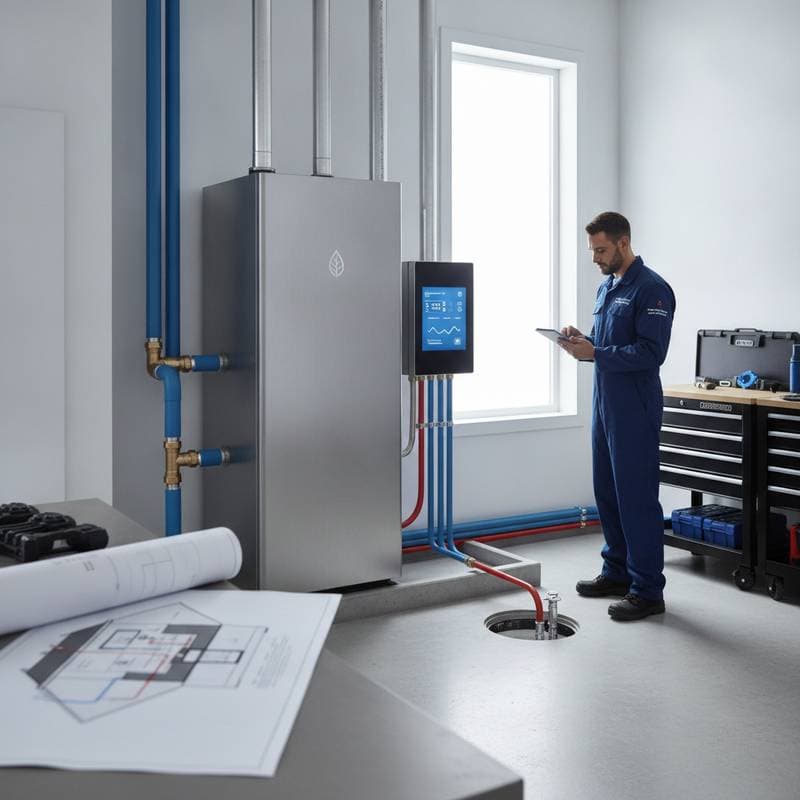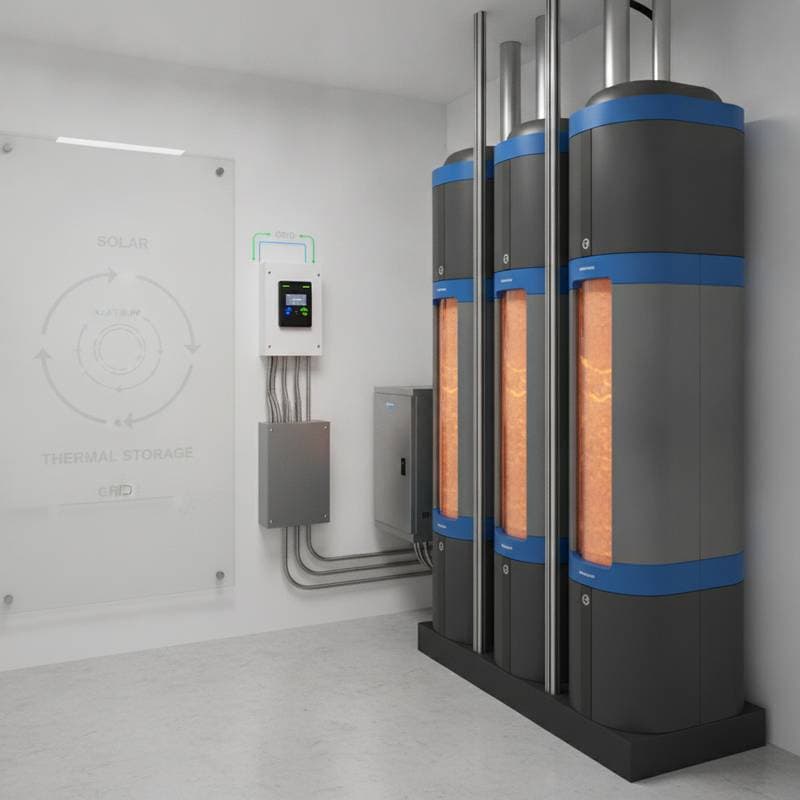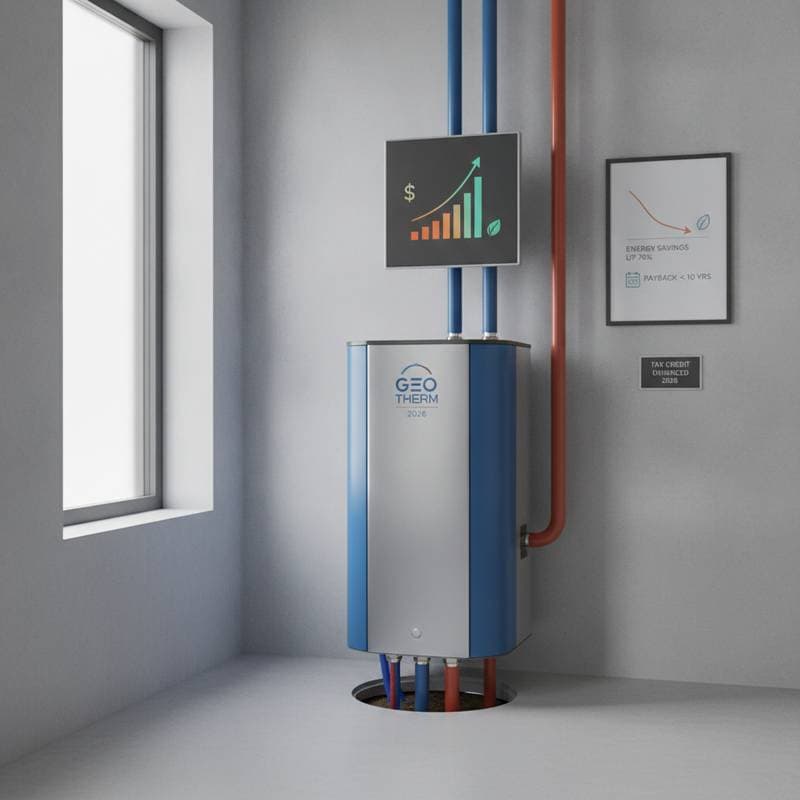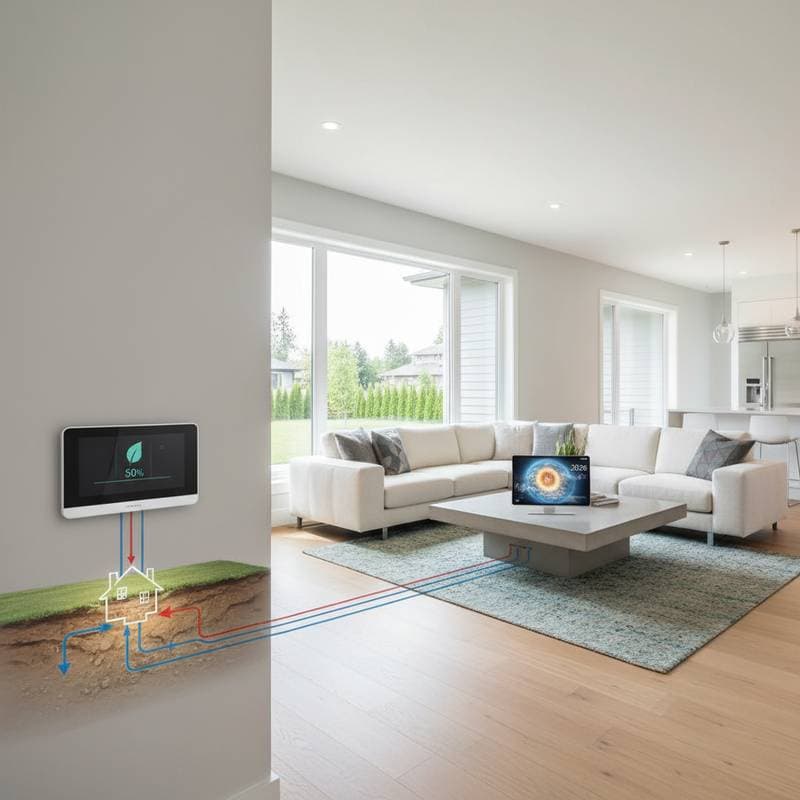
- Conduct a detailed site assessment. Check soil composition, moisture levels, and space to guide the design.
- Improve the home's insulation. Upgrade walls, attics, and windows to prevent heat loss and boost efficiency.
- Add smart thermostats. These devices adjust temperatures automatically for optimal use.
- Schedule annual maintenance. Inspect pumps, filters, and fluid levels to keep everything running smoothly.
- Pair with solar panels. This combination moves you closer to full energy independence.
Key Considerations Before Installing
Every home presents unique challenges. Geothermal installation requires careful planning and expert advice. Keep these factors in mind:
- Cost Range: Expect $15,000 to $30,000, based on system size and site conditions.
- Installation Time: Allow one to two weeks for digging and setup.
- Lifespan: Ground loops last over 50 years; indoor pumps operate for 20 to 25 years.
- Environmental Impact: Carbon emissions drop by up to 40 percent compared to fossil fuel systems.
- Maintenance: Mostly limited to changing filters and periodic checks.
Assess your area's energy costs and climate to see if geothermal fits. It shines in places with big seasonal changes, but even milder climates benefit from its reliability and low upkeep.
The Value of Professional Design
Proper engineering and skilled installation make all the difference. Poor sizing or incorrect loop placement reduces efficiency, raises costs, and leads to frustration. Choose certified geothermal experts who understand local soil and building codes.
Energy advisor Laura Greene observes, Optimal geothermal performance comes from customizing to the site. Precision in design matches the quality of the equipment.
Professional teams ensure compliance with standards, improve efficiency, and help qualify for incentives.
Long-Term Benefits Beyond Savings
Geothermal systems offer more than financial gains. They provide even temperatures throughout the home and operate without noise. By avoiding burning fuel, they reduce fire risks and indoor pollution.
Homes with geothermal appeal to buyers seeking sustainable features, often increasing resale value. Owners report better air quality and a sense of pride in reducing their environmental footprint.
Getting Started with Geothermal
Start with a full energy audit to understand your home's heating and cooling needs. Reach out to certified installers through reputable organizations for a custom assessment. They will recommend the right design, layout, and local incentives.
From my years in the field, geothermal stands as a reliable path to comfort, durability, and real savings. By using the earth's steady heat, it creates a resilient home that aligns with natural energy flows.
In an era of fluctuating energy prices, geothermal brings stability. It builds a self-sufficient system for temperature control, investing in efficiency and sustainability for the future.
Frequently Asked Questions
How long does it take for a geothermal system to pay for itself?
Most homeowners recover their investment in 5 to 10 years, depending on energy rates, incentives, and system performance.
Can geothermal systems provide both heating and cooling?
Yes. The system reverses its operation with the seasons, handling full climate control from one unit.
What kind of maintenance does a geothermal system need?
Maintenance stays minimal. Annual inspections of pumps, fluids, and filters keep it efficient.
Is geothermal suitable for every home?
Most properties work well, but soil type, space, and water access influence the design.
How do I find qualified geothermal installers?
Look for certifications from geothermal organizations. Reputable directories connect you to professionals for free consultations.