Key Points
- Geothermal tax credits rise by 50 percent, opening doors for homeowners to adopt sustainable heating and cooling solutions.
- Ground-source heat pumps deliver 40 to 70 percent lower energy bills than traditional systems.
- The enhanced credit improves access to high-efficiency options, shortening payback periods by multiple years.
- Knowledge of installation expenses, soil properties, and system configurations maximizes comfort and financial benefits.
The Potential Underfoot
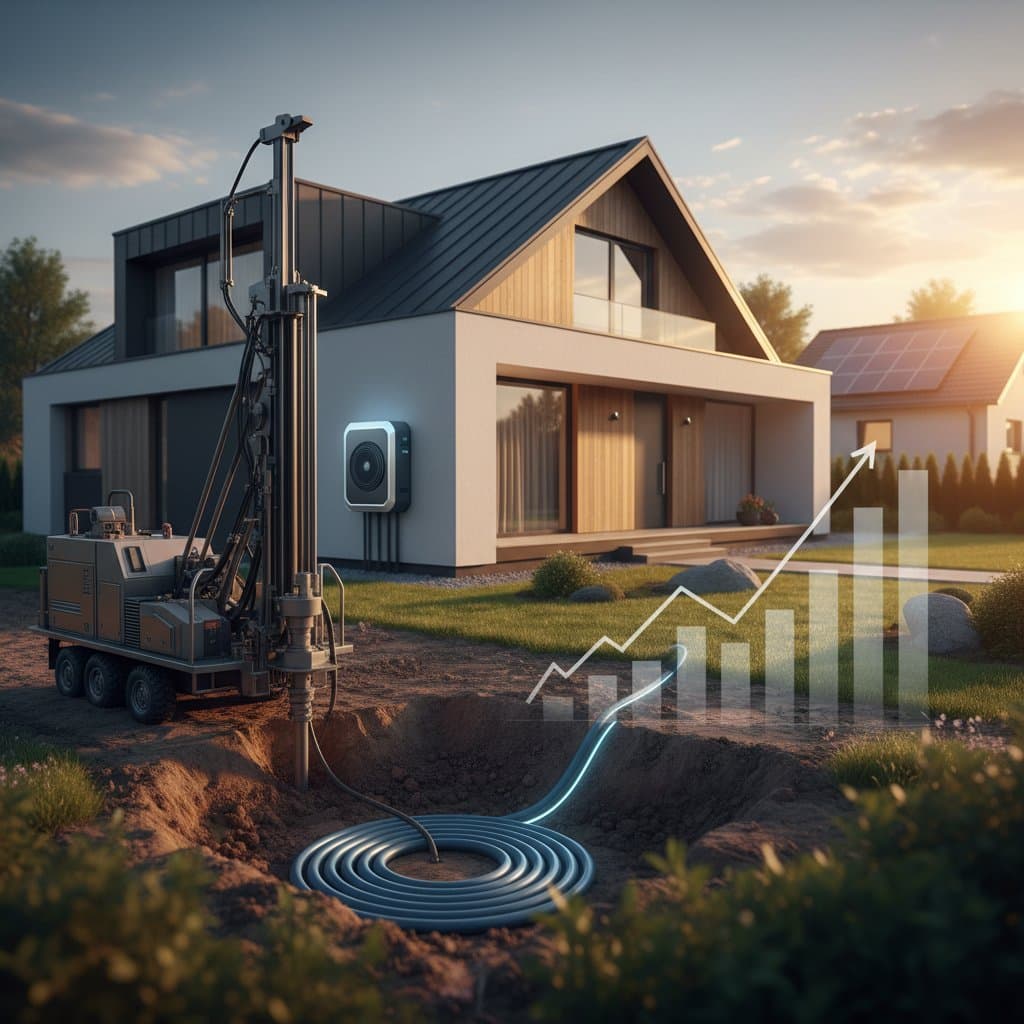
Picture a residence that maintains ideal temperatures through winter chills and summer heat by drawing on the earth's stable underground warmth. Geothermal heating achieves this through proven technology that moves fluid via buried loops to exchange heat effectively. The recent federal credit expansion allows homeowners to offset a substantial share of setup expenses, converting what was once a distant goal into a feasible upgrade.
This approach leverages the ground's reliable thermal properties, avoiding the inefficiencies of surface-level climate swings. Systems operate quietly and require minimal maintenance, integrating seamlessly into modern homes. As energy costs continue to climb, such installations position owners for sustained advantages in efficiency and resilience.
The Value of Geothermal Technology
Conventional heating and cooling units depend on variable outdoor conditions, leading to higher energy demands during peak seasons. Geothermal heat pumps tap into the earth's constant subsurface temperatures, usually between 50 and 60 degrees Fahrenheit, for year-round performance. This method ensures steady operation without the strain of extreme weather.
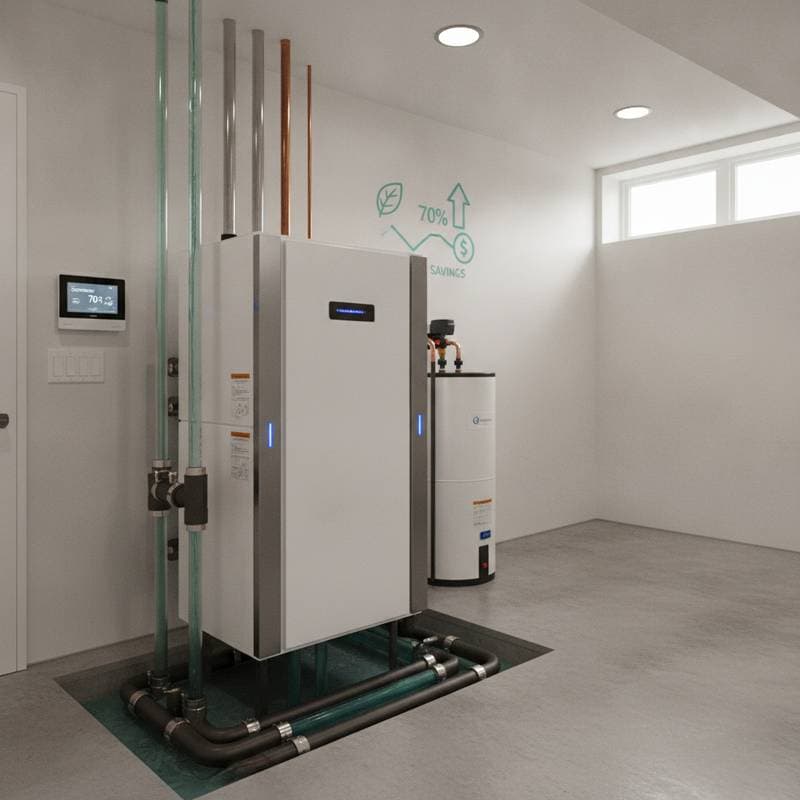
Experts regard geothermal setups as among the most dependable renewable options for residential use. Each system produces three to five units of heating or cooling per unit of electricity used, resulting in operational expenses 40 to 70 percent below those of gas or oil alternatives. These savings accumulate over decades, often exceeding twenty thousand dollars for average households.
Beyond cost reductions, geothermal contributes to environmental goals by lowering carbon emissions. It aligns with broader trends toward sustainable living, appealing to those prioritizing long-term planetary health alongside personal finances.
Expenses, Incentives, and Investment Outcomes
Prior to the credit adjustment, geothermal installations ranged from fifteen thousand to thirty-five thousand dollars, influenced by factors like property size, ground composition, and loop layout. The 50 percent credit uplift enables recovery of almost half the total, substantially lowering out-of-pocket expenses.
Layering in state rebates or utility programs further accelerates returns, with many achieving breakeven in under ten years. Indoor units endure beyond twenty years, while ground loops persist over fifty, ensuring enduring value. Home values frequently appreciate by several thousand dollars due to the appeal of reduced utilities and green features.
Consider these core projections:
- Net cost after credit: Roughly fifteen thousand to eighteen thousand dollars
- Yearly savings on energy: One thousand to two thousand dollars
- Annual return rate: Six to nine percent, rising as fuel prices escalate
Such metrics underscore geothermal as a prudent financial move, comparable to other high-yield home improvements.
Site Assessment and Expert Installation
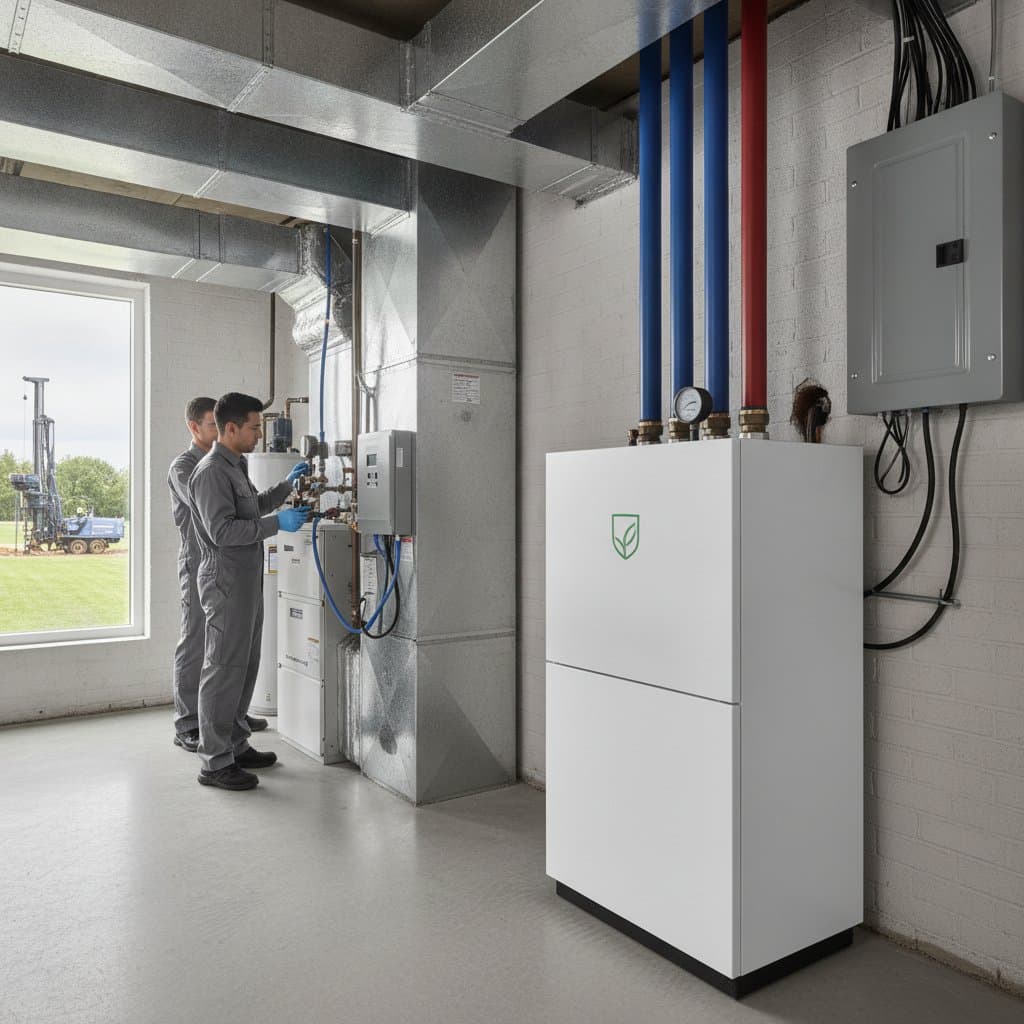
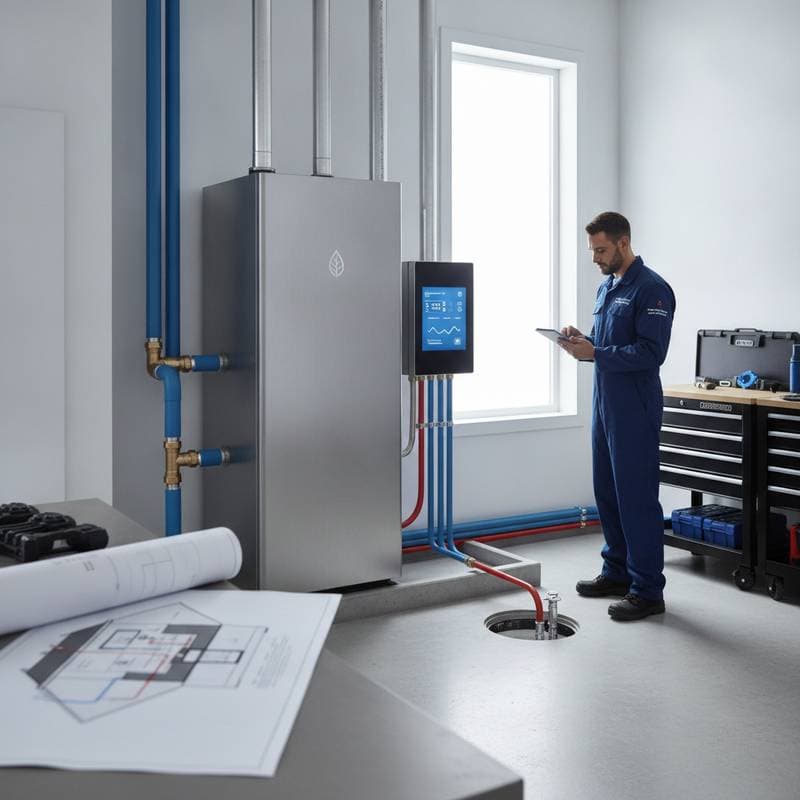
Implementing geothermal demands professional input to navigate site-specific challenges. Factors such as soil conductivity, yard space, and water table levels dictate choices between horizontal or vertical loops. Contractors conduct thermal tests to tailor designs for peak efficiency.
Existing homes may need duct modifications or radiant flooring additions to distribute heat evenly. These enhancements not only optimize performance but also elevate air quality by filtering pollutants and regulating moisture. Selecting certified installers ensures compliance with standards and unlocks full incentive eligibility.
Planning ahead mitigates surprises, such as permitting requirements or excavation logistics. A thorough evaluation early on prevents costly adjustments later, securing a system that performs reliably from day one.
Steps to Secure Your Geothermal Upgrade
The credit expansion reshapes the economics of geothermal adoption, making it essential for interested parties to act strategically. Follow these structured actions to proceed confidently:
-
Engage a certified specialist for a comprehensive site audit and detailed savings forecast.
-
Solicit bids from at least three providers, focusing on equipment quality, warranties, and efficiency ratings.
-
Confirm incentive qualifications through federal portals and local programs prior to commitment.
-
Explore funding options, including tax credits, grants, and energy-efficient loans to ease initial payments.
-
Schedule installation during off-peak seasons to potentially reduce labor costs and minimize disruption.
Geothermal represents more than an appliance replacement; it establishes a foundation for energy independence and enhanced living standards. By harnessing underground resources, owners invest in a future of lower bills, greater comfort, and ecological responsibility.
Realizing Lasting Gains
Once operational, monitor system performance through built-in diagnostics to maintain efficiency. Annual professional checkups preserve warranty coverage and extend lifespan. As incentives evolve, staying informed positions homeowners to leverage additional supports, amplifying the investment's impact over time.