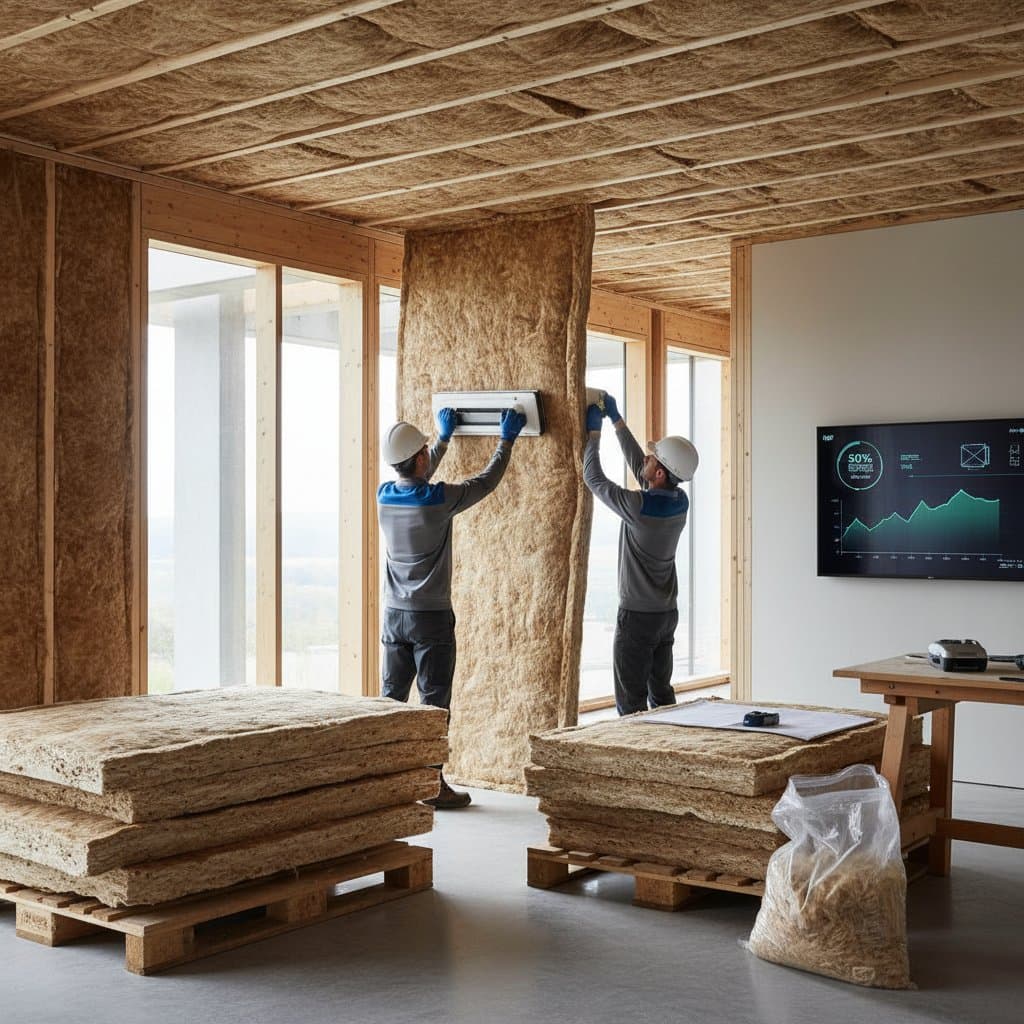
Key Benefits of Mycelium Insulation
Mycelium insulation consists of mushroom roots grown into dense panels, serving as a viable substitute for fiberglass and foam alternatives.
This material delivers robust thermal insulation, effective moisture management, and noise reduction, all while minimizing environmental impact.
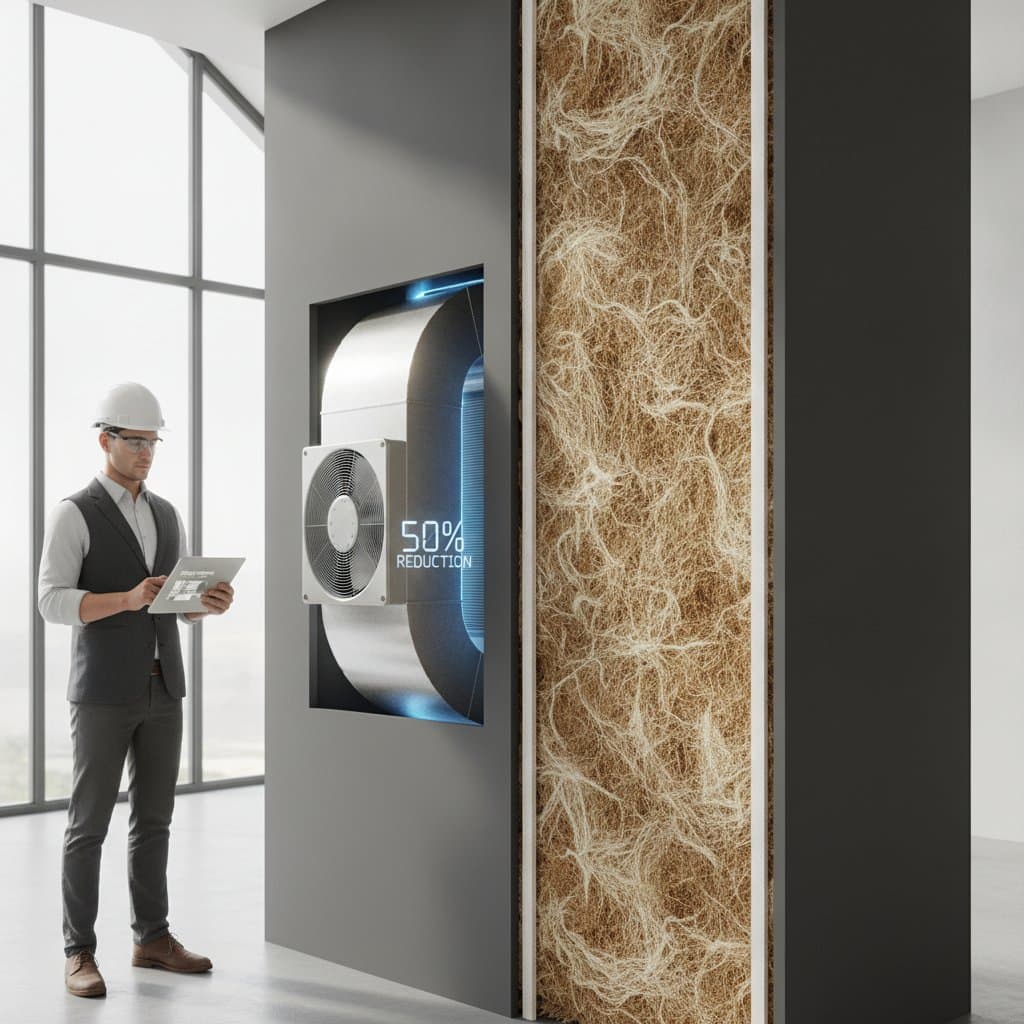
Homeowners who install mycelium report reductions in heating and cooling expenses reaching 50%, thanks to its superior air-sealing capabilities and inherent temperature regulation.
Renewable by nature, fully biodegradable, and safe for direct handling, mycelium stands out among building materials for its sustainability profile.
With expanding production and advancing technology, expenses decrease rapidly, establishing mycelium as a practical choice for energy-conscious residential construction.
Advantages for Homeowners
Utility bills represent one of the most variable costs associated with owning a home. Effective insulation lowers these expenses significantly, yet conventional options such as fiberglass or foam present notable drawbacks. These materials can deteriorate with age, retain excess moisture, or release microplastics and volatile organic compounds into the living environment.
Mycelium insulation addresses these issues through several key attributes:
- Enhanced thermal retention from its compact, porous composition that captures air pockets efficiently.
- Inherent moisture control to inhibit mold development without relying on chemical treatments.
- Eco-friendly production utilizing agricultural byproducts like straw or wood residues as growth substrates.
- Health and usability benefits, including non-toxic composition, fire resistance after processing, and straightforward end-of-life disposal.
These features lead to reduced operation of heating, ventilation, and air conditioning systems, more consistent indoor climates, and substantial decreases in energy expenditures over time.
Installation Costs and Return on Investment
Initial pricing for mycelium insulation may exceed that of basic fiberglass, particularly in limited production runs. Long-term financial analysis, however, reveals substantial advantages.
Typical Installed Costs (per square foot):
- Entry-level variants: $2 to $3
- Standard offerings: $3 to $5
- Specialized or bespoke installations: $6 to $8
In contrast, advanced foam insulation typically costs $4 to $7 per square foot installed, frequently accompanied by elevated expenses for waste management and chemical safety protocols.
Projected Energy Reductions:
- Standard decreases in heating and cooling demands: 40 to 50 percent
- Anticipated payback period: 3 to 5 years across various regions
- Expected durability: Up to 30 years with limited performance decline
Although initial outlays might be marginally higher, the synergy of lower utility payments, decreased upkeep needs, and extended lifespan generally yields a favorable economic outcome.
Environmental and Performance Enhancements
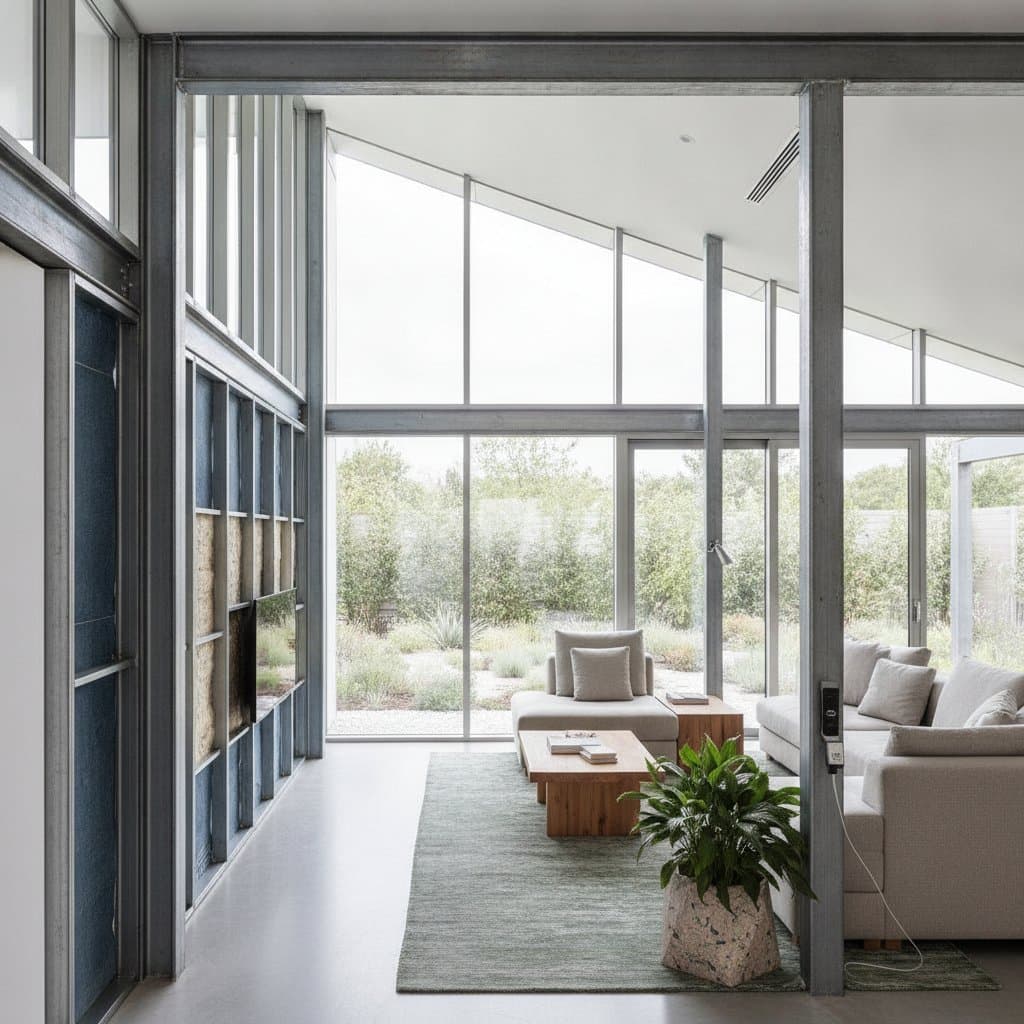
Mycelium insulation integrates seamlessly with green building methodologies, offering profound ecological advantages. Each unit produced displaces an equivalent volume of petroleum-derived foam, thereby reducing reliance on fossil fuels.
Key sustainability aspects include:
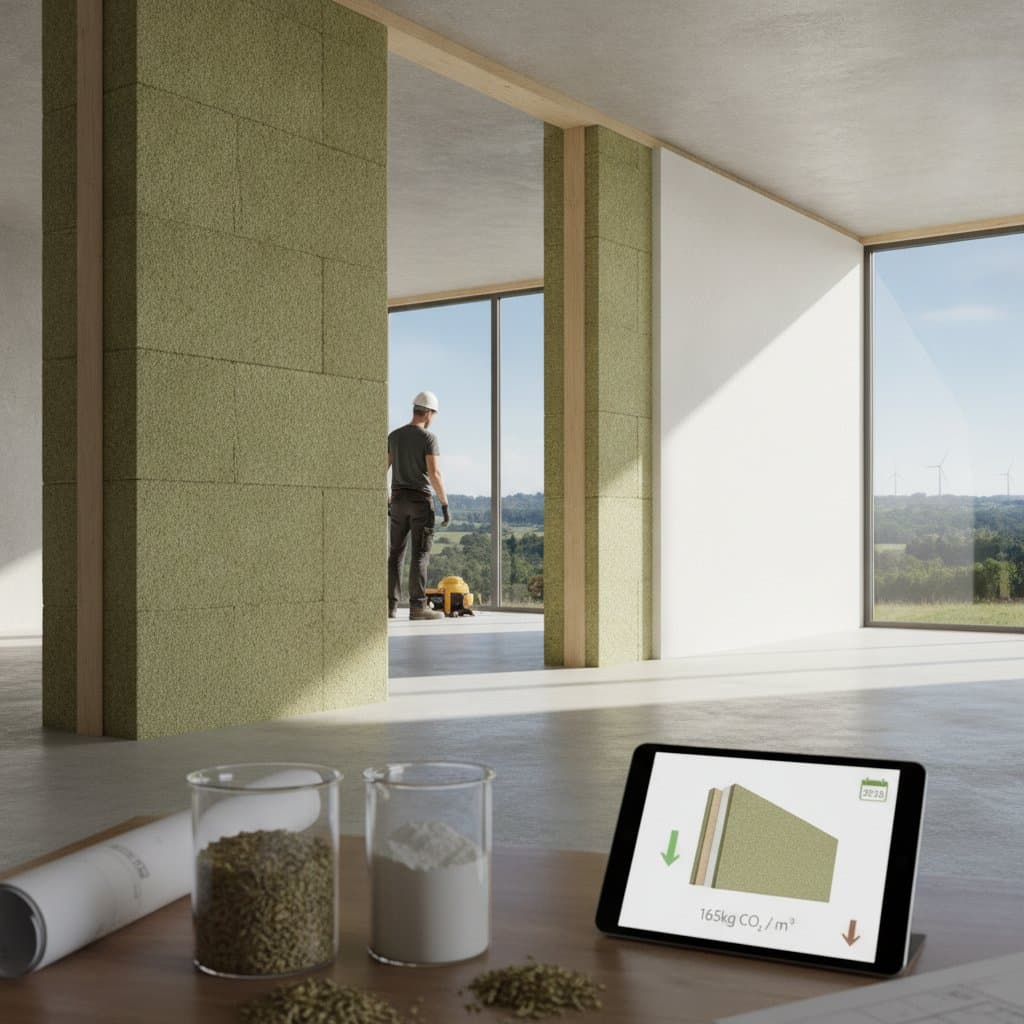
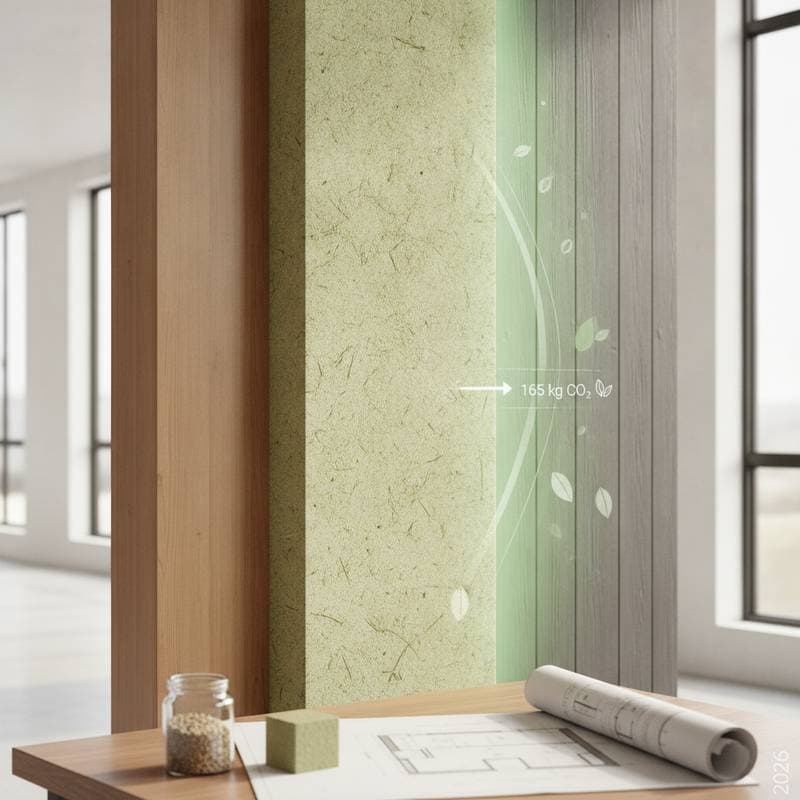
- Carbon capture during growth, where the mycelium network sequesters atmospheric carbon dioxide into the final product.
- Minimal energy input for manufacturing, as the material develops at ambient temperatures without high-energy processing.
- Full biodegradability, allowing safe decomposition in soil at the conclusion of its useful life.
- Positive impact on indoor environments, with no off-gassing of volatile compounds common in certain synthetic insulators.
When combined with optimized heating, ventilation, and air conditioning setups, intelligent temperature controls, and passive airflow designs, mycelium insulation can diminish overall household energy use by as much as 50% relative to standard constructions.
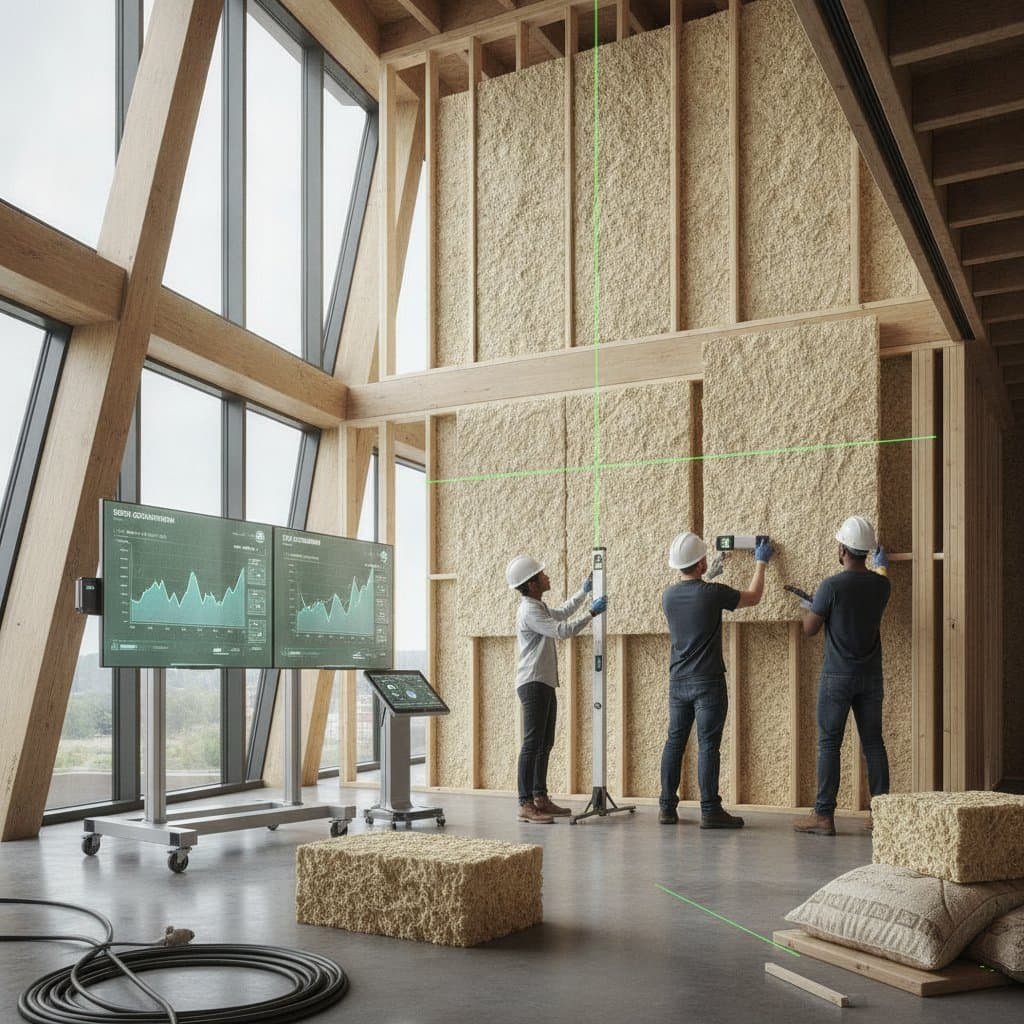
To maximize these gains, consider integrating mycelium in wall cavities, attics, and floors during construction phases. Testing via energy audits before and after installation provides concrete data on performance improvements.
Common Questions About Mycelium Insulation
Is mycelium insulation suitable for individuals with allergies?
Yes, this material proves hypoallergenic and lacks synthetic adhesives, rendering it appropriate for homes with allergy-prone residents.
How does it perform in humid or flood-prone conditions?
Mycelium naturally resists mold proliferation, though extended submersion may compromise its integrity. Install appropriate moisture barriers and ensure adequate site drainage in vulnerable locations.
Will it attract pests like insects or rodents?
After drying and treatment, the material holds no appeal as a food source, deterring common household pests effectively.
Is DIY installation feasible?
Numerous homeowners successfully apply pre-fabricated panels independently. For optimal results, including airtight seals and adherence to local regulations, consulting certified installers is advisable.
Steps to Adopt Mycelium Insulation
Incorporating mycelium insulation into a home project extends beyond mere efficiency gains; it embodies a commitment to enduring comfort and ecological responsibility. Begin with an assessment of existing insulation effectiveness using tools like thermal imaging or utility bill reviews.
Next, compute potential reductions in system runtime based on your local climate and home size. Source materials from verified suppliers to guarantee quality and compatibility with your build.
As industry output increases, affordability improves, and empirical evidence supports its energy-saving potential. For new constructions or retrofits alike, mycelium enables the creation of resilient, resource-efficient homes that align with forward-thinking environmental standards.