Key Points
- Heat pump retrofits lower home energy bills by 25 to 60 percent, depending on system type and local climate.
- Rebates, tax credits, and financing options cover up to 50 percent of installation costs in many regions.
- Modern heat pump water heaters and HVAC systems improve comfort, cut emissions, and increase property value.
- Proper sizing, professional installation, and regular maintenance ensure optimal performance and strong returns.
Tackle Rising Energy Costs with Targeted Retrofits
Heating and cooling costs burden households year after year. People in humid coastal regions or areas with severe winters see bills climb as old systems lose efficiency. Heat pump retrofits offer a practical upgrade that boosts comfort and cuts expenses without extensive home modifications.
This proven technology leads sustainable home upgrades. It maintains precise temperatures, operates reliably in varied weather, and generates significant savings over time. Tailor the system to match your home layout and budget for best results.
Financial and Environmental Benefits of Heat Pump Retrofits
Heat pumps move heat rather than generate it through burning fuel. They use refrigerant cycles and compression, which require about one-third the energy of traditional systems. Homeowners gain lower monthly bills and a reduced carbon footprint.
The investment pays off quickly. A full home system costs 15,000 to 30,000 dollars to install, while a heat pump water heater runs 2,000 to 5,000 dollars. Annual savings range from 800 to 2,000 dollars, based on usage and weather patterns. Many recover costs within 10 years, and systems last more than 20 years with proper care.
On the environmental side, heat pumps pair well with renewable electricity sources like solar. This setup promotes energy independence and supports grid transitions to cleaner power.
Types of Heat Pump Retrofits to Consider
Choose a heat pump type that fits your home structure and needs.
Air-Source Heat Pumps
Air-source models dominate retrofit projects. They pull heat from outdoor air and deliver it indoors through ducts or ductless units. Newer designs work in temperatures below freezing and connect easily to existing ductwork.
Ground-Source or Geothermal Systems
Geothermal systems use buried loops to tap stable ground temperatures. Upfront costs exceed other options, but they provide higher efficiency and lower long-term maintenance.
Heat Pump Water Heaters
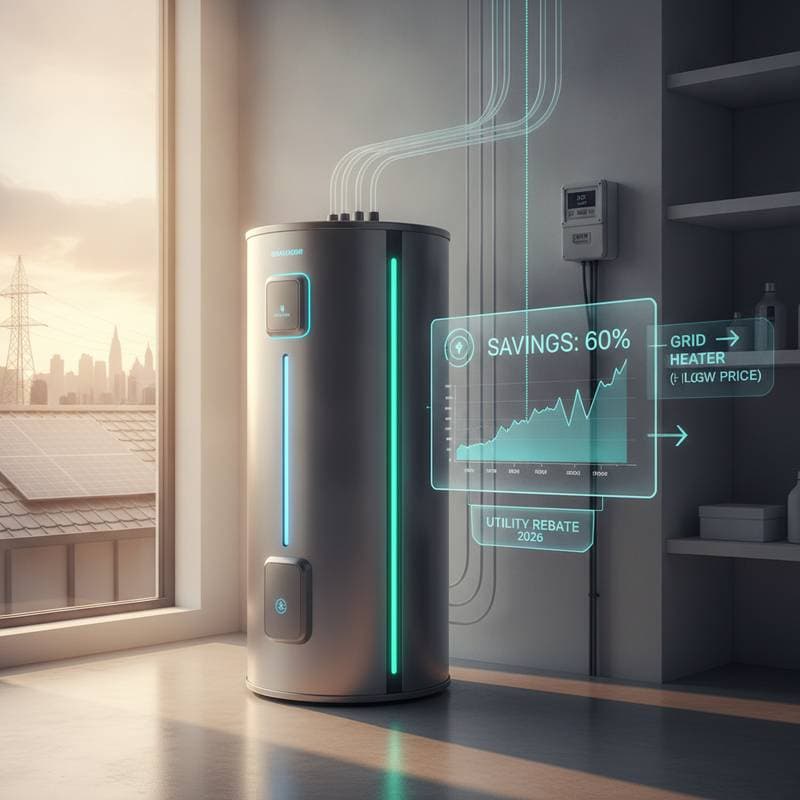
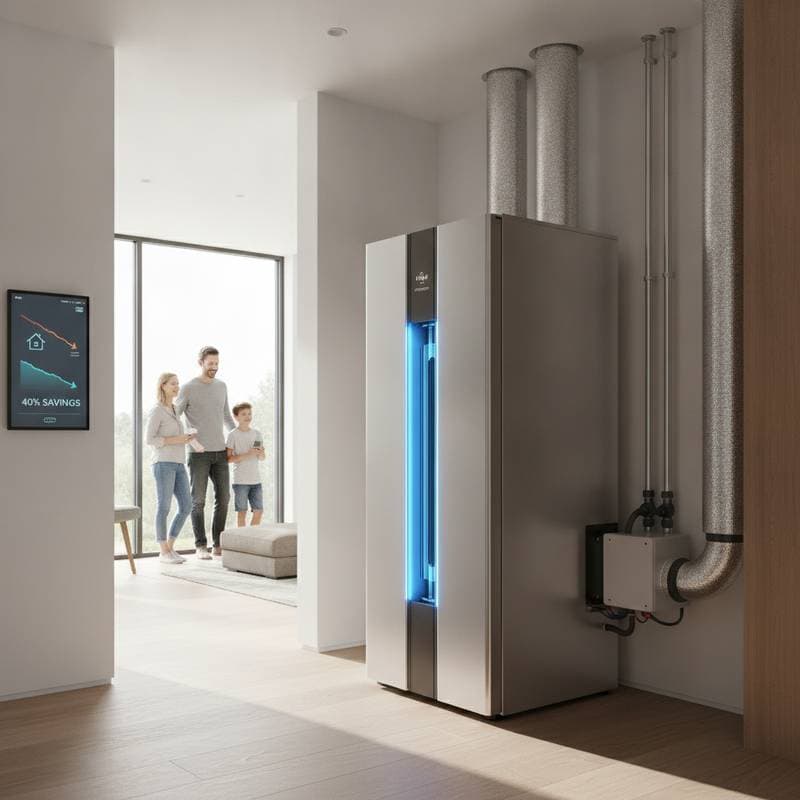
These units replace standard electric or gas water heaters, cutting energy use by up to 70 percent. They serve as an easy starting point for experiencing heat pump advantages before a full HVAC change.
Dual-Fuel or Hybrid Systems
In regions with extreme cold, hybrid setups combine heat pumps with backup furnaces. They guarantee heat during harsh weather while maximizing efficiency in moderate conditions.
Calculate Return on Investment and Savings Potential
Balance initial expenses with lasting gains when evaluating retrofits.
- Initial Costs: Full systems cost 15,000 to 30,000 dollars; water heaters range from 2,000 to 5,000 dollars.
- Energy Savings: Bills decrease by 25 to 60 percent compared to older equipment.
- Maintenance Costs: Annual expenses stay minimal due to fewer moving parts and no combustion.
- Home Value Boost: Upgrades speed sales and add 3 to 7 percent to resale prices.
Incentives speed up payback. Many areas offer rebates or credits that offset 20 to 50 percent of expenses. Low-interest loans make the process more accessible.
Steps to Plan and Execute a Successful Installation
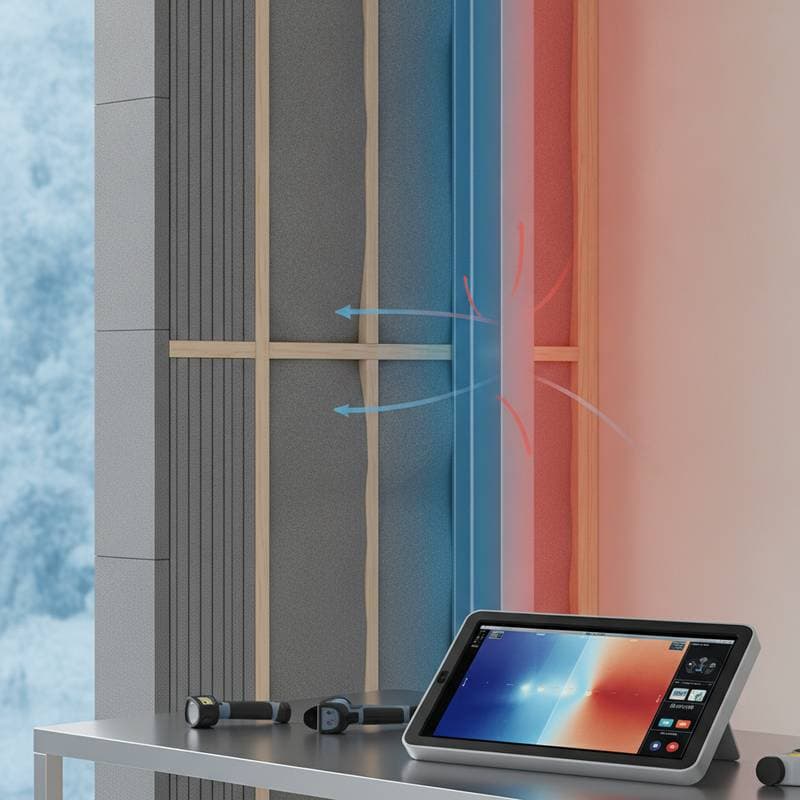
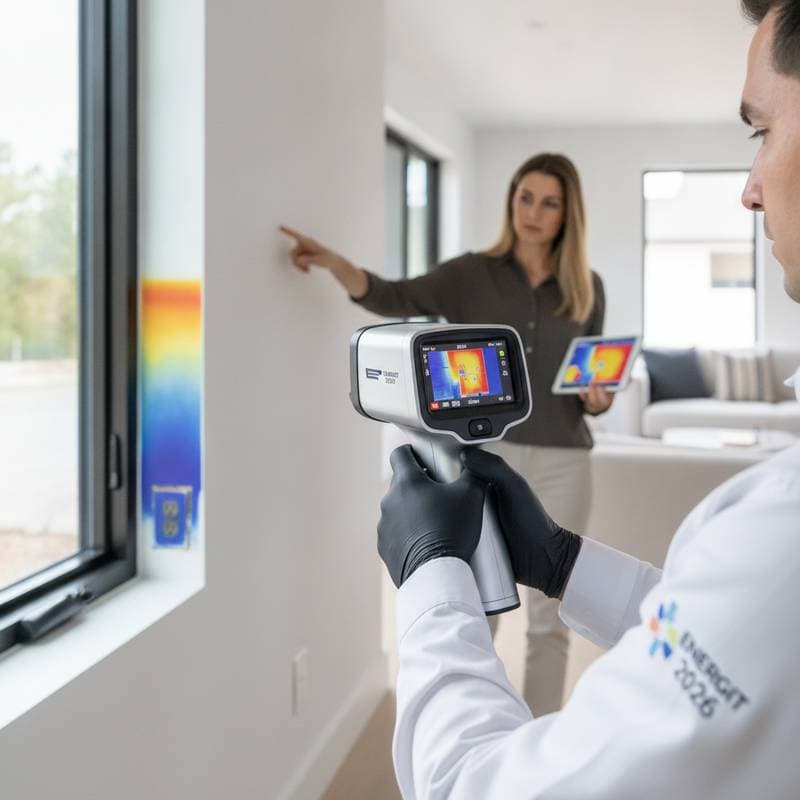
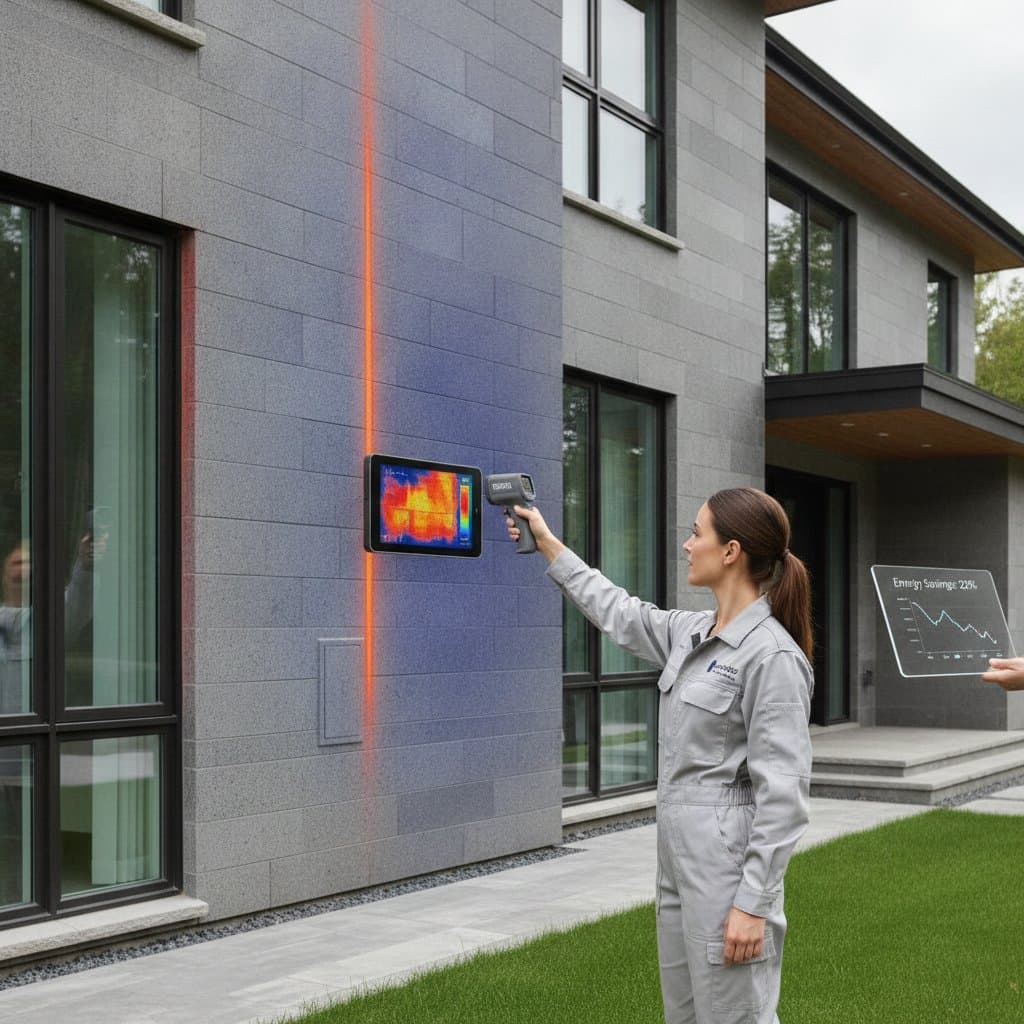
Start with a professional energy audit. Experts examine insulation, ducts, electrical systems, and local climate to recommend the right equipment. Correct sizing avoids wasted energy and uneven temperatures.
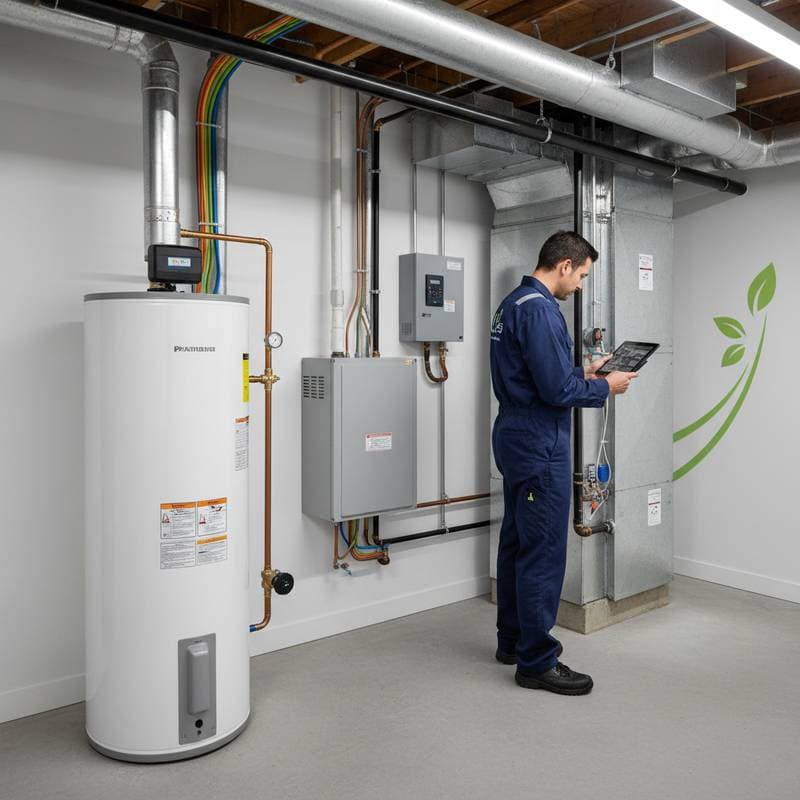
Hire certified installers to protect performance and warranties. Installation includes handling refrigerants carefully, securing electrical links, and optimizing airflow. Schedule annual checkups to maintain efficiency and prolong lifespan.
Complement the work with simple upgrades like sealing ducts, upgrading thermostats, or adding insulation. These steps enhance overall results without professional intervention.
Boost Health, Comfort, and Everyday Living
Heat pumps improve more than just efficiency; they elevate daily life. They create steady indoor conditions, eliminating the swings from outdated heaters. Better air filtration and humidity control support healthier breathing, and the lack of combustion reduces indoor pollutants.
Quieter operation comes from variable-speed compressors that adjust smoothly instead of cycling on and off. Homeowners experience a peaceful, clean, and welcoming environment.
Position Your Home for Future Energy Shifts
A heat pump retrofit prepares your property for changes in energy sources. As grids incorporate more renewables, these systems use cleaner power effortlessly. Pair them with solar panels or battery storage for greater savings and reliability during outages.
Smart features such as programmable thermostats, zoned controls, and adaptive compressors fit changing household needs. They simplify long-term comfort management.
Move Forward with Your Retrofit Project
Schedule an energy audit to identify weaknesses in your current system. Research local rebates and financing before picking equipment. Work with qualified heat pump experts and request personalized savings estimates based on your home details.