Understanding Heat Loss Through Windows
Windows serve as a primary pathway for heat to escape in many homes. In average households, these openings account for 25 to 30 percent of overall heat loss. Older buildings face even greater challenges due to single-pane glass and poor seals. Homeowners need not undertake complete window replacements to resolve this problem; focused retrofits deliver meaningful enhancements.
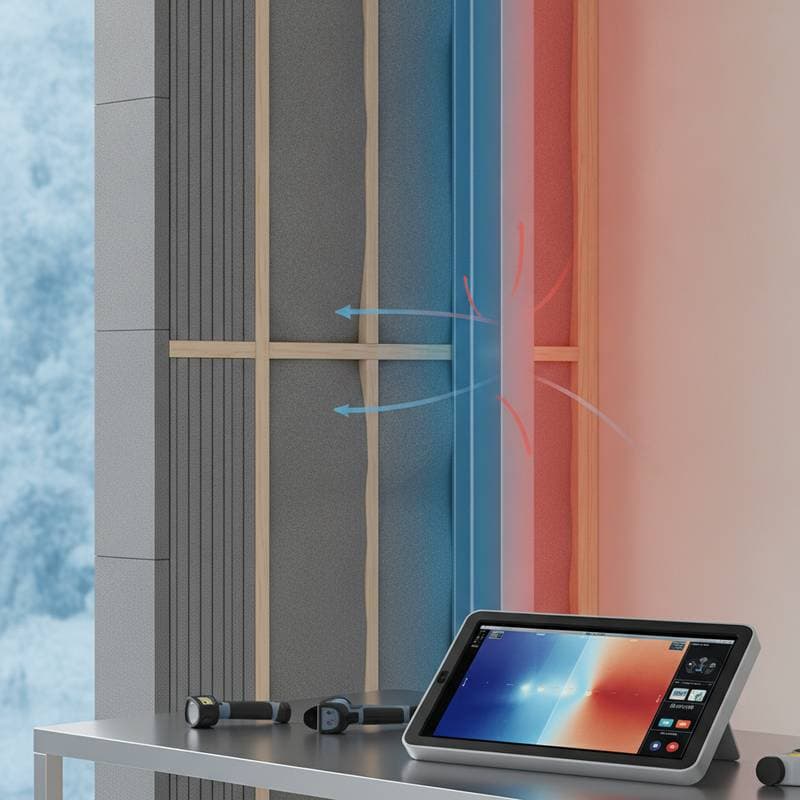
Heat escapes through windows in three main ways: conduction, convection, and radiation. Conduction happens when heat conducts directly through the glass and frame. Convection arises from air currents flowing through gaps. Radiation permits heat to emanate outward as infrared energy. Targeting these processes enables individuals to apply economical measures that reclaim warmth and boost efficiency.
Combining several strategies can yield a 67 percent decrease in heat loss. Such methods maintain current windows while offering results akin to contemporary installations. Residents experience prompt gains in comfort levels and lower utility payments, all without the inconvenience of extensive remodeling projects.
Sealing Gaps for Immediate Impact
Drafts from gaps around window frames hasten heat loss significantly. Examine frames, sills, and edges closely for cracks or gaps resulting from structural settling or exposure to the elements. Apply weatherstripping crafted from foam, rubber, or vinyl materials to form secure, airtight seals.
Use caulk on fixed joints where windows connect to walls. Opt for silicone-based caulk, which offers flexibility and longevity across temperature fluctuations. For operable sashes, attach foam tape that compresses upon closing, creating a firm seal while preserving smooth functionality.
This measure by itself reduces heat loss by 10 to 20 percent. Complete the task on a dry day, ensuring surfaces remain clean before application. Schedule inspections every few years to sustain performance and avert small problems from escalating.
Applying Low-E Films to Block Radiation
Low-emissivity films deliver a slim, clear layer that reflects infrared heat back indoors. These films stick directly to present glass surfaces and replicate the effects of low-E coatings found on modern windows.
Choose films with solar heat gain coefficients ranging from 0.25 to 0.40, striking a balance between heat retention and daylight admission. Install during milder weather to prevent bubbles; prepare by cleaning the glass thoroughly and employing a squeegee for even application. The films endure for multiple years and detach without residue if removal becomes necessary.
Research indicates these films diminish heat loss by as much as 40 percent during winter. They also mitigate summer heat influx, yielding savings throughout the seasons. Pair them with sealing techniques to amplify results and reach the 67 percent goal.
Installing Interior Storm Inserts for Added Insulation
Interior storm inserts establish an extra air barrier within existing windows. Constructed from acrylic or polycarbonate, these panels fit securely into the frame using magnetic or compression fittings.
Take accurate measurements of each window to obtain custom or adjustable inserts. Secure a track or frame to the interior side, then slide the panel into place. The enclosed air space functions as an insulator, much like the design of double-pane units.
Properties equipped with double-pane windows still gain advantages, as inserts provide an additional barrier against conduction. Anticipate a 30 to 50 percent drop in heat transfer for each treated window. While professional services guarantee precise fitting, do-it-yourself kits accommodate various skill levels.
Layering Strategies for Maximum Efficiency
Integrate sealing, films, and inserts to attain peak performance. Begin with gap sealing to build a solid base, follow with films to manage radiation, and conclude with inserts for thorough insulation. This multi-tiered method addresses every avenue of heat escape concurrently.
Track advancements by observing temperature shifts in areas adjacent to windows. In regions with harsh winters, emphasize inserts for their superior insulation. Those watching expenses might start with films and sealing, then expand as resources permit.
The entire heating system operates more effectively, lessening dependence on furnaces or boilers. Interiors maintain uniform temperatures, banishing chilly zones and elevating daily comfort. These upgrades recoup costs via energy reductions in just a few heating cycles.
How to Measure Your Success
Evaluate retrofit outcomes to verify gains and pinpoint remaining needs. Compare utility statements from identical periods in prior years to calculate savings on heating expenses.
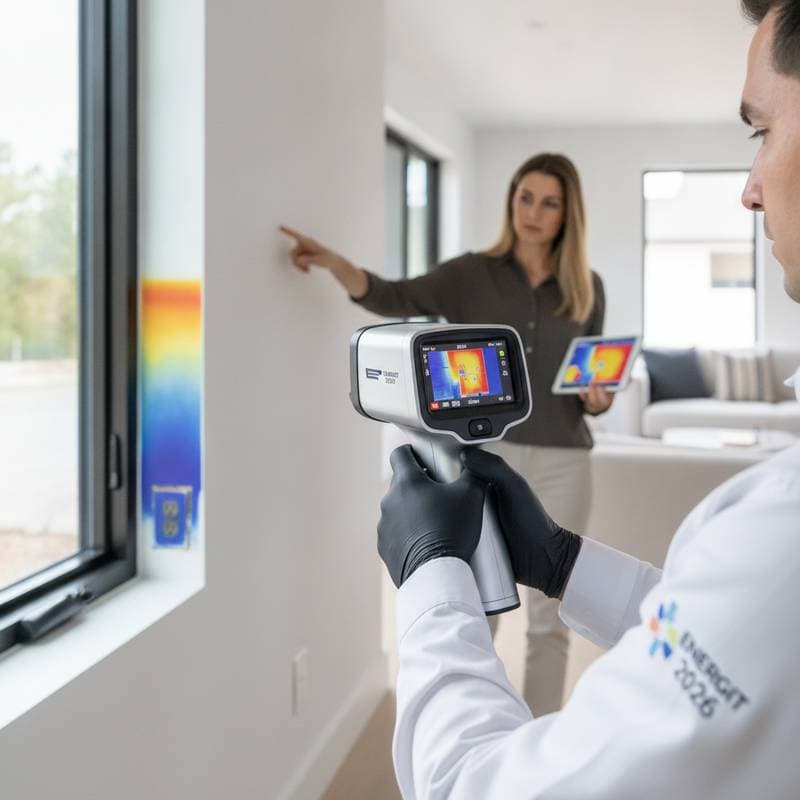
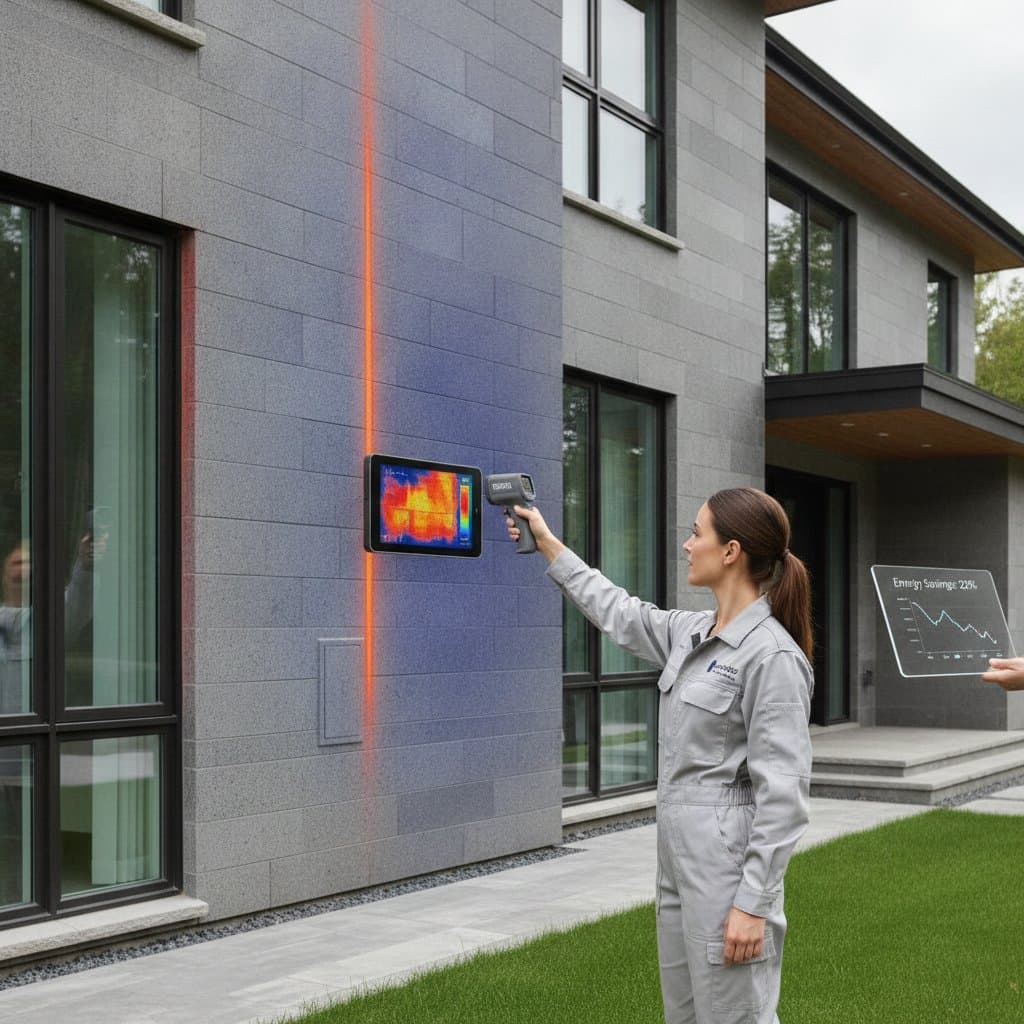
Utilize an infrared thermometer to identify temperature differences along window frames and panes. Successful efforts produce negligible variations, signaling effective seals and insulation.
Arrange a professional blower door test, which simulates wind pressure to expose air leaks throughout the home. This assessment measures overall air infiltration and guides further improvements outside of windows.
Effective retrofits generally decrease heating and cooling requirements by 20 to 40 percent. Living spaces exhibit steadier conditions, fewer drafts, and better humidity regulation.
FAQ: Expert Answers to Common Questions
Q: How much heat loss comes from windows relative to walls or roofs?
A: Windows contribute 25 to 30 percent of total heat loss in typical homes. Older structures with single-pane glass or damaged seals see higher figures. Retrofitting select windows produces noticeable improvements in comfort and reduced costs.
Q: Do interior inserts provide value for homes with existing double-pane windows?
A: Interior inserts add value by creating an supplementary insulating air pocket that limits conduction. In double-pane configurations, they secure an extra 30 to 40 percent reduction in heat loss, particularly beneficial in severe cold.
Q: What maintenance do these retrofits require?
A: Conduct annual inspections of seals and films for deterioration, reapplying caulk or substituting films when necessary. Clean inserts with mild methods to retain transparency. Proper upkeep ensures longevity without substantial effort.
Q: Can these methods work in humid climates?
A: These approaches succeed in humid environments when using moisture-resistant options like silicone caulk and permeable films to avoid condensation. Inserts featuring ventilation options control moisture, upholding efficacy in varied settings.
Secure Comfort and Savings Long-Term
These retrofits convert windows from energy drains into efficiency boosters. Residents benefit from toasty winters and refreshed summers, alongside substantial cuts in energy use.
Ongoing use of these practices advances sustainability by curbing reliance on fossil fuels. Seek guidance from local energy specialists for tailored recommendations that optimize investments. Adopt these steps to cultivate an efficient, inviting home for the long haul.