Key Benefits of Electric Homes
- Electric homes deliver cleaner operation, greater safety, and growing cost savings through emerging rebates and utility programs.
- Modern induction cooktops, heat pumps, and electric water heaters surpass traditional gas systems in energy efficiency.
- Switching to electric power sharply reduces household emissions and enhances indoor air quality.
- Successful transitions demand thorough preparation for electrical capacity, appliance choices, and adherence to local building codes.
Envisioning a Cleaner, More Comfortable Home
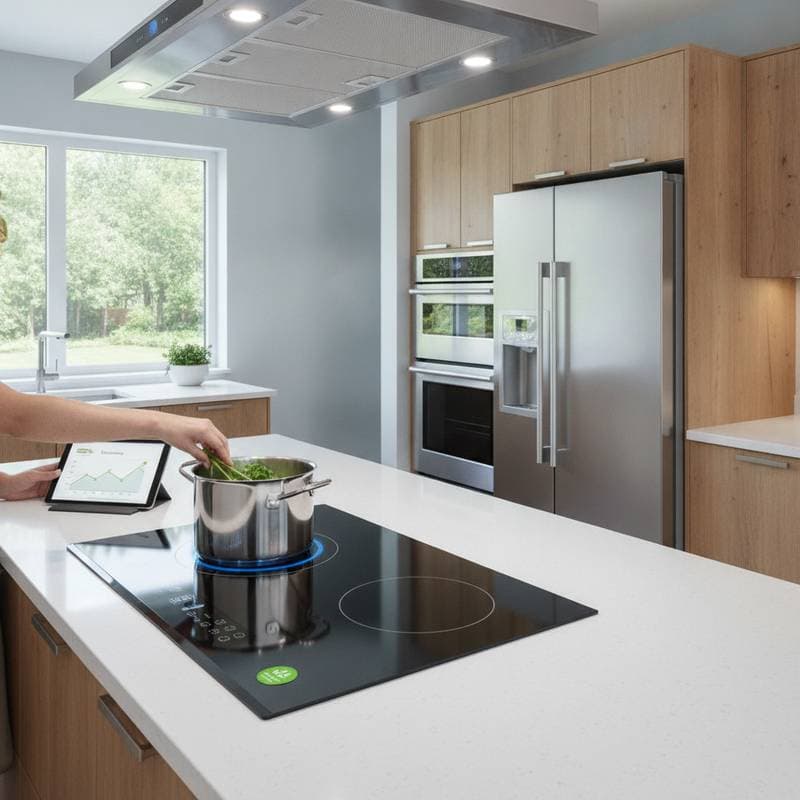
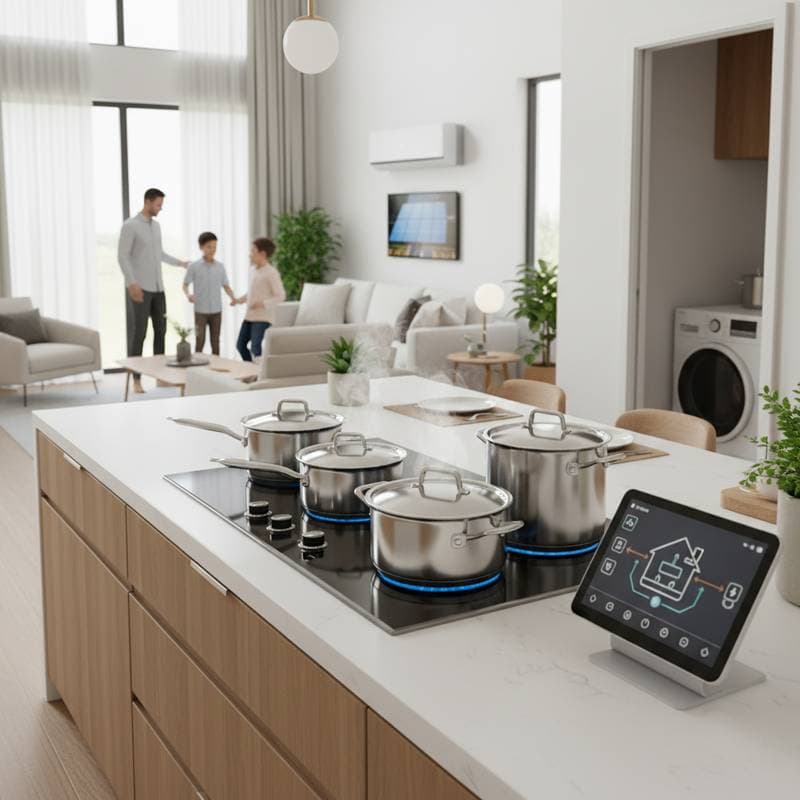
As a professional in green building, I have observed numerous homeowners grappling with the decision to replace gas appliances with electric counterparts. Imagine entering a kitchen equipped with an induction cooktop that operates silently, free from open flames, where the air remains fresh and temperate. In the living room, an efficient heat pump maintains consistent comfort without the dryness associated with gas furnaces. The subtle sound of efficient operation supplants the noise of combustion.
If rising energy expenses or community talks of gas phase-outs concern you, know that many share this experience. In various regions, electrification efforts aim to curb pollution and strengthen resilience. Drawing from extensive field experience, this transition extends beyond environmental goals to elevate quality of life.
Addressing Challenges and Seizing Opportunities
Gas appliances have earned a reputation for reliability, but they carry concealed drawbacks. Research indicates that gas stoves emit nitrogen dioxide and additional pollutants, which can exacerbate asthma and other respiratory issues. Conventional gas furnaces and water heaters release trace amounts of hazardous gases indoors, particularly without flawless maintenance. These outputs also fuel broader smog formation and greenhouse gas accumulation.
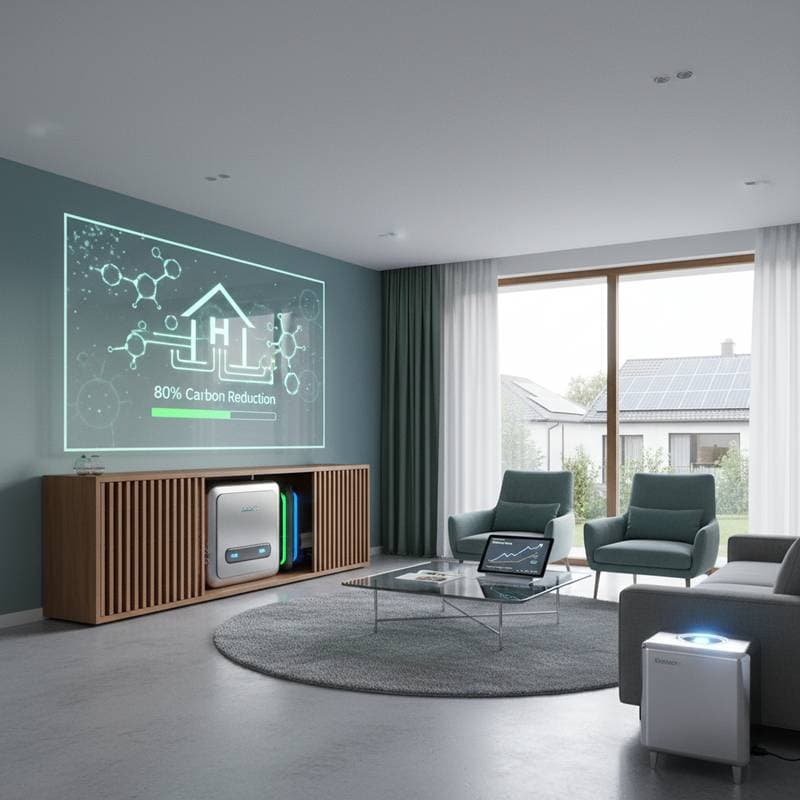
Financially, gas prices vary erratically, whereas electric rates stabilize with the rise of renewables. Coupled with ample rebates for electric upgrades, the rationale for change strengthens. Electrifying a home can halve direct emissions when combined with renewable electricity sources, frequently resulting in reduced long-term operational expenses.
Reasons to Electrify Your Home in 2025
The moment for home electrification has arrived. Supply chains for electric innovations have stabilized, prices have declined, and capabilities have advanced. Induction cooktops now achieve faster heating than gas models, heat pumps function effectively in chilly weather, and electric dryers conserve both energy and water.
As a green building specialist, I advise treating electrification as a staged process rather than an all-at-once endeavor. Each phase contributes to a comprehensive electric setup that operates seamlessly and aligns with contemporary aesthetics.
Step-by-Step Guide to Home Electrification
1. Assess Electrical Capacity
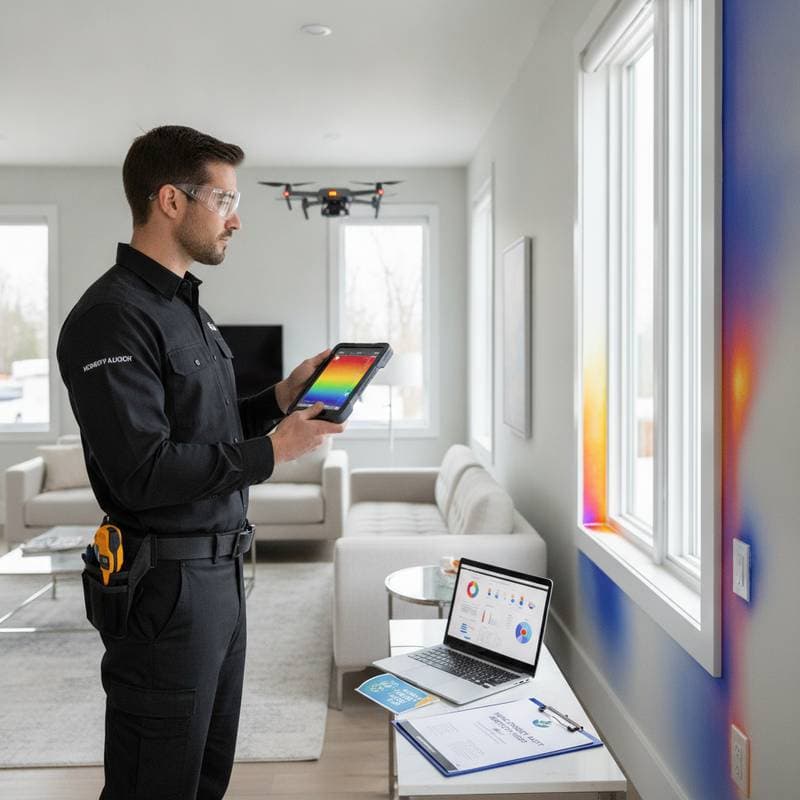
Prior to adding electric appliances, engage an electrician to inspect your service panel. Numerous older residences run on 100-amp service, whereas contemporary electric configurations typically require 200 amps or higher. Panel upgrades generally cost between $1,500 and $3,000, yet they accommodate expansions such as solar arrays or electric vehicle charging stations.
2. Prioritize Major Energy Consumers
Focus initially on high-gas-usage areas: heating, water heating, and cooking.
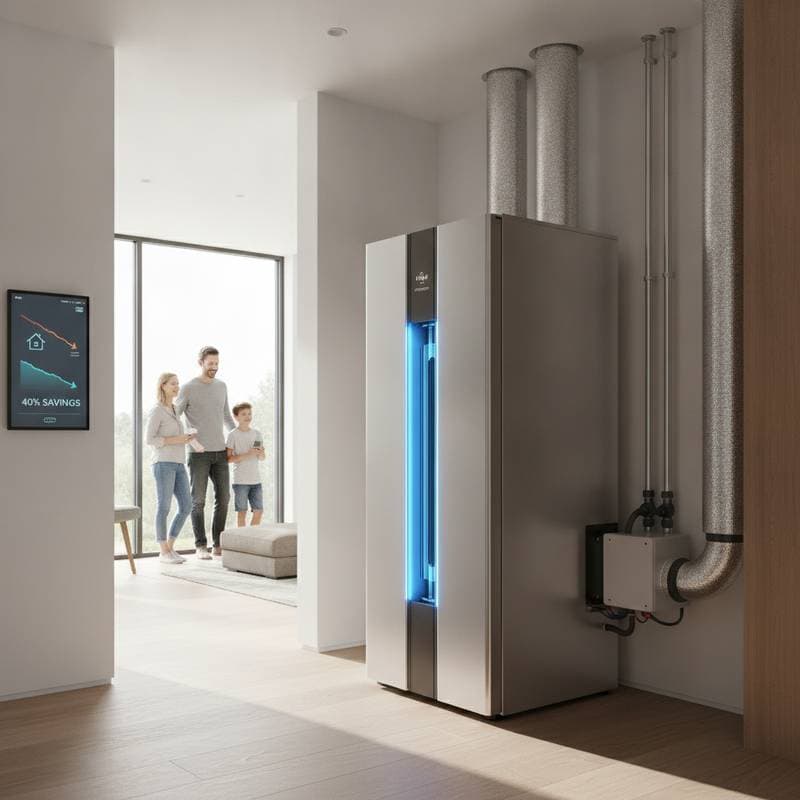
- Heating and Cooling: Substitute your gas furnace with an air-source heat pump. These units offer heating and cooling at efficiencies reaching 300 percent, producing three units of heat per unit of electricity used.
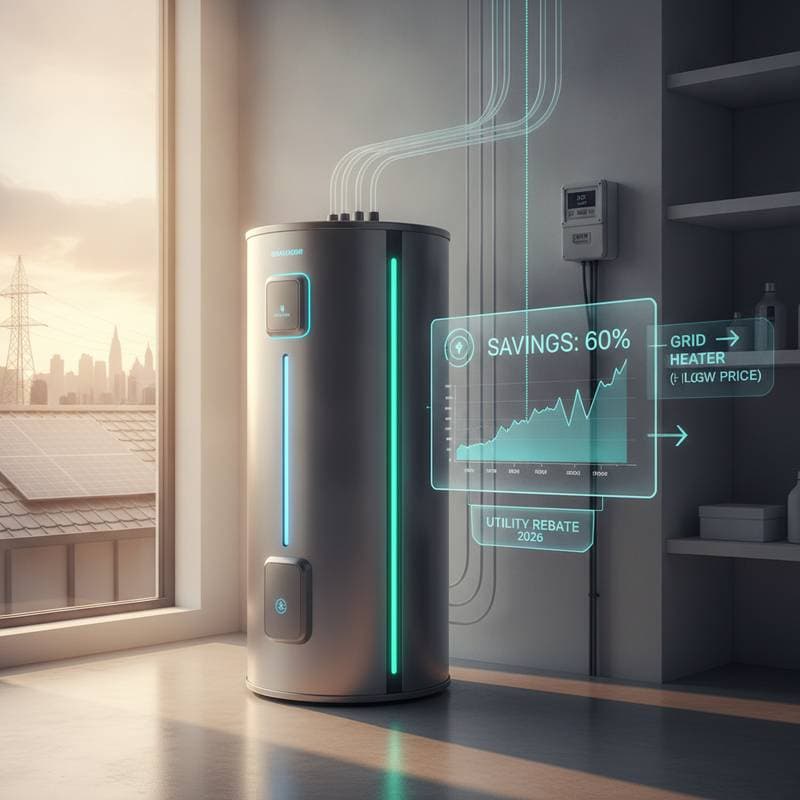
- Water Heating: Heat pump water heaters draw on surrounding air to heat water, potentially reducing costs by up to 60 percent.
- Cooking: Induction cooktops employ magnetic fields to heat pots directly, ensuring precise control and eliminating combustion residues.
3. Enhance Insulation and Air Sealing
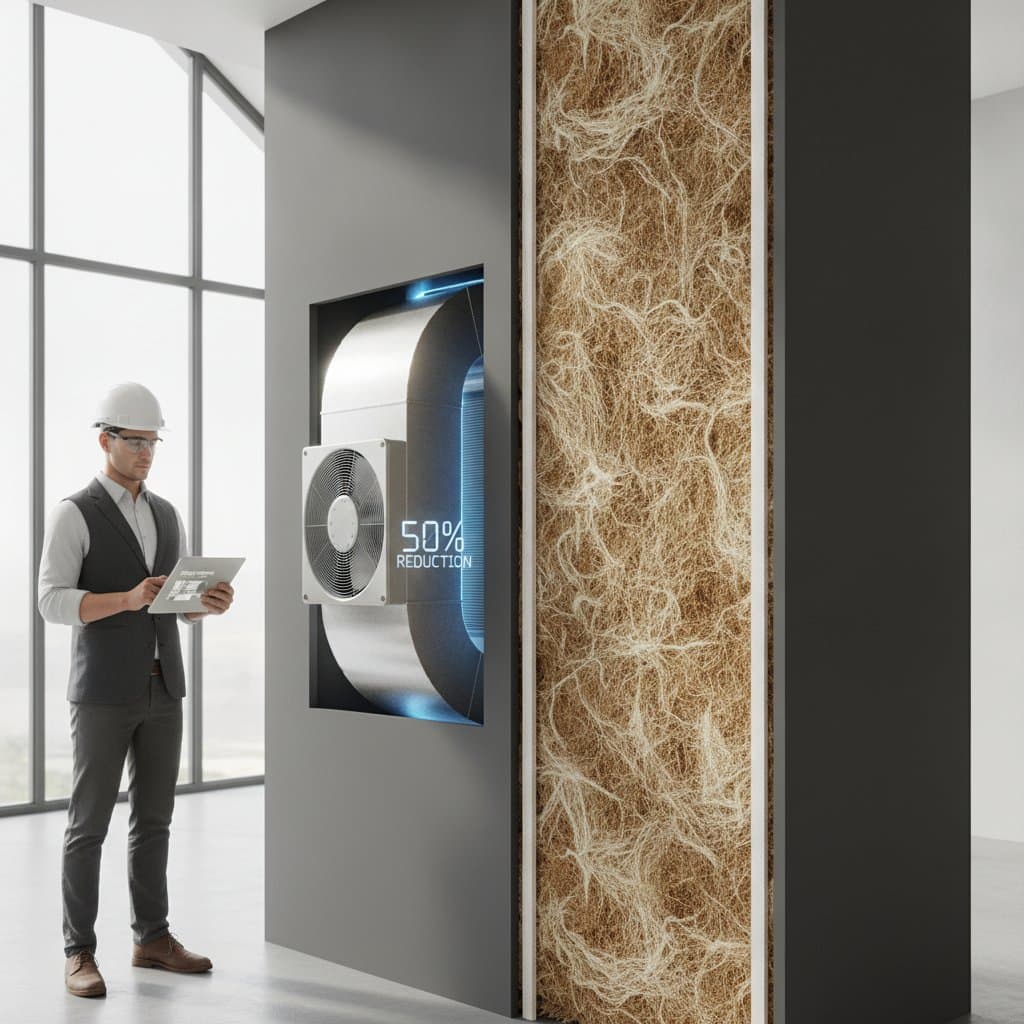
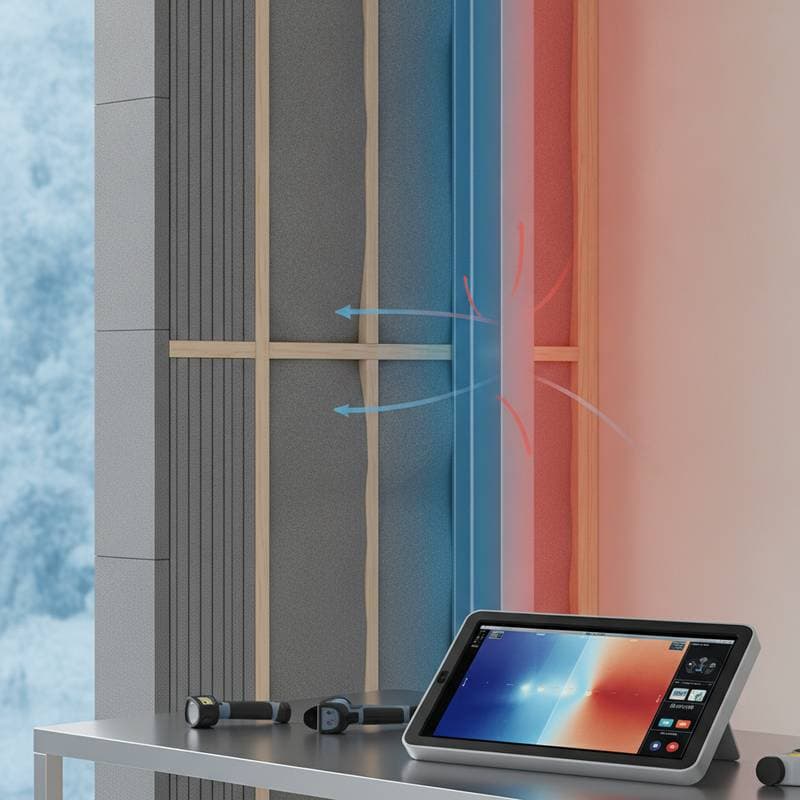
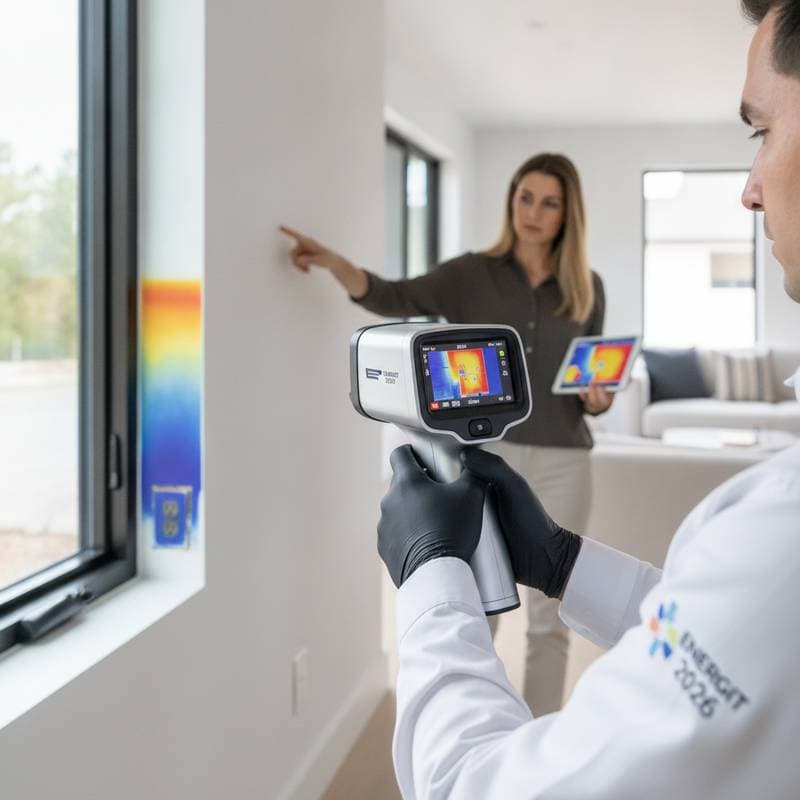
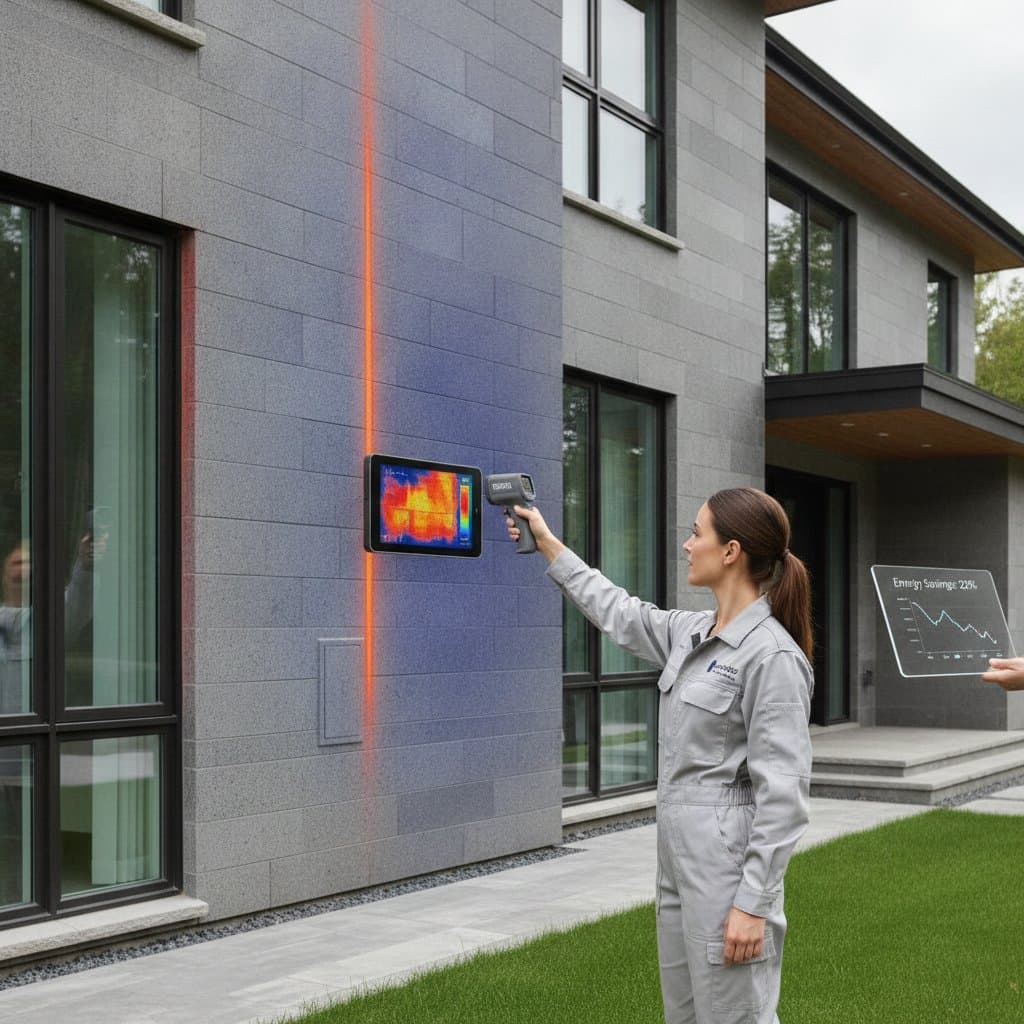
View insulation as the thermal shield for your home. Sealing drafts and bolstering insulation maximizes the effectiveness of new electric systems. Inadequate insulation may squander 25 percent of heating and cooling energy.
4. Incorporate Renewable Energy Sources
Combining electrification with solar panels offsets significant electricity demands. Installation expenses differ, but many owners recoup costs in a few years via reduced utility payments.
5. Implement Smart Energy Management
Smart thermostats and load-balancing systems optimize usage, particularly during peak periods. These devices adjust automatically to preserve comfort and curb expenses.
Essential Planning Factors
Budget, schedule, and regional rules play crucial roles in achieving success. Incentive initiatives often offset 20 to 50 percent of expenses, varying by appliance and household income. A complete electrification effort may span $10,000 to $30,000, influenced by project scale and current setup.
Time upgrades wisely. For instance, swap a gas water heater as it approaches replacement age to minimize unnecessary outlays. Consult certified experts to meet electrical codes and safety requirements.
Homeowners frequently overlook ventilation needs after eliminating gas combustion. Ensure your contractor incorporates a robust ventilation strategy to sustain air quality.
Strategies for Maximizing Eco-Efficiency
- Review local rebate options frequently, as availability fluctuates.
- Choose ENERGY STAR-rated appliances to secure proven efficiency.
- Track energy consumption using a home-wide monitor to identify optimization areas.
- Connect with a green building specialist via reliable directories to evaluate qualified electrification experts.
Sustainability consultant Maria Chen observes, "Electrification is not just a trend. It is the foundation of a resilient, future-ready home."
Advancing Toward Sustainable Living
Electrifying your home constitutes a significant move toward reduced emissions and energy autonomy. Initial costs may deter, but each improvement yields tangible gains in comfort, savings, and health. Success hinges on deliberate planning, professional advice, and incremental steps aligned with your resources and objectives.
Contact a qualified green building professional for a complimentary assessment. With sound tactics and expert assistance, your residence can embody efficient electric functionality, fostering personal well-being and planetary health.