Key Points
- Thermal blinds reduce heating bills by up to 25 percent through enhanced window insulation.
- They trap air between fabric and glass to limit heat loss via conduction and convection.
- Options in materials, designs, and prices allow customization to fit style, effectiveness, and budget.
- Correct installation and sealing maximize energy conservation.
- Pairing thermal blinds with additional window treatments amplifies overall efficiency.
Addressing Cold Windows in Daily Life
Imagine a cold evening where a blanket provides little relief, and the room remains drafty despite adjustments to the thermostat and door seals. Even fuzzy socks fail to ward off the chill. Windows serve as the primary source of this issue.
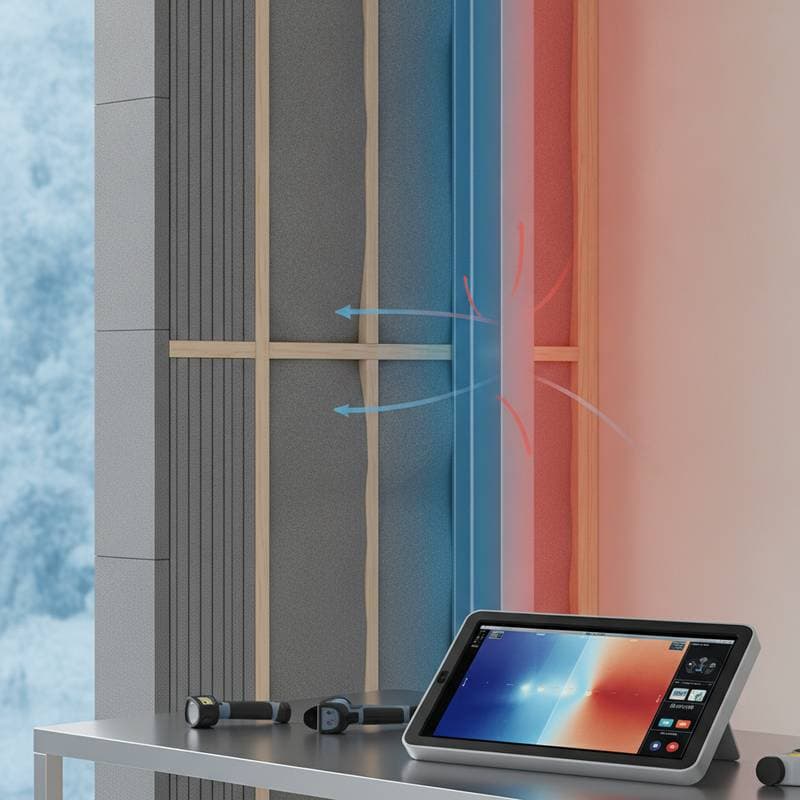
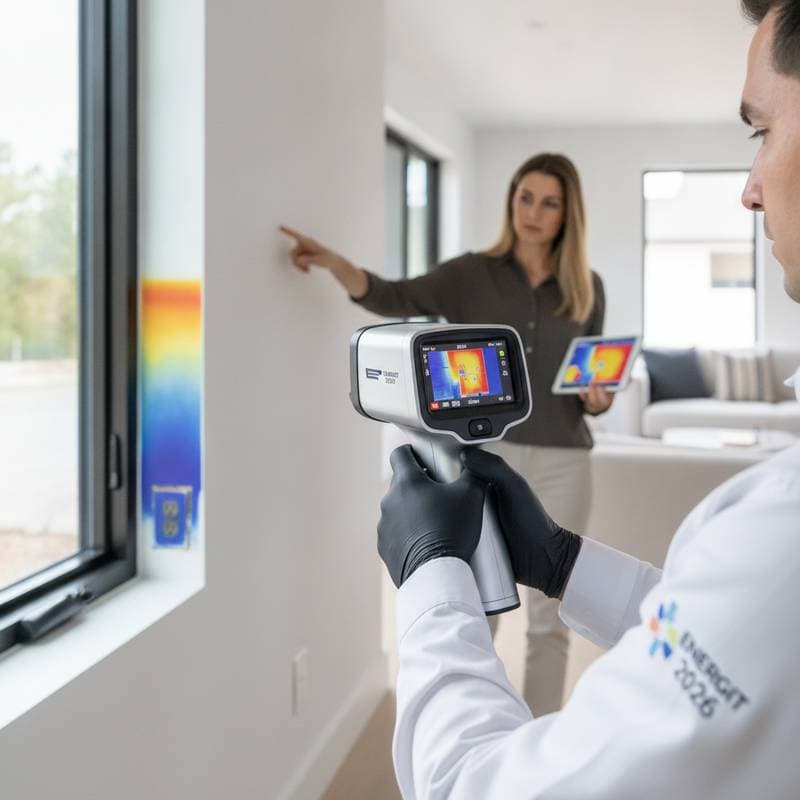
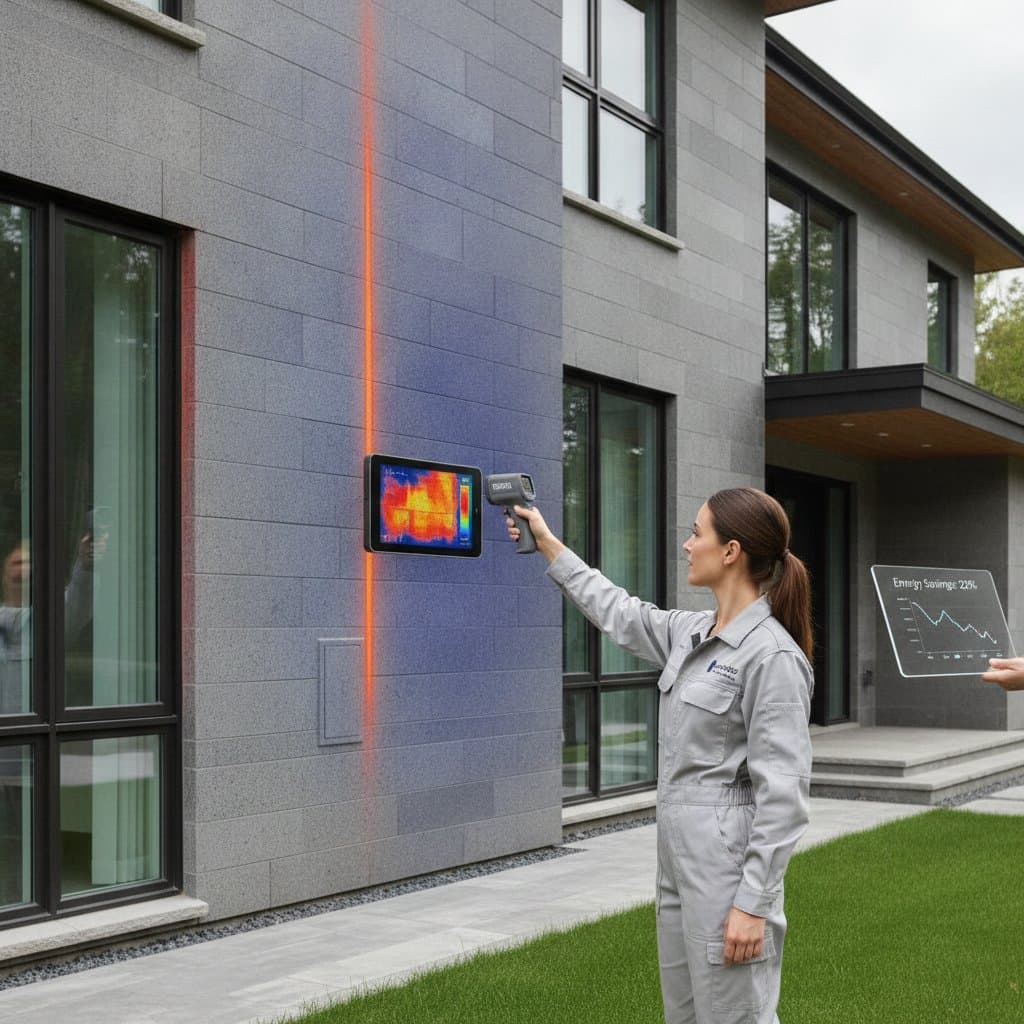
Windows contribute significantly to heat loss in residences. Glass transfers heat rapidly, and double glazing alone cannot fully prevent warmth from departing. Thermal blinds provide an additional insulating layer that retains heat indoors, functioning much like a protective covering for windows.
Importance of Comfort and Financial Benefits
Heating expenses increase rapidly when systems labor to compensate for escaping warmth. Enhanced insulation from thermal blinds optimizes heating performance, which decreases fuel or electricity consumption. This optimization results in tangible financial savings.
The environmental advantages prove equally compelling. Each conserved energy unit corresponds to reduced emissions from production sources. Minimizing heat waste represents an accessible method to enhance home sustainability without extensive modifications. For numerous residents, thermal blinds offer a modest investment with substantial rewards.
Mechanism of Thermal Blinds
Thermal blinds minimize heat transfer through targeted design elements. Consider the following components:
-
Insulating Layers: These blinds incorporate multiple fabric layers, often with reflective or insulating coatings. Such layers capture air, creating a barrier that separates indoor heat from external cold.
-
Air Pocket Formation: The gap between the blind and window mimics the air space in double-glazed units. This setup impedes heat dissipation and curtails drafts.
-
Reflective Surfaces: Certain models feature metallic or reflective backings that redirect radiant heat toward the interior.
-
Secure Attachments: Blinds fitted closely within window frames block warm air from escaping at the edges.
Together, these features can diminish window heat loss by up to 25 percent. Results may exceed this when integrated with sealed frames or drapes.
Essential Planning Factors
Prior to purchasing thermal blinds, evaluate several critical aspects:
-
Window Type and Direction: Windows facing south gain from blinds that permit easy opening during sunlight hours. North-facing windows require full-day insulation.
-
Material Selection: Dense fabrics deliver superior insulation, whereas lighter materials preserve daylight in occupied spaces.
-
Design Choices: Available styles include roller blinds, Roman shades, pleated varieties, and honeycomb cellular structures. Each provides unique visual and functional attributes.
-
Operational Convenience: Motorized mechanisms simplify use, particularly for elevated or inaccessible windows.
Selections that harmonize insulation, usability, and aesthetics ensure energy benefits without sacrificing livability or appeal.
Expense Overview and Return on Investment
Costs for thermal blinds fluctuate based on material, dimensions, and personalization. Prices typically divide into three tiers:
-
Entry-Level Options: Between $40 and $100 per window for basic roller or pleated thermal blinds. These supply adequate insulation for rentals or compact areas.
-
Intermediate Options: From $100 to $250 per window for multi-layered or honeycomb designs with enhanced materials and precise fitting. These yield robust savings and longevity.
-
High-End Options: Ranging from $250 to $600 per window for tailored blinds featuring motorized functions, reflective elements, and advanced insulation.
When heating dominates energy expenditures, incremental efficiencies accumulate swiftly. In many cases, thermal blinds recoup costs in two to four years, influenced by regional weather, utility prices, and routines. Subsequent savings represent net profit.
Indirectly, thermal blinds elevate property appeal. Buyers value upgrades that promote comfort and lower operational costs.
Integration with Interior Design
Thermal blinds integrate smoothly into diverse decor schemes. Implement these approaches:
-
Layered Configurations: Pair blinds with curtains to augment insulation and introduce visual warmth. Curtains capture additional air around the blind for amplified results.
-
Versatile Colors: Opt for neutral shades to accommodate evolving interior themes without necessitating replacements.
-
Light-Enhancing Backings: Use metallic or pale reflective surfaces to distribute sunlight further while retaining interior heat.
-
Automated Systems: Program motorized or intelligent blinds to open during morning light and close in evenings, optimizing solar warmth capture.
Effective blind arrangements conserve energy while elevating both usability and aesthetics.
Variables Affecting Performance
Thermal blind efficacy varies across households. Influential elements include:
-
Window Integrity: Compromised seals or aged frames diminish returns. Address gaps through sealing prior to installation.
-
Regional Climate: Colder areas generate greater savings due to pronounced indoor-outdoor temperature disparities.
-
Structural Layout: Properties with extensive glazing or wind-exposed sides experience amplified benefits compared to compact, sheltered designs.
-
Daily Practices: Regular closure at night and opening on sunny days optimizes outcomes.
Achievement hinges on consistent application and upkeep of efficiency measures.
Contributions to Sustainability
Thermal blinds support eco-conscious living through multiple channels:
-
Energy Reduction: Decreased heating needs lower bills and emissions.
-
Temperature Regulation: They equalize indoor conditions, avoiding zones that prompt excessive system use.
-
Eco-Materials: Producers increasingly employ recycled or low-emission fabrics to uphold air quality standards.
-
Minimal Upkeep: Routine cleaning suffices, ensuring enduring low-impact value.
Certain models adhere to verified energy benchmarks from independent evaluators. Certifications for thermal resistance or reflectivity substantiate performance claims.
Strategies for Optimal Results
Maximize thermal blind benefits with these practices:
-
Frame Sealing: Apply weatherstripping or caulk to eliminate perimeter gaps.
-
Proximate Mounting: Position blinds near the glass to minimize air space and enhance insulation.
-
Evening Closure: Initiate closure at dusk to counter accelerated nighttime heat loss.
-
Daytime Adjustment: Open blinds for morning solar gain, then close to secure warmth.
-
Routine Maintenance: Remove dust periodically to preserve reflectivity and efficiency.
Reliable habits outperform elaborate setups. Open blinds overnight undermine potential gains.
Common Questions
What distinguishes thermal blinds from standard ones?
Thermal blinds feature added insulating fabrics or reflective elements to curb heat transfer. Ordinary blinds prioritize aesthetics but inadequately address conduction or convection losses.
Do thermal blinds substitute for double glazing?
They do not replace it but enhance it. Double glazing targets glass conduction, while thermal blinds mitigate drafts and radiation. Combined use yields optimal insulation.
Will they darken rooms excessively?
Many employ light-permeable fabrics that allow daylight while preventing heat escape. Blackout options suit sleeping areas for dual light and thermal control.
Are they adaptable to various window dimensions?
Yes, although oversized or irregular shapes demand custom work. Precise measurements guarantee secure installation.
Is self-installation feasible?
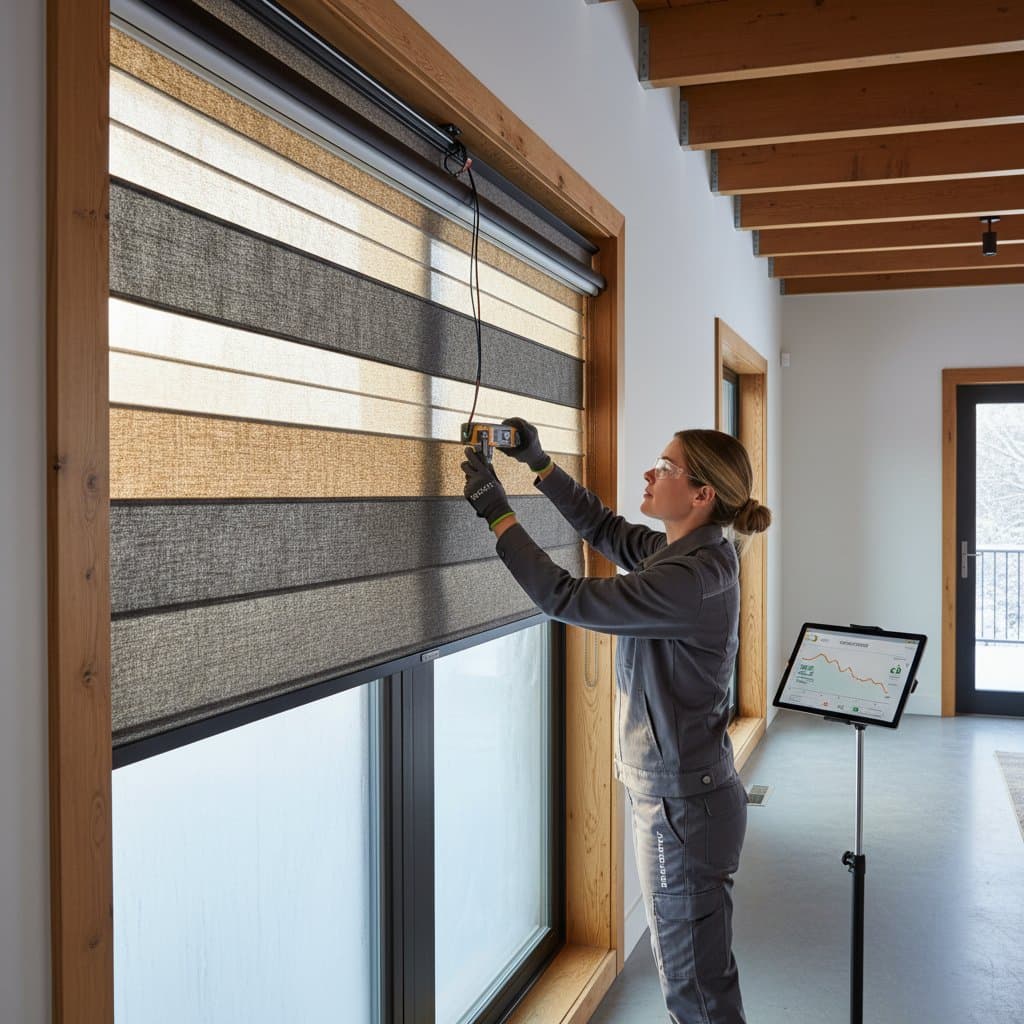
Basic setups require minimal tools for many users. Professionals handle complex, motorized, or bespoke installations to secure seals and functionality.
Do they assist during summer?
Indeed, they repel solar heat influx, cooling interiors and easing air conditioning loads. Insulation properties stabilize climates bidirectionally.
What maintenance do they need?
Standard dusting or vacuuming applies. Steer clear of abrasive cleaners to protect coatings and materials.
Is the 25 percent reduction assured?
Savings depend on window state, weather, and behaviors. Research indicates well-fitted blinds achieve approximately this level for window losses, potentially higher in harsh conditions.
Are sustainable materials offered?
Yes, including recycled polyester, organic cotton, water-based finishes, and non-toxic adhesives. These maintain efficacy with reduced ecological impact.
How do they impact condensation?
They lessen glass temperature gradients to curb moisture, but persistent issues may require ventilation or dehumidification.
Implementing Thermal Blinds
Thermal blinds excel in their straightforward nature. No permits, disruptions, or extended timelines accompany their addition. The impact on comfort and expenses remains profound.
Evaluate your windows for drafts, chill, or heat leakage. Affirmative signs indicate thermal blinds as a wise seasonal enhancement.
For forward-thinking residents, these treatments merge utility with eco-responsibility. They deliver instant energy reductions, daily comfort boosts, and defenses against escalating utilities.
Integrate them with sealants, efficient heaters, or films for a comprehensive efficiency plan that yields ongoing returns.
Enduring Advantages
Benefits accumulate over years past initial savings. Insulated setups quiet exteriors through sound-absorbing fabrics. Stable temperatures ease system demands, prolonging equipment life. Interiors gain UV protection, preserving furnishings from fading.