Key Points
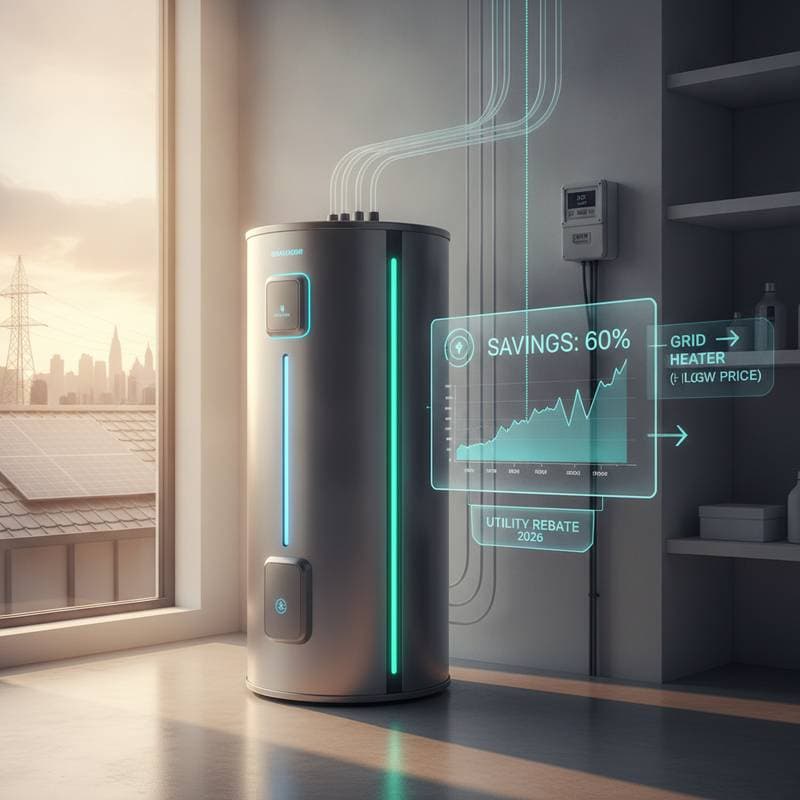
- Heat pump water heaters reduce utility bills by up to 70 percent compared to standard electric models.
- These systems extract heat from surrounding air rather than generating it, which enhances efficiency.
- Proper installation, maintenance, and placement ensure optimal performance and durability.
- Federal and local incentives help offset initial costs and promote affordability.
- A professional installer assesses sizing and location based on climate and home configuration.
Envisioning Greater Home Efficiency
Homeowners often grapple with escalating utility expenses and inconsistent energy consumption. A standard water heater consumes power continuously, particularly in cooler seasons. Consider a scenario where hot water flows reliably while energy demands decrease substantially. Heat pump water heaters provide this level of comfort and efficiency.
This technology suits diverse households beyond specialized eco-friendly designs. Professionals in green building observe that informed homeowners seldom revert to traditional systems once they experience the benefits.
The Inefficiencies of Conventional Water Heating
Standard water heaters generate heat through electric resistance or gas combustion. This direct production demands substantial energy input. Water heating typically represents 15 to 20 percent of a home's total energy usage, resulting in annual losses of several hundred dollars.
In humid or temperate climates, traditional units expend extra energy by opposing ambient conditions rather than leveraging them. This leads to elevated costs and persistent carbon emissions.
Introducing an Intelligent, Sustainable Alternative
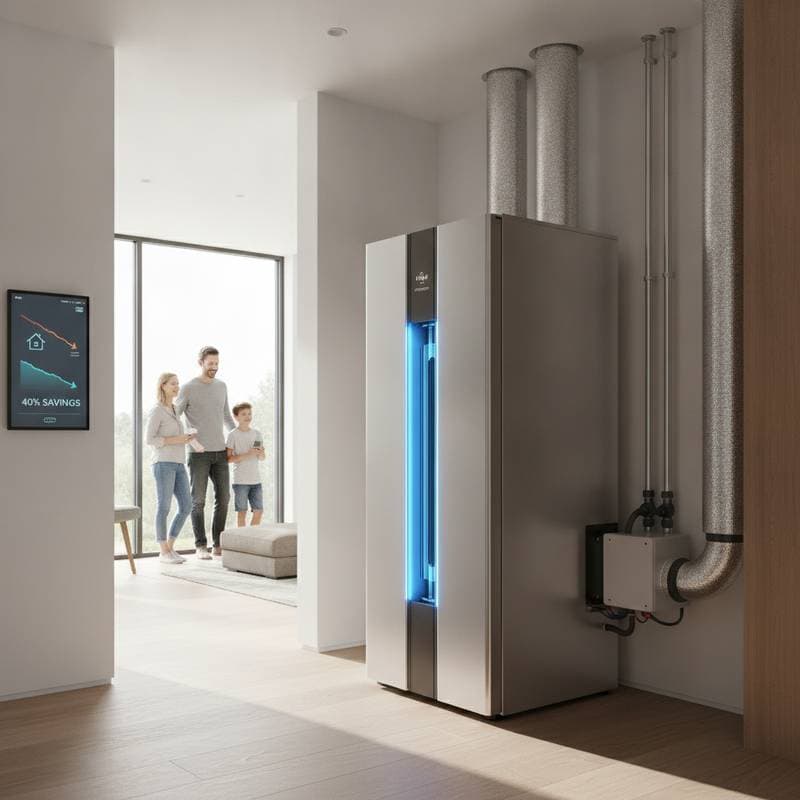
Heat pump water heaters operate by transferring heat rather than producing it. The system draws warmth from ambient air and conveys it to the storage tank, requiring minimal electricity. This mechanism resembles a refrigerator in reverse, where heat moves from one medium to another.
An effectively installed unit consumes up to 70 percent less electricity than conventional electric models. Such efficiency yields considerable savings over time and diminishes environmental effects. Mature technology now offers solutions for various home sizes and regional climates, including hybrid and high-capacity options.
Mechanisms of Savings in Heat Pump Water Heaters
1. Capturing Ambient Heat
The compressor and evaporator coil extract thermal energy from surrounding air and deliver it to the water. This process minimizes electricity usage for heating.
2. Versatile Operating Modes
Units include hybrid, efficiency, and electric settings to adapt to conditions. Efficiency mode optimizes performance in moderate weather, while hybrid mode maintains supply during colder periods without compromise.
3. Dehumidification and Cooling Effects
By pulling heat from air, the system releases cooler, drier air nearby. In humid basements or garages, this improves air quality and mitigates mold risks.
4. Access to Financial Incentives
Numerous areas provide rebates, tax credits, or financing for efficient installations. These benefits, paired with reduced operational expenses, recover initial investments quickly.
Strategies to Enhance Eco-Efficiency
Professionals advise these measures to optimize heat pump water heater performance.
-
Determine Appropriate Capacity: Match the unit to peak hot water needs. An undersized system recovers slowly, whereas an oversized one increases costs unnecessarily.
-
Identify Ideal Placement: Position in areas with good ventilation and stable temperatures, like basements or utility spaces. Steer clear of confined or unventilated spots.
-
Conduct Routine Upkeep: Clean air filters quarterly to sustain heat exchange. Flush the tank yearly to eliminate sediment and preserve efficiency.
-
Account for Acoustics and Space: The compressor emits a mild hum akin to a refrigerator. Maintain several feet of clearance to facilitate airflow and minimize noise.
-
Integrate with Renewables: Pair with solar installations to convert surplus energy into stored heat, amplifying returns on sustainable investments.
Essential Factors for Purchase Decisions
Upfront Investment and Payback
Quality units cost between $1,500 and $3,000, with installation adding $500 to $1,000. Although pricier than basic electric alternatives, annual savings of hundreds of dollars achieve payback in five to seven years.
Adaptation to Local Climate
These systems excel in mild environments. In colder areas, hybrid variants supplement with electric heating for reliability. Placement in conditioned indoor spaces ensures consistent operation.
Positive Environmental Impact
Reduced electricity use lowers emissions, particularly on fossil fuel-dependent grids. One unit averts thousands of pounds of carbon dioxide over its service life.
Assurance of Safety and Durability
Select ENERGY STAR certified models equipped with leak sensors and auto-shutoff. Engage licensed experts for installation to uphold safety standards and warranties.
Regulatory Requirements
Local codes may require plumbing or electrical permits. Consult a green building specialist to navigate approvals and secure incentives.
Steps to Implement the Upgrade
Transitioning to a heat pump water heater supports financial prudence and environmental responsibility. Benefits include decreased expenses, enhanced comfort, and a lighter ecological footprint, all while upholding dependability. Thoughtful planning allows completion in one day, with savings commencing promptly.
Green building experts suggest obtaining quotes from qualified professionals. These specialists evaluate spaces, project savings, and assist with incentive applications. Success depends on accurate sizing, strategic placement, and ongoing care to ensure reliable hot water and sustained efficiency.
Picture a household where routine tasks like showering, washing dishes, and laundering contribute to planetary well-being. Energy-conscious decisions deliver this rewarding outcome. The solutions exist, the advantages prove tangible, and homes stand ready for advancement.
Frequently Asked Questions
Q: What space requirements apply to heat pump water heaters?
A: Units need 700 to 1,000 cubic feet of air volume for effective function, suitable for a standard utility room or basement. Ducted setups can utilize adjacent areas if space limits direct installation.
Q: Is outdoor installation feasible for heat pump water heaters?
A: Viable in regions with minimal freezing and for models designed for exterior use. Indoor placement in controlled environments otherwise guarantees steady operation.