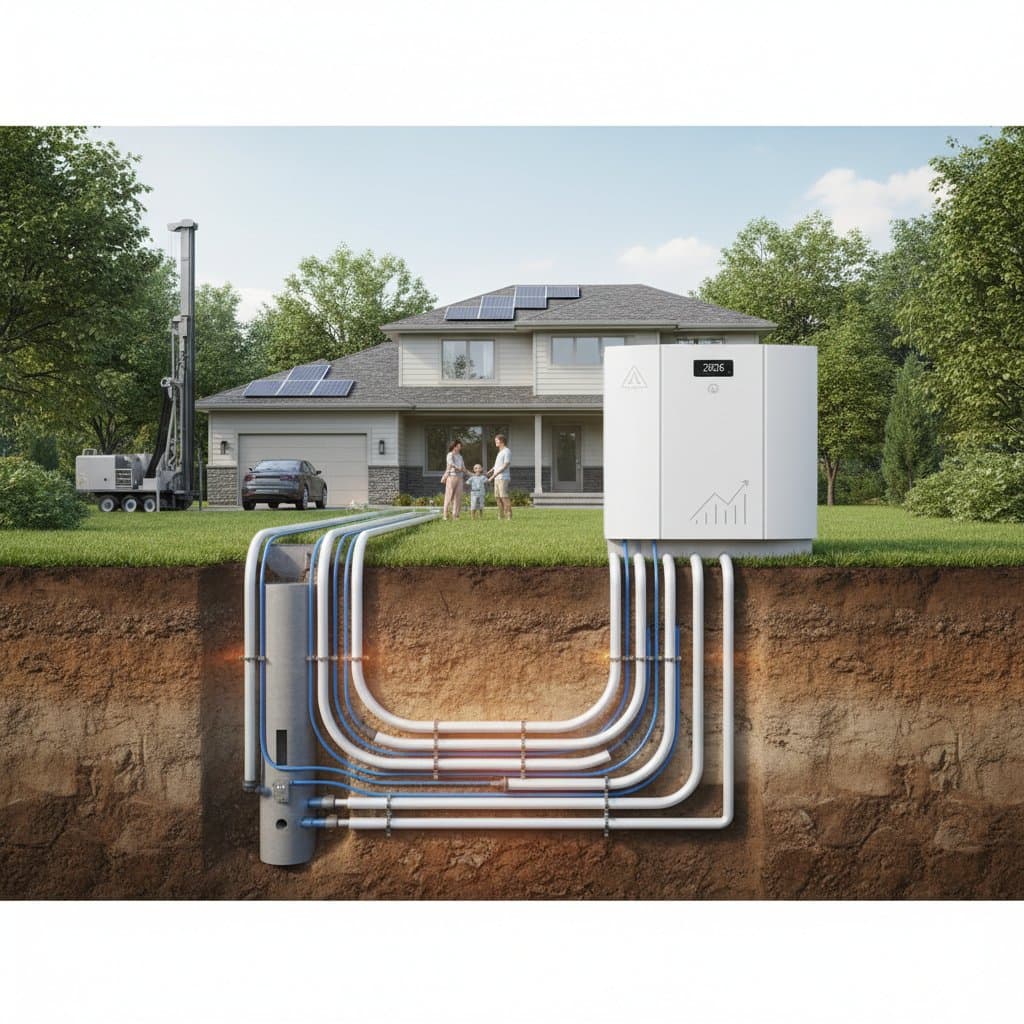
Why Geothermal HVAC Reaches a Turning Point in 2026
Geothermal HVAC systems draw on the stable temperature beneath the ground to deliver heating and cooling. These systems reduce energy consumption by up to half compared with conventional equipment. The combination of new incentives, refined drilling methods, and improved supply chains creates the strongest conditions yet for wider adoption.
Homeowners now see clearer paths to lower utility bills and greater comfort. Installation costs continue to decline while performance improves. The technology moves from limited use to a practical choice for many properties.
Core Advantages of Ground Source Systems
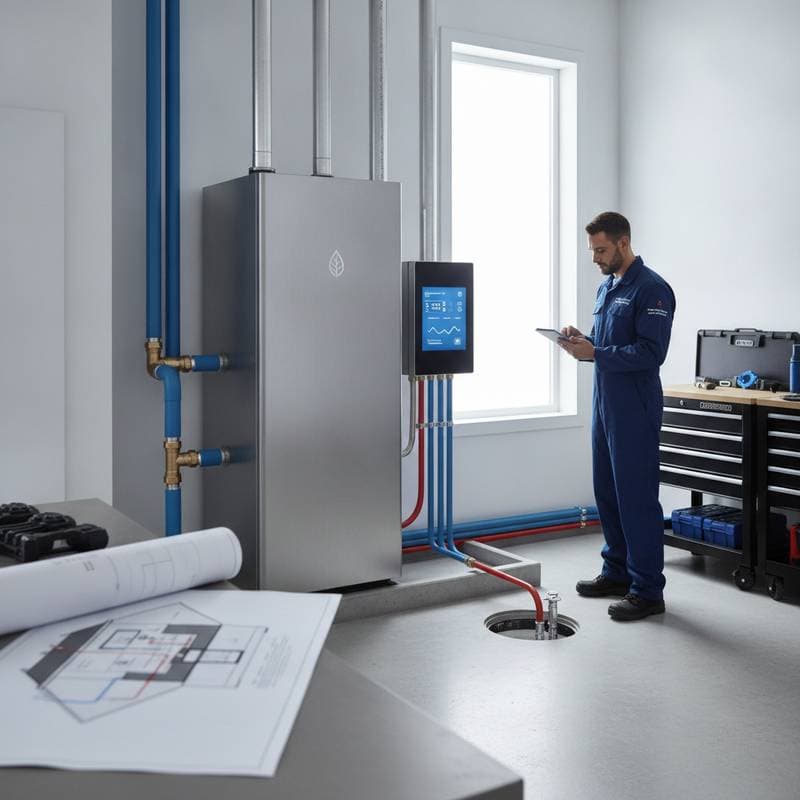
A geothermal unit circulates fluid through underground loops to exchange heat with the earth. In winter the system extracts warmth from the ground. In summer it rejects heat back into the soil. Because ground temperature stays consistent, the equipment maintains high efficiency regardless of outdoor extremes.
Air source heat pumps lose capacity during very hot or cold weather. Geothermal equipment avoids those losses and typically produces three to five units of heating or cooling for every unit of electricity consumed. Annual energy savings often reach 40 to 70 percent depending on climate and local rates.
Recent design changes further increase accessibility. Vertical boreholes now fit smaller lots. Horizontal loops serve larger yards. Modular heat pumps and compact loop configurations allow retrofits in existing homes with limited disruption.
Financial Outlook and Payback
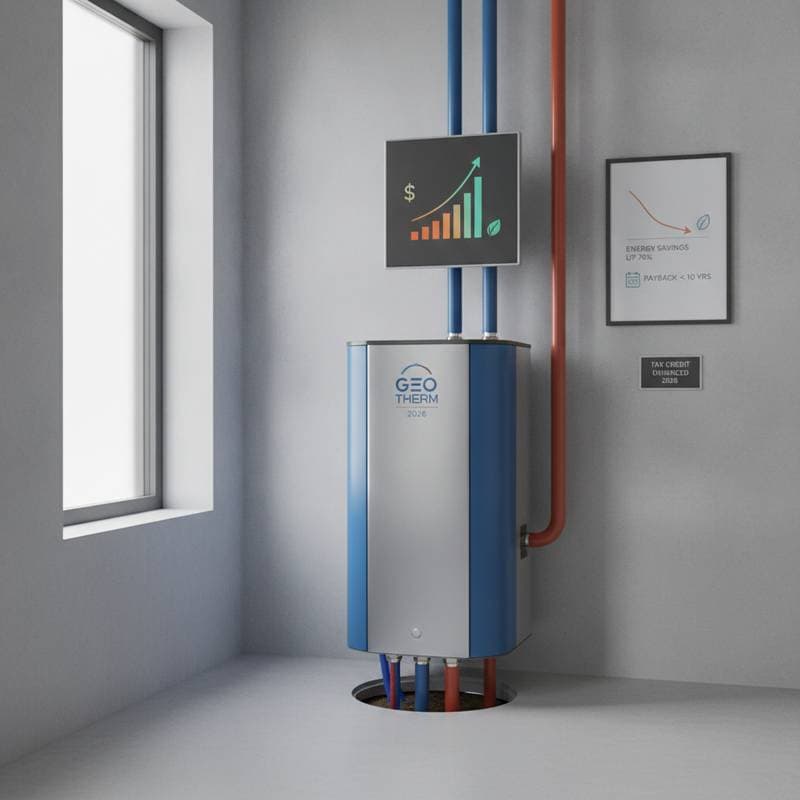
Typical residential installations range from 25000 to 45000 dollars. Smaller systems and shared loops can reduce that figure. Annual savings between 1500 and 3000 dollars produce payback periods of six to ten years for most households.
After the initial investment is recovered, operating costs remain low. Routine maintenance and modest electricity use for the pump are the primary expenses. Many owners also record a 5 to 10 percent increase in resale value.
The long service life adds further value. Indoor components often last more than 25 years. Ground loops frequently exceed 50 years. Stable energy costs protect against future price swings.
Health, Comfort, and Reliability Gains
Absence of combustion improves indoor air quality and removes carbon monoxide concerns. Operation stays quiet because the main equipment sits indoors. Consistent temperatures and humidity levels reduce drafts and hot spots.
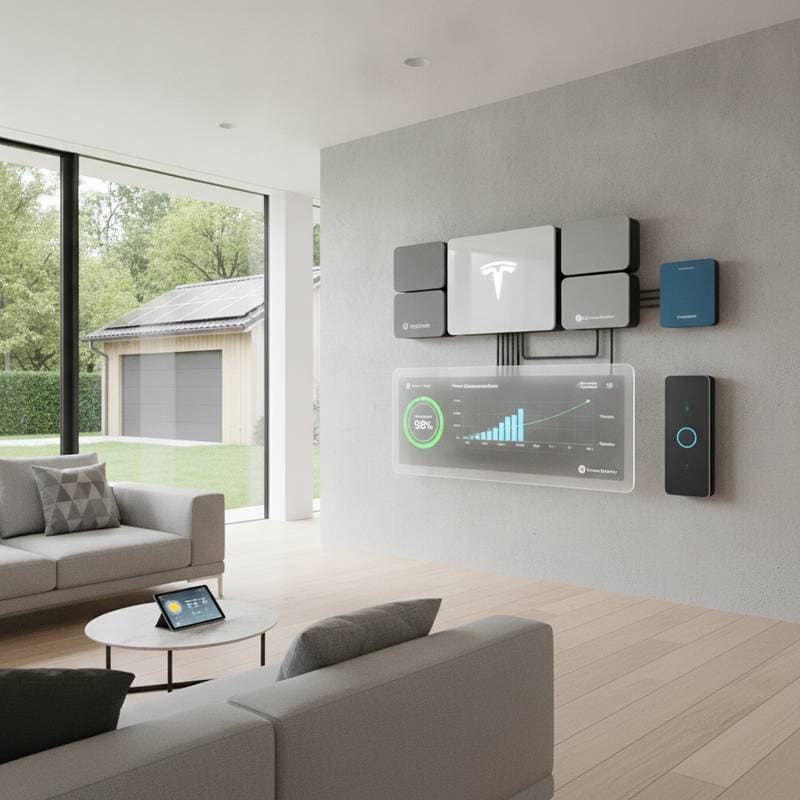
During power outages, geothermal systems paired with battery storage or solar can maintain basic comfort more efficiently than conventional units. This capability appeals to households that value resilience.
Recent Technology Developments
High density polyethylene piping now offers better thermal transfer and longer life. Compact drilling rigs shorten installation time and reduce site disturbance. Variable speed compressors and smart controls match output to demand, lowering energy spikes.
Shared loop systems serve multi family buildings at lower per unit cost. Integration with home automation platforms allows remote monitoring and performance tracking. These advances make geothermal competitive with premium air source options on total lifecycle cost.
Environmental and Market Effects
Each installation cuts greenhouse gas emissions by several tons of carbon dioxide equivalent per year. Properties with geothermal equipment often sell faster and attract buyers who value lower operating costs.
Next Steps for Homeowners
Compare current energy use and equipment age. If replacement is near, request a site assessment from a certified installer. Verify soil conditions, lot size, and heating load to select the right loop type. Obtain multiple bids that include performance projections and confirm accreditation through recognized industry groups.