Why Homeowners Choose Electric Systems Over Gas
When you step into a freshly built or renovated home today, you might notice something missing. The familiar blue flame beneath the stove is gone, replaced by a sleek glass surface that heats your pan instantly. The furnace hum has softened into the quiet efficiency of a heat pump. Across the country, homeowners are choosing to move away from gas powered systems and toward fully electric living. The shift reflects a growing awareness of cost, health, and sustainability benefits that electric systems offer.
Practical Benefits at a Glance
- Electric homes can lower annual energy bills by up to 25 percent when paired with efficient technologies like heat pumps and induction cooktops.
- Induction cooking delivers heat to pans almost twice as fast as gas while keeping indoor air cleaner.
- Electric heat pumps provide both heating and cooling, often cutting carbon emissions by more than 40 percent compared to gas furnaces.
- Government incentives and rebates can offset thousands of dollars in upfront costs.
- Homeowners report improved indoor air quality and comfort after switching to electric systems.
The New Appeal of Electric Living
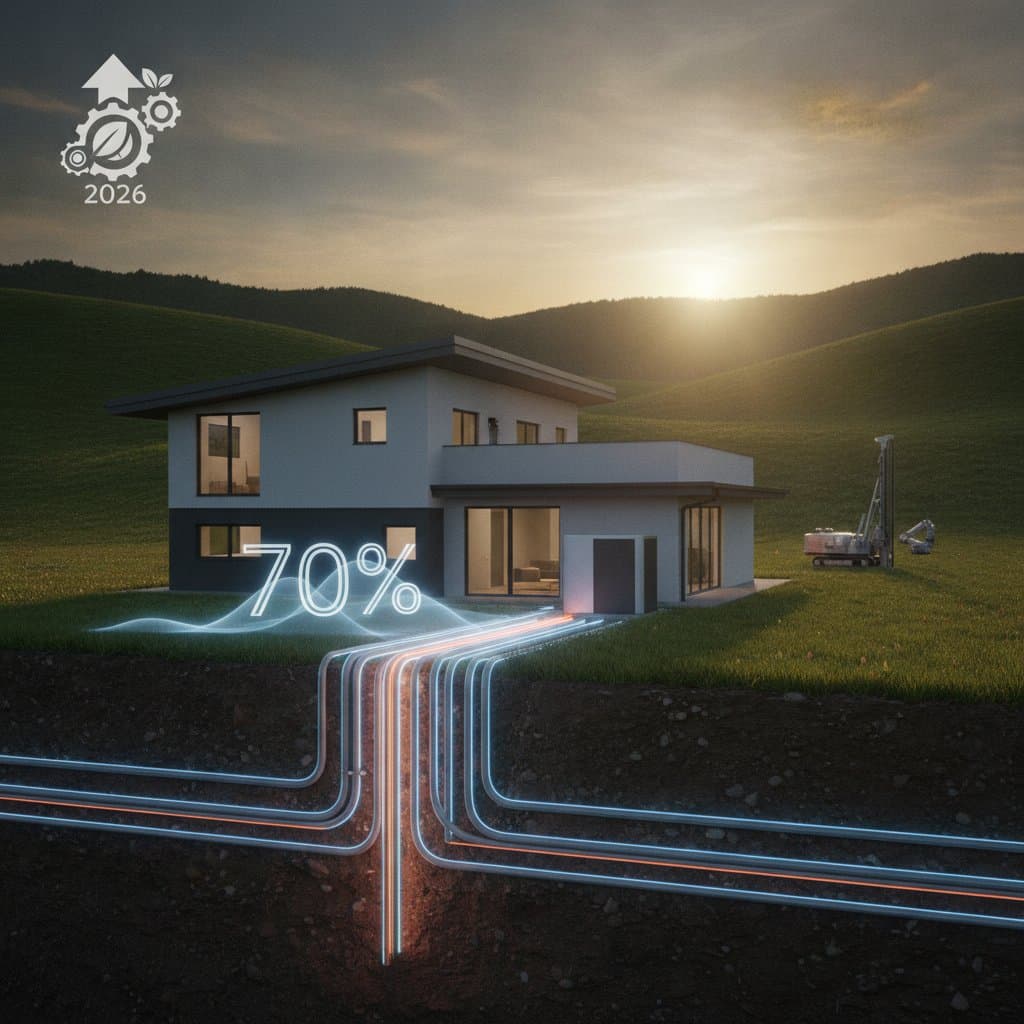
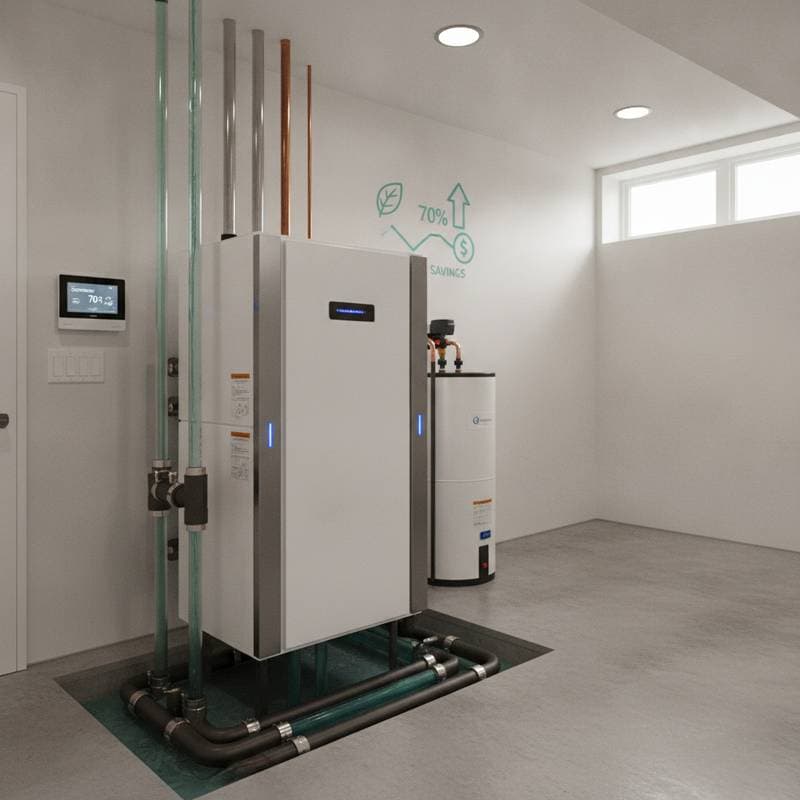
The move toward electric homes is driven by a mix of practical and environmental motivations. For many homeowners, the decision starts with energy bills. Modern electric systems, particularly heat pumps, use electricity far more efficiently than gas appliances consume fuel. A typical air source heat pump can deliver three to four units of heat for every unit of electricity used. By comparison, even the best gas furnaces rarely exceed 95 percent efficiency.
Experts from the American Council for an Energy Efficient Economy report that home electrification can reduce total household energy use by 20 to 30 percent when combined with basic efficiency improvements like insulation and smart thermostats. That means you can save money while also reducing your reliance on fossil fuels.
The Hidden Costs of Gas
Gas appliances have long been considered reliable, but they come with hidden drawbacks. Studies from independent indoor air quality researchers show that gas stoves can release nitrogen dioxide and carbon monoxide into kitchens, sometimes exceeding recommended health limits. Children and those with respiratory conditions are particularly sensitive to these pollutants.
Electric induction cooktops avoid this problem entirely. They use magnetic energy to heat cookware directly, producing no combustion byproducts. The result is a cleaner, safer kitchen that stays cooler and easier to maintain. Many chefs now prefer induction for its speed, precision, and control.
Comparing Costs and Performance
The biggest hesitation homeowners often have is the perceived cost of switching. While the upfront investment in electric systems can be higher, the long term economics tell a different story.
| Appliance Type | Typical Upfront Cost | Annual Operating Cost | Efficiency Rating |
|---|---|---|---|
| Gas Furnace | Moderate | Higher | 80-95% |
| Electric Heat Pump | Higher | Lower | 300-400% |
| Gas Range | Lower | Moderate | 35-40% |
| Induction Cooktop | Moderate | Lower | 85-90% |
Government programs and utility rebates can further reduce installation costs. In many regions, homeowners can receive incentives covering 25 to 50 percent of the price of electric heat pumps, water heaters, or panel upgrades. Over time, lower energy usage offsets the initial expense, making electrification a sound financial choice.
Health and Comfort Upgrades
Beyond efficiency, comfort is a major selling point. Heat pumps maintain consistent indoor temperatures without the hot and cold swings that gas furnaces can create. Because they can both heat and cool, you gain year round climate control from one system. Noise levels are also dramatically lower, with most modern units operating at a whisper.
In kitchens, induction cooking has become a quiet revolution. You can boil water in under two minutes, wipe spills instantly from the cool glass surface, and enjoy a more pleasant environment without the lingering smell of gas combustion. For parents or pet owners, this also means fewer burn risks and cleaner air.
Dr. Maria Chen, an environmental health researcher, said, "The move to all electric homes is not just an energy trend. It represents a public health improvement that directly benefits families, especially children."
The Environmental Edge
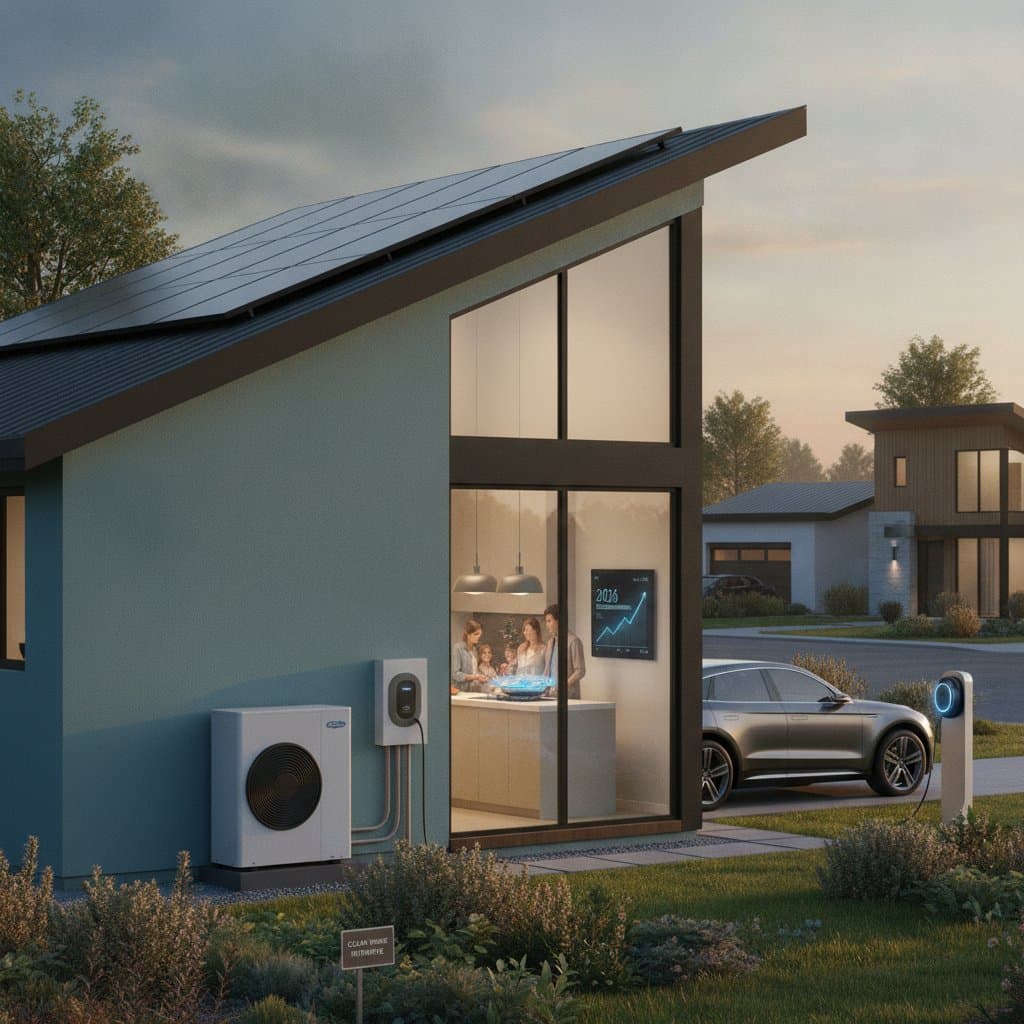
Switching to electric systems is also a measurable step toward reducing household emissions. When powered by a cleaner electricity grid or paired with rooftop solar panels, electric homes can cut their carbon footprint substantially. The U.S. Environmental Protection Agency reports that residential gas use contributes nearly 13 percent of total building emissions nationwide. Replacing gas appliances with efficient electric alternatives can cut this figure nearly in half.
This transition supports broader goals for cleaner communities. Electric appliances eliminate combustion inside homes, reducing local air pollution that often affects urban neighborhoods disproportionately. As utilities expand renewable energy sources, every electric appliance becomes cleaner over time without homeowners needing to make additional upgrades.
Planning Your Transition
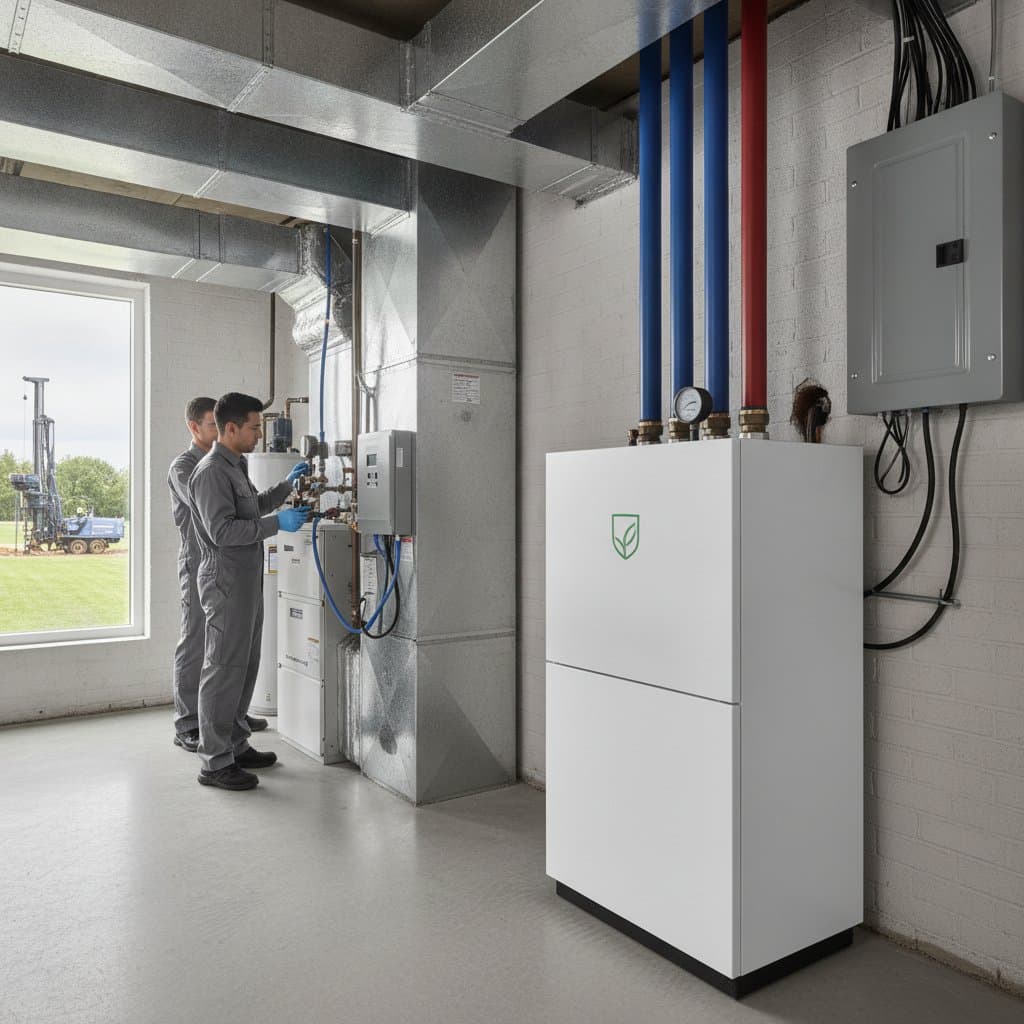
Switching to electric living does require planning. Some homes need electrical panel upgrades to support new appliances. Typical costs range from a few hundred to several thousand dollars depending on the system age and capacity. Homeowners should also evaluate insulation and window quality to ensure maximum benefit from electric heating and cooling.
For older homes, gradual conversion can be a practical strategy. Start with the most frequently used appliances, such as the stove or water heater, then move on to heating and cooling systems. Combining upgrades with solar installation or weatherization projects can compound savings and improve comfort immediately.
Taking the First Steps
If you are considering an electric transition, start by scheduling an energy audit. This assessment identifies where your home loses energy and helps prioritize upgrades. From there, research local rebates for heat pumps, induction ranges, and panel upgrades. Many utilities also offer low interest financing for energy efficient appliances.
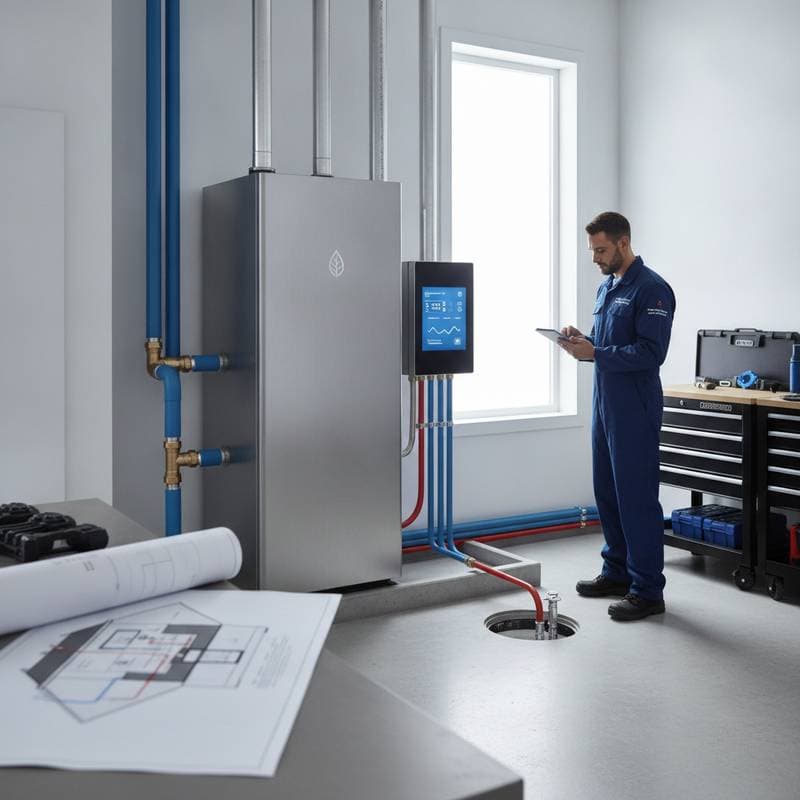
Next, consult licensed contractors experienced in electrification projects. Ask for performance data comparing electric and gas systems specific to your climate.
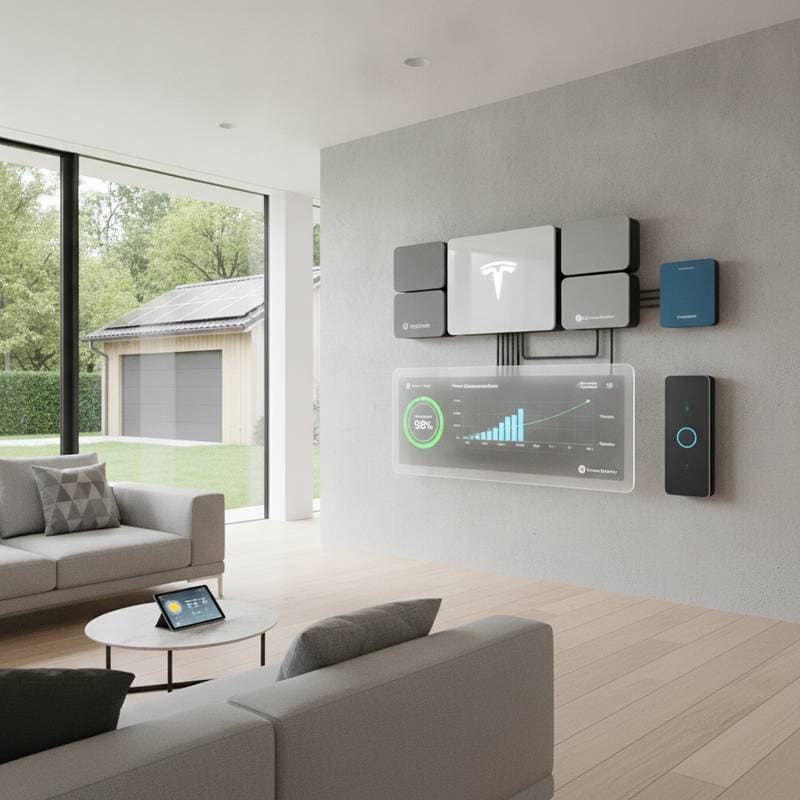
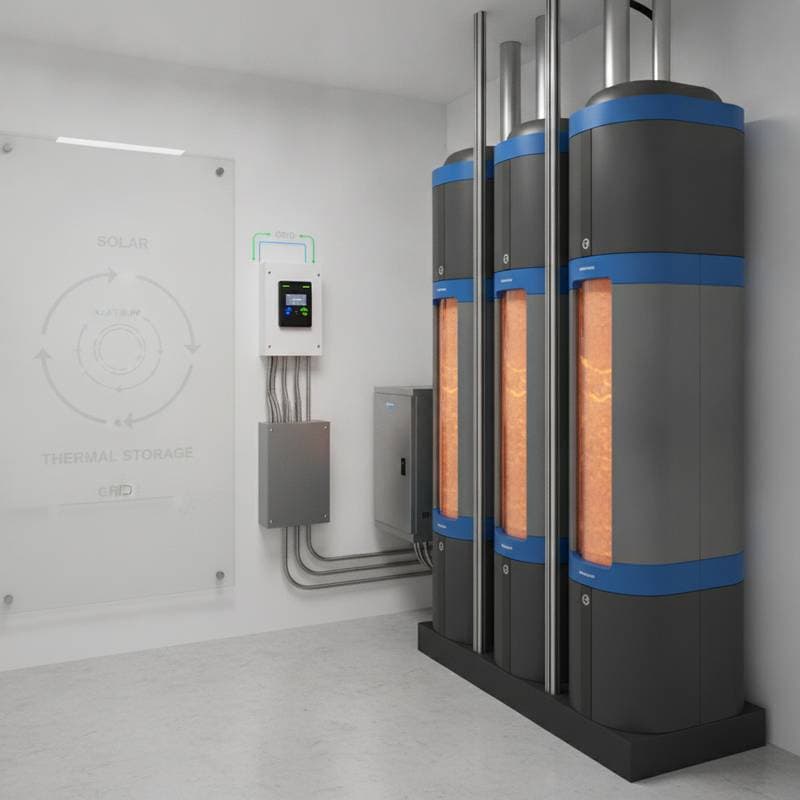
Finally, think long term. Electric homes are more adaptable to future technologies, including smart energy management and battery storage. By making the switch, you are not only lowering your bills and improving indoor air quality. You are investing in a cleaner, safer, and more resilient home. The electric future is not a distant concept.