Key Points
- Homeowners may save up to 60 percent on geothermal cooling systems through incentives expected in 2026.
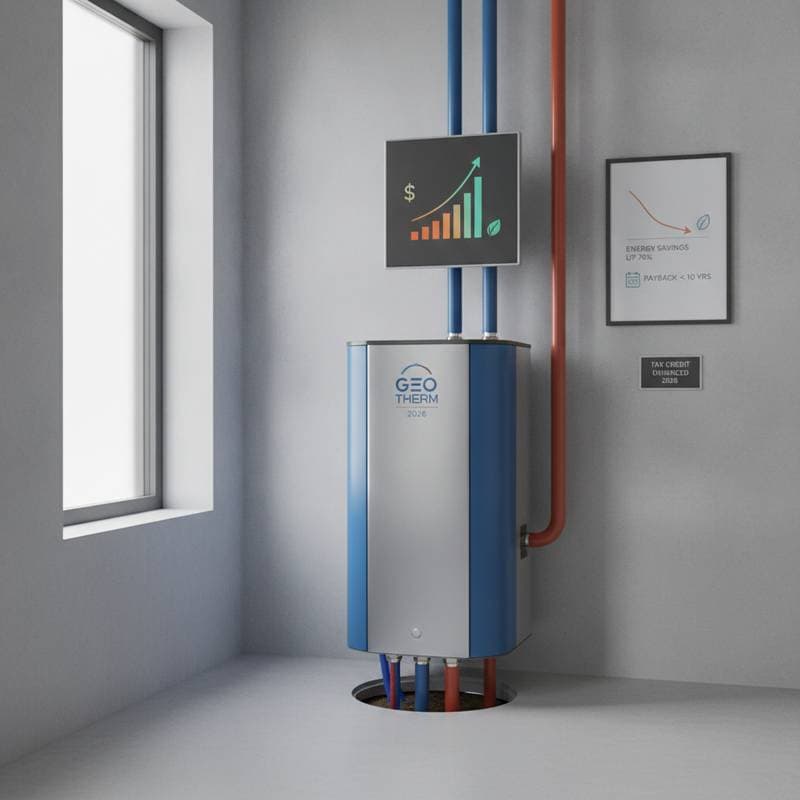
- Ground-source heat pumps lower energy use by up to 70 percent relative to conventional air conditioners.
- Professional installation and soil suitability evaluations prove essential prior to system commitment.
- Long-term savings typically offset upfront costs within several years of operation.
Imagine Your Home Harnessing Earth's Stable Coolness
In my role as a green building professional, I have observed numerous homeowners grappling with elevated summer energy expenses while pursuing indoor comfort. Envision warm afternoons when your air conditioner operates continuously, yet the home environment remains unsatisfactory. The air cools but dries out, the electricity meter advances rapidly, and financial resources diminish. Now consider a residence that silently extracts cooling from the ground below, where earth's temperature maintains steady comfort. This represents geothermal cooling, and with forthcoming programs providing up to 60 percent savings, the moment to investigate proves ideal.
Addressing High Energy Expenses and Seasonal Demands
In various regions, conventional air conditioning systems constitute almost half of household electricity consumption during warmer periods. As temperatures increase, energy bills escalate accordingly. Older heating, ventilation, and air conditioning units exacerbate the problem by releasing refrigerants and squandering energy due to inefficiency. Homeowners desiring sustainable solutions must balance upfront expenditures with enduring savings and ecological accountability.
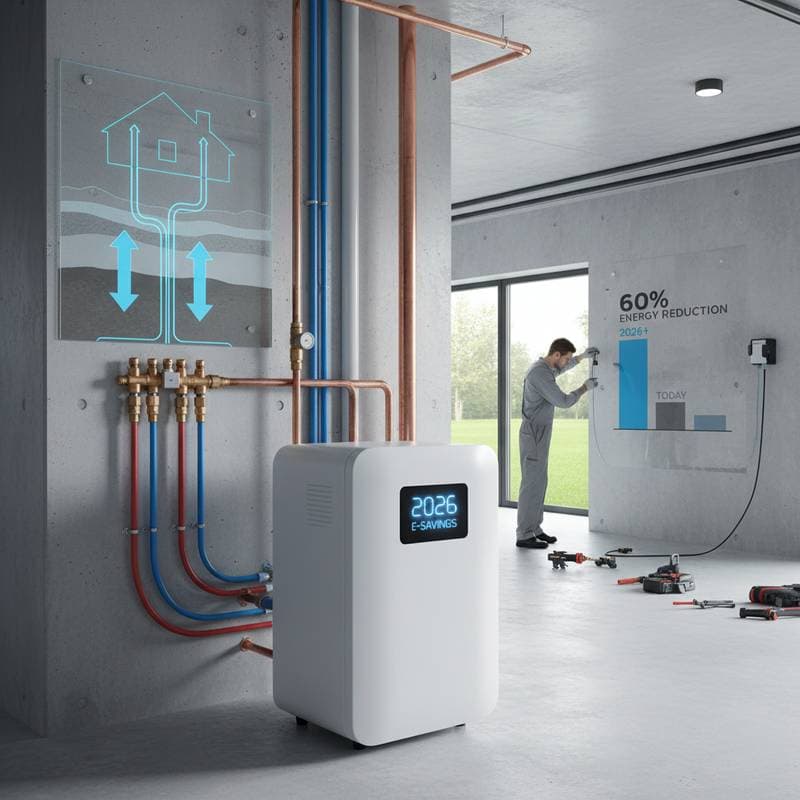
Geothermal systems, known as ground-source heat pumps, address these issues by accessing consistent temperatures several feet underground. This inherent stability enables the system to extract heat from the home in summer and introduce warmth during winter, all with limited energy loss. Such efficiency stems from leveraging earth's thermal mass rather than relying on outdoor air fluctuations.
Reasons Geothermal Cooling Warrants Consideration
Through extensive field experience, I have noted that geothermal technology frequently impresses homeowners with its unobtrusive dependability. A properly engineered system substantially decreases energy use, potentially reducing cooling expenses by up to 70 percent. It further diminishes greenhouse gas emissions and removes the external noise associated with standard compressor units.
When integrated with rebates and tax credits, the upfront expenses for equipment and installation appear more manageable. Numerous homeowners recoup their investment in five to seven years via energy reductions alone, and these systems endure for decades requiring scant upkeep. The longevity arises from durable components designed for underground stability and minimal exposure to weather elements.
Steps to Achieve 60 Percent Savings
1. Arrange a Professional Site Evaluation
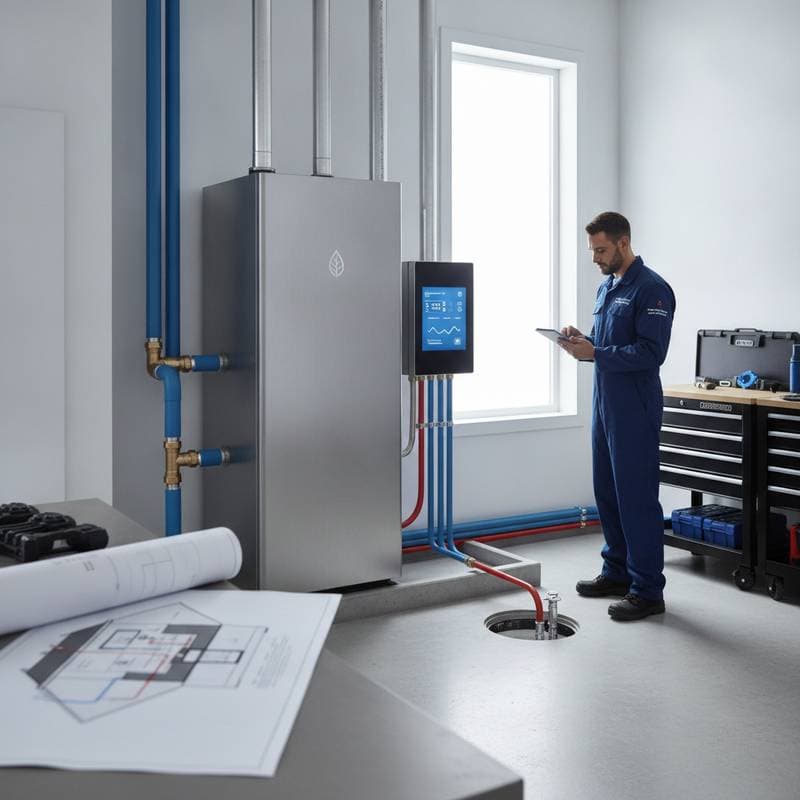
Prior to proceeding, engage a certified geothermal specialist to assess your property. Factors such as soil composition, moisture content, and land availability dictate the suitability of vertical or horizontal loops. This evaluation generally costs between $300 and $600, with credits often applied toward installation upon approval.
2. Examine Incentive Options
Programs differ by location, yet many integrate federal and regional rebates. Certain initiatives offset up to 60 percent of equipment and installation fees. Consult your installer or local energy authority for assistance with applications and required paperwork.
3. Select an Appropriate System
Ground-source heat pumps feature closed-loop or open-loop designs. Closed-loop variants circulate a water-based fluid through enclosed underground conduits, whereas open-loop types utilize groundwater sources directly. Selection hinges on water access, site configuration, and regulatory requirements. For instance, properties with ample groundwater favor open-loop for simplicity, while limited resources suit closed-loop efficiency.
4. Prepare for Installation
A standard residential setup costs $18,000 to $30,000 prior to incentives. The process spans one to two weeks, influenced by drilling extent. Confirm that your installer adheres to local building codes and possesses geothermal credentials to ensure compliance and performance.
5. Implement Monitoring and Maintenance
After installation, arrange yearly inspections for pumps and fluid integrity. Systems demand only routine verifications, with infrequent part replacements. A well-maintained unit can operate effectively for 25 years or longer, preserving efficiency over time.
Strategies to Enhance Home Eco-Efficiency
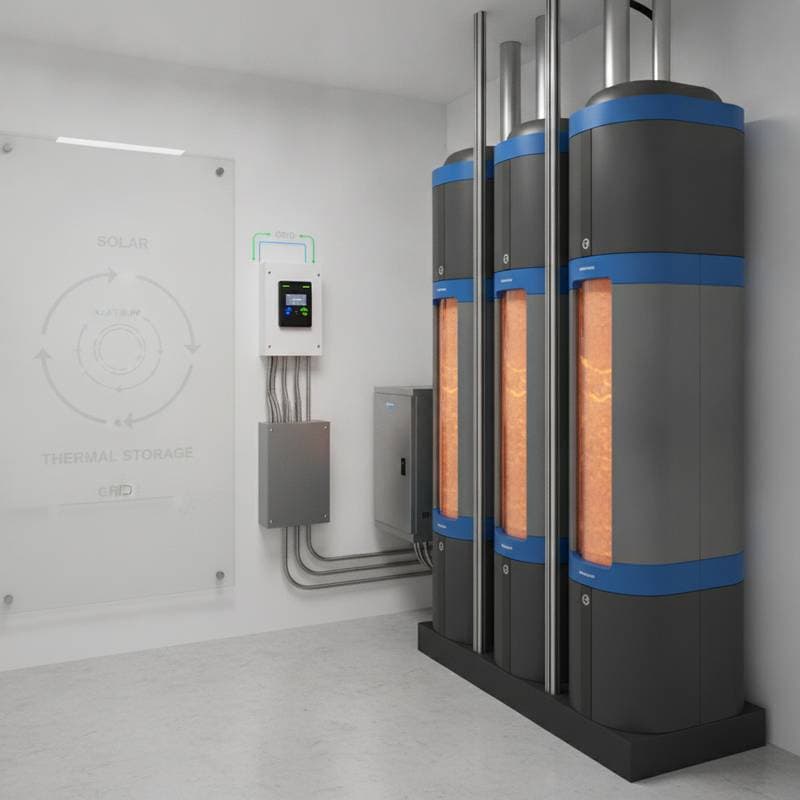
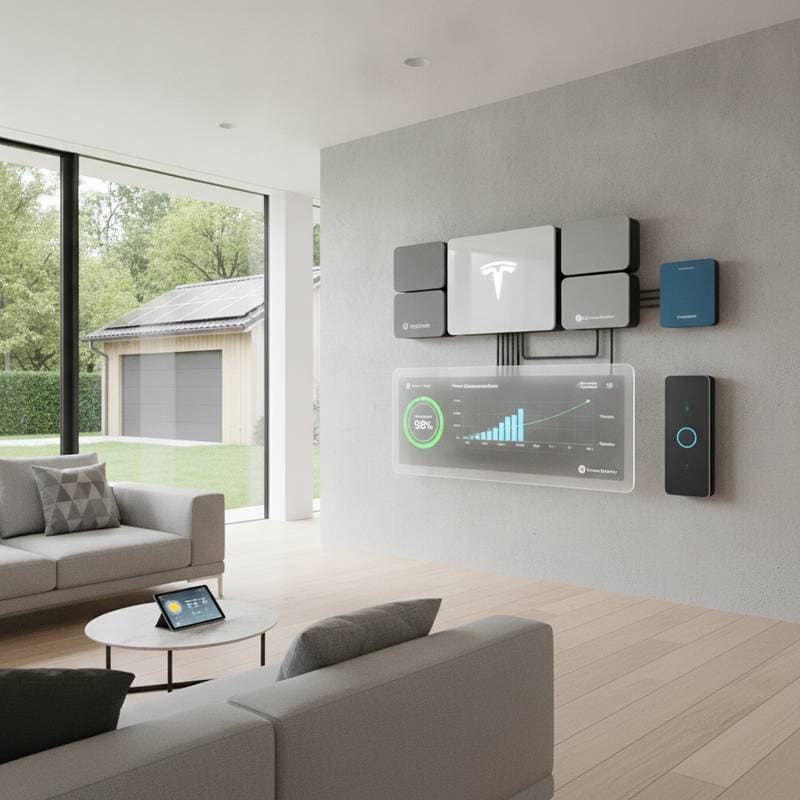
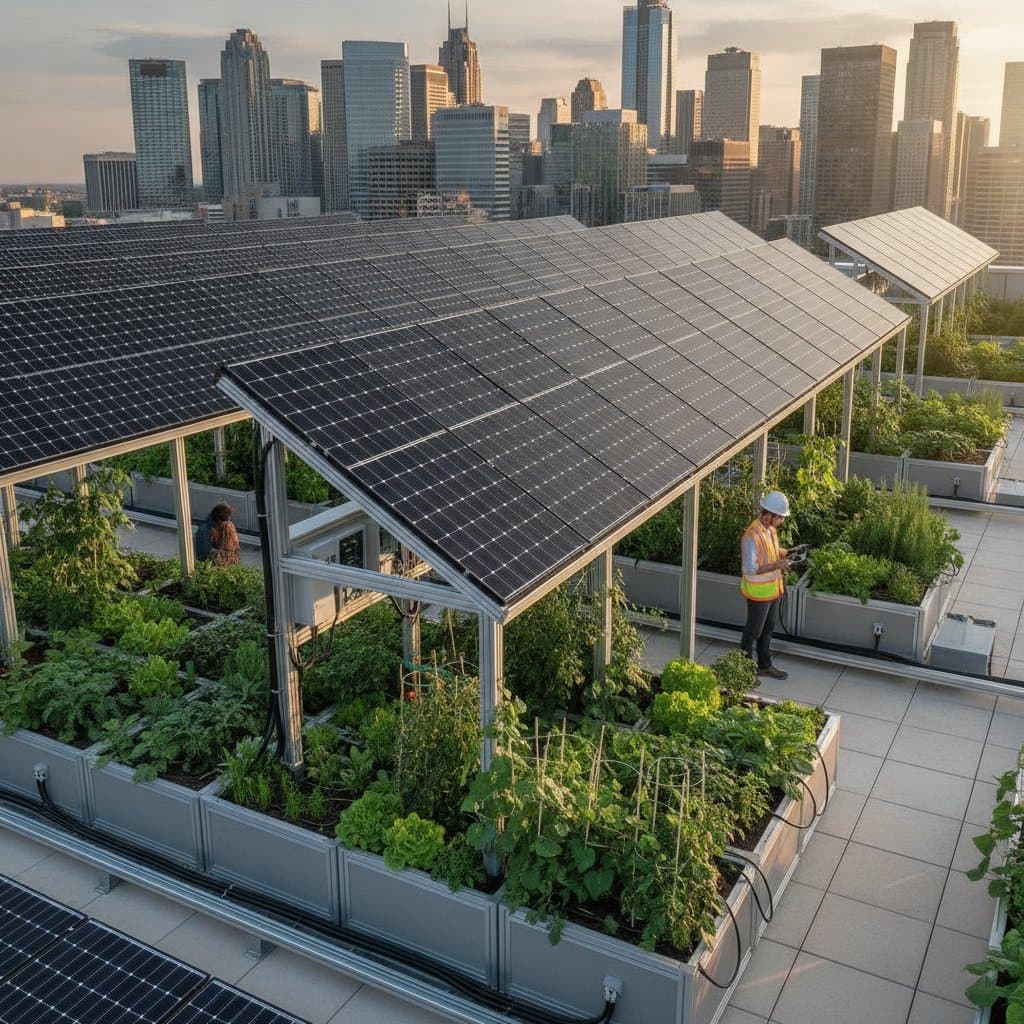
- Integrate geothermal cooling with solar panels to approach net-zero energy consumption.
- Address air leaks and improve insulation to lessen system workload.
- Install smart thermostats for precise control and performance monitoring.
- Regulate humidity to optimize indoor comfort and system output.
Consider adding passive design elements, such as strategic shading from trees or awnings, to complement the geothermal setup. These measures amplify savings by reducing the demand on the heat pump during peak heat.
Essential Factors for Homeowners
As a green building specialist, I advise treating geothermal cooling as an investment in energy and quality of life. Success depends on meticulous planning and expert execution. Although initial outlays may appear substantial, the reliable comfort, silent function, and diminished ecological impact provide exceptional returns. Every saved kilowatt-hour supports planetary cooling and fortifies home resilience against rising energy prices.
Frequently Asked Questions
What distinguishes geothermal cooling from traditional air conditioning?
Geothermal cooling employs ground-source heat pumps to transfer heat using stable underground temperatures, achieving greater efficiency than air-based systems that combat variable outdoor conditions.
How soon can I expect payback on a geothermal system?
Most installations yield payback in five to seven years through energy savings, accelerated by incentives covering up to 60 percent of costs.
Is geothermal suitable for all properties?
Suitability varies by soil type, land space, and water access; a professional site assessment determines feasibility for your location.
What maintenance does a geothermal system require?
Annual professional checks suffice, focusing on fluid levels and pump operation, with systems designed for 25-plus years of service.
Can geothermal systems heat as well as cool?
Yes, ground-source heat pumps provide both heating and cooling, often reducing overall annual energy use by up to 70 percent.
Advancing Toward Sustainable Comfort
To initiate geothermal cooling adoption, contact certified professionals for rebate verification, soil analysis, and customized quotes. Upon completion, enjoy consistent, earth-derived cooling that stabilizes energy costs and elevates indoor living. This transition not only eases financial pressures but also aligns your home with broader environmental goals, fostering a more sustainable future.