Reclaimed Materials and Sustainability in Eco-Conscious Remodeling
Reclaimed materials gain prominence in modern remodeling projects as homeowners prioritize environmental responsibility alongside aesthetic appeal. These resources, sourced from deconstructed buildings, industrial sites, or natural salvage, provide unique textures and stories that mass-produced alternatives cannot match. In 2026, eco-conscious remodeling embraces these elements to create spaces that honor the past while safeguarding the future.
The shift toward sustainability addresses pressing global challenges, including resource depletion and climate change. By incorporating reclaimed items, remodels minimize the demand for new raw materials and divert waste from landfills. This approach not only conserves energy but also fosters a deeper connection to craftsmanship and history.
Understanding Reclaimed Materials
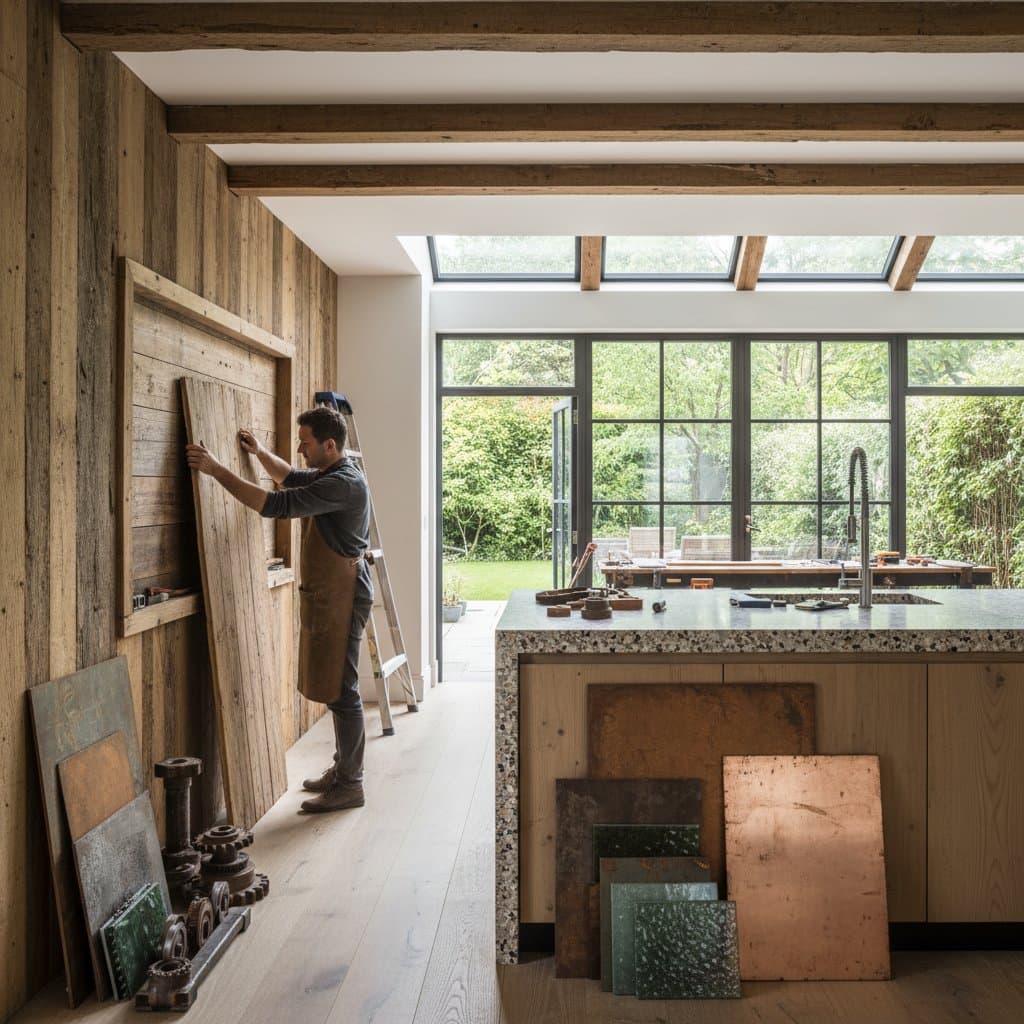
Reclaimed materials encompass a variety of substances repurposed from their original use. Wood from old barns or ships offers weathered grains and rich patinas ideal for flooring or cabinetry. Metal elements, such as vintage steel beams or copper pipes, bring industrial strength and subtle aging to structural features.
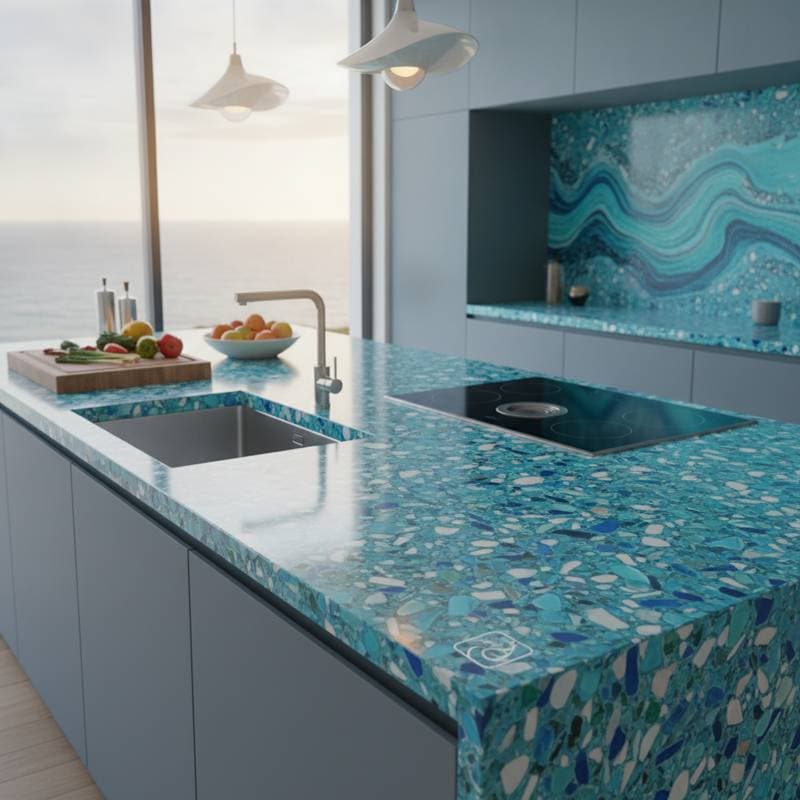
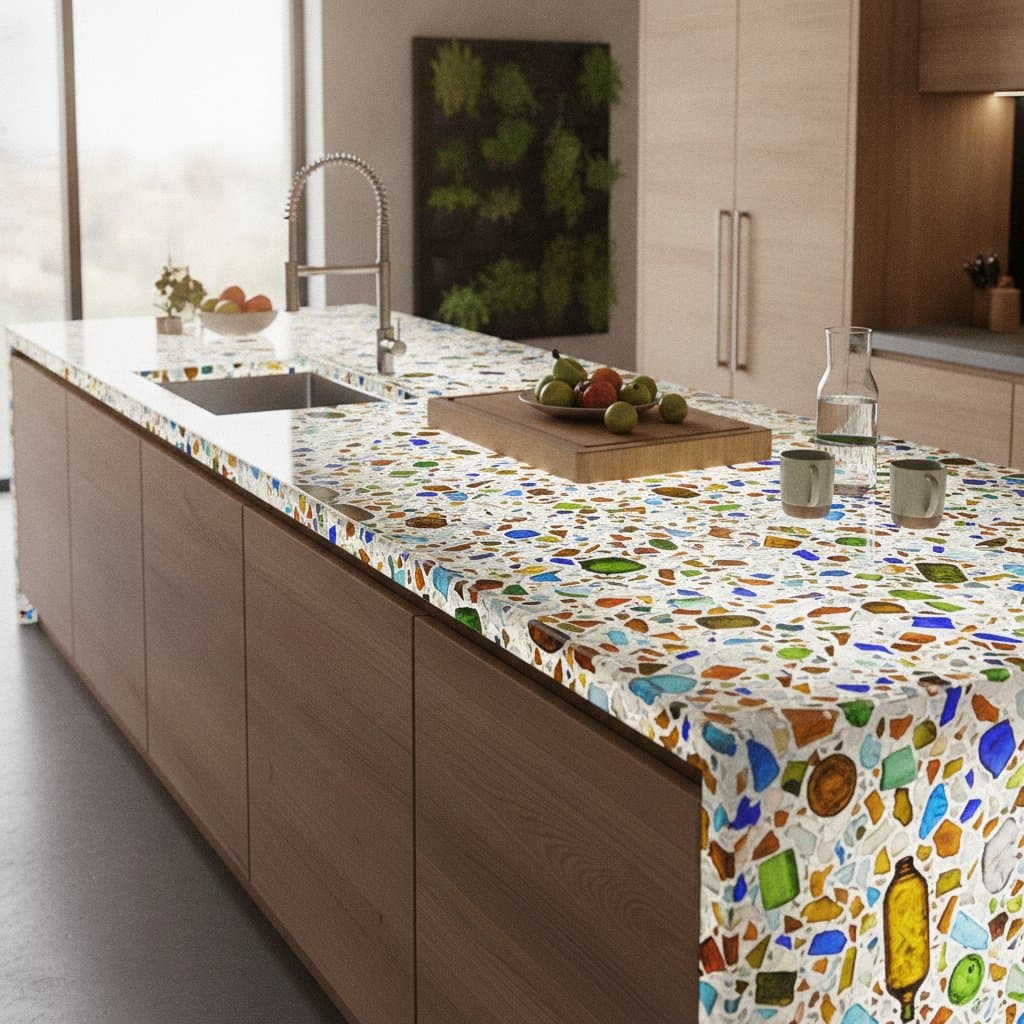
Glass, often salvaged from demolished structures, provides translucent accents for windows or decorative panels. Each type carries inherent durability, proven through years of prior service. Homeowners select these based on project needs, ensuring compatibility with contemporary building codes.
Sustainability defines the core value of reclaimed options. Production of new materials consumes vast amounts of water, energy, and fossil fuels. Reclaimed alternatives bypass this process, reducing greenhouse gas emissions by up to 50 percent in some cases.
Key Benefits for Eco-Conscious Homes
Incorporating reclaimed materials yields environmental advantages that extend beyond immediate savings. These choices lower the overall carbon footprint of a remodel by reusing existing resources. Landfill diversion prevents methane release, a potent contributor to global warming.
Aesthetic benefits enhance living spaces with one-of-a-kind details. The natural variations in color and texture create visual interest that evolves over time. This authenticity appeals to buyers in resale markets, potentially increasing property value by 5 to 10 percent.
Practical gains include cost efficiency and longevity. Many reclaimed items prove more robust than new counterparts due to their seasoned quality. Maintenance requirements often decrease, as inherent treatments from prior exposure resist wear.
- Environmental impact reduction through waste minimization.
- Unique design elements that personalize interiors.
- Long-term durability that supports sustainable living.
Sourcing Reclaimed Materials Effectively
Locating quality reclaimed materials requires strategic planning. Architectural salvage yards serve as primary hubs, stocking items from historic demolitions. Online marketplaces connect suppliers with local availability, allowing previews of inventory.
Visit sites like urban reclamation centers or rural barns for direct selection. Inspect pieces for structural integrity, checking for rot, cracks, or contaminants. Certifications from organizations focused on ethical sourcing ensure materials meet safety standards.
Budget for transportation and storage, as larger items demand specialized handling. Network with contractors experienced in sustainable projects for reliable leads. Start small with accents like hardware or tiles to build confidence before major investments.
Consider seasonal availability; spring cleanouts yield abundant wood, while industrial closures provide metal hauls. Document origins to share the material's story, enhancing the narrative of your remodel.
Preparing and Installing Reclaimed Elements
Preparation transforms raw reclaimed materials into functional components. Clean wood surfaces with mild solutions to remove dirt without stripping patina. Sand metal lightly to eliminate rust while preserving character.
For glass, polish edges and verify shatter resistance. Professional assessment identifies treatments needed, such as sealing against moisture or reinforcing for load-bearing roles. Allocate time for this phase, as it ensures seamless integration.
Installation demands skilled labor to align with modern standards. Secure wood beams with hidden fasteners for a clean look. Integrate metal accents using welding or bolting techniques that maintain flexibility.
Hire certified installers familiar with reclaimed applications. They address challenges like irregular shapes through custom adaptations. Post-installation, apply eco-friendly finishes to protect without harmful chemicals.
Follow these steps for success:
- Assess material condition upon acquisition.
- Apply necessary cleaning and treatments.
- Collaborate with experts for precise fitting.
- Test stability before full use.
Design Tips for Seamless Integration
Design with reclaimed materials begins with a cohesive vision. Pair salvaged wood floors with neutral walls to highlight natural tones. Use metal shelving in kitchens for a rustic-industrial vibe that complements appliances.
Incorporate glass partitions to divide spaces while allowing light flow. Balance bold pieces with minimalist elements to avoid overwhelming the room. Sketch layouts that showcase material stories, such as labeling a beam's origin.
Consider scale; oversized reclaimed doors create dramatic entries, while smaller fragments work in mosaics. Lighting enhances textures, so position fixtures to accentuate grains and finishes. Consult interior specialists for harmony across styles.
Adapt to room functions: Reclaimed wood suits warm living areas, metal energizes workspaces. Experiment with combinations, like wood and glass for eco-modern baths. These choices elevate daily experiences through thoughtful, sustainable design.
Costs and Practical Considerations
Reclaimed materials vary in price based on rarity and condition. Expect to pay 20 to 40 percent less than new equivalents for common items like barn wood. Premium pieces, such as antique glass, command higher rates due to scarcity.
Factor in preparation expenses, which add 10 to 15 percent to totals. Installation costs rise slightly for custom work but offset through longevity. Compare quotes from multiple suppliers to optimize budgets.
Availability fluctuates, so plan ahead for timelines. Ensure compliance with local regulations, as some areas restrict certain salvaged uses. Weigh these against benefits: initial investments yield savings in energy and maintenance over decades.
Track expenses with detailed logs. Seek grants for green projects to subsidize costs. This approach makes eco-conscious remodeling accessible and rewarding.
Advancing Your Sustainable Remodel
Embracing reclaimed materials positions your home at the forefront of 2026 trends. These choices deliver immediate environmental impact and enduring style. Start by auditing current spaces for integration opportunities.
Consult resources within your community for inspiration and support. Each project contributes to broader sustainability goals, inspiring others to follow. Transform your remodel into a legacy of responsible living that benefits generations ahead.