Why Geothermal Leads Energy Savings in 2025
Homeowners often envision the future of energy efficiency through visible innovations like solar panels or battery storage. However, an underappreciated resource exists directly beneath the surface. Geothermal heating and cooling systems harness the earth's stable temperatures to maintain indoor comfort, providing superior efficiency and enduring financial benefits.
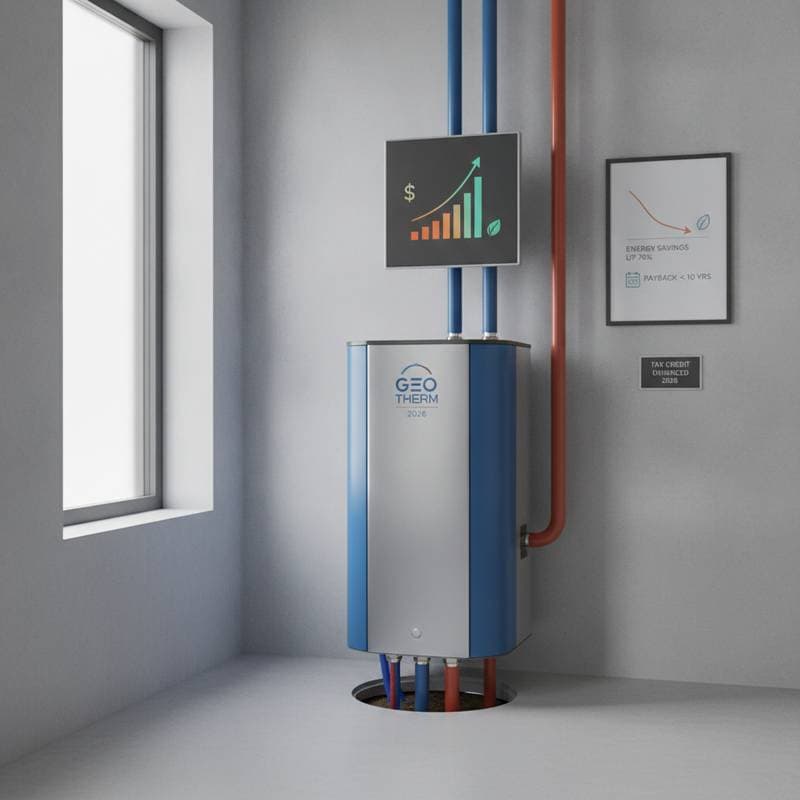
These systems excel in performance metrics that surpass many alternatives. For instance, they achieve energy savings of 40 to 70 percent on heating and cooling compared to conventional methods. Ground-source heat pumps deliver efficiencies between 300 and 500 percent, significantly outpacing air-source counterparts. Payback periods typically span 5 to 10 years, while the equipment endures for over 20 years, with ground loops lasting up to 50 years. As energy costs increase and regulations demand higher efficiency, geothermal emerges as a resilient investment for residential properties.
Balancing Initial Investment with Long-Term Returns
The primary barrier for many is the upfront expense, which generally falls between $20,000 and $35,000 based on factors such as home size, soil type, and loop setup. This investment, though substantial, yields substantial returns over time. Homeowners can expect annual returns exceeding 10 percent, particularly as utility rates escalate.
Utility providers and local governments frequently provide rebates or favorable financing options for such installations. These incentives shorten the recovery period and make geothermal viable alongside standard HVAC upgrades.
| System Type | Average Efficiency (COP or AFUE) | Typical Lifespan | Estimated Annual Energy Savings | Maintenance Frequency |
|---|---|---|---|---|
| Geothermal Heat Pump | 3.5 to 5.0 | 20+ years (loop 50+) | 40-70% | Minimal |
| Air-Source Heat Pump | 2.0 to 3.0 | 15 years | 20-40% | Moderate |
| Natural Gas Furnace | 0.9 | 15 years | 0% | Regular |
| Oil Furnace | 0.8 | 15 years | 0% | Regular |
Superior Comfort and Operational Benefits
Geothermal systems provide consistent indoor temperatures without the fluctuations typical of traditional setups. The even distribution of heat or cool air eliminates drafts and maintains a balanced environment throughout the home.
Operation remains nearly silent, as key components reside indoors and away from living spaces. Without an external unit, exposure to outdoor elements decreases, enhancing reliability.
In humid climates, these systems excel at dehumidification during cooling cycles. This process reduces moisture levels effectively, mitigating risks like mold and improving air quality for occupants.
Seamless Compatibility with Smart Home Ecosystems
Integration with digital controls elevates geothermal performance. Pairing with smart thermostats allows precise adjustments to temperature zones, optimizing energy use based on occupancy patterns.
Monitoring applications provide real-time insights into system health, flagging potential issues early. Variable speed compressors, available in newer models, modulate output to match real-time needs, yielding additional savings of 10 to 15 percent on yearly bills.
Enhancing Property Value and Durability
Properties featuring geothermal installations attract buyers seeking lower operating costs and long-term assurance. Real estate data indicates quicker sales and premium pricing for such homes compared to similar ones without advanced efficiency features.
Durability stems from simplified design: no outdoor exposure means less wear, and the absence of combustion reduces failure points. Routine tasks, like filter replacements and annual checks, suffice for upkeep, minimizing unexpected expenses.
Steps to Implement Geothermal in Your Home
Begin with a professional energy audit to pinpoint your property's specific heating and cooling requirements. This assessment informs the optimal system size and configuration.
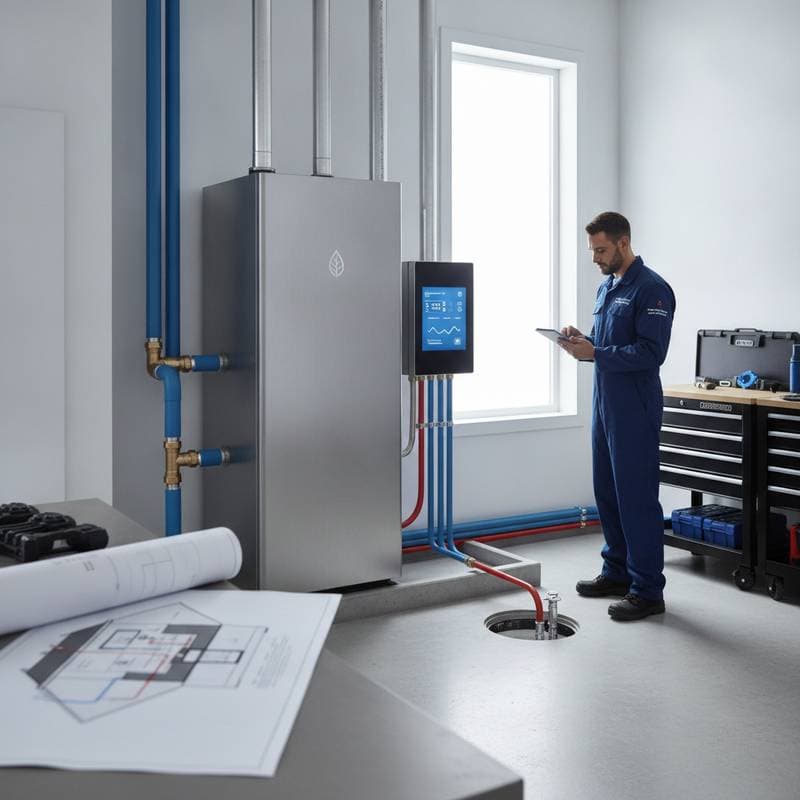
Engage a certified installer to evaluate site-specific elements, including soil composition and available space for ground loops. They will outline vertical, horizontal, or pond-based options tailored to your lot.
Research available incentives thoroughly. Federal tax credits, state programs, and utility rebates can offset 20 to 30 percent of costs, accelerating financial recovery.
Geothermal transforms everyday home energy management into a strategic advantage. By leveraging stable underground resources, it ensures reliable comfort, substantial savings, and environmental responsibility. This approach not only addresses immediate needs but also positions your home for sustained value in an era of rising efficiency demands.