Why Gas-Free Homes Reduce Energy Waste and Improve Air Quality
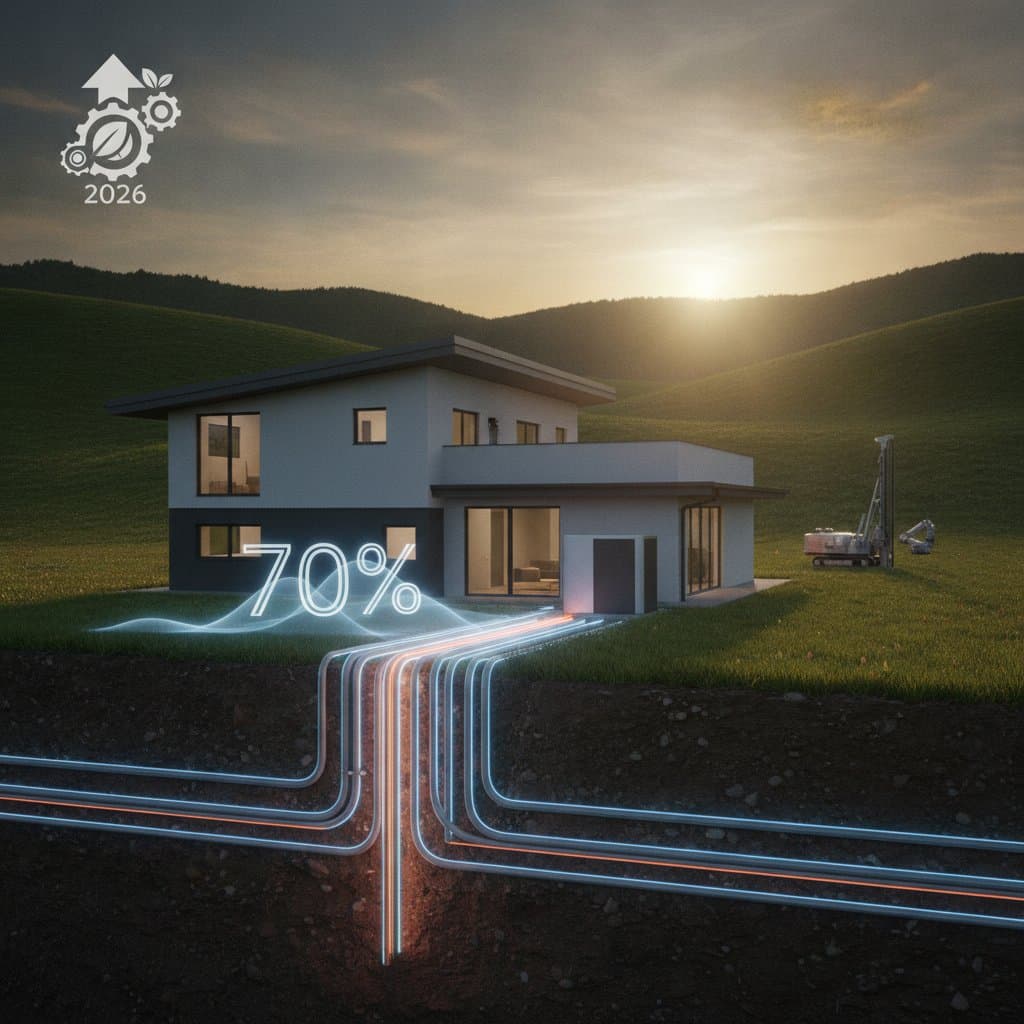
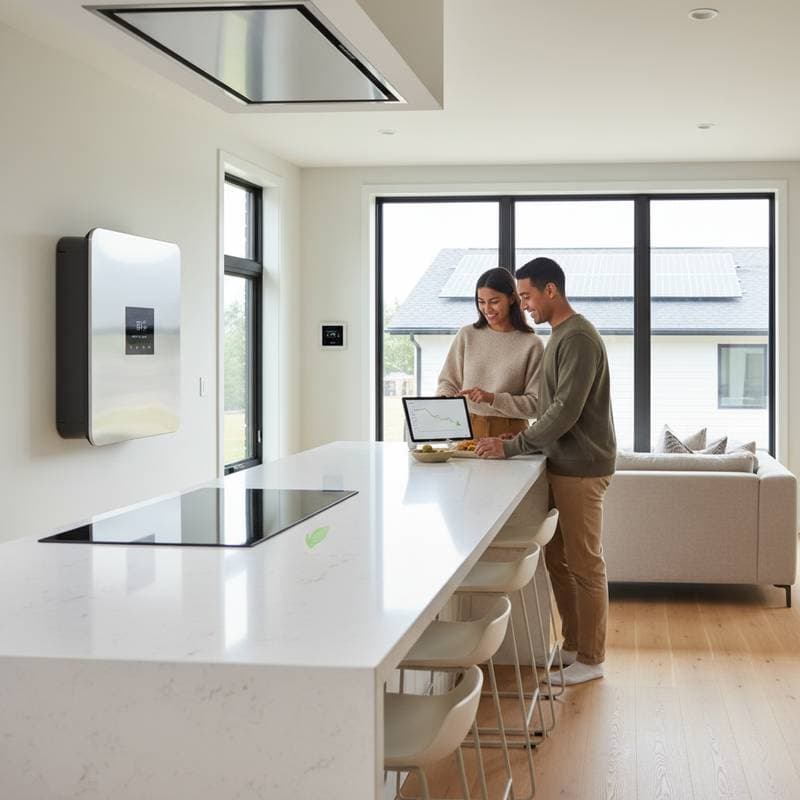
A gas flame under a pan may feel familiar, yet it sends heat around the cookware, releases combustion byproducts into the kitchen, and depends on a fuel line that can bring ongoing charges. For many households, the quieter scene is becoming more appealing: a heat pump humming outside, an induction surface warming a pan, and indoor air free from gas combustion.
All-electric living is not a lifestyle gimmick. It is an efficiency strategy that can lower household energy waste while improving comfort and air quality. The financial result depends on your climate, utility rates, home insulation, and equipment choices, but the core calculation is clear: efficient electric systems often use less delivered energy than fuel-burning alternatives.
Where the Savings Come From
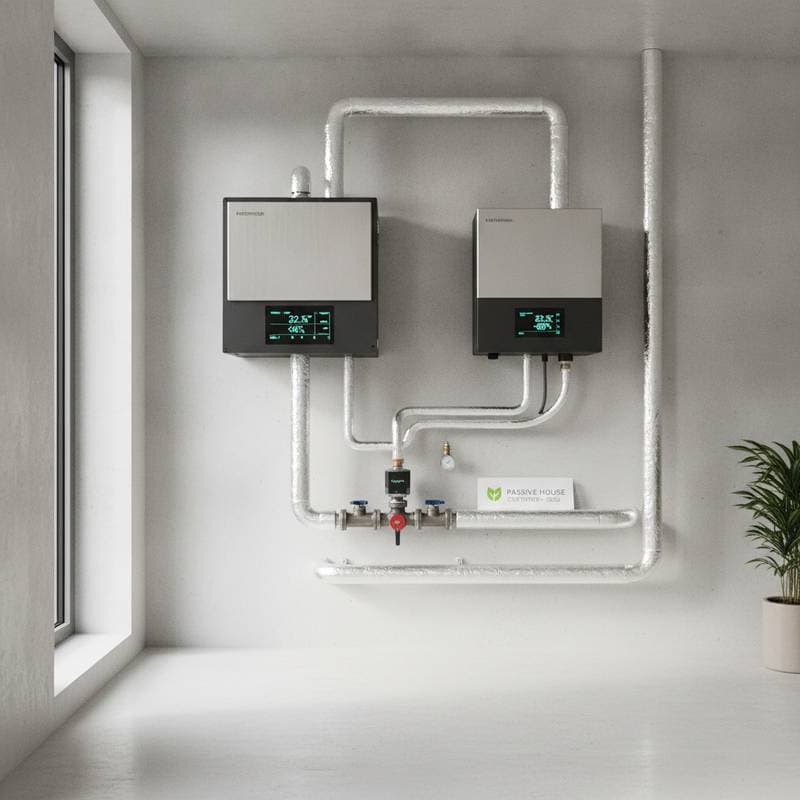
A gas furnace burns fuel to create heat, then moves that heat through ducts. A heat pump transfers existing heat between the indoors and outdoors. That difference matters because moving heat requires less energy than creating it through combustion or resistance heating.
The Department of Energy reports that properly installed air source heat pumps can deliver two to four times more heating energy than the electrical energy they use. Modern cold climate models can perform effectively in low outdoor temperatures, although proper sizing and backup planning remain essential.
Your savings may come from several sources:
- Lower energy consumption: Efficient heat pumps and water heaters reduce the amount of energy needed for daily comfort.
- Less maintenance: You avoid gas burner inspections, combustion venting, and some chimney or flue repairs.
- Stable equipment performance: Electric systems have fewer combustion components and can provide heating and cooling through one system.
- Solar compatibility: Rooftop solar or community solar can offset part of your electricity use.
Electricity rates differ widely, so compare your local price per kilowatt hour with gas charges, delivery fees, and seasonal adjustments. A home energy audit can estimate potential savings more accurately than a national average.
Induction Cooking Changes the Kitchen
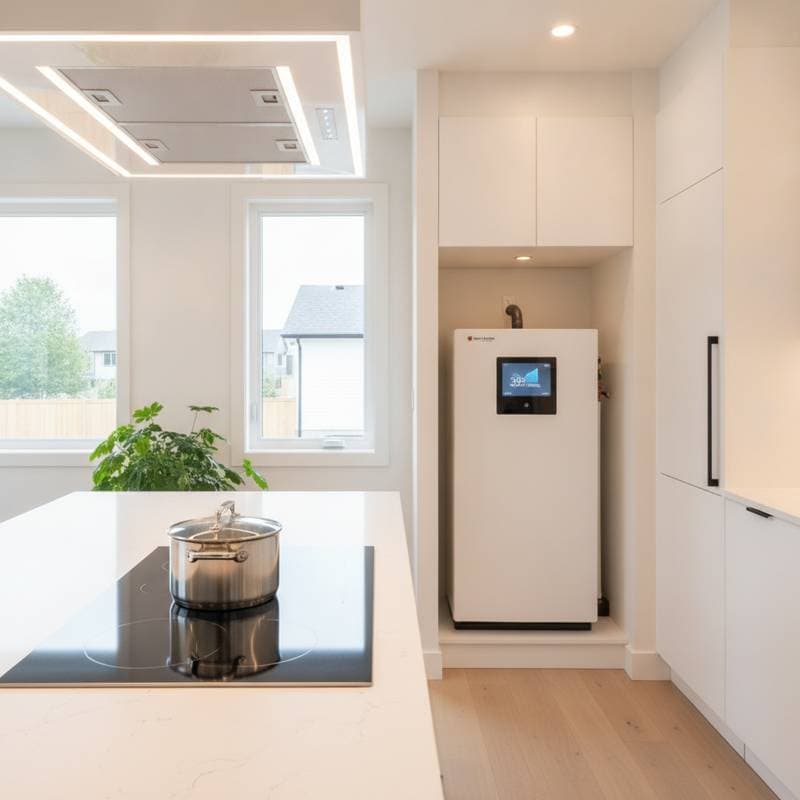
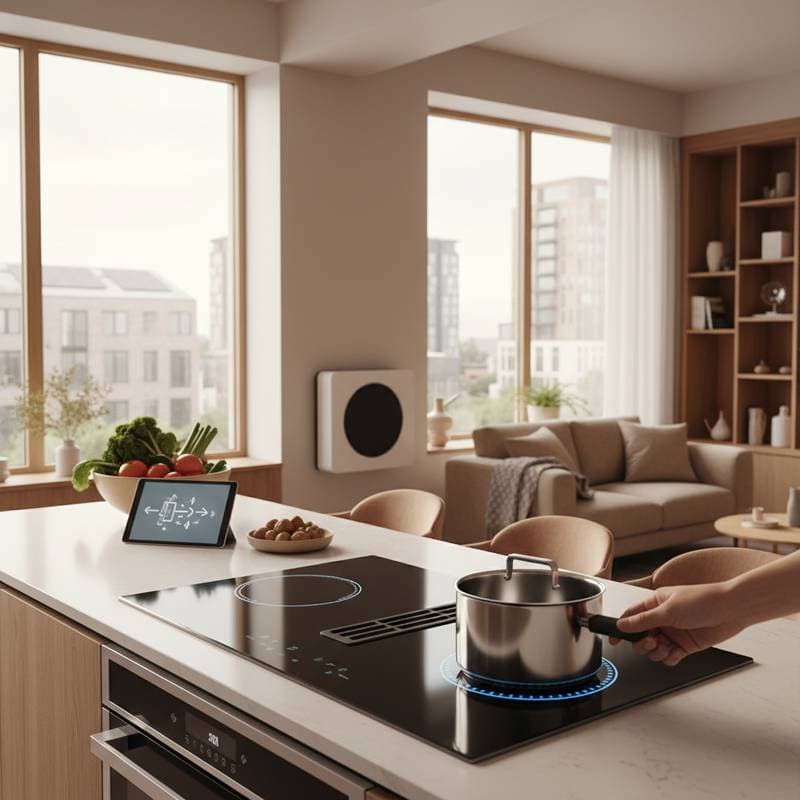
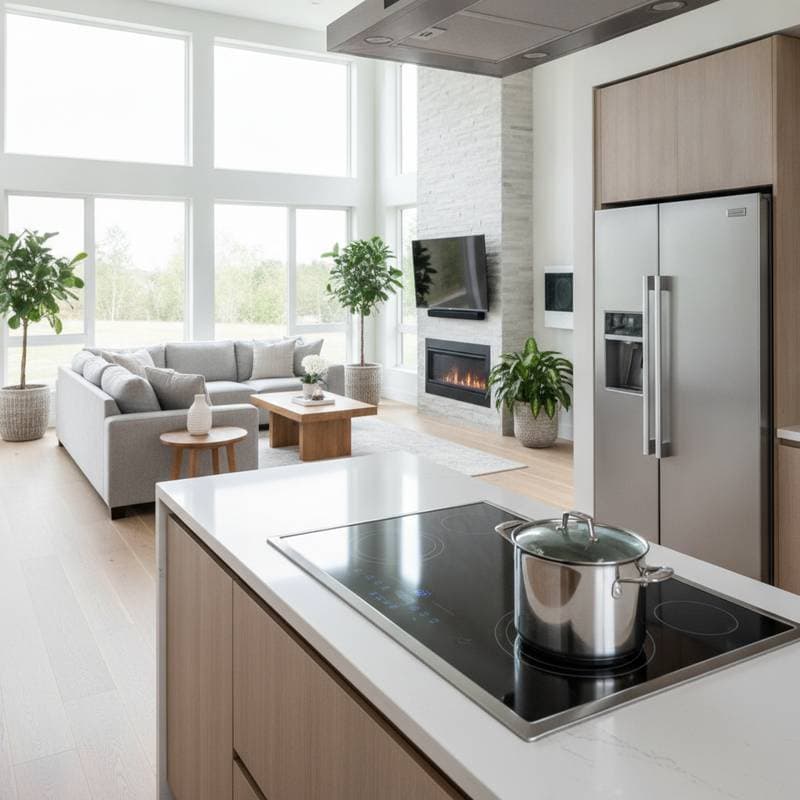
Induction cooking uses magnetic energy to heat compatible cookware directly. The surface stays comparatively cool because the pan, not the burner, receives most of the energy. The result is rapid heating, precise temperature control, and easier cleanup.
The U.S. Department of Energy identifies induction as substantially more efficient than gas cooking. Research from the Rocky Mountain Institute has also connected gas stoves with indoor nitrogen dioxide exposure, a pollutant that can aggravate respiratory conditions. Electric cooking does not create combustion gases inside your kitchen.
You will need magnetic cookware, such as cast iron or many stainless steel pans. Hold a refrigerator magnet against the base if you are unsure. A quality portable induction unit can cost less than a full range and offers a practical way to test the cooking experience before replacing your appliance.
Upfront Costs and Financial Reality
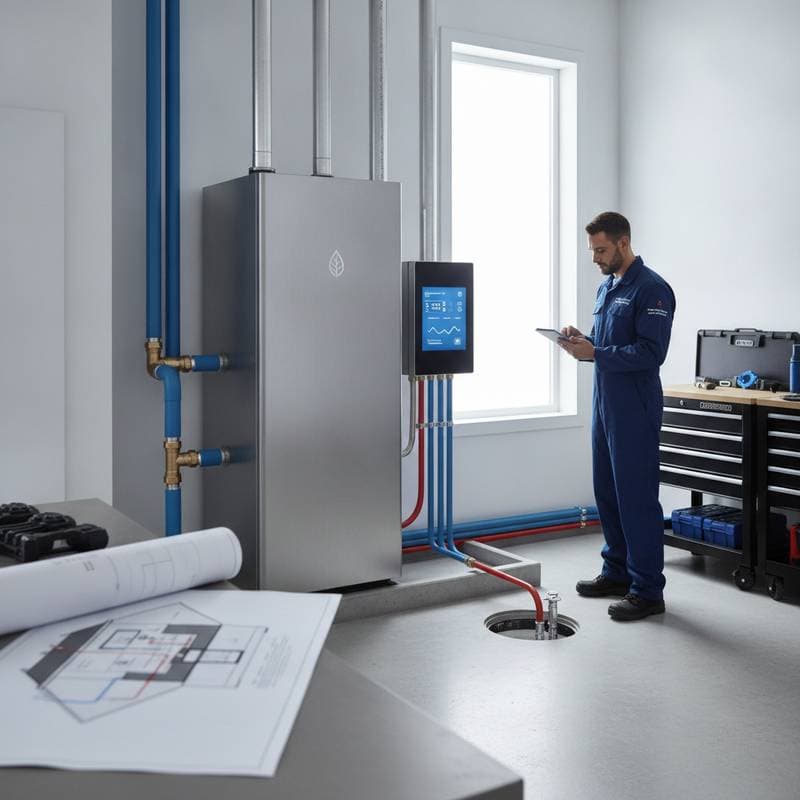
Replacing several gas appliances at once can strain a household budget. A heat pump installation may cost roughly $4,000 to $15,000, while heat pump water heaters commonly range from $1,200 to $4,000 before local incentives. Electrical panel upgrades can add $2,000 to $5,000 or more when wiring, permits, or trenching are complicated.
These figures are broad estimates, not guarantees. Get at least three written bids and ask contractors to separate equipment, labor, electrical work, permits, and disposal. Federal, state, and utility incentives can lower the purchase price, though eligibility and funding rules differ by location.
| Upgrade | Main benefit | Cost consideration |
|---|---|---|
| Heat pump | Heating and cooling in one system | Installation and duct condition |
| Heat pump water heater | Lower water heating energy use | Space, drainage, and sound |
| Induction range | Fast, clean cooking | Cookware and electrical capacity |
| Electrical panel upgrade | Supports future electrification | Wiring and permit complexity |
A Practical Conversion Plan
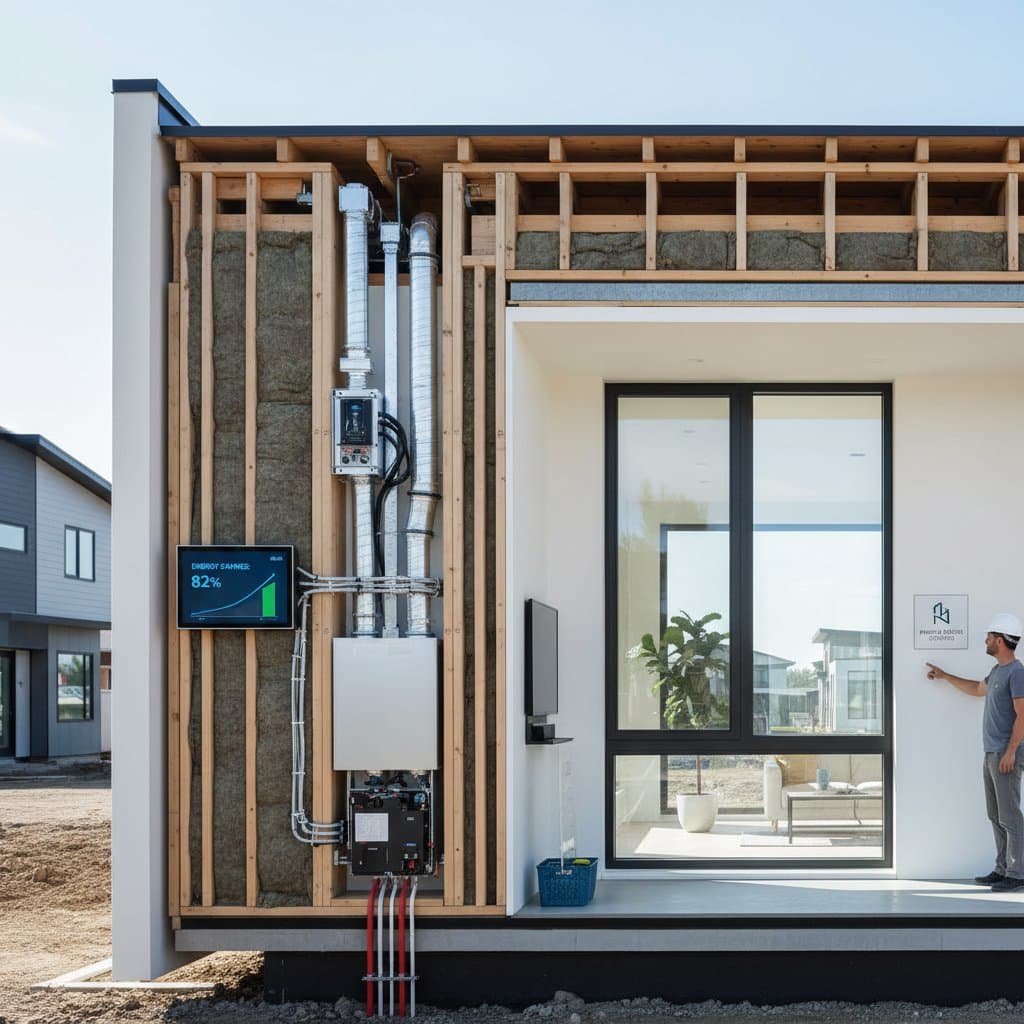
Start with an energy assessment, then prioritize equipment that is near replacement. Replacing a failing water heater with a heat pump model is often less disruptive than converting every system at once.
Use this sequence:
- Improve insulation and air sealing where practical.
- Check panel capacity and wiring with a licensed electrician.
- Select heat pumps based on measured heating loads, not square footage alone.
- Install a heat pump water heater in a suitable space with drainage.
- Replace gas cooking with induction when your range reaches the end of its service life.
- Track utility bills and indoor comfort after each upgrade.
Making the Switch
The transition to an all-electric home works best when each step is planned around your current equipment, budget, and local incentives. Begin with the systems that need replacement soonest, then expand as comfort and savings become clear. Over time, the combination of lower operating costs, fewer repairs, and cleaner indoor air can deliver lasting value for your household.