Key Planning Steps
- Evaluate site conditions including soil type and lot size to determine suitable loop configurations.
- Conduct a professional energy audit to optimize home insulation before installation.
- Select certified contractors with credentials from organizations such as IGSHPA.
- Compare financing models including energy service agreements and on-bill repayment options.
- Review local permitting requirements and utility rate structures in advance.
Balancing Home Comfort With Monthly Expenses
Many homeowners face rising utility costs during extreme weather while older heating systems struggle to maintain steady temperatures. Geothermal heat pumps address this challenge by drawing consistent energy from the ground rather than relying on combustion or outdoor air temperatures. These systems deliver reliable heating in winter and cooling in summer through a closed loop of fluid that transfers heat efficiently.
Innovative financing programs now allow installation without any initial payment. Homeowners repay the cost gradually through monthly fees that frequently fall below previous energy expenses. This approach removes the primary barrier of high upfront investment while delivering long-term operational savings.
How Geothermal Technology Performs
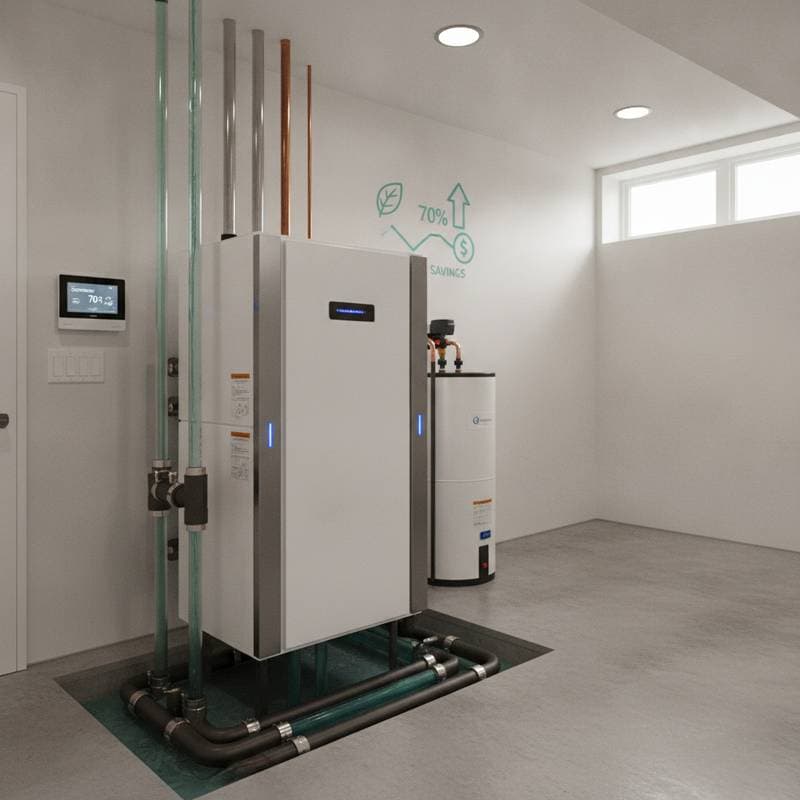
Geothermal heat pumps achieve efficiencies of three to five units of heating or cooling per unit of electricity consumed. The ground maintains a stable temperature year round, allowing the system to operate without the performance drops common in air-source units during temperature extremes. This results in energy reductions of 40 to 70 percent compared with conventional furnaces and air conditioners.
Financial returns appear through lower monthly utility payments that often exceed the financing obligation. Systems also qualify for incentives that can reduce total project costs by 20 to 40 percent when paired with the right repayment structure.
Site and System Evaluation Factors
Soil composition and available land area determine whether horizontal trenches, vertical boreholes, or pond loops represent the best choice. A smaller lot typically favors vertical installation while larger properties can accommodate horizontal loops at lower excavation expense.
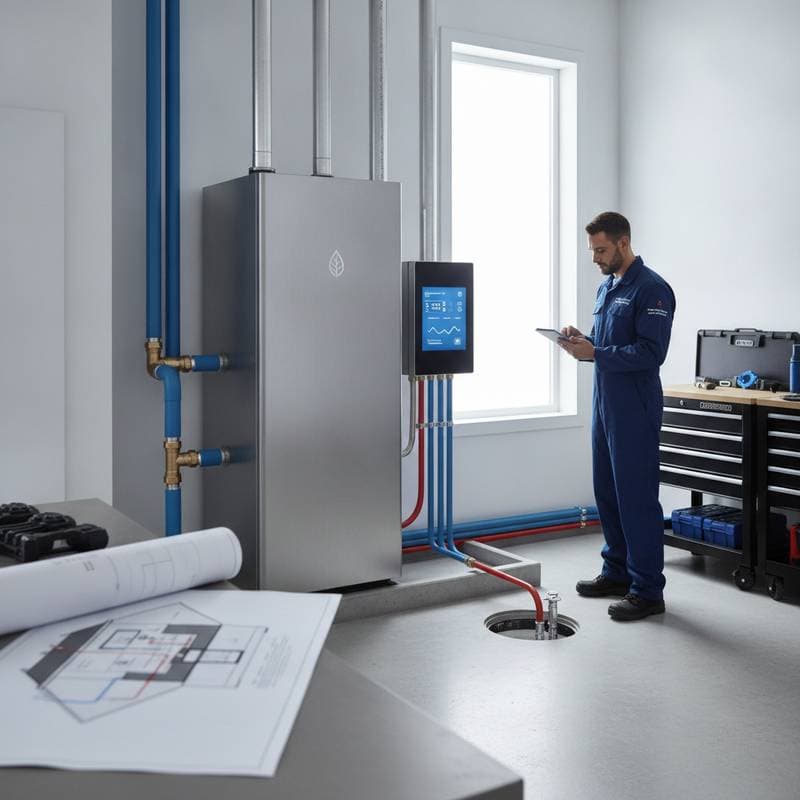
Proper sizing prevents inefficient short cycling and unnecessary equipment costs. An energy audit identifies insulation improvements that allow a smaller, more affordable unit to meet household demands effectively.
Financing Structures and Long-Term Returns
Three primary models support zero-upfront installation. Energy service agreements place ownership and maintenance with a third party while the homeowner pays a predictable monthly service fee. Lease-to-own arrangements build equity through fixed payments that eventually transfer full ownership. On-bill financing adds repayment directly to utility statements and remains with the property upon sale.
Payback periods generally range from seven to ten years. Indoor components last more than twenty years while underground loops often exceed fifty years of service with minimal intervention.
Installation Layout Options
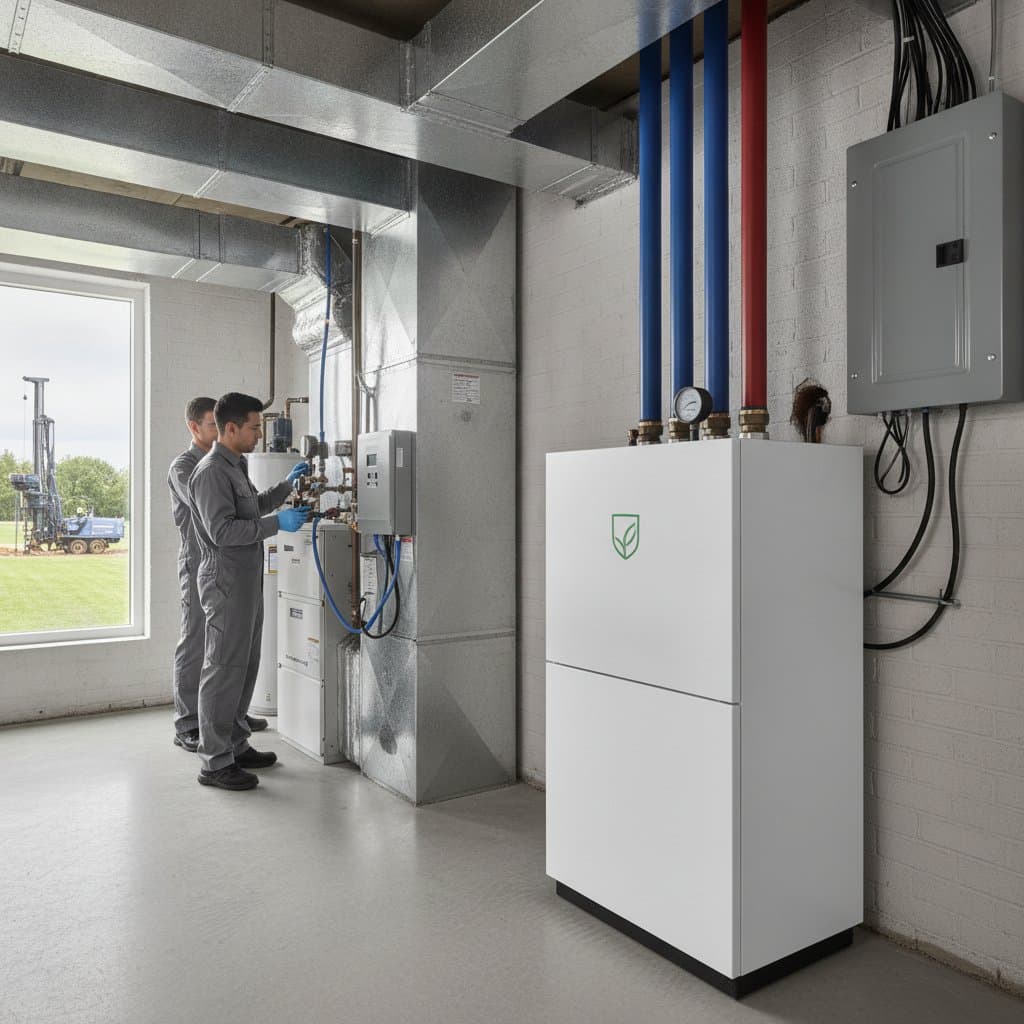
Horizontal loops require trenches several feet deep across open yard space. Vertical loops use drilled boreholes suited to compact lots or rocky ground. Pond loops submerge coils in an existing body of water when conditions permit.
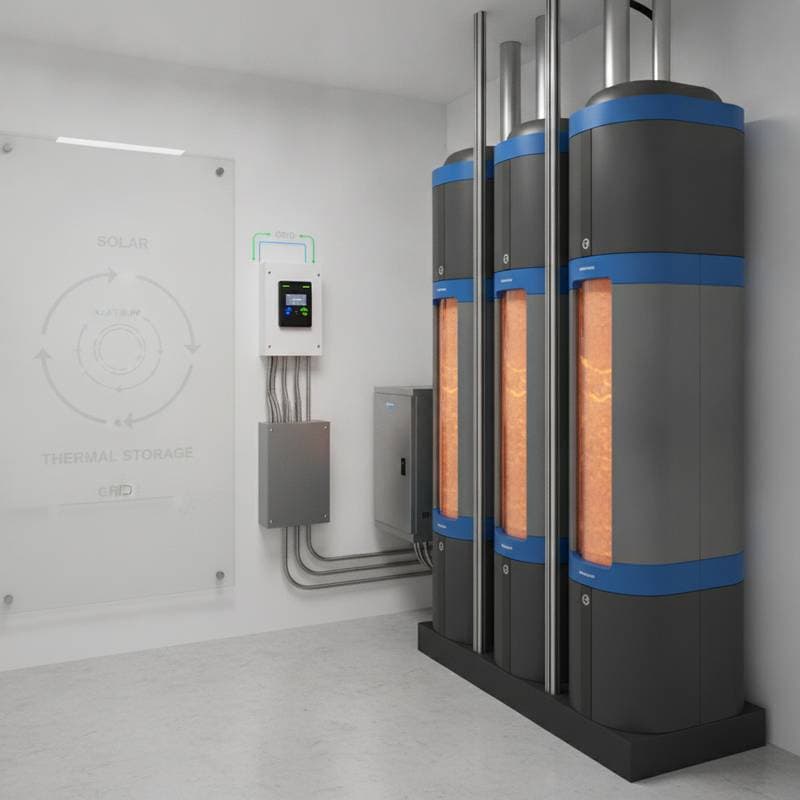
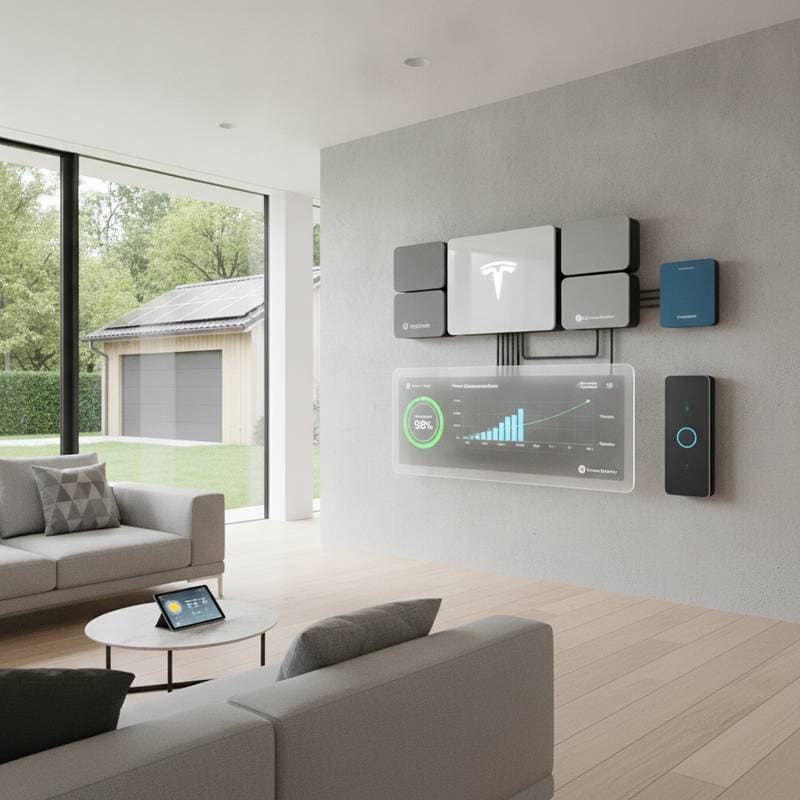
Inside the residence the heat pump connects to existing ductwork or new radiant distribution. Many installations incorporate domestic hot water preheating or pair with rooftop solar arrays to approach net-zero energy use.
Practical Project Influences
Permitting rules vary by jurisdiction and may require geological assessments. Local electricity prices directly affect the speed of savings relative to financing payments. Regular filter replacement and occasional performance inspections preserve efficiency throughout the system life.
Efficiency and Property Benefits
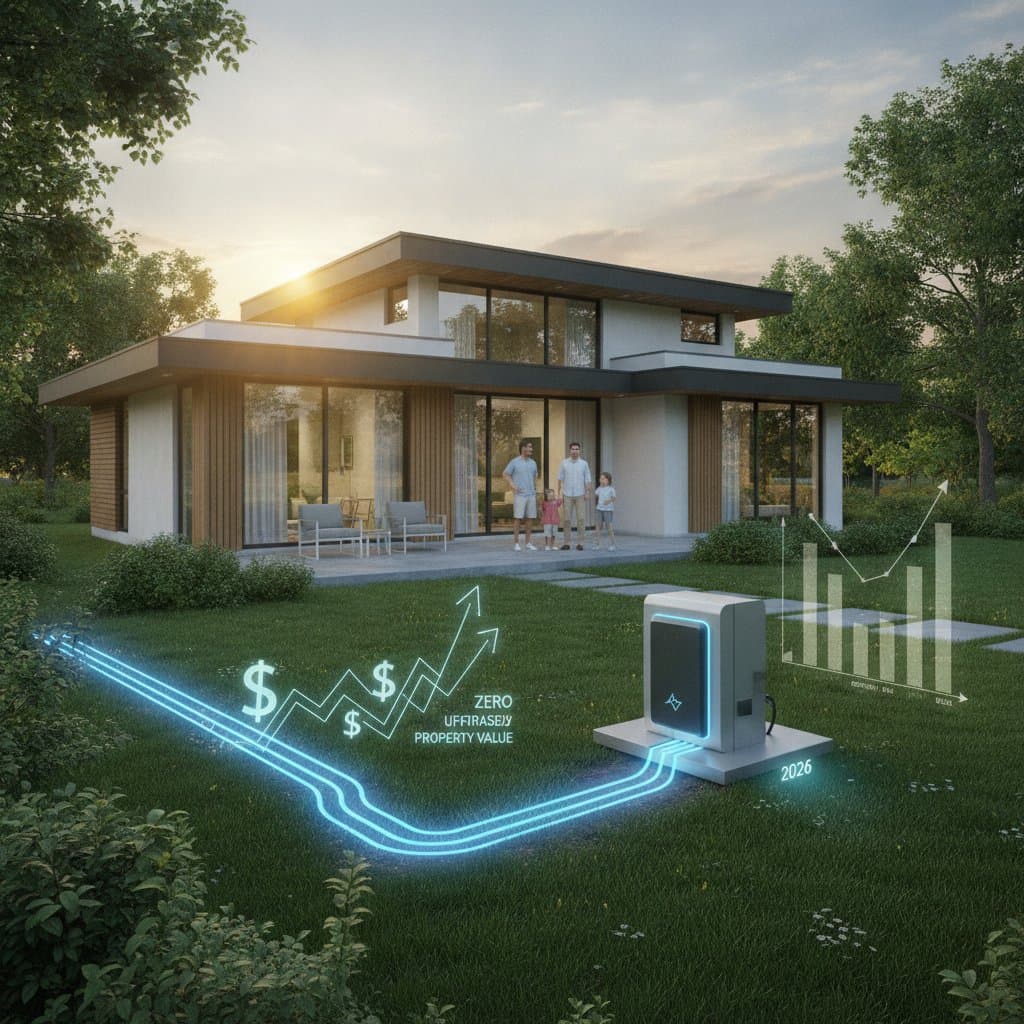
These systems operate without combustion, eliminating carbon monoxide risks and improving indoor air quality. Consistent temperatures replace the swings associated with conventional equipment. Appraisers increasingly recognize geothermal installations as value-adding features that support higher resale prices.
Next Steps for Homeowners
Schedule a site assessment with a certified installer to confirm feasibility and receive a customized proposal. Compare at least two financing offers while verifying ownership transfer terms and maintenance inclusions. Confirm all incentive eligibility before finalizing agreements to maximize available support.