Cut 2026 Energy Costs by Up to 65% with Geothermal HVAC
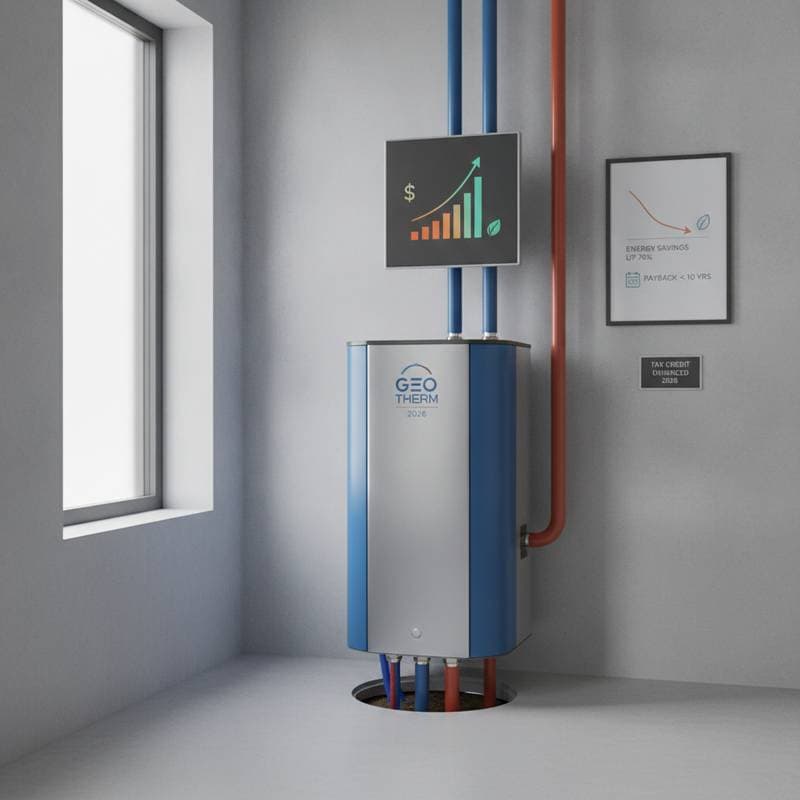
Rising utility bills push homeowners and building managers to explore effective solutions for long-term savings. Geothermal HVAC systems deliver reductions of 40% to 65% compared to traditional setups. These systems draw on the earth's constant underground temperatures to provide efficient heating and cooling, which lowers expenses and environmental impact.
For anyone planning an HVAC upgrade or seeking to stabilize energy costs, geothermal technology offers a proven, reliable option.
Key Benefits
Geothermal HVAC systems reduce heating and cooling bills by 40% to 65% over conventional systems.
Most installations recover costs within 5 to 8 years through lower utility payments.
Federal and local incentives cover 20% to 40% of upfront costs, improving return on investment.
Ground-source heat pumps operate quietly, last longer, and require minimal maintenance compared to air-source units.
Proper system design and soil analysis ensure maximum efficiency.
How Geothermal HVAC Systems Work
Geothermal heating and cooling systems use the steady temperatures found a few feet underground. While outdoor air varies dramatically, the ground maintains a consistent level. The system transfers heat to or from a building based on this stability.
Core Operations
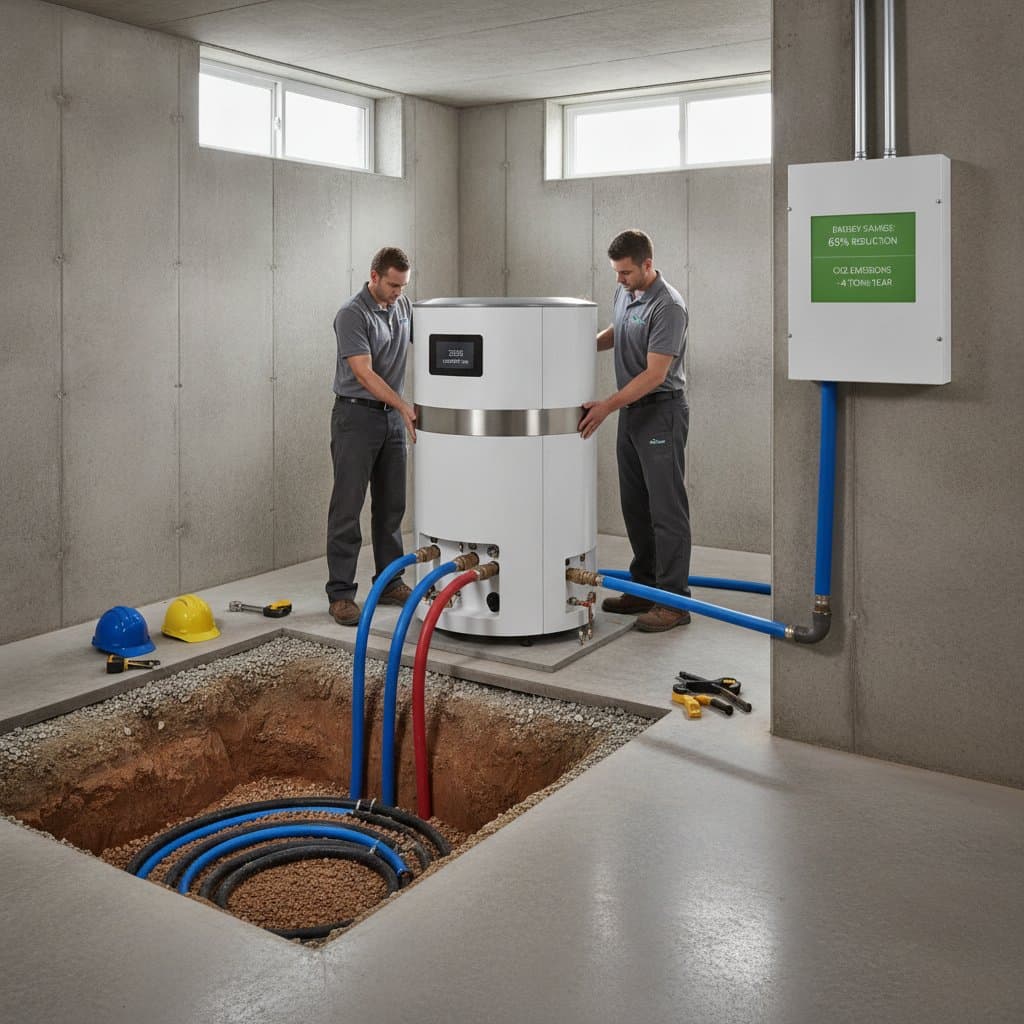
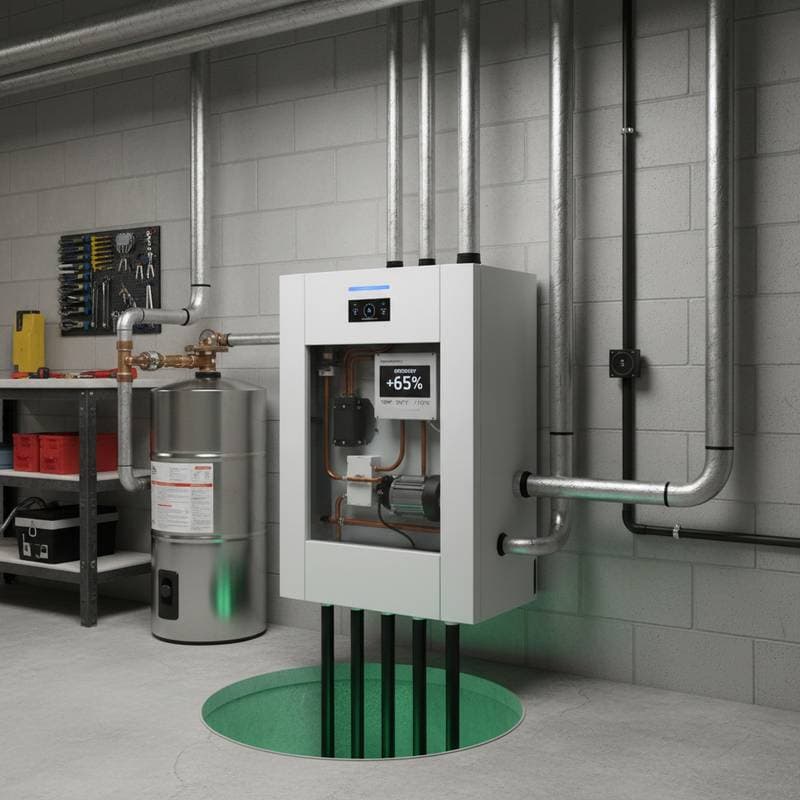
A ground-source heat pump moves a water-based fluid through buried loops, either horizontal or vertical. In cold weather, the system pulls heat from the ground and releases it indoors. In warm weather, it removes heat from the building and sends it underground.
This process moves heat with electricity rather than creating it through combustion, which boosts efficiency. For every unit of electricity consumed, the system delivers three to five units of heating or cooling.
Efficiency Breakdown
| HVAC Type | Energy Efficiency Ratio (EER) | Coefficient of Performance (COP) | Average Savings |
|---|---|---|---|
| Traditional Air Conditioner | 10-15 | 1.0-2.0 | Baseline |
| Air-Source Heat Pump | 15-18 | 2.0-3.0 | 25%-35% |
| Geothermal Heat Pump | 25-45 | 3.5-5.0 | 40%-65% |
These figures demonstrate why geothermal systems lead in efficiency for homes and businesses.
Assessing Real Costs
Initial costs concern many potential users. Geothermal installations range from $15,000 to $35,000, depending on home size, soil conditions, and loop type. Vertical loops, which require drilling, cost more than horizontal ones but work well on smaller lots.
Incentives and Financing
Tax credits, low-interest loans, and rebates from federal, state, and utility programs offset 20% to 40% of expenses. These options often bring the net cost in line with premium central HVAC systems.
Data from the International Ground Source Heat Pump Association shows an average six-year payback for homes. Over a system's life, savings can exceed $100,000 in avoided energy costs.
Longevity and Maintenance
Standard HVAC units last 10 to 15 years, but geothermal indoor components endure 25 years or more. Underground loops function for over 50 years with routine care. Fewer moving parts mean fewer breakdowns, limited to tasks like filter changes and annual inspections.
Environmental and Comfort Gains
Geothermal systems provide consistent comfort and sustainability benefits that appeal to eco-conscious users.
Lower Emissions
By moving heat with electricity instead of burning fuel, these systems cut greenhouse gases by at least 50% compared to fossil-fuel options. Using renewable electricity sources reduces impact even further.
Quiet and Even Operation
With components indoors, geothermal avoids the noise of outdoor units. It maintains steady indoor temperatures without the frequent cycling of traditional systems.
Bonus Hot Water Heating
Many setups include a desuperheater that captures waste heat to warm water, potentially halving water heating bills and adding to overall savings.
Choosing the Right System
Site conditions such as soil type, available space, and water levels determine the best geothermal configuration. A qualified professional conducts an assessment to recommend the optimal setup.
Loop Types: Horizontal vs. Vertical
Horizontal loops go into trenches 4 to 6 feet deep and suit properties with open space. They cost less to install but need more land.
Vertical loops reach depths of hundreds of feet in boreholes, ideal for limited areas like urban or commercial sites. Though pricier upfront, they perform reliably in tight spaces.
Open-Loop Options
Sites with reliable groundwater can use open-loop systems that pump water directly. These offer high efficiency but require monitoring for water quality and adherence to local regulations.
Hybrid Approaches
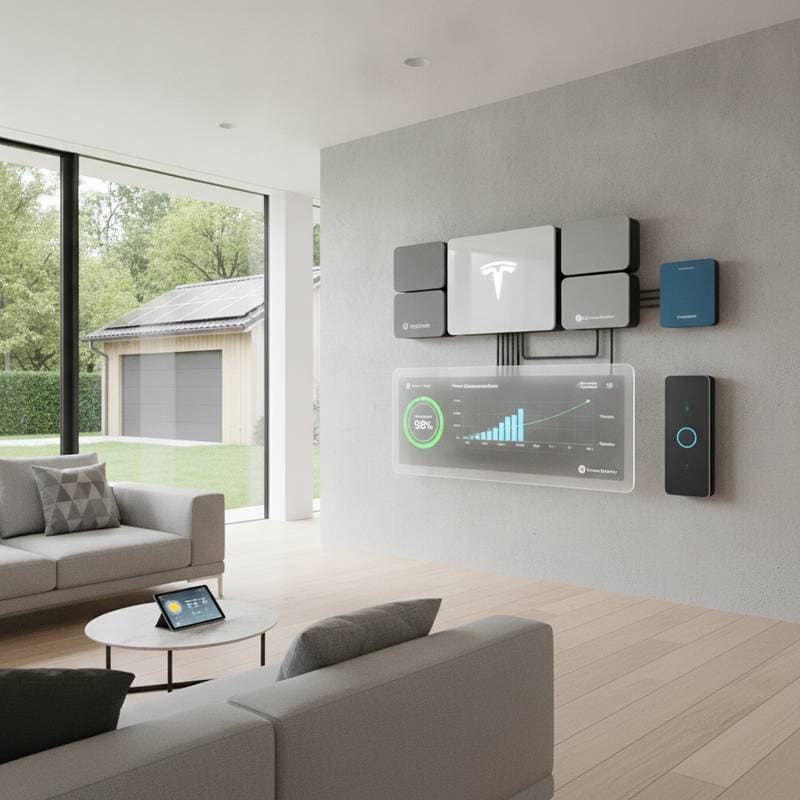
Pairing geothermal with solar panels or radiant floor heating builds ultra-efficient structures. These integrations maximize savings and environmental benefits.
Implementation Steps
Switching to geothermal involves structured planning in several stages.
1. Site Evaluation
Experts test soil conductivity, water availability, and property layout to choose loop type and system size.
2. Cost Analysis
Request detailed quotes for installation, maintenance, and projected savings. Calculate payback periods and consider financing for energy improvements.
3. Installation Process
Work typically takes one to two weeks, covering excavation, loop burial, heat pump connection, and system testing.
4. Performance Tracking
Modern controls track energy usage. Periodic data reviews ensure the system runs at peak efficiency.
Clearing Common Myths
Misunderstandings often hinder geothermal adoption, despite its strong performance record.
The idea that it works only in mild climates ignores its effectiveness in cold areas, where ground heat remains available even in freezing conditions.
Beliefs about requiring large plots overlook vertical loops suitable for city environments.
Upfront costs seem high until incentives and lifetime savings factor in, making geothermal a smart financial move.
U.S. Department of Energy studies show geothermal buildings consume 25% less total energy than similar conventional ones.
Real Example: Home Transformation
A 2,500-square-foot home with $3,000 annual heating and cooling bills sees a 60% drop after geothermal installation, saving $1,800 yearly. Over 20 years, this totals $36,000, plus extras from hot water and low maintenance.
A 30% federal tax credit shortens payback, making it accessible for typical families.
Building Energy Independence
As energy prices fluctuate and grid demands grow, geothermal HVAC enables secure, self-sufficient climate control. It relies on the earth's reliable heat for durable, cost-effective, and green solutions.
Contact a certified geothermal expert for a consultation. Request a thermal imaging scan and energy audit to estimate your specific savings.
Lower bills strengthen finances and reduce reliance on fossil fuels. Thorough planning delivers years of steady comfort, expense reductions, and harmony with natural resources.
Take the Next Step: Connect with local installers, compare bids, and model your savings. Act now to lock in efficiency and avoid rising costs.