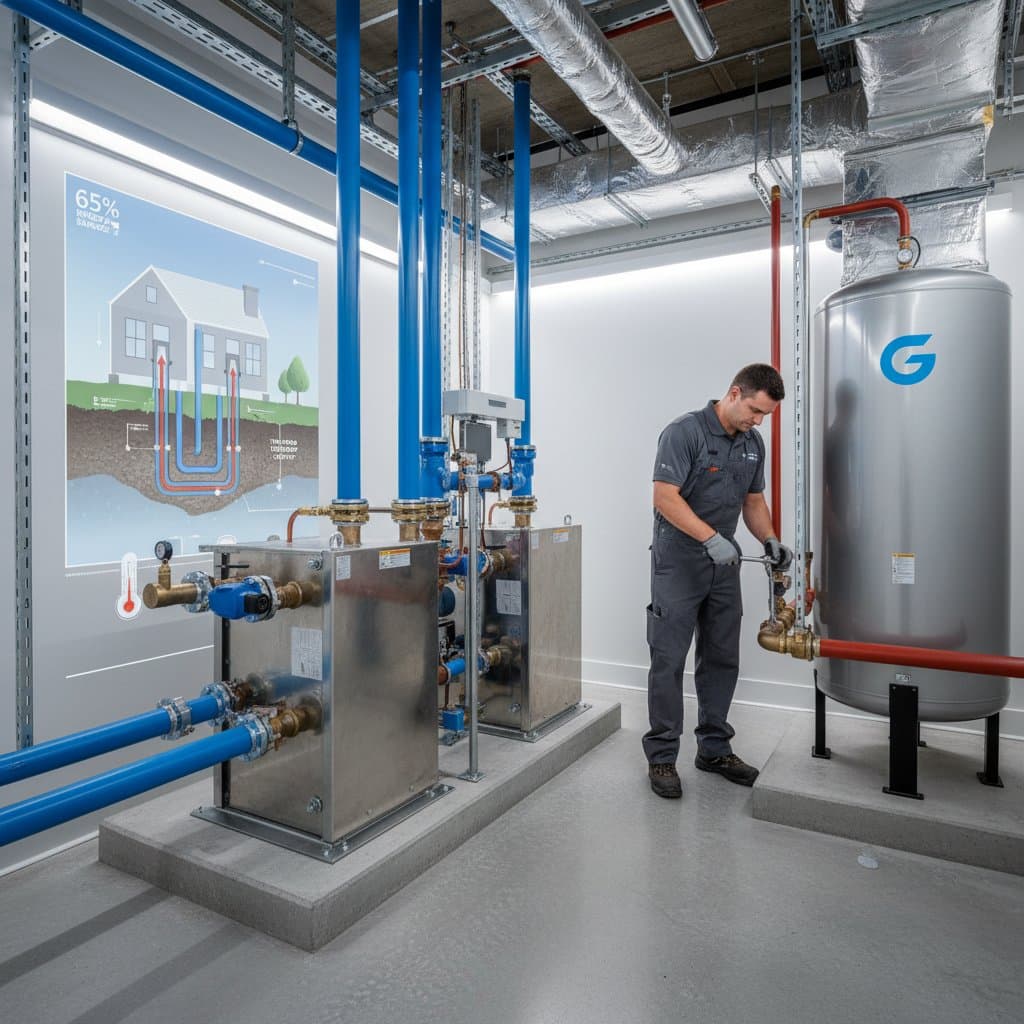
Understanding Geothermal HVAC Systems
Geothermal heating, ventilation, and air conditioning systems offer an innovative method for managing home climate. These systems draw on the earth's steady underground temperature, which stays between 45 and 75 degrees Fahrenheit a few feet below the surface, to deliver efficient heating and cooling. By moving heat instead of creating it, geothermal HVAC provides exceptional energy savings and reliable indoor comfort all year long.
The primary element is the ground-source heat pump, which moves fluid through buried pipes called loops. In winter, the system pulls heat from the ground; in summer, it releases excess heat back into the earth. Homeowners enjoy lower utility costs, improved air quality, and a reduced impact on the environment when compared to conventional HVAC options.
How Geothermal Systems Operate
During cold weather, fluid in the ground loop captures heat from the soil and delivers it to the heat pump. The heat pump then boosts this energy and distributes warm air via the home's ducts. In hot weather, the process reverses: the system removes heat from inside the home and transfers it to the cooler ground.
This closed-loop method maintains consistent operation even in extreme outdoor conditions. The system relies on the earth's natural thermal balance, which reduces energy demands far below those of units that fight variable air temperatures. As a consequence, homes achieve even comfort levels while using much less electricity than standard systems.
Open Loop Versus Closed Loop Configurations
Geothermal setups differ based on loop design to match site features, budgets, and conditions. Each type enhances heat transfer according to space availability, soil characteristics, and water resources.
| Loop Type | How It Works | Ideal Use Case | Typical Installation Cost Range |
|---|---|---|---|
| Closed Horizontal Loop | Pipes laid in shallow trenches across a wide area | Properties with ample yard space | Moderate |
| Closed Vertical Loop | Pipes placed in deep vertical boreholes | Limited land or urban environments | Higher |
| Pond/Lake Loop | Coils submerged in nearby water bodies | Sites adjacent to ponds or lakes | Lower |
| Open Loop | Uses groundwater from wells for extraction and return | Areas with abundant clean aquifers | Variable |
Choose the right loop by evaluating soil conductivity, landscape, and regulations. Consult a certified geothermal expert for a detailed site assessment to select the configuration that boosts efficiency and controls expenses.
Analyzing the Financial Aspects of Geothermal Efficiency
The upfront cost for geothermal HVAC typically surpasses that of conventional systems, ranging from $18,000 to $35,000 for a single-family home. This amount includes the heat pump, underground loops, and any required duct adjustments. Yet, the system's outstanding efficiency recoups the investment rapidly.
Geothermal equipment delivers 50 to 65 percent savings on heating and cooling relative to air-source heat pumps or gas furnaces. For an average home, this translates to annual utility reductions of $1,500 to $2,500. Incentives like the federal 30 percent investment tax credit, plus state rebates, can reduce the payback time to five to nine years, depending on local energy prices and household size.
Long-term ownership remains cost-effective thanks to minimal upkeep needs. Ground loops last 50 years or longer with little maintenance, and indoor parts endure 20 to 25 years, twice as long as traditional components. Overall lifetime expenses often fall below those of fossil fuel-dependent systems.
Environmental Advantages and Enhanced Comfort
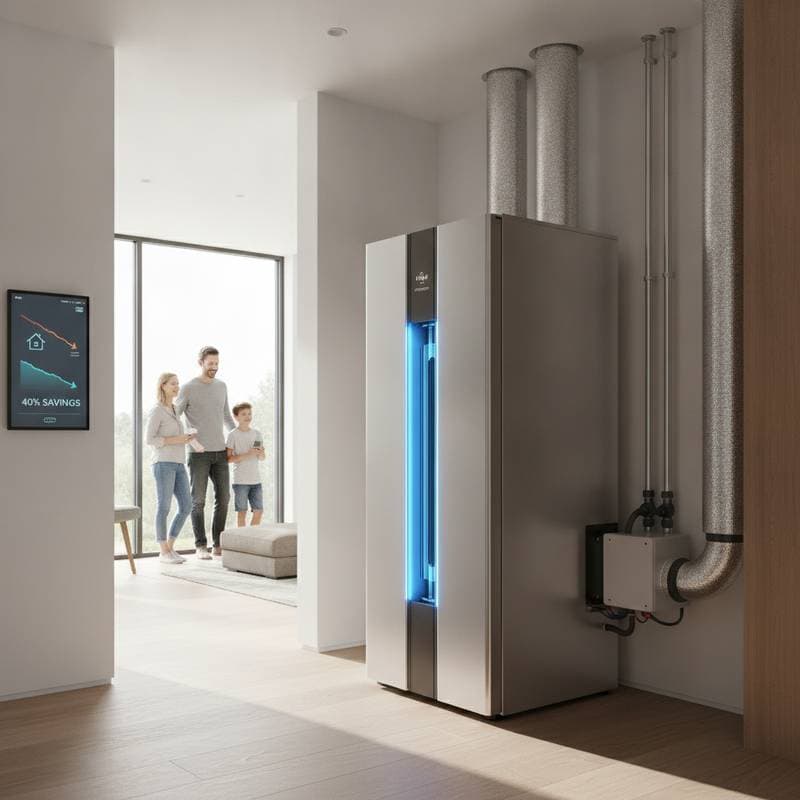
Geothermal systems cut fossil fuel dependence through efficient heat transfer, lowering household greenhouse gas emissions by up to 40 percent, according to the U.S. Department of Energy. This change advances sustainability objectives while preserving high performance levels.
Residents frequently report superior indoor conditions, with advanced air filtration and balanced humidity. Without combustion byproducts, the system avoids typical pollutants, which proves beneficial for individuals with allergies or respiratory issues. Throughout the seasons, it sustains optimal environments, addressing winter dryness and summer humidity with precision.
Key Factors to Evaluate Prior to Installation
Effective geothermal implementation requires careful planning. Consider site details to guarantee peak performance and return on investment.
Assessing Site Conditions
Soil composition and moisture influence heat transfer effectiveness. Clay soils with high moisture conduct heat better than dry, sandy types. Professionals perform thermal conductivity tests to measure these factors and adjust loop depth and layout for best results.
Evaluating Available Space
Horizontal loops need 400 to 600 feet of trench per ton of heating capacity, fitting larger properties well. Vertical loops use minimal surface space but involve drilling 150 to 400 feet deep, suiting smaller lots. Rocky ground can raise costs for vertical installations.
Exploring Funding and Support Options
Government initiatives offer key assistance, such as tax credits covering up to 30 percent of expenses and utility rebates from $500 to $2,000 per ton. Low-interest loans through renewable energy programs also help. Investigate regional programs via energy agencies or contractors to secure maximum support.
Selecting an Expert Installer
Choose installers certified by the International Ground Source Heat Pump Association or the Air Conditioning Contractors of America. These specialists ensure accurate sizing, secure loop installation, and smooth integration with current setups. Review references and confirm warranty details to protect the purchase.
Geothermal Versus Conventional HVAC: A Detailed Comparison
Geothermal solutions excel over standard HVAC in efficiency, longevity, and environmental benefits. The following table outlines key differences.
| Feature | Geothermal HVAC | Traditional HVAC |
|---|---|---|
| Energy Source | Stable ground temperature | Fluctuating outdoor air or fuel |
| Efficiency (COP) | 3.5 to 5.0 | 0.8 to 2.5 |
| Annual Savings | 50 to 65 percent | None (baseline) |
| Lifespan | 20-25 years (pump), 50+ (loops) | 10-15 years |
| Noise | Extremely low | Moderate to high |
| Maintenance | Low | Regular and frequent |
| Emissions Impact | Minimal | Significant |
These qualities make geothermal a strategic option for lasting efficiency and lower ecological effects.
Optimizing Geothermal System Performance
Routine maintenance after installation preserves efficiency through straightforward practices. Implement these measures to promote durability and continued savings.
- Change air filters every one to three months to maintain free airflow and clean air.
- Schedule annual inspections by professionals to check refrigerant levels, pump function, and controls.
- Monitor loop fluid pressure each month to catch potential problems early.
- Insulate and seal ducts to prevent air loss and keep conditioned air inside.
- Install programmable or smart thermostats to fine-tune settings according to usage patterns and optimize energy consumption.
Regular upkeep avoids performance dips and prolongs the system's effective service.
Steps to Implement Geothermal HVAC
Integrate geothermal during new construction, HVAC replacements, or home additions for easiest setup. Gather quotes from certified providers, review your energy usage patterns, and pursue incentives ahead of time. This methodical process yields a dependable, economical system customized to your home, providing years of efficient comfort and environmental responsibility.