Key Benefits of Reflective Roof Coatings
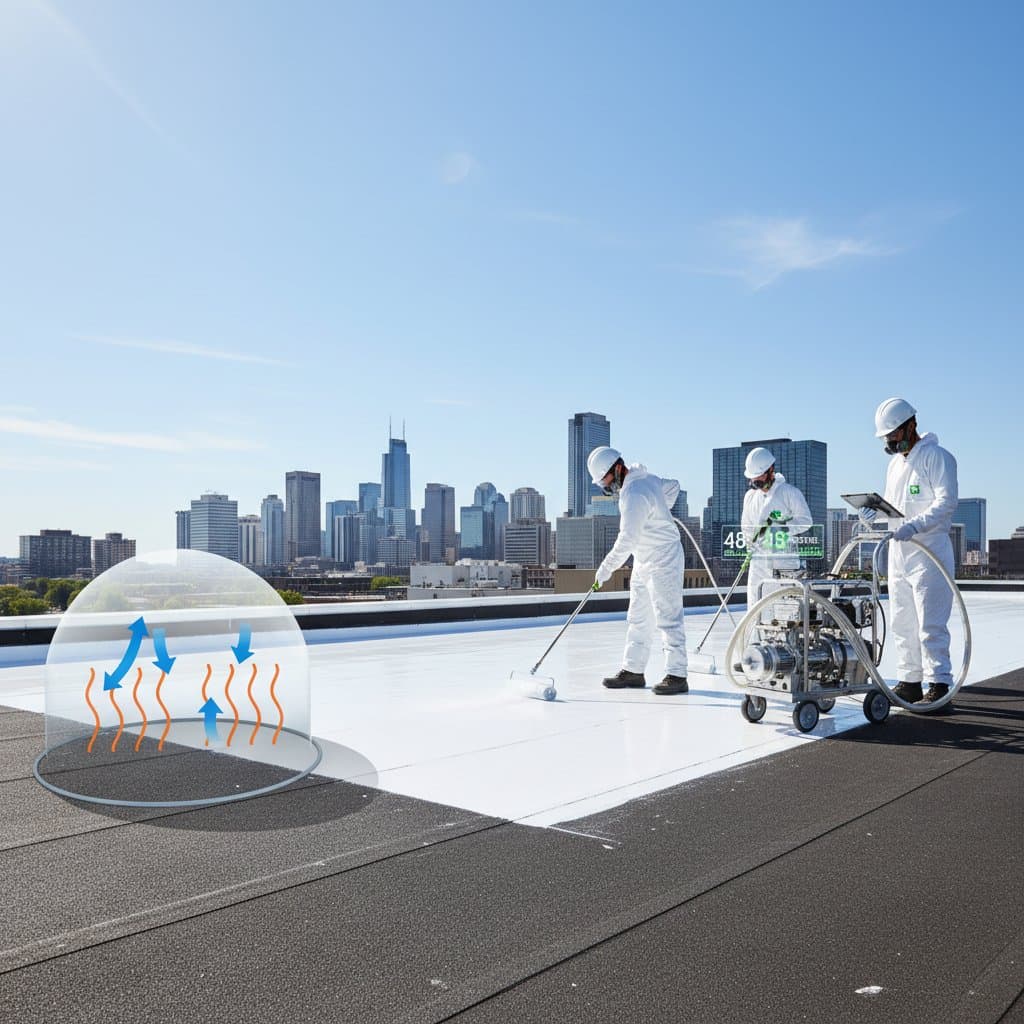
Reflective roof coatings offer a straightforward way to lower energy expenses. These coatings reflect sunlight and reduce heat absorption, which can decrease cooling needs by up to 50 percent. Homeowners gain from reduced bills, longer roof durability, and lower environmental impact.
The process involves applying a specialized layer to the roof surface. This upgrade suits various roof types and climates. Professional installation ensures optimal results and quick return on investment.
Understanding the Impact on Energy Use
Cooling accounts for a significant share of household energy consumption, especially in warmer regions. Reflective coatings address this by keeping roof surfaces cooler, which in turn reduces the workload on air conditioning units. Studies show potential savings of 20 to 50 percent on cooling costs, depending on factors like roof material, insulation quality, and local weather patterns.
These coatings also mitigate urban heat island effects by lowering ambient temperatures around buildings. For residents, this translates to more stable indoor environments and fewer discomforts from extreme heat. Environmentally, each saved kilowatt-hour means fewer greenhouse gas emissions, supporting broader sustainability efforts.
Roof longevity improves as well. Thermal expansion and contraction weaken materials over time, but reflective coatings minimize these stresses. As a result, roofs last longer, delaying the need for expensive replacements.
Exploring Coating Options
Selecting the appropriate reflective coating requires consideration of roof composition, regional climate, and financial constraints. Professionals recommend options based on specific site conditions to maximize effectiveness.
Acrylic Coatings
Acrylic coatings serve as a budget-friendly, water-based solution ideal for sloped roofs in arid areas. They deliver high solar reflectance and apply smoothly over existing surfaces. In regions with frequent rain, however, reapplication every few years may be necessary to counteract erosion from water exposure.
Silicone Coatings
Silicone coatings perform exceptionally in humid or rainy environments due to their water resistance and durability against ultraviolet rays. Although the initial cost is higher, their extended lifespan often offsets the expense through reduced upkeep. These coatings maintain reflectivity longer, providing consistent energy savings over time.
Elastomeric Coatings
Elastomeric coatings adapt to temperature fluctuations by expanding and contracting flexibly. This property makes them suitable for roofs in fluctuating climates, where they seal minor fissures and enhance overall waterproofing. The thick application forms a robust barrier that protects against weathering and mechanical damage.
Consulting a roofing expert helps match the coating to your property's unique needs. Factors such as roof pitch, existing wear, and aesthetic preferences influence the final choice.
Calculating Return on Investment
Homeowners often recover the cost of reflective coatings within three to five years through energy savings. Field data indicates that coated roofs can stay 50 to 70 degrees Fahrenheit cooler than untreated ones under peak sun exposure. This difference substantially eases the demand on cooling systems.
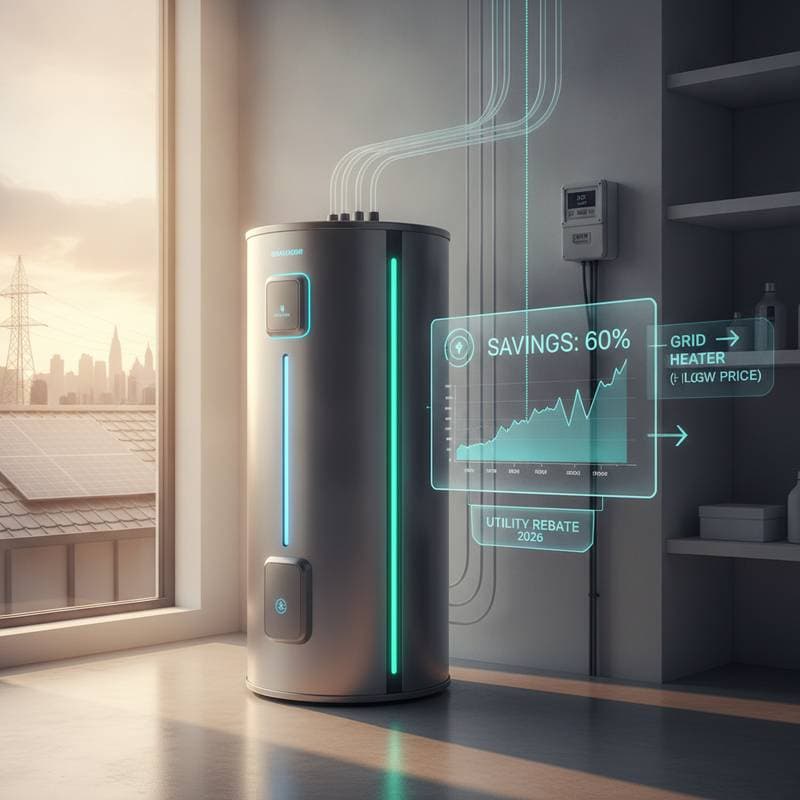
Consider a typical annual cooling expense of one thousand dollars. A 40 percent reduction yields four hundred dollars in annual savings. With installation costs ranging from a few hundred to a couple thousand dollars, the break-even point arrives quickly, followed by years of net gains.
Additional value comes from prolonged roof service life. Coatings shield against ultraviolet degradation and thermal fatigue, potentially extending usability by a decade or more. This deferred maintenance adds substantial long-term financial benefits.
Installation Process and Best Practices
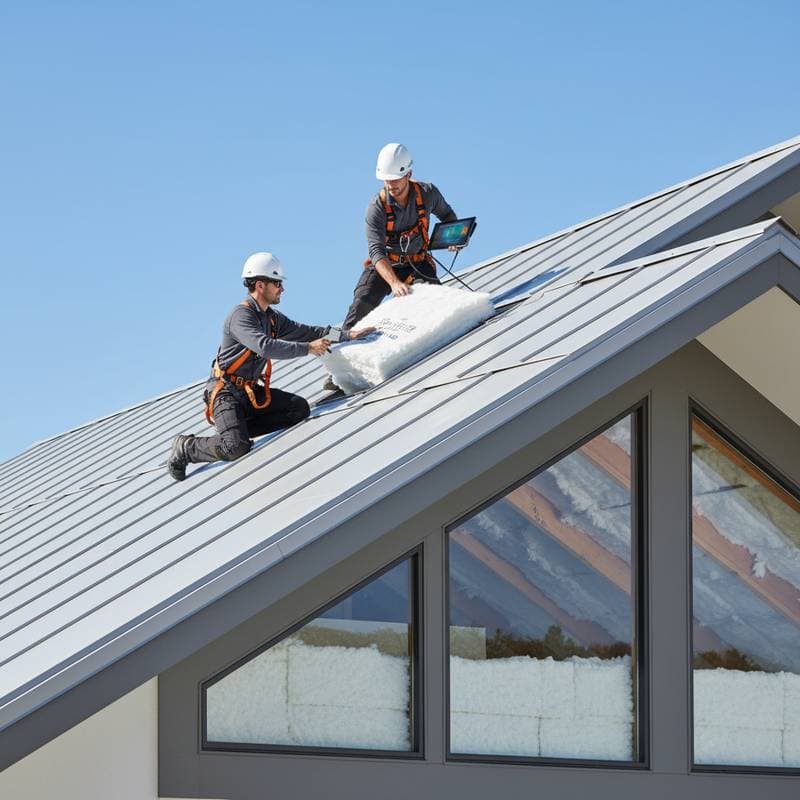
Professional application stands as the cornerstone of success for reflective coatings. The process begins with thorough surface preparation, including cleaning to remove debris, old coatings, and contaminants. This step ensures strong adhesion and prevents premature failure.
Next, applicators repair any cracks or weak spots to create a uniform base. The coating then goes on in multiple thin layers, allowing each to cure fully before the next. Drying times vary by product, but full curing typically takes a few days under good weather conditions.
Homeowners should schedule work during mild seasons to avoid complications from rain or extreme heat. Post-installation, avoid foot traffic on the roof for the recommended period. These measures guarantee a seamless finish and immediate performance gains.
Ongoing Maintenance Strategies
Reflective coatings demand little routine care, yet regular checks preserve their efficacy. Accumulated dirt or algae can diminish reflectance by 20 percent, so annual cleaning with low-pressure water and a neutral cleaner restores original properties.
After storms or high winds, inspect for punctures, blisters, or discoloration. Address small issues with targeted touch-ups using compatible materials to halt water penetration. Adhering to the manufacturer's guidelines extends the coating's lifespan well beyond the standard warranty.
In coastal or polluted areas, more frequent inspections prove beneficial. Monitoring ensures sustained energy efficiency and roof protection year after year.
Addressing Homeowner Concerns
Can these coatings apply to aging roofs?
Yes, provided the underlying structure remains stable. Coatings revitalize worn surfaces by filling minor gaps and enhancing thermal resistance, often avoiding the need for complete overhauls.
Are color options available beyond white?
Light shades maximize reflection, but formulations now support mild hues like beige or gray for aesthetic appeal. White consistently outperforms for energy savings, though.
Do they affect winter heating?
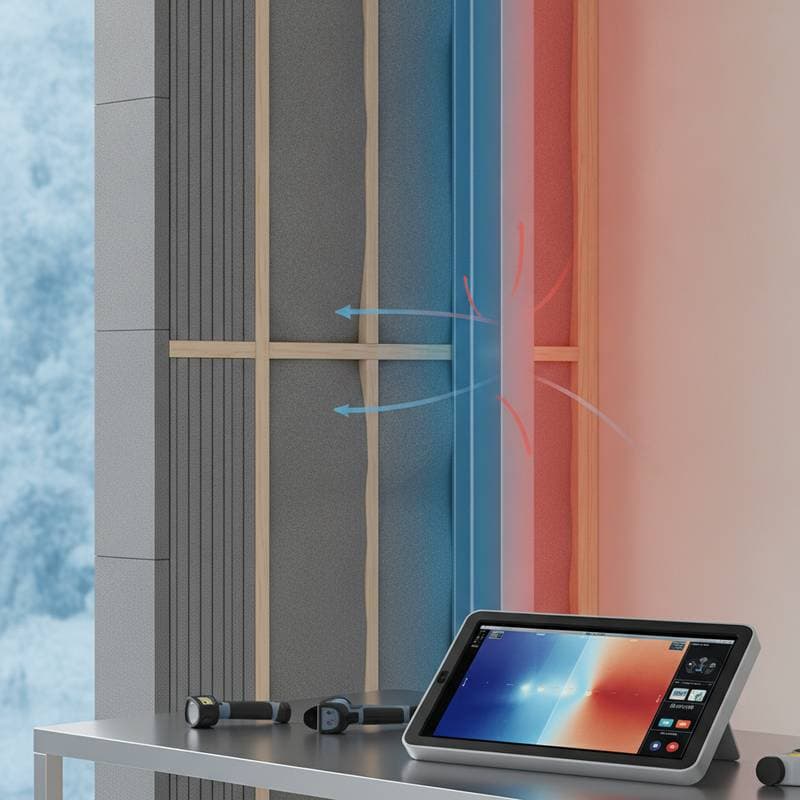
In moderate climates, any added heat loss stays minimal compared to summer gains. Adequate attic insulation compensates effectively across seasons.
What if my roof has solar panels?
Coatings work compatibly, but installation requires careful coordination to avoid panel disruption. Professionals handle integration to maintain both systems' efficiency.
Steps to Upgrade Your Roof
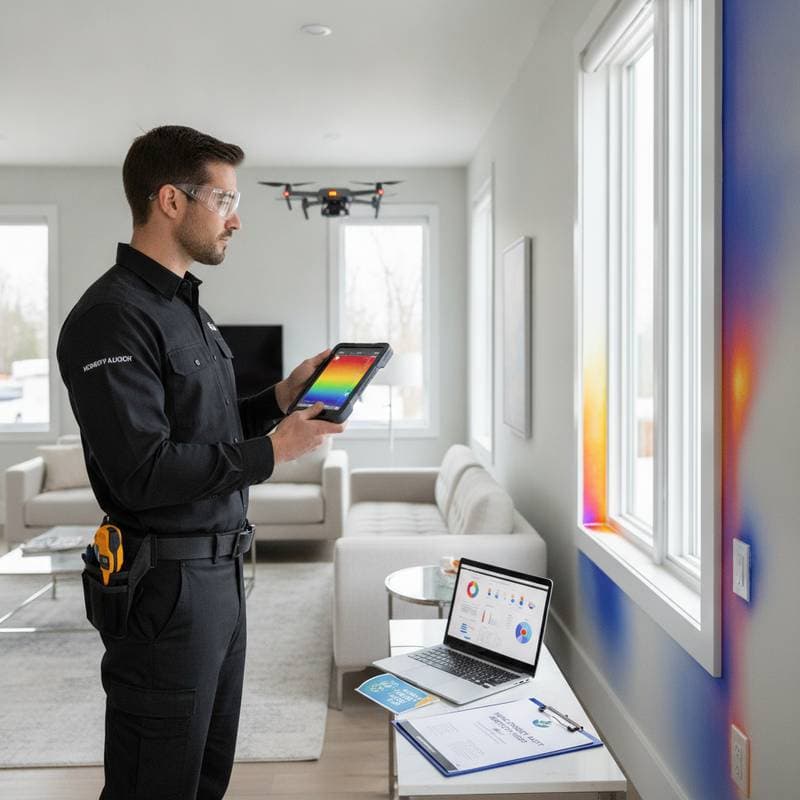
Start by evaluating your current roof condition through a professional assessment. Gather quotes from certified applicators experienced in reflective technologies. Review product specifications to align with your climate and budget.
Once selected, plan the project timing to coincide with off-peak energy use. After application, track your utility bills to quantify savings and adjust habits for even greater efficiency. This proactive approach delivers lasting comfort, cost reductions, and environmental contributions.