Key Points
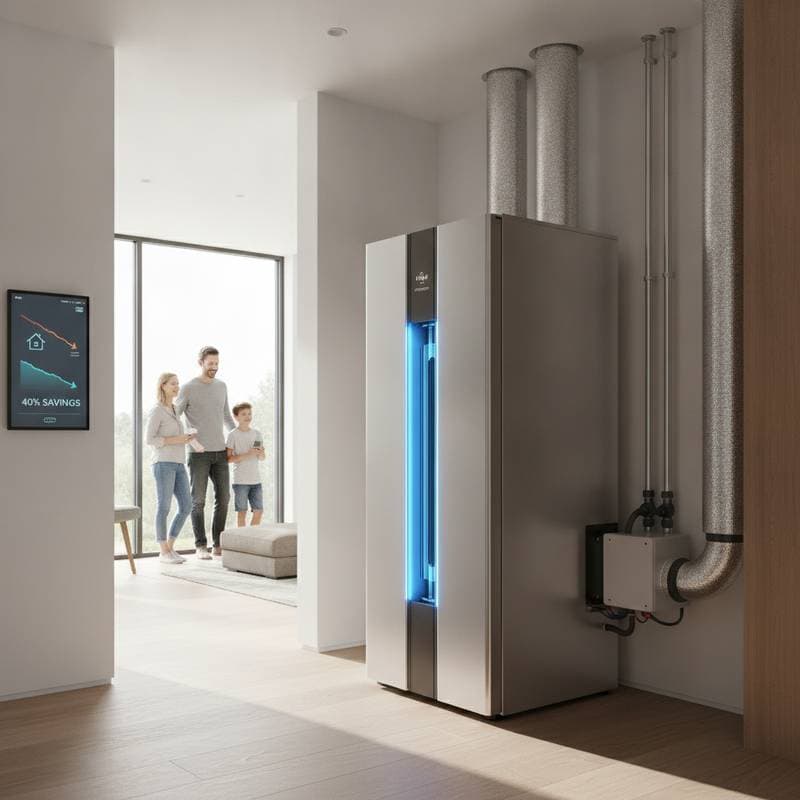
- Replacing gas appliances with electric options can lower household energy costs by about half, depending on local rates and usage habits.
- Induction cooktops, heat pump systems for heating and cooling, and electric water heaters deliver higher efficiency and reduced emissions.
- Performing multiple upgrades at once amplifies savings and cuts installation costs.
- Federal incentives, local programs, and utility rebates make electrification more affordable than many homeowners expect.
Everyday Challenges of Gas Dependence
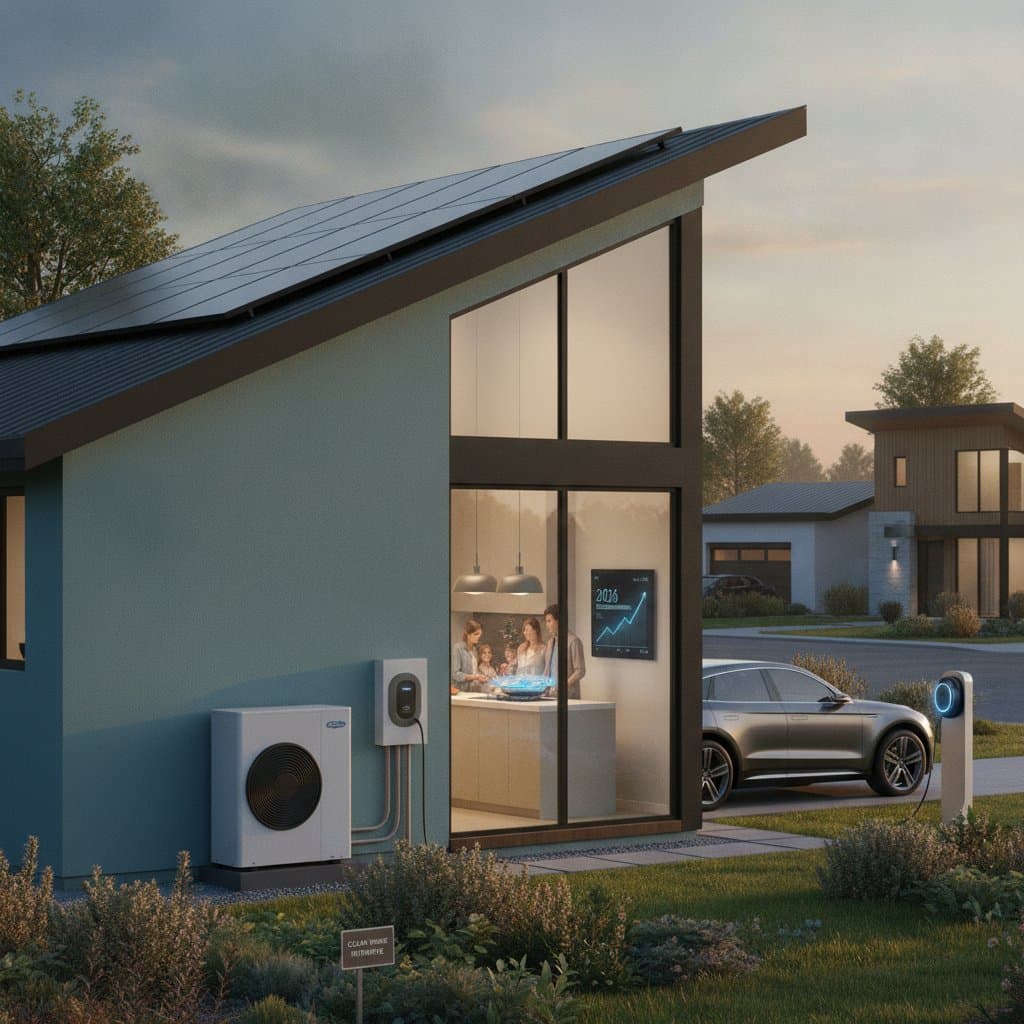
Picture this: You start cooking dinner, but a draft snuffs out the gas burner. Or your heating bill arrives, exceeding your monthly food budget. For many homeowners, gas has served as the standard for dependable performance. Advances in electric technology now question that assumption. A full transition to electric systems can slash gas bills by up to 60 percent, while boosting comfort, safety, and air quality indoors.
Why Electrify Your Home
The financial benefits stand out clearly. Electricity used to cost more, but rising gas prices paired with efficient electric systems have changed the balance. Each kilowatt-hour of electricity provides more value than a comparable amount of gas. Electric homes also avoid hidden maintenance costs from combustion appliances, like chimney cleaning, carbon monoxide detectors, and ductwork fixes.
On the environmental side, electrification removes emissions at the source. This means cleaner air inside for occupants and less pollution outside. As the grid incorporates more renewables, the carbon impact of an electric home shrinks over time with no extra work from the owner.
Planning Your Transition
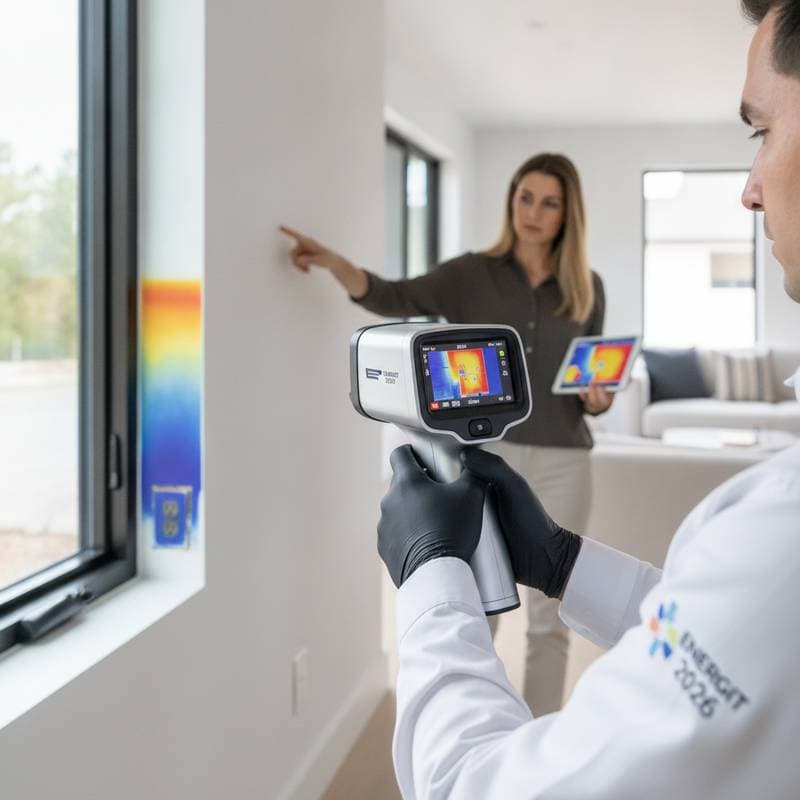
Before phasing out gas, assess your home's electrical setup. Older panels may need upgrades to handle modern demands. Hire a licensed electrician to check if a 200-amp service upgrade is required or if your existing system works.
Prioritize upgrades that offer the biggest efficiency gains:
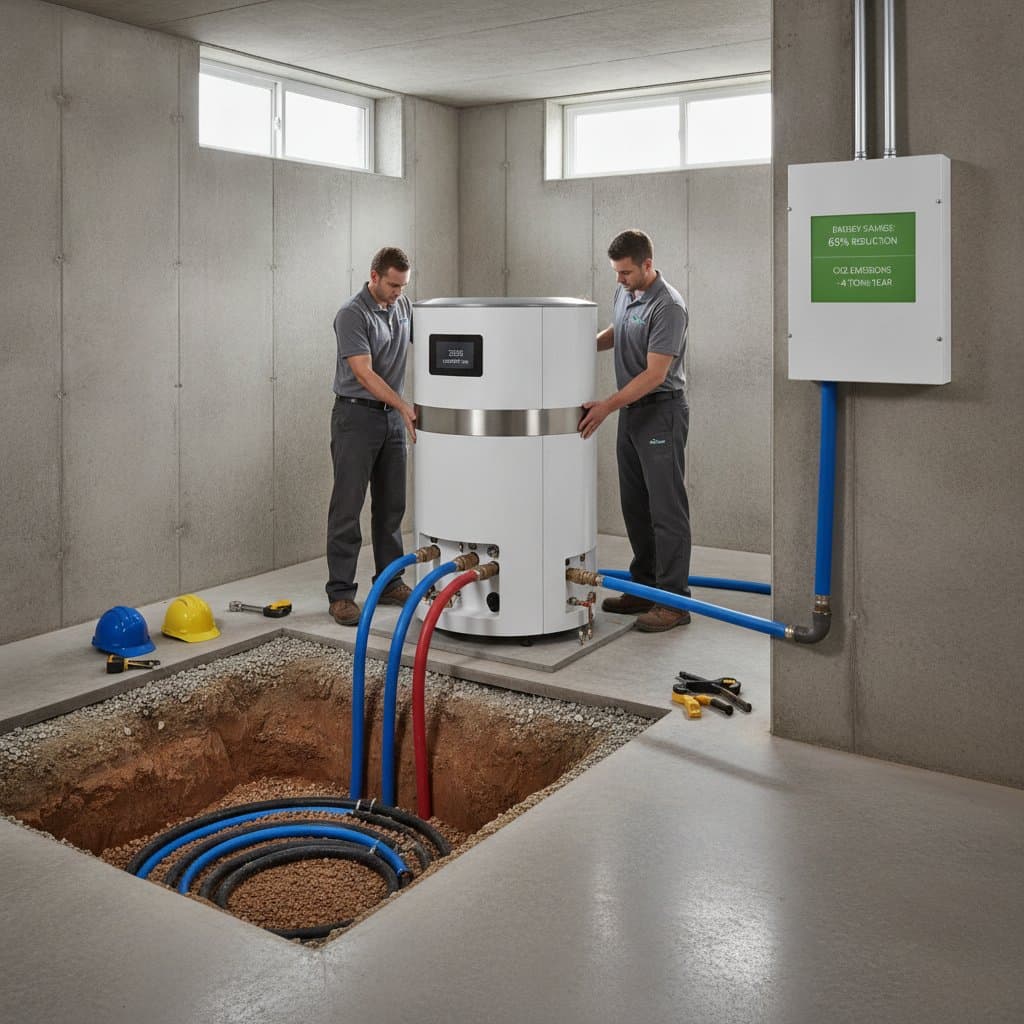
- Heating and Cooling: Heat pumps handle both tasks with one unit. They move heat instead of creating it, often producing three units of heat for every unit of electricity consumed.
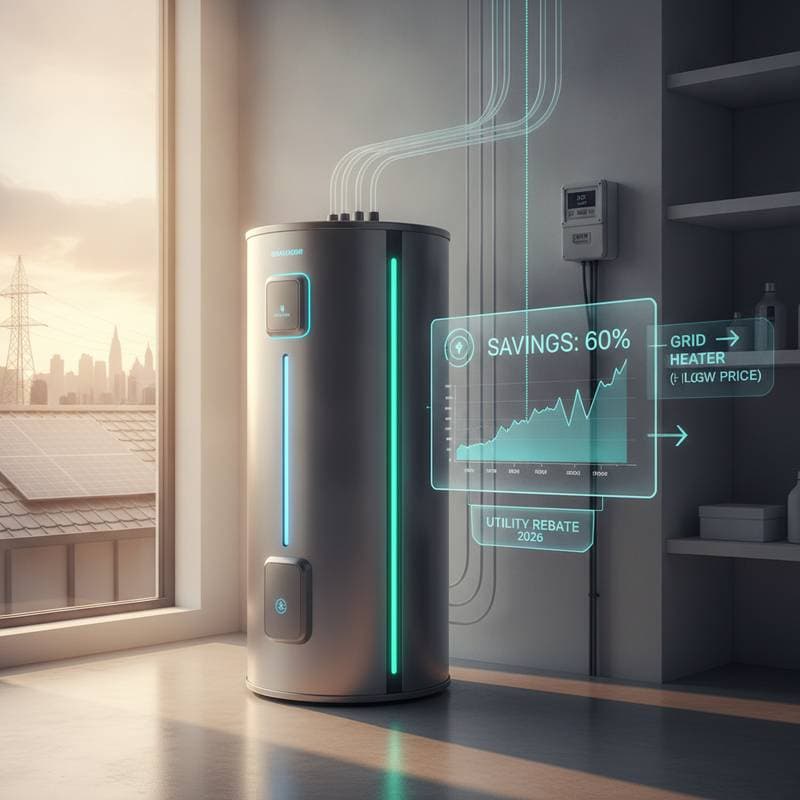
- Water Heating: Heat pump water heaters pull warmth from ambient air to heat water, cutting energy use by up to 70 percent compared to gas models.
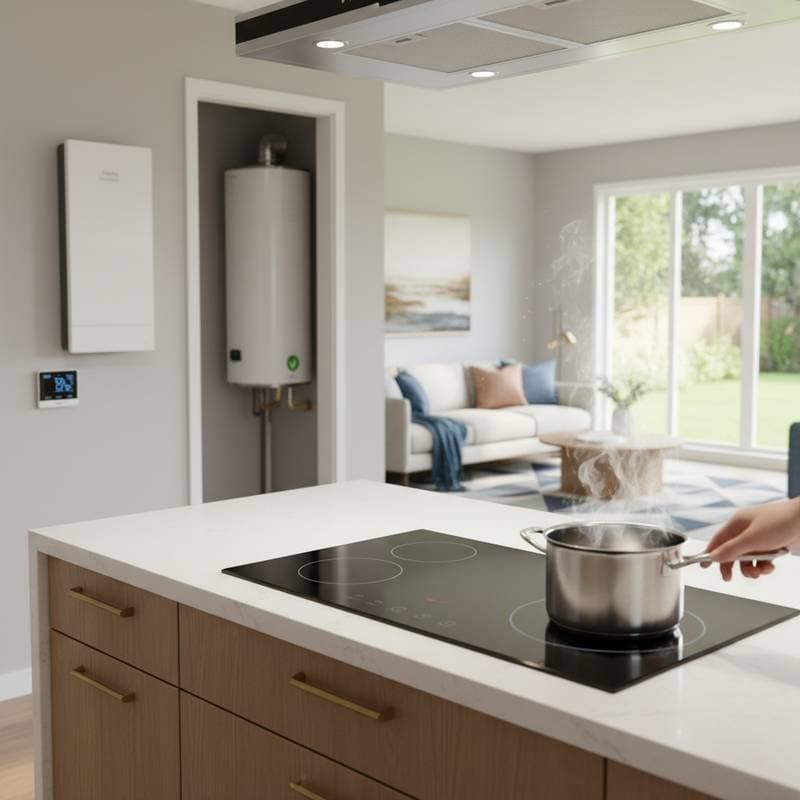
- Cooking: Induction cooktops use magnetic fields to heat pots directly, offering quick boiling and precise temperature control without open flames.
Combining these upgrades creates compounded advantages. Schedule installations together to reduce disruptions, as experts handle wiring and adjustments in one go.
Costs and Payback Timeline
Electrification costs vary by home size, age, and regional labor rates. Use these rough estimates for planning:
- Heat Pump HVAC System: $8,000 to $18,000 installed
- Heat Pump Water Heater: $2,000 to $5,000 installed
- Induction Cooktop with Electrical Work: $1,200 to $4,000
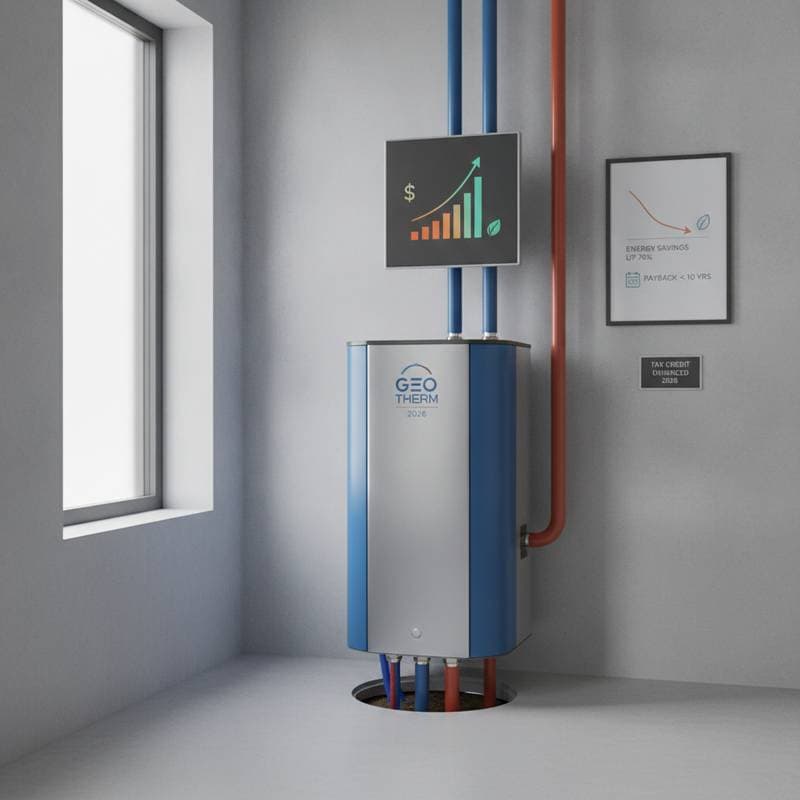
These upfront costs seem high, but incentives change the picture. Utility rebates and federal tax credits frequently offset 20 to 40 percent of expenses. Lower energy bills and reduced maintenance often recover the investment in five to ten years.
Electric features also boost home value. Buyers view energy-efficient upgrades as premium assets, similar to high-end countertops or better windows.
Blending Upgrades with Your Home's Style
Electrification improves design without sacrificing looks. Induction cooktops offer sleek, seamless surfaces that fit contemporary kitchens. Compact heat pump units free up space in attics or basements.
In homes with limited utility access, choose mini-split heat pumps for zoned control. These units target specific areas, heating or cooling only where needed. This approach can save hundreds of dollars yearly on energy.
Boosting Efficiency and Eco-Friendliness
Electric appliances convert energy more effectively than combustion-based ones. A gas furnace reaches at most 90 percent efficiency, while a heat pump exceeds 300 percent by transferring existing heat instead of burning fuel.
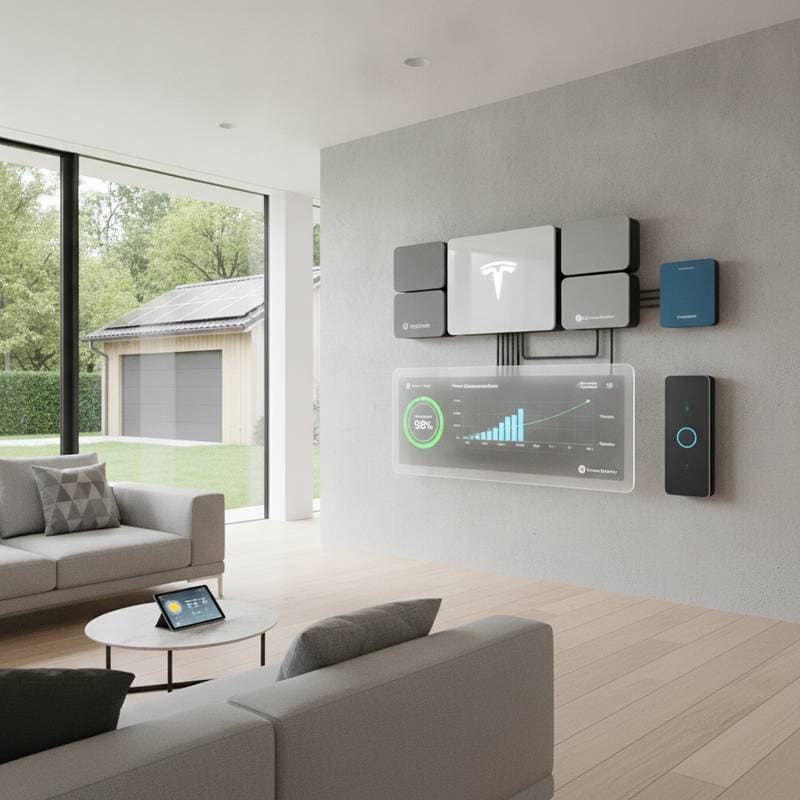
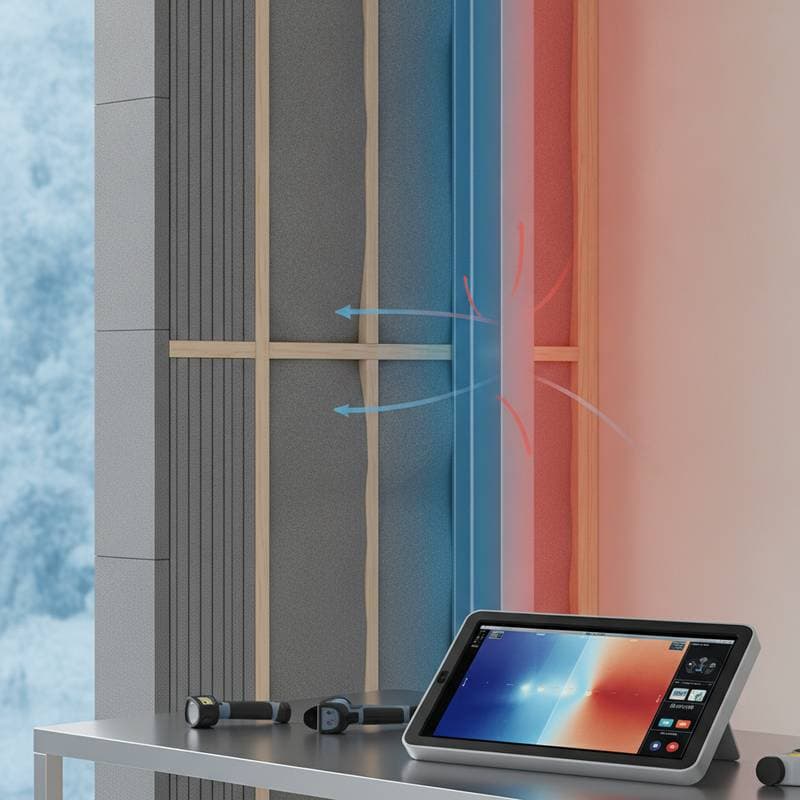
Enhance these systems with smart thermostats, motion sensors, and strong insulation for even better outcomes. Simple additions like LED lights or ceiling fans amplify savings once the main systems switch to electric.
Addressing Frequent Concerns
Do all appliances need replacement at once? Not necessarily. Replace items as they fail. Swap a broken water heater or furnace for an electric model to prevent duplicate work later.
Will electric bills skyrocket? Electricity use increases, but gas costs drop more. Built-in efficiencies usually lead to substantial overall reductions in energy spending.
Does cooking performance decline? Induction excels in speed and precision. The magnetic heating targets the cookware, boiling water in less than half the time of gas.
What safety gains come with electrification? Electric systems eliminate carbon monoxide risks, gas leaks, and indoor nitrogen dioxide. They also reduce fire dangers from pilots and open flames.
How do incentives work? Programs require certified equipment and pro installation. Rewards appear as rebates, tax credits, or point-of-sale discounts, depending on your area and provider.
Your Path to an All-Electric Home
Begin with an electrician-conducted load assessment. Investigate incentives via federal and utility websites. Choose certified gear that matches your needs and style.
Coordinate installations for maximum efficiency. Track results after setup using smart monitors for fine-tuning. These steps secure long-term savings, better living conditions, and a lighter environmental impact.