Key Points
- Geothermal HVAC systems reduce energy bills by up to 65 percent compared to traditional heating and cooling methods.
- These systems leverage the earth's consistent underground temperatures to heat and cool buildings with high efficiency, decreasing dependence on fossil fuels.
- Tax credits and regional incentives frequently lower installation expenses beyond initial expectations for many property owners.
- With regular upkeep, geothermal systems endure for twice the duration of conventional air conditioners or furnaces.
- Increasing emphasis on sustainable practices propels demand for ground-source heat pumps in residential and commercial settings.
How Geothermal HVAC Works
Geothermal HVAC, also known as a ground-source heat pump system, facilitates heat exchange between a building and the stable temperatures found just below the earth's surface. Underground, soil and rock maintain a relatively constant temperature throughout the year, typically between 45 and 75 degrees Fahrenheit depending on location. This reliability enables the system to transfer heat with minimal energy input, avoiding the need for fuel combustion.
The Technical Breakdown
-
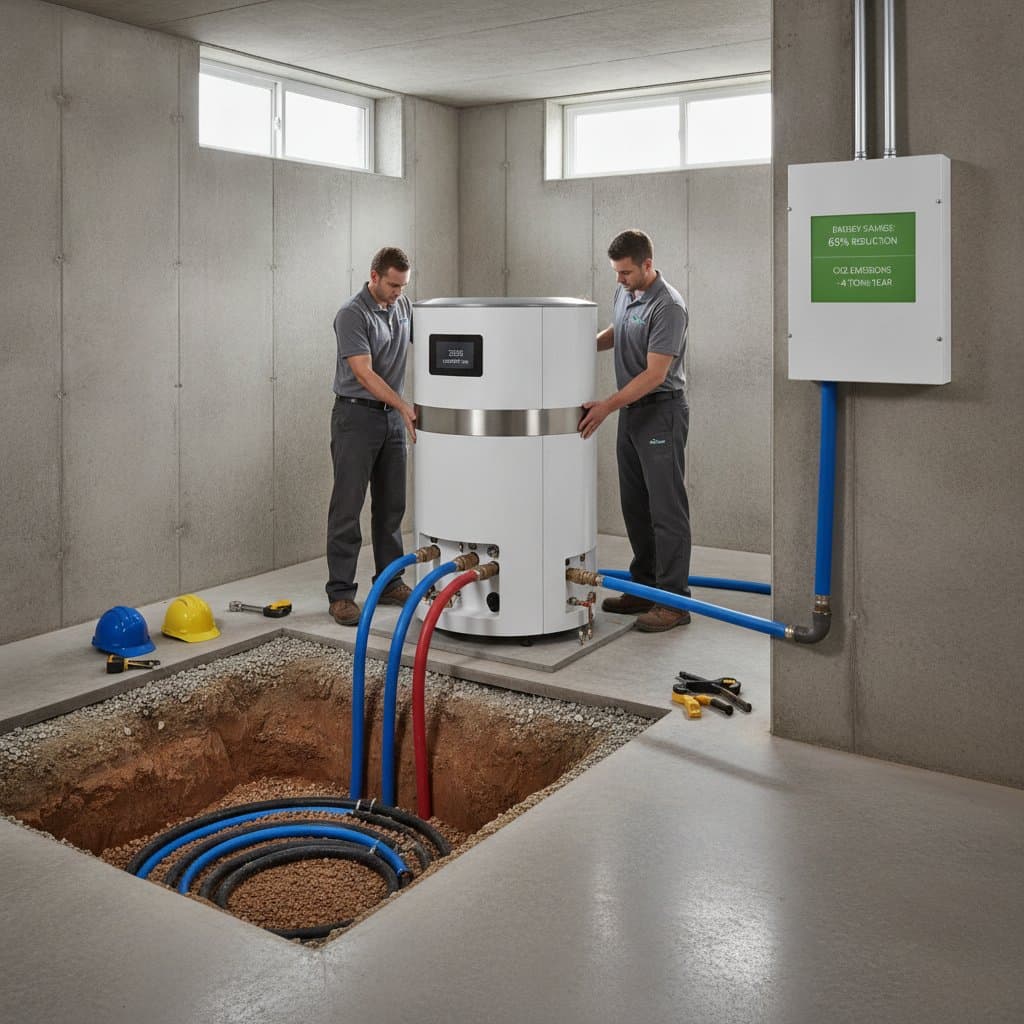
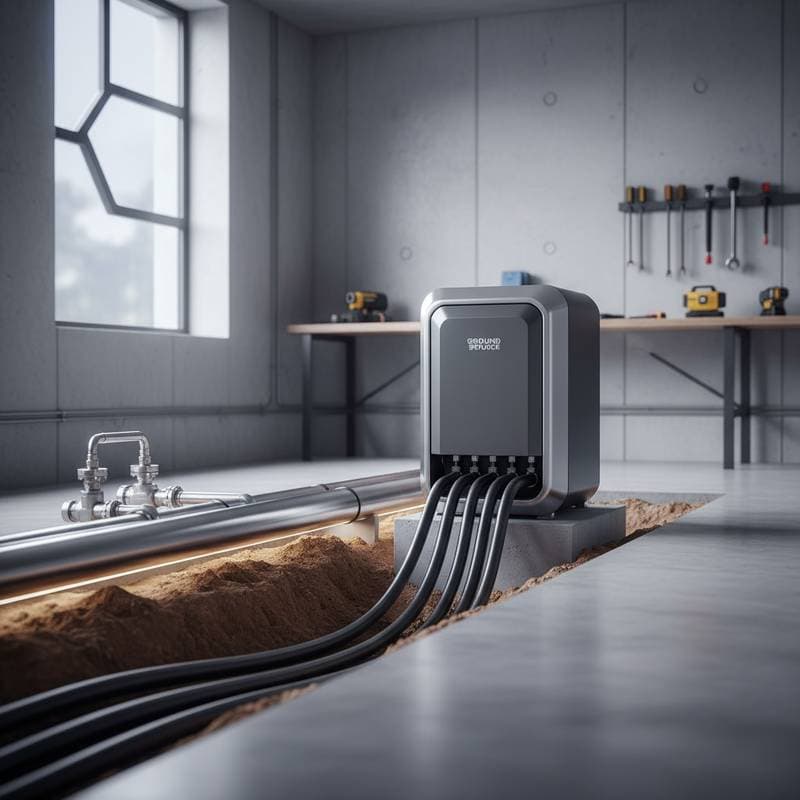
Ground Loop: Pipes form a buried network, installed either in horizontal trenches or vertical boreholes. A fluid mixture, often water and antifreeze, flows through these pipes to capture heat from the ground in winter or dissipate excess heat in summer.
-
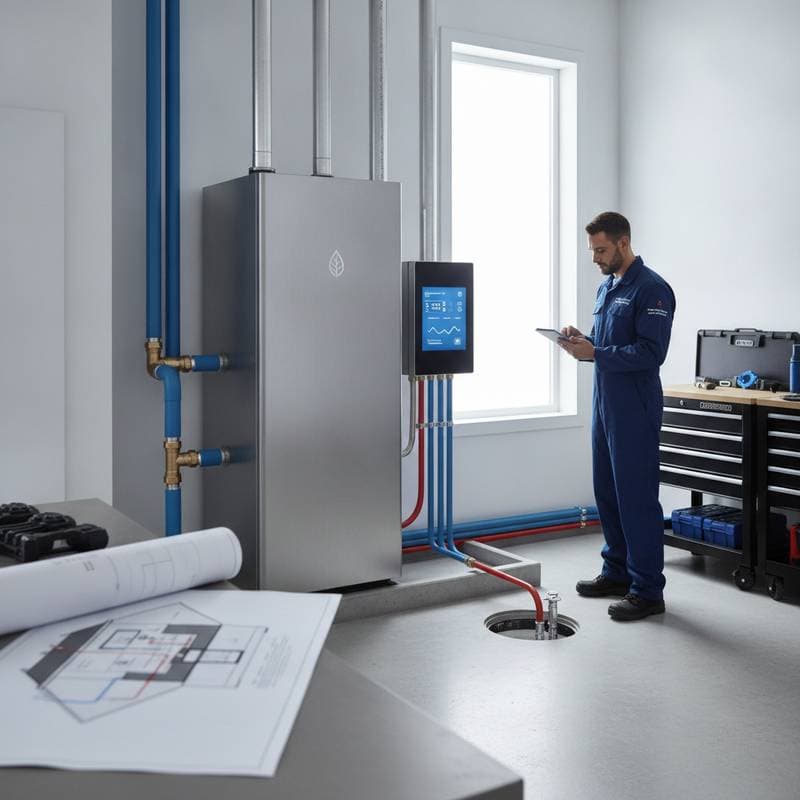
Heat Pump Unit: Positioned indoors, this component compresses and circulates the fluid, extracting warmth from the loop during cold months or rejecting it during warm periods. The process amplifies the temperature difference for effective heating or cooling.
-
Distribution System: Conditioned air moves through existing ducts, or warm water circulates via radiant flooring or baseboard heaters, ensuring even comfort across the space.
The ground's thermal stability surpasses outdoor air fluctuations, allowing geothermal systems to operate at efficiencies two to four times higher than standard units. Homeowners notice quieter performance and consistent indoor conditions year-round.
Environmental Benefits Beyond Cost Savings
Geothermal HVAC extends value far past financial reductions. These systems offer among the purest methods for temperature regulation available. They rely on electricity to relocate heat rather than generate it via burning fuels, producing no on-site greenhouse gas emissions.
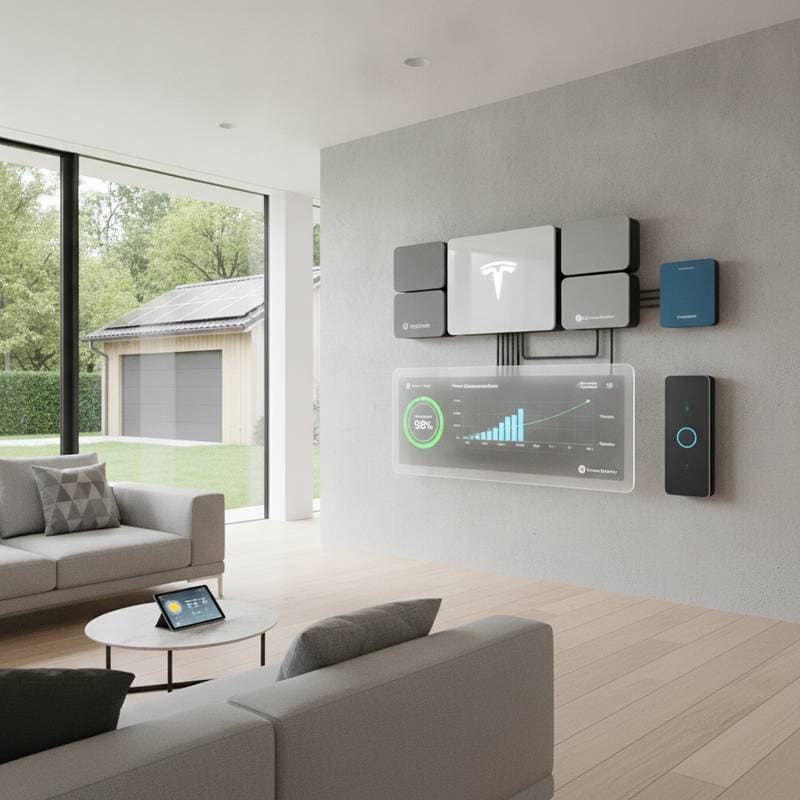
Paired with renewable sources like solar panels or wind power, a geothermal setup achieves near-total carbon neutrality. In areas dependent on fossil fuel-based grids, emissions still drop by 30 to 70 percent relative to gas or oil alternatives, according to efficiency metrics.
Reduced Resource Consumption
-
Eliminated Fuel Needs: Systems bypass requirements for natural gas, propane, or heating oil entirely.
-
Conserved Water Usage: Closed loops recycle the same fluid indefinitely, avoiding evaporation or drainage losses common in evaporative coolers.
-
Limited Site Impact: Installation disturbs minimal surface area, with no need for rooftop units, chimneys, or expansive outdoor equipment.
Such features position geothermal technology as essential for pursuing energy-neutral structures, aligning with global efforts to curb climate impacts.
Addressing Common Misconceptions
Geothermal systems gain traction yet face persistent myths that deter adoption. Clarifying these points helps potential users make informed decisions.
Limited Space Requirements
Vertical configurations suit small properties effectively. Drilling reaches depths of 100 to 400 feet, requiring only 250 to 500 square feet of yard space for access points. Horizontal options work for larger lots with shallow burial.
Climate Versatility
Stable subsurface conditions ensure performance across diverse environments. In arid deserts or frigid northern regions, geothermal efficiency often exceeds air-source alternatives, which falter in temperature extremes. Case studies from Alaska to Arizona demonstrate reliable operation.
Simplified Maintenance
Geothermal units demand less attention than conventional systems. Indoor components shield from elements, and buried loops contain no mechanical parts prone to failure. Annual filter changes and biennial professional inspections maintain peak function, often extending warranties to 50 years for the ground loop.
Applications in Commercial and Community Settings
Geothermal HVAC proves versatile beyond homes, reshaping energy strategies in public and business facilities. Schools benefit from zoned systems that adjust to varying occupancy, while hospitals maintain precise conditions with dependable uptime.
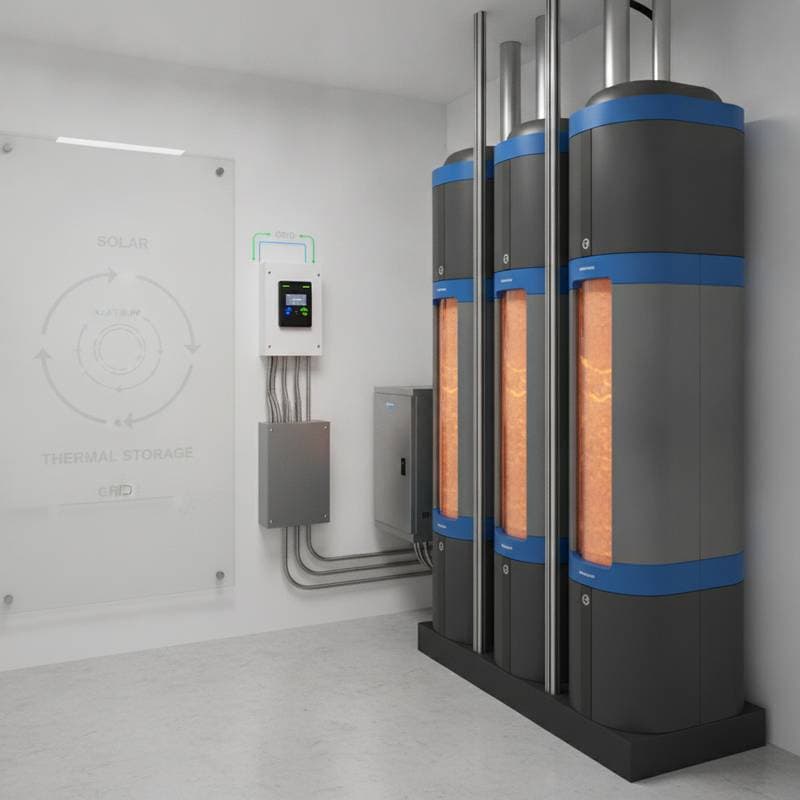
Large installations often incorporate shared infrastructure. A district network links multiple structures to one extensive loop field, optimizing energy use. For instance, a commercial complex might store cooling waste heat underground for later retrieval by adjacent offices or apartments, enhancing overall system balance.
This approach eases grid strain during peak hours and supports urban sustainability plans. Cities increasingly mandate geothermal integration in new developments, fostering resilient communities with lower collective carbon footprints.
Financial Incentives and Return on Investment
Incentives amplify the economic appeal of geothermal HVAC. Federal programs offer a 30 percent tax credit covering equipment, labor, and related site preparation. State rebates vary, with examples including $1,000 per ton in California or low-interest loans through utility partnerships.
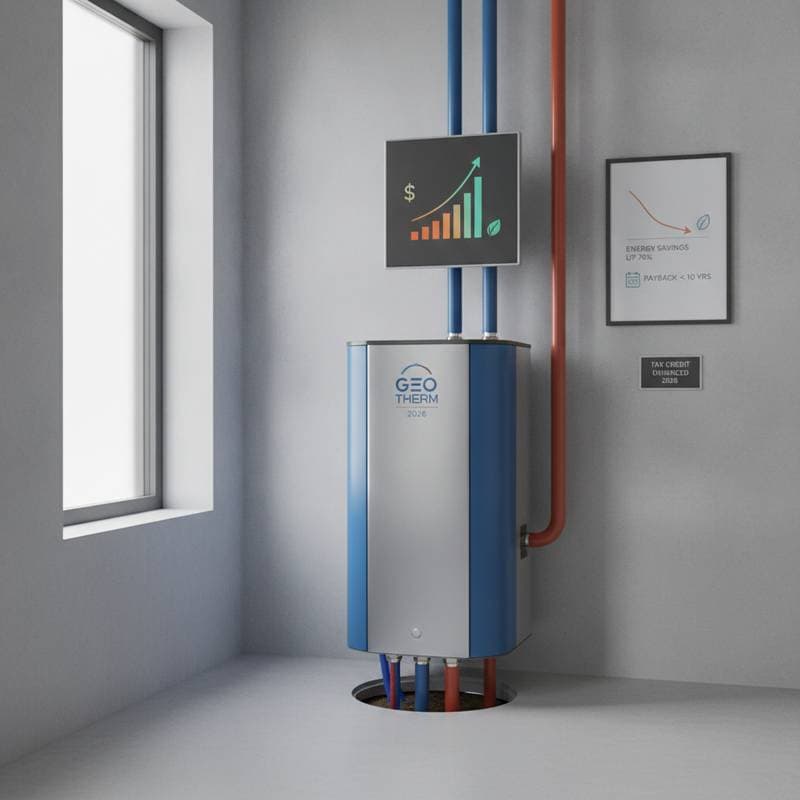
Initial costs range from $20,000 to $40,000 for a typical home, but incentives trim this by 40 to 60 percent. Annual energy expenses plummet: a family spending $2,500 on utilities might reduce to $875, yielding $1,625 in yearly savings. Over the system's 25-year lifespan, cumulative benefits exceed $40,000, factoring in inflation on fuel prices.
Businesses recoup investments faster through scaled efficiencies and deductions. Tools like the Department of Energy's calculators help estimate personalized returns, confirming viability for diverse budgets.
Emerging Trends in Geothermal Adoption
Multiple dynamics accelerate geothermal integration into mainstream HVAC. Escalating utility rates prioritize high-efficiency options, prompting renovations in older buildings. Updated building codes in many states now favor low-emission technologies, influencing developer choices.
Innovations in materials and installation techniques cut upfront expenses by 20 percent since 2015. Compact pumps and modular loops simplify retrofits, while smart controls integrate with home automation for further optimization. Market data indicates a 15 percent annual growth, with over 100,000 units deployed in the U.S. last year alone.
Manufacturer support solidifies reliability, as leading brands certify installers and provide extended guarantees. This maturation shifts perceptions from niche to necessity, empowering users to embrace forward-thinking climate solutions.
Steps to Install Geothermal HVAC
Transitioning to geothermal begins with assessment. Consult certified professionals to evaluate site suitability, including soil type and space availability. Request multiple quotes to compare system designs and incentive applications.
Secure financing through tax credits or rebates early in planning. During installation, expect 1 to 3 weeks for loop burial and unit setup, minimizing disruption. Post-installation, monitor performance via built-in diagnostics to maximize savings and comfort.
Homeowners who act now position themselves for 2026's greener standards, securing enduring efficiency and environmental gains.