Geothermal HVAC: 2026's Smartest Energy Saver
When homeowners consider options for reducing energy bills while maintaining year-round comfort, geothermal HVAC systems emerge as a leading choice. These systems draw heating and cooling from the stable temperature of the earth below the property, operating quietly and efficiently without relying on combustion-based fuels that increase expenses. As demand grows for sustainable solutions that provide real results, geothermal technology offers reliable comfort and substantial long-term savings for residences and commercial spaces.
Key Points
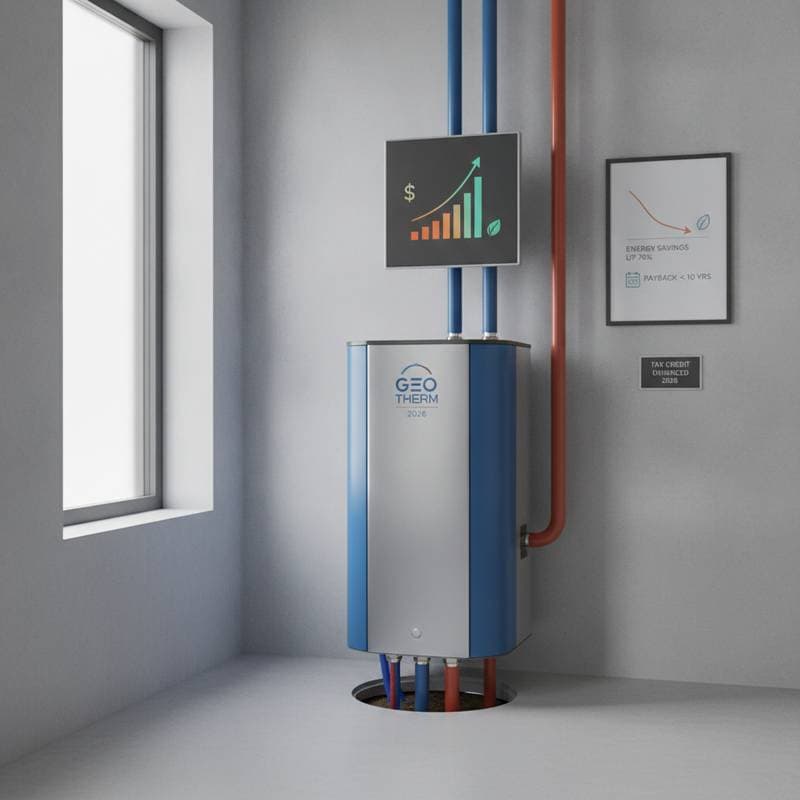
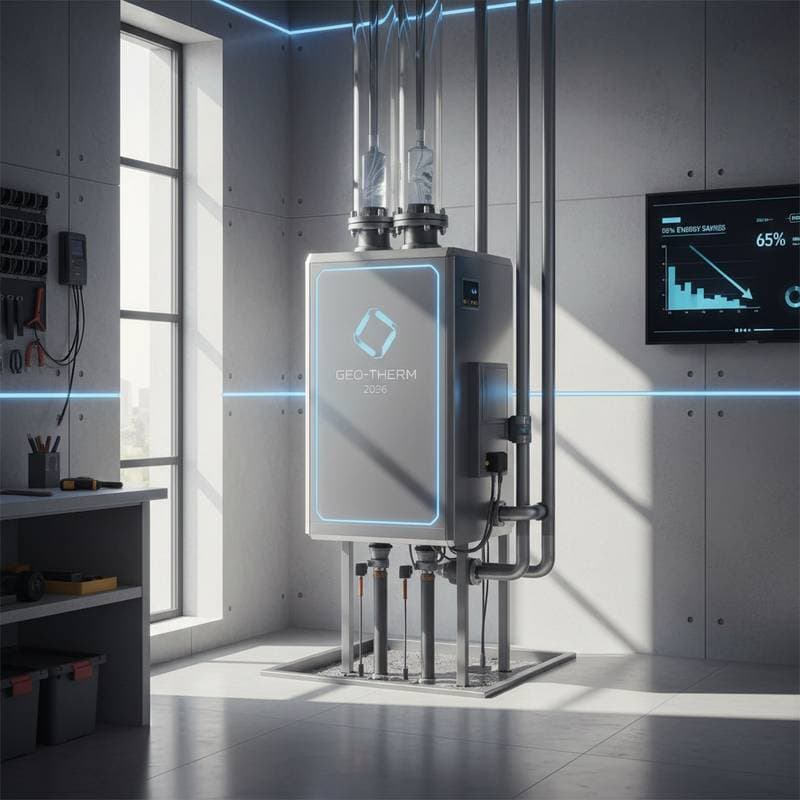
- Geothermal HVAC systems reduce heating and cooling bills by up to 65 percent relative to traditional setups.
- Ground-source heat pumps facilitate energy exchange with the earth rather than fluctuating outdoor air.
- Indoor components last up to 25 years, while underground loops endure 50 years or longer.
- Federal and local incentives lower installation costs by 20 to 40 percent, easing the upfront expense.
- These systems minimize carbon emissions, promoting cleaner air and decreasing dependence on fossil fuels.
Comparing Geothermal and Conventional Systems
| Feature | Geothermal HVAC | Conventional HVAC |
|---|---|---|
| Energy Efficiency | Up to 500% | 80–95% for heating, 13–20 SEER for cooling |
| Fuel Type | Electricity (no combustion) | Gas, oil, or electricity |
| Lifespan | 25 years indoors, 50+ years underground | 15–20 years average |
| Carbon Emissions | Minimal | Moderate to high |
| Maintenance | Low | Moderate to high |
| Annual Operating Cost | 40–65% lower | Higher due to fuel and maintenance |
This table highlights the advantages driving adoption among homeowners and businesses. Lower operating expenses combined with extended durability yield a strong return on investment that strengthens over the system's life.
Practical Considerations for Installation
Site evaluation forms the foundation of a successful geothermal HVAC installation. Factors such as soil composition, available land, and groundwater presence shape the system design. Three primary loop configurations address varying property conditions:
- Horizontal Loops: Suitable for sites with sufficient open space, these involve burying pipes in trenches at a depth of several feet.
- Vertical Loops: Appropriate for compact areas, these descend hundreds of feet through slim boreholes.
- Pond or Lake Loops: Feasible near accessible water bodies, these position pipes underwater for effective heat transfer.
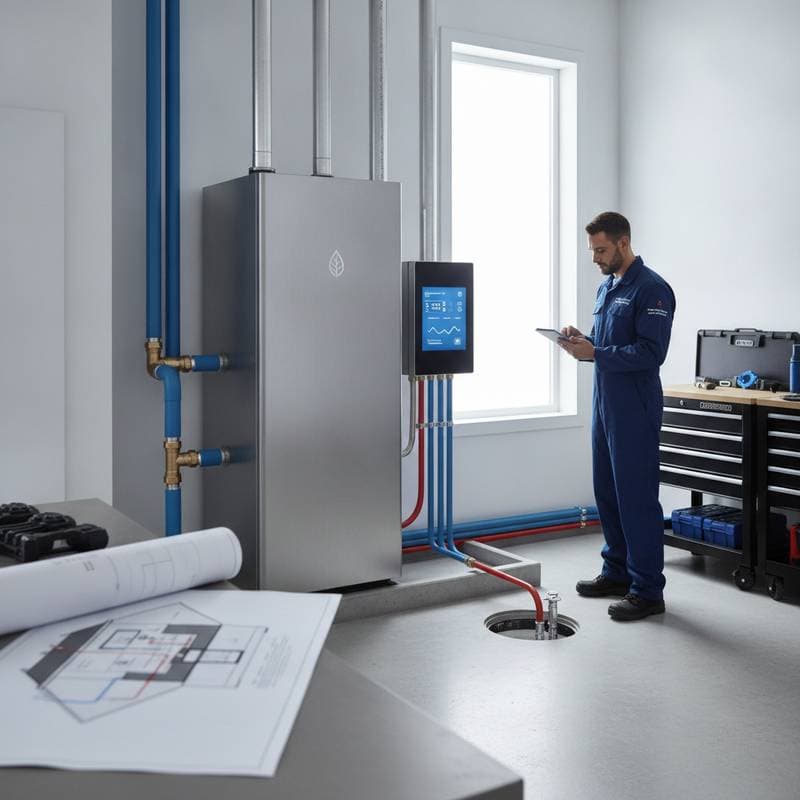
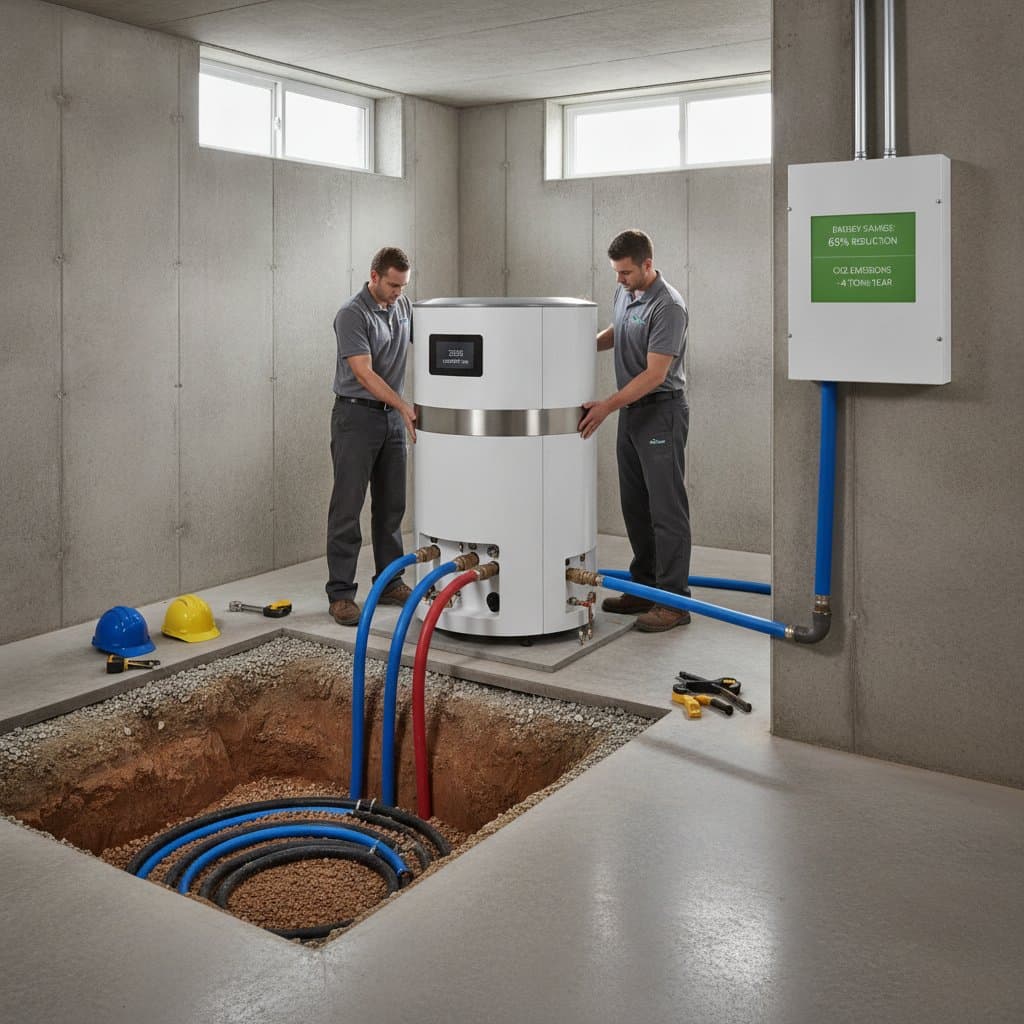
Certified installers conduct thorough assessments to select the optimal setup. The process entails placing the loops, linking them to the heat pump unit, and connecting to existing ducts or radiant flooring. After completion, the underground elements demand minimal upkeep.
Space and Aesthetic Benefits
Geothermal installations avoid prominent outdoor units, concealing all components either below ground or within the building. This approach prevents noise disturbances and maintains landscape appeal. Protection from environmental elements also enhances equipment durability.
Integration with Renewable Energy
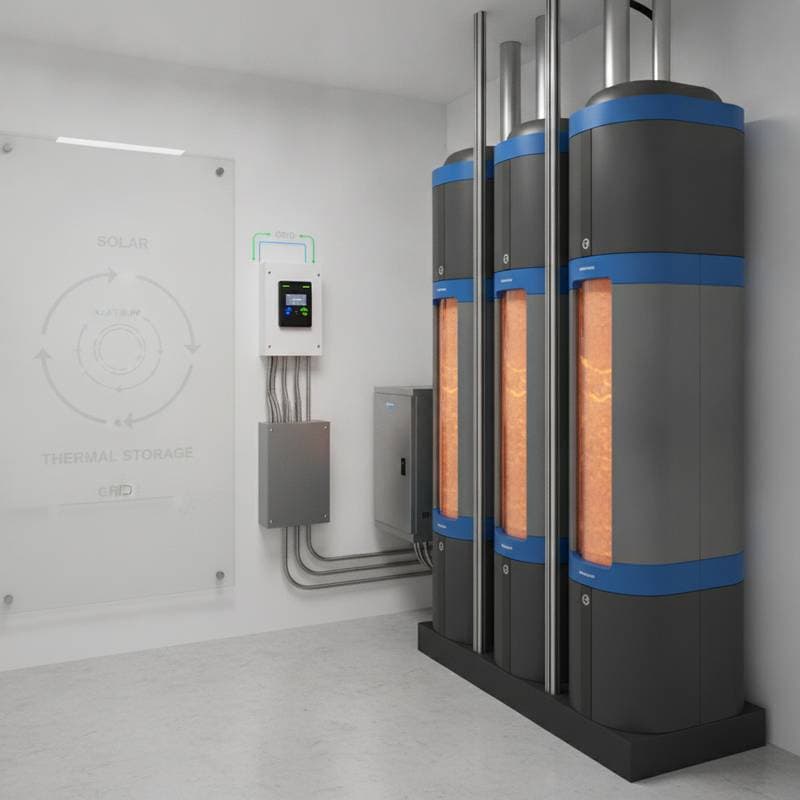
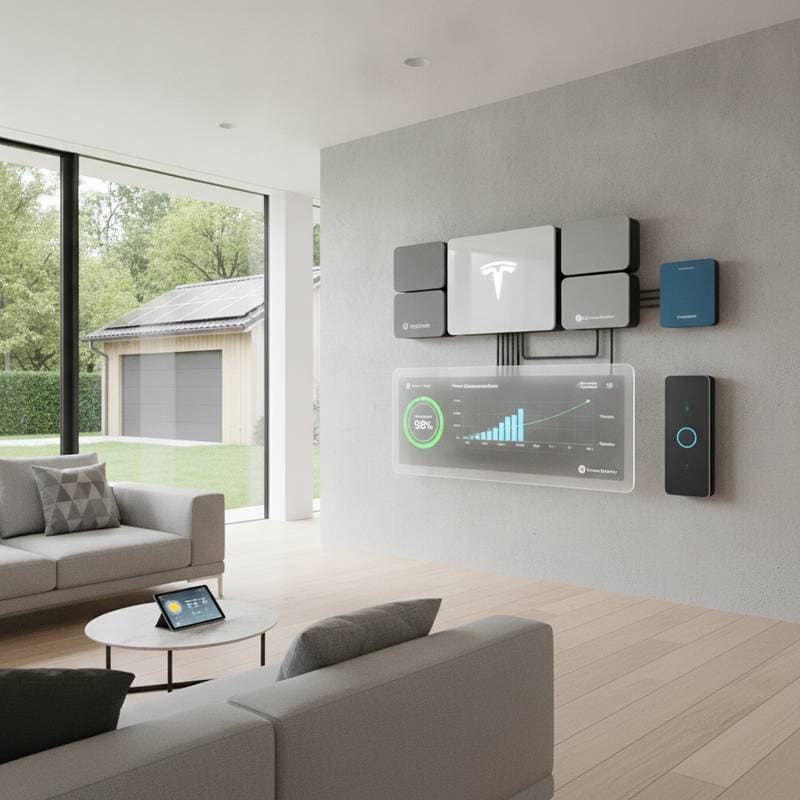
Combining geothermal HVAC with renewable power sources heightens environmental benefits. Homeowners often pair these systems with solar panels, sourcing the required electricity from on-site production. Such integration approaches zero energy costs during peak periods and lessens overall ecological footprint.
Utility programs like net metering credit excess solar output, further incentivizing this synergy. Together, geothermal and solar create a resilient, self-reliant energy framework that bolsters grid reliability and curbs reliance on imported fuels.
Common Misconceptions and Clarifications
Myth 1: Geothermal systems demand expansive properties.
Although horizontal loops require open areas, vertical options suit smaller urban lots, broadening accessibility.
Myth 2: Performance limits to temperate climates.
Stable ground temperatures ensure efficiency across diverse regions, from frigid winters to scorching summers.
Myth 3: The technology remains experimental.
Ground-source heat pumps have proven reliable for decades, with recent advances improving efficiency, cost, and compatibility with intelligent home features.
Myth 4: Underground repairs prove expensive.
Loop malfunctions occur infrequently; accessible indoor parts handle most service needs affordably.
Addressing these concerns enables confident choices grounded in accurate information.
Smart Controls and Modern Integration
Contemporary geothermal systems integrate seamlessly with smart thermostats and home automation platforms, enabling precise management of temperature zones and consumption. Mobile applications deliver real-time monitoring of energy usage, allowing direct observation of efficiencies gained.
Adaptive features learn user patterns and refine operations automatically. This intelligence yields an additional 5 to 10 percent in savings beyond baseline performance.
Long-Term Value and Property Benefits
Geothermal installations elevate property appeal in competitive markets. Buyers favor energy-efficient features, and these systems serve as compelling assets that accelerate sales and command premium prices. Market analyses confirm quicker transactions and value increases for equipped homes.
The enduring nature of underground loops ensures sustained returns without frequent overhauls. Unlike conventional units needing periodic replacements, geothermal maintains output with routine care, delivering enduring financial and comfort advantages.
Steps to Adopt Geothermal HVAC
Begin the process with a professional energy audit from a certified specialist. This evaluation reviews site suitability, projects savings potential, and outlines incentive opportunities. Solicit bids from several contractors to compare equipment specifications, warranty coverage, and support commitments.
Explore financing via utility providers or governmental programs, which may include low-interest loans or rebates tied to performance. Post-installation, document pre- and post-conversion utility statements to quantify benefits and confirm system effectiveness.