Key Points
- Homeowners adopt geothermal HVAC systems to lower energy costs and reduce reliance on fossil fuels.
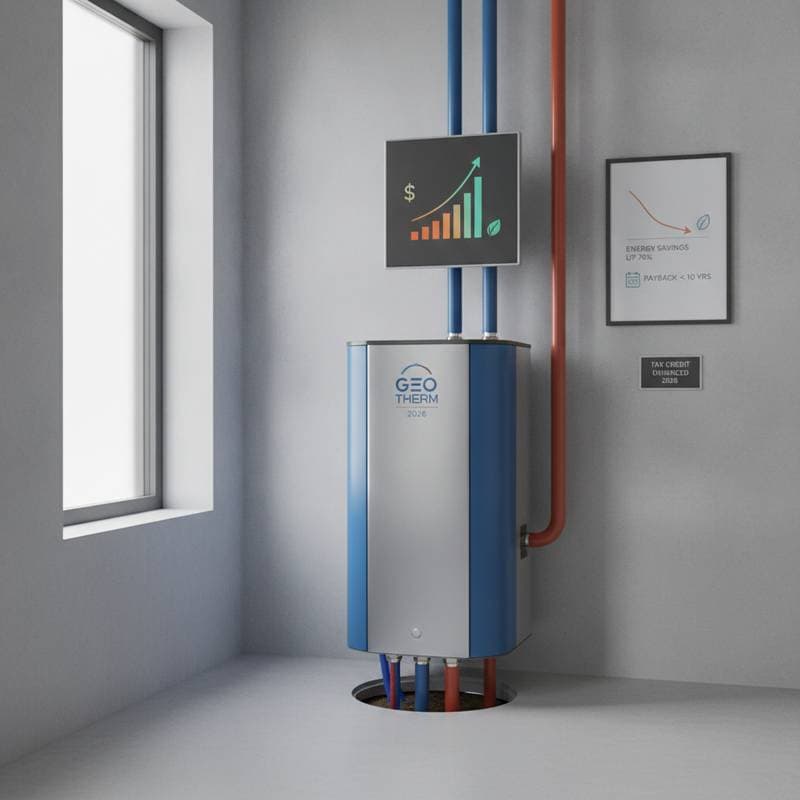
- Ground-source heat pumps cut heating and cooling expenses by up to 70 percent compared to traditional systems.
- Incentives, technological improvements, and rising energy prices make geothermal a smart long-term investment.
- Site evaluations, soil characteristics, and accurate system sizing ensure peak performance and strong financial returns.
How Geothermal Improves Home Comfort and Savings
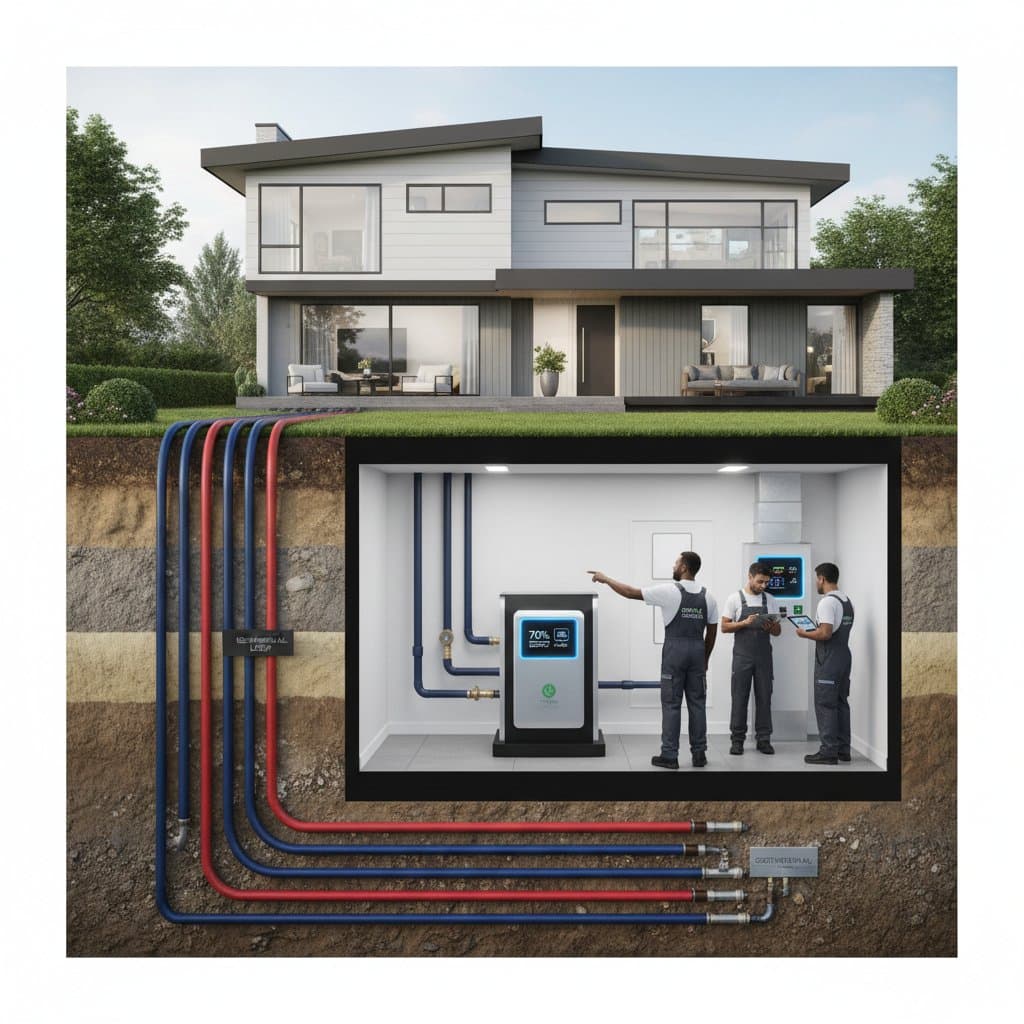
The ground beneath a home maintains a steady temperature year-round, typically ranging from 50 to 60 degrees Fahrenheit. Geothermal HVAC systems tap into this stable underground energy source for efficient heating and cooling. In winter, the system extracts heat from the earth to warm the interior. In summer, it transfers excess indoor heat back into the soil.
This method delivers quieter, more reliable, and eco-friendly comfort. Initial costs surpass those of conventional HVAC setups, but energy savings often recoup the investment in seven to twelve years, depending on system size and local utility rates. Homeowners gain consistent temperatures without the noise or inefficiency of traditional units.
Environmentally, the advantages appear rapidly. These systems sharply reduce greenhouse gas emissions and eliminate on-site fuel combustion. As a result, indoor air quality rises, and household carbon footprints shrink significantly.
Breaking Down Costs and Return on Investment
Installation costs vary based on soil type, system size, and loop design. Grasping these factors helps homeowners project realistic financial outcomes.
Upfront Installation Costs
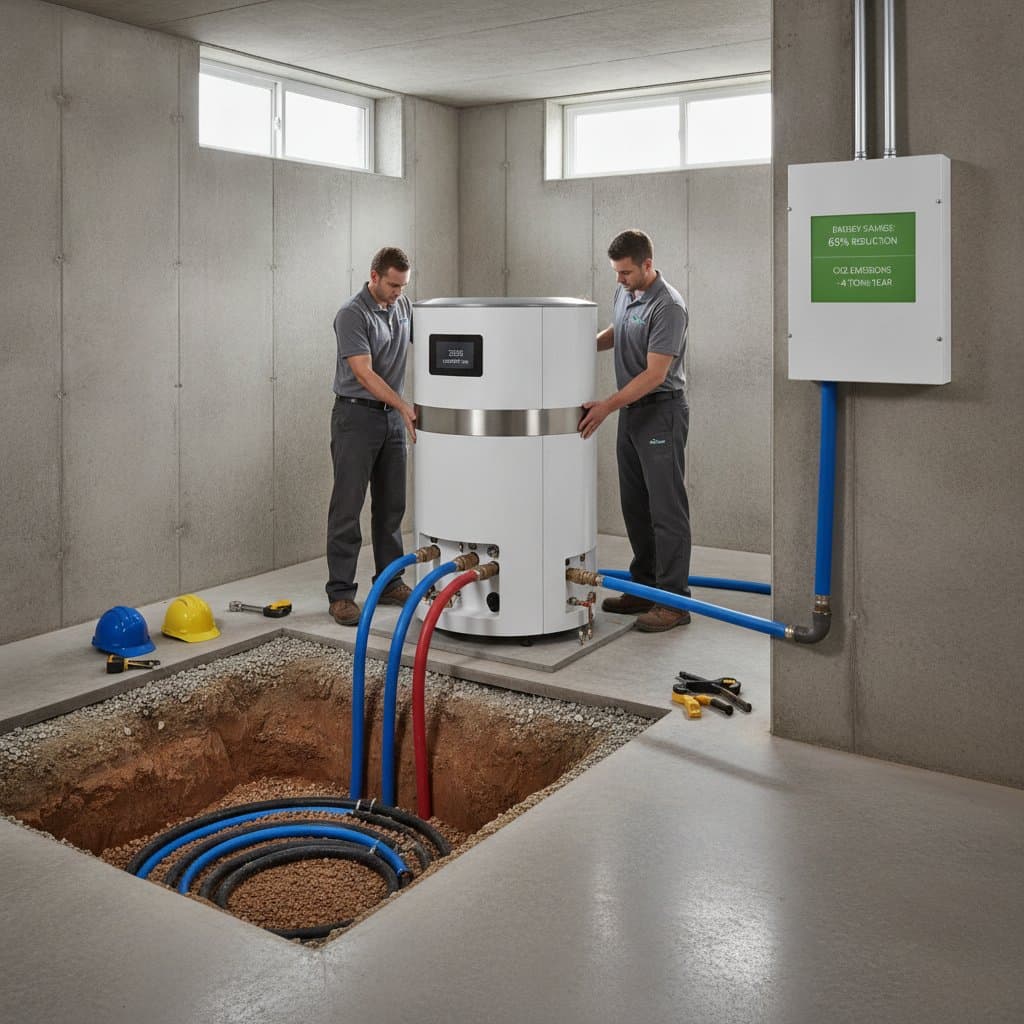
- Ground loops, created through drilling or trenching, form 30 to 50 percent of the total expense.
- The heat pump unit accounts for 25 to 35 percent.
- Distribution elements like ductwork and controls make up 15 to 25 percent.
- Labor and engineering design add 10 to 20 percent.
For a typical home, the full installation falls between $18,000 and $35,000. This amount exceeds prices for air-source heat pumps or furnaces, but the enduring benefits outweigh the difference. Federal tax credits and local rebates can reduce this outlay by thousands of dollars.
Long-Term Savings
- Energy use drops by 40 to 70 percent relative to fossil fuel systems.
- Maintenance expenses decrease by 25 to 50 percent due to fewer moving parts.
- Payback occurs in seven to twelve years.
After recovery, savings continue for decades. Underground loops last 50 years or more, while indoor components operate effectively for 20 to 25 years. Track utility bills monthly to monitor these gains and adjust habits for maximum efficiency.
Boost to Property Value
Buyers seek energy-efficient and low-maintenance homes. A geothermal system enhances desirability, often increasing resale value by 5 to 10 percent in regions with high energy costs or green building preferences. Appraisers recognize these upgrades as premium features that lower future ownership expenses.
Designing an Effective Geothermal System
Tailor the system to fit the property's layout and household needs for optimal results.
Vertical and Horizontal Loop Options
Vertical loops use deep boreholes, reaching 100 to 400 feet, which suit small urban or suburban lots with limited space. Horizontal loops install a few feet underground across larger areas, ideal for rural properties with ample yard.
Both configurations deliver similar efficiency when installed correctly. Consult a site survey to determine the best fit based on available land and excavation feasibility.
Open-Loop Systems
Sites with abundant, clean groundwater support open-loop designs. These systems pump water through the heat exchanger and return it to the aquifer. They often cost less upfront but require permits to ensure water quality and regulatory compliance.
Hybrid System Combinations
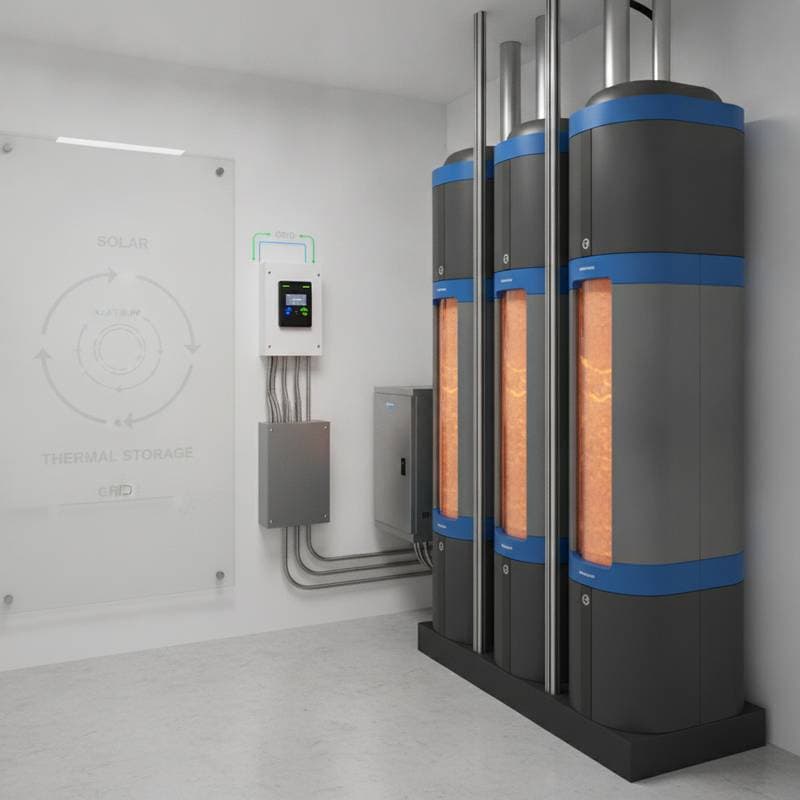
Integrate geothermal with solar panels to achieve near-zero energy use. Pair it with radiant floor heating for superior warmth distribution while using air handlers for cooling. These flexible arrangements meet diverse family requirements, from all-electric homes to supplemental setups.
Factors That Shape Geothermal Projects
Success depends on site conditions, budget limits, and homeowner goals.
Local Utility Rates
High electricity or gas prices shorten the payback period. In costly regions, savings accumulate faster, making the system a quicker financial win.
Soil and Climate Influences
Geothermal shines in cold climates by providing reliable heating during long winters. In moderate areas, it excels at cost-effective cooling year-round. Test soil conductivity early to predict heat transfer rates.
Financing Strategies
Secure funds through home equity loans, energy-specific mortgages, or utility rebate programs. As a renewable technology, geothermal accesses grants and low-interest loans from government and private sources.
Choosing Qualified Installers
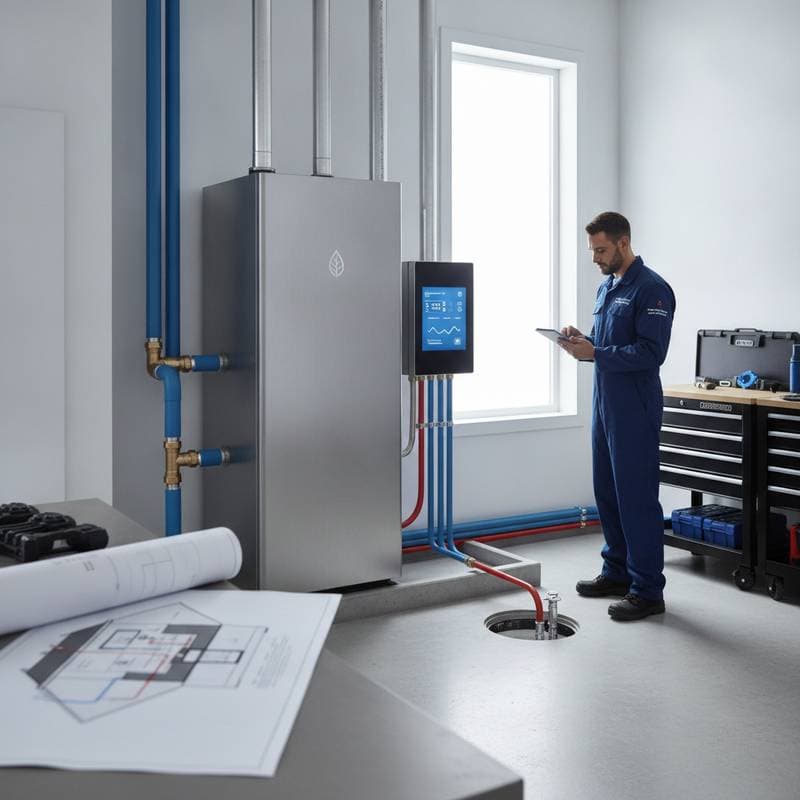
Hire experts certified by the International Ground Source Heat Pump Association. Their knowledge in loop design and placement guarantees long-term reliability and performance. Request references and verify warranties before committing.
Environmental and Performance Benefits
Geothermal systems promote sustainable homes with superior daily living.
Lowering Emissions
By relying on the earth's constant heat instead of burning fuel, these systems cut household carbon emissions by 50 percent or more. This change aligns with broader efforts to reduce global warming.
Longevity and Low Maintenance
Protected underground components face less wear from weather or pollution. Maintenance involves simple tasks, far less than for gas furnaces or outdoor units. Schedule professional checks every one to two years to maintain efficiency.
Superior Comfort
Precise temperature and humidity regulation eliminate hot spots and drafts common in forced-air systems. Operation remains nearly silent, with clean air filtration reducing allergens. Families report better sleep and productivity in evenly conditioned spaces.
Compatibility with Future Energy Shifts
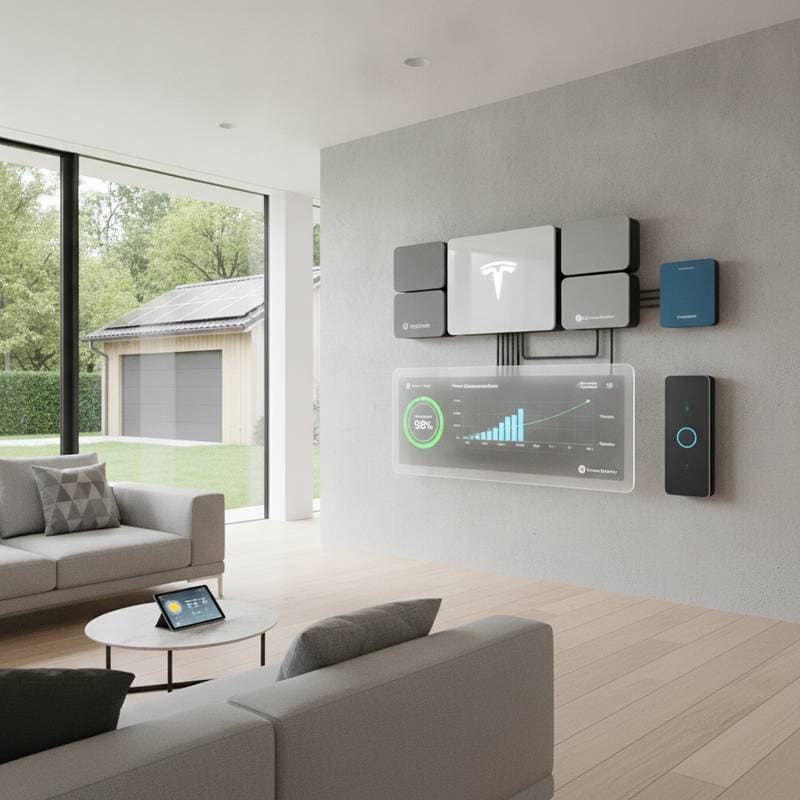
Geothermal integrates seamlessly with solar, wind, or battery storage as renewable grids expand. This forward-thinking design future-proofs homes against rising fossil fuel restrictions and incentives for clean power.
Frequently Asked Questions
Does My Property Suit Geothermal?
Most locations work with proper planning. Experts assess soil conductivity, water sources, and space during a free consultation. Even small lots accommodate vertical loops without major disruption.
Can I Use Existing Ducts?
Yes, compatible ductwork from previous systems needs minimal adjustments. For radiant or hydronic alternatives, connections occur directly, preserving the home's layout.
What Maintenance Is Required?
Perform annual inspections and filter changes. Check fluid levels and electrical connections biannually. Loops require almost no attention over their lifespan.
How Does It Handle Extreme Weather?
It performs reliably in intense cold or heat. Ground stability ensures consistent energy transfer, unlike air-dependent systems that struggle in extremes.
Is It Quieter Than Other Options?
Significantly so. Without outdoor fans or combustion noise, indoor levels stay below 40 decibels, comparable to a quiet library.
Is Retrofitting Possible?
Absolutely, though new construction eases installation. Retrofitting uses targeted drilling to minimize yard impact and downtime.
How Does It Compare to Air-Source Heat Pumps?
Air-source units fluctuate with outdoor temperatures, reducing efficiency in harsh conditions. Geothermal offers steady, higher performance with 30 to 50 percent less energy consumption.
Taking the Next Steps for Geothermal Adoption
Evaluate your home's potential with a professional site assessment. This step reveals customized options for comfort, savings, and sustainability. As energy costs climb and green incentives grow, geothermal positions homeowners for resilient, efficient living well into the future.