Hydrogen Boilers Bridge Today's Gas to Tomorrow's Clean Heat
Key Points
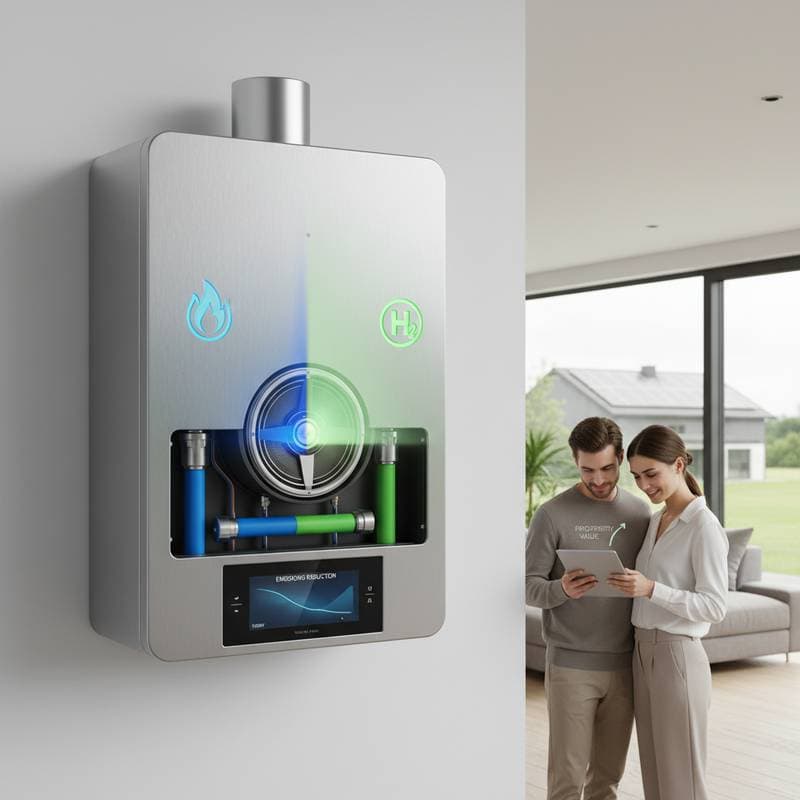
- Hydrogen-ready boilers function on natural gas in the present and require only minor adjustments to operate on hydrogen in the future.
- These systems promise substantial reductions in carbon emissions as hydrogen networks develop.
- Early adoption positions homeowners to achieve reduced heating expenses over time and meet evolving energy regulations with ease.
- Initial expenses exceed those of traditional models, yet potential savings and enhanced property values often balance the investment.
- Select certified units from reputable manufacturers and engage licensed professionals for installation to ensure safety, reliability, and full warranty coverage.
Why Hydrogen Matters for Home Heating
Conventional boilers depend on fossil fuels, which release carbon dioxide during combustion and contribute to climate change. Hydrogen burns to produce solely water vapor and heat, transforming routine heating into an environmentally responsible choice. This shift aligns with global efforts to decarbonize residential energy use.
Financially, hydrogen provides greater predictability. While natural gas prices vary with market conditions, hydrogen derives from multiple sources, including electrolysis powered by renewable electricity. Such diversity shields households from volatility in energy supplies and costs.
The environmental advantages extend to air quality. Hydrogen combustion avoids the particulate matter and nitrogen oxides from gas systems, benefiting both community health and indoor environments. In urban areas plagued by pollution, widespread adoption could yield noticeable improvements in respiratory health and overall well-being.
Cost Breakdown and ROI Analysis
Hydrogen-ready boilers command a premium of 10 to 20 percent over comparable high-efficiency gas units. For instance, a standard 24-kilowatt model from a leading brand might cost between $3,500 and $5,000, varying by features like digital controls or corrosion-resistant heat exchangers. Installation fees align closely with those for regular boilers, around $1,000 to $2,500, though specialized venting or pressure testing could add $200 to $500.
Long-term advantages make the upfront investment worthwhile. Conversion to hydrogen involves simple tasks, such as burner adjustments, costing under $500 per unit once supply lines reach residential areas. Proactive owners sidestep the higher expenses of comprehensive overhauls during peak demand periods.
Key financial upsides encompass:
- Energy Savings: These boilers achieve efficiencies exceeding 90 percent, reducing annual fuel consumption by up to 15 percent relative to aging installations.
- Property Value: Real estate trends show premiums for energy-efficient homes; studies indicate up to a 5 percent increase in resale value for low-emission upgrades.
- Regulatory Compliance: Upcoming mandates, such as the UK's 2025 boiler standards, favor adaptable systems, potentially exempting compliant homes from penalties or forced replacements.
ROI timelines depend on local hydrogen availability and energy rates, but projections suggest breakeven within 5 to 7 years post-conversion, with ongoing savings thereafter.
Integrating Hydrogen Boilers into Your Home
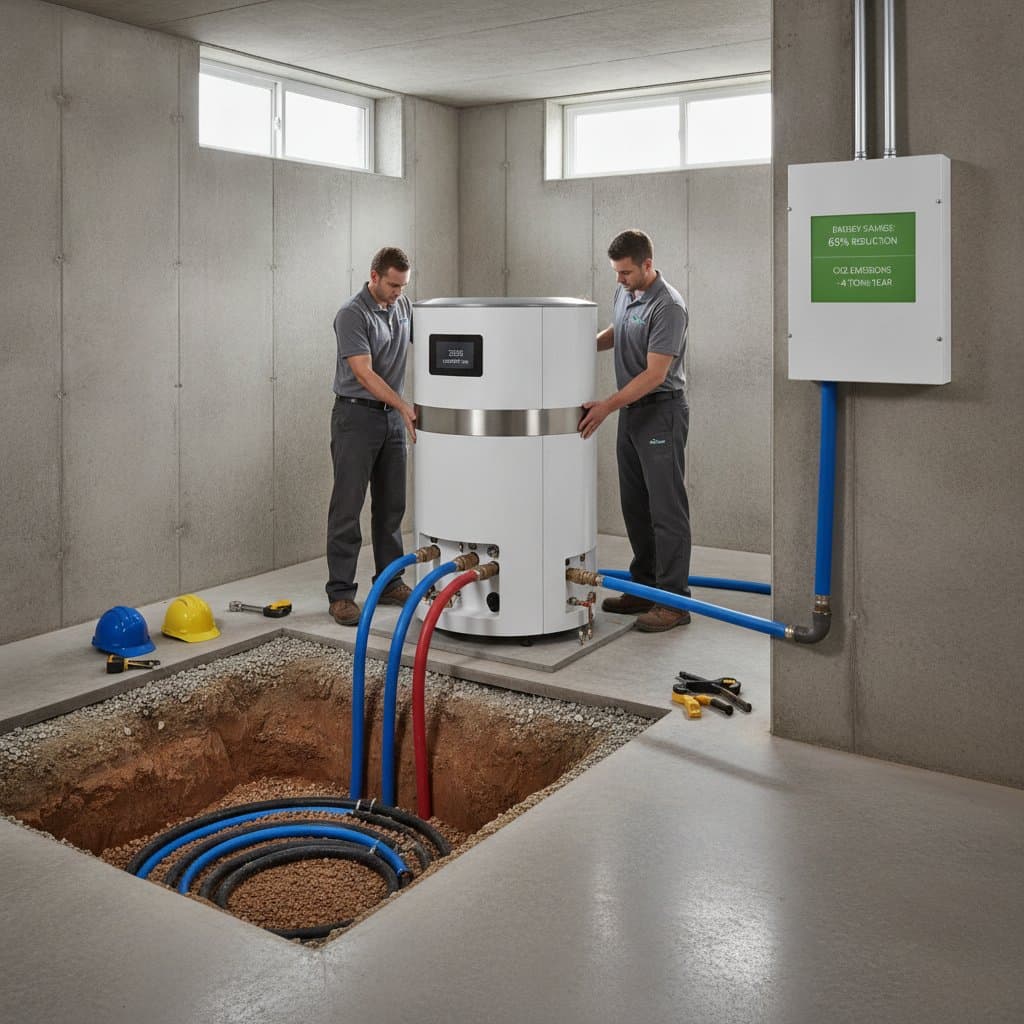
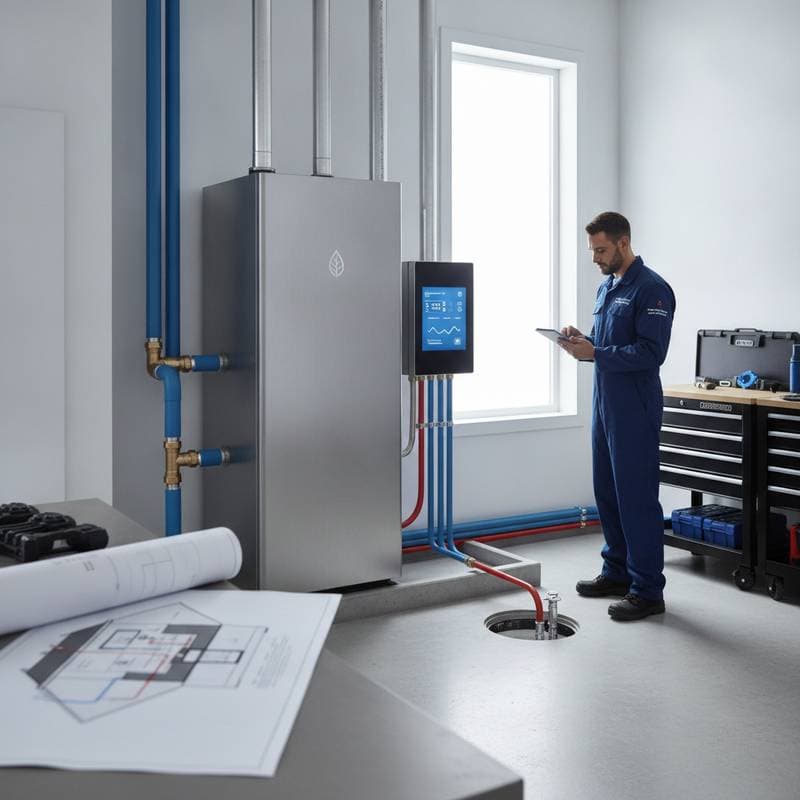
Installation of a hydrogen-ready boiler minimizes disruption to household routines. Many units measure under 30 inches in height and width, fitting seamlessly into closets, garages, or laundry spaces. Professional assessments ensure proper placement for optimal airflow and accessibility.
During home improvements, synchronize the boiler upgrade with broader enhancements. Upgrade insulation to R-30 standards in walls and attics to lower heat loss, or install low-flow radiators that perform well at reduced temperatures. These combinations amplify system performance, potentially cutting energy needs by 20 to 30 percent.
Complement the boiler with complementary technologies for superior results. Integrate solar thermal collectors to preheat water, or add zoning controls that direct heat precisely where needed. Modern designs feature whisper-quiet operation below 45 decibels, preserving peace in living areas.
Sustainable Features and Efficiency Gains
Hydrogen-ready boilers contribute to holistic sustainable living. They integrate with hybrid setups, alternating between gas, electricity, or air-source heat pumps based on real-time grid signals. This adaptability aids energy networks by shifting demand during peak hours, earning participants credits through utility programs.
Material innovations enhance their eco-profile. Manufacturers employ aluminum alloys for lighter, recyclable casings and phase out PVC in favor of bio-based alternatives. Modular designs allow component swaps without full disassembly, promoting longevity up to 20 years.
Lifecycle evaluations underscore their merits. These boilers generate fewer emissions across production, use, and disposal phases compared to fossil fuel alternatives. By enduring longer and adapting easily, they deliver compounded benefits in resource conservation and cost efficiency over extended periods.
Frequently Asked Questions
Can I install a hydrogen-ready boiler now even if hydrogen is not yet supplied to my home?
Yes. These boilers perform reliably on natural gas and undergo straightforward conversion, often involving a certified technician's visit, once hydrogen pipelines connect to neighborhoods.
How is hydrogen produced for home heating?
Hydrogen emerges primarily from electrolysis, where renewable electricity separates water into hydrogen and oxygen. Alternative pathways include steam methane reforming with carbon capture, ensuring low or net-zero emissions.
Is hydrogen safe to use in residential systems?
Yes, with proper safeguards. Hydrogen's quick dispersion reduces leak risks, and advanced boilers incorporate automatic shutoff valves, leak detectors, and reinforced seals compliant with international safety codes.
Will I need to replace my existing radiators?
In most cases, no. Standard radiators handle hydrogen's properties, but efficiency improves with modern aluminum panels designed for lower flow temperatures, especially in underfloor heating setups.
Steps to Transition to Hydrogen Heating
Begin by evaluating your current setup through an energy audit, identifying boiler age and insulation gaps. Research models certified by bodies like the Gas Safe Register, prioritizing those with extended warranties and smart connectivity.
Consult local installers for site-specific quotes, factoring in grants like the UK's Boiler Upgrade Scheme that offset costs up to $7,500. Monitor regional hydrogen rollout timelines via utility updates to time your conversion optimally.
Embrace this upgrade as a strategic move toward resilient, low-carbon living. Homeowners gain not only emission reductions but also enhanced comfort and financial security in an evolving energy landscape.