Introduction to Home Electrification Incentives
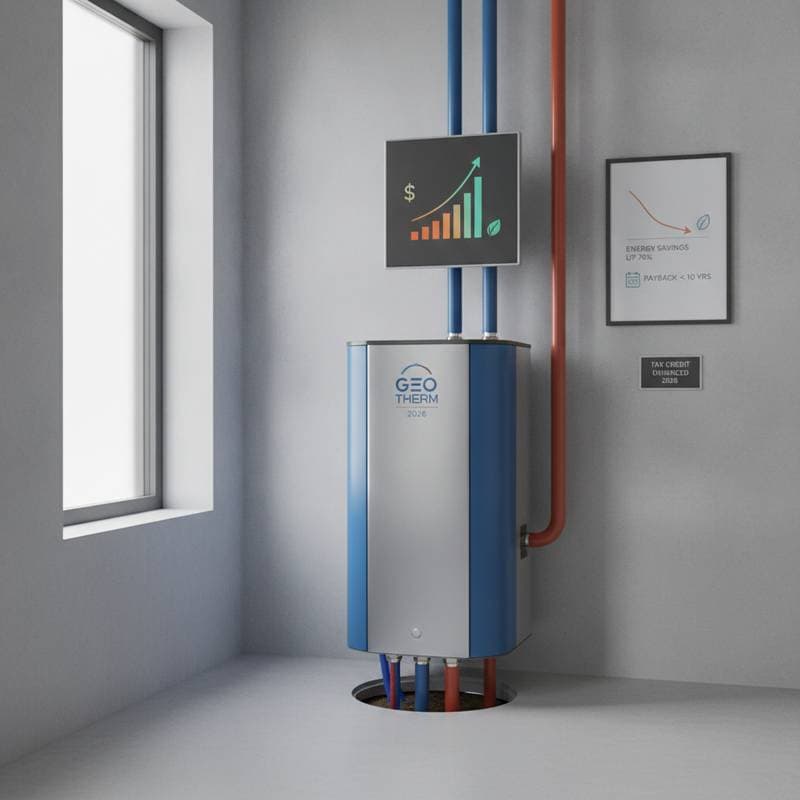
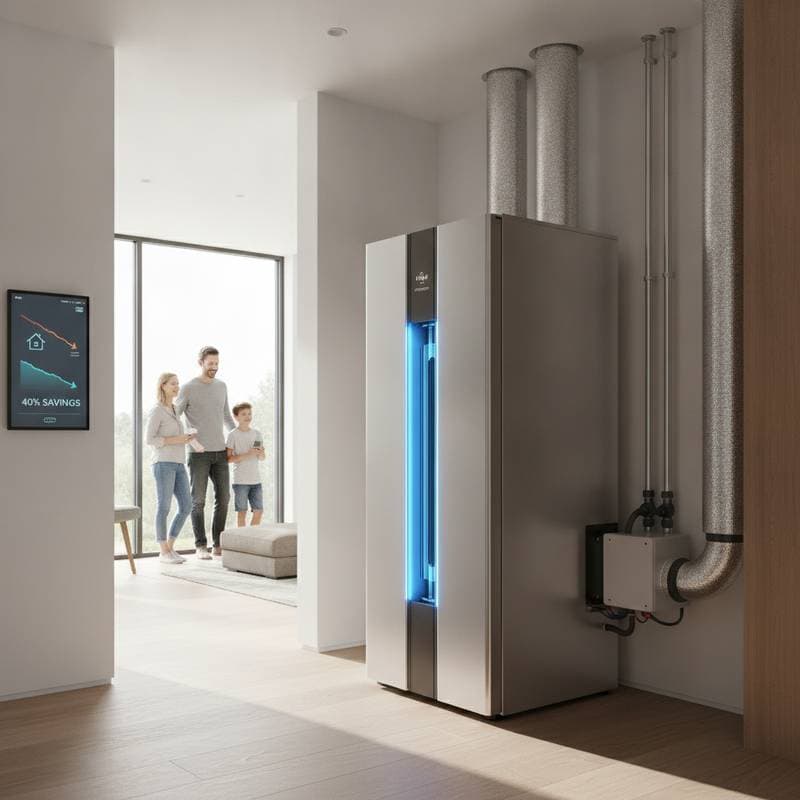
Home electrification transforms traditional gas-dependent systems into efficient, all-electric alternatives. These upgrades reduce reliance on fossil fuels, lower energy bills, and qualify for substantial federal tax credits starting in 2026. By installing heat pumps, induction cooktops, and updated electrical panels, homeowners access incentives that offset costs and promote long-term savings.
The Inflation Reduction Act expands these opportunities, offering up to 30 percent credits on qualified expenses. This guide details eligible upgrades, potential rebates, and strategies to maximize returns. With careful planning, electrification becomes an accessible path to a cleaner, more comfortable home.
Key Upgrades and Their Costs
Electrifying a home involves targeted investments in high-efficiency equipment. Each upgrade addresses specific needs while qualifying for incentives.
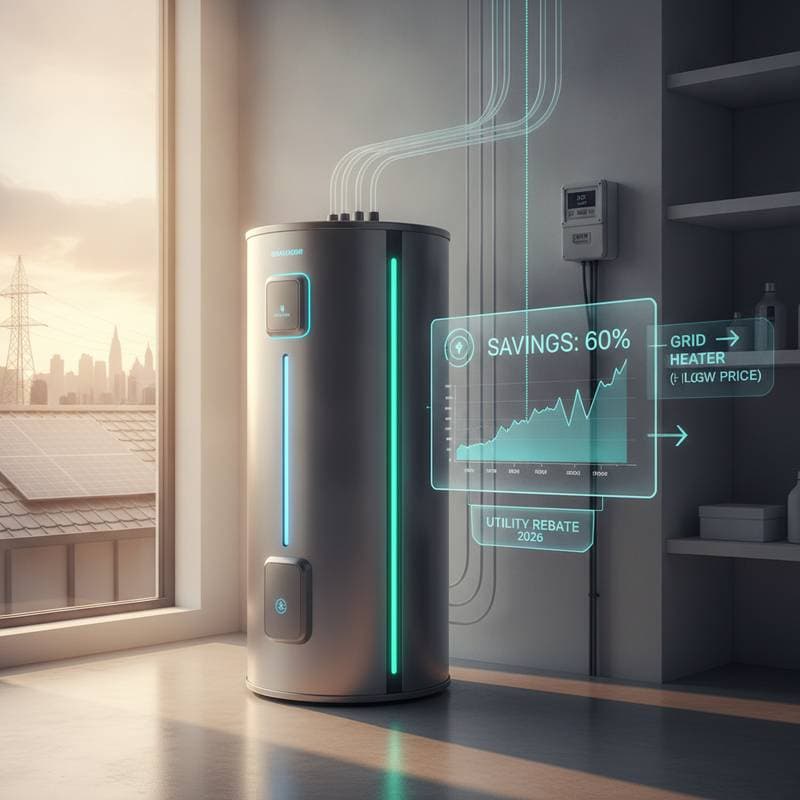
- Heat pump water heaters: These units provide hot water with minimal energy use. Installed costs range from 1,500 to 3,500 dollars, depending on capacity and location.
- Electrical panel upgrades: Essential for handling increased loads, these improvements cost 2,000 to 5,000 dollars. They ensure safety and compatibility with new appliances.
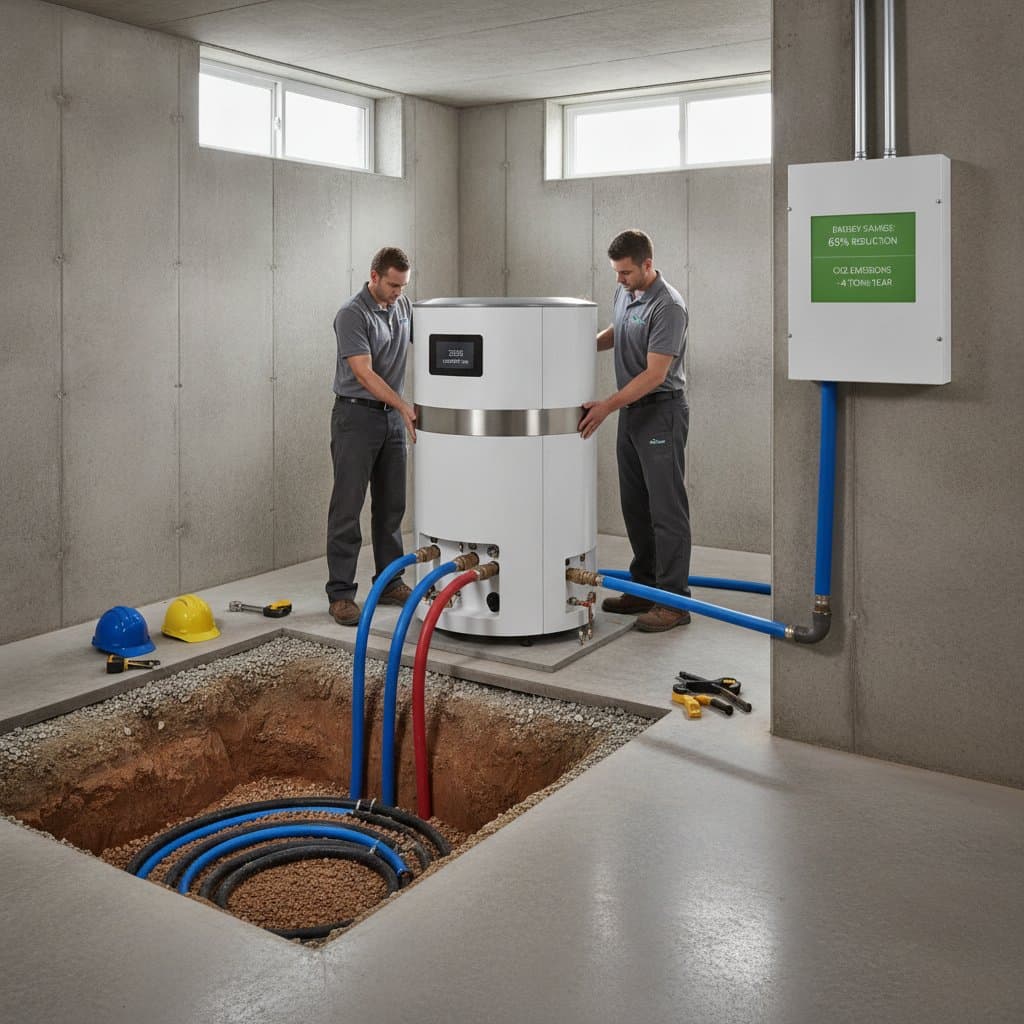
- Heat pumps for heating and cooling: Replacing gas furnaces, models cost 5,000 to 15,000 dollars installed, varying by home size and efficiency rating.
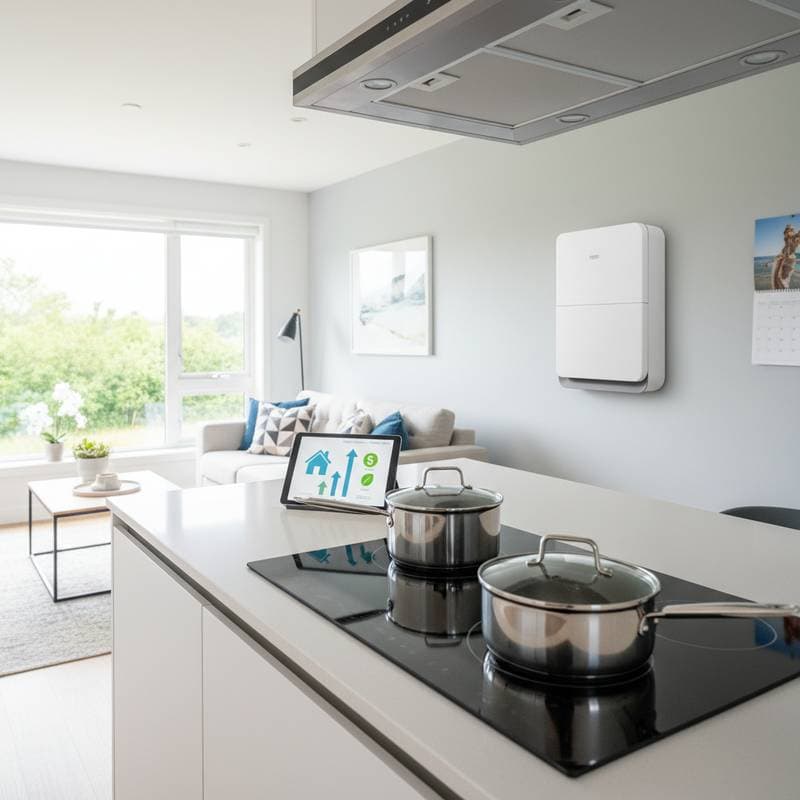
- Induction cooktops: Efficient alternatives to gas stoves, priced at 1,000 to 3,000 dollars, offer precise control and faster cooking.
These investments pay off through reduced utility bills and enhanced home performance. Selection of ENERGY STAR-certified models ensures eligibility and optimal efficiency.
Tax Credits and Rebate Opportunities
Federal tax credits cover 30 percent of costs for many electrification projects, with caps per category. For instance, heat pumps qualify for up to 2,000 dollars, while electrical panel upgrades receive up to 600 dollars. Rebates from utilities or states provide additional direct discounts, sometimes applied at purchase.
Stacking incentives amplifies savings. A 10,000-dollar heat pump installation might yield a 3,000-dollar federal credit plus 1,000 dollars in local rebates, reducing net cost to 6,000 dollars. Energy savings of 500 dollars annually then shorten payback to four years.
Eligibility requires meeting efficiency standards and proper installation. Consult IRS guidelines for the latest caps and requirements to avoid surprises during tax season.
Example Return on Investment
Consider a homeowner upgrading from a gas furnace to a high-efficiency heat pump. The project costs 10,000 dollars upfront. A 30 percent tax credit reduces this to 7,000 dollars.
Annual energy savings average 500 dollars, based on typical usage and rates. This results in a payback period of about six years. Additional benefits include improved indoor air quality and increased resale value, often by 5 to 10 percent in eco-conscious markets.
Such calculations vary by location and habits. Tools from ENERGY STAR help estimate personalized savings before committing.
Factors Influencing Project Success
Costs, eligibility, and benefits depend on several variables. Addressing them early ensures smooth implementation.
- Electrical infrastructure: Homes built before 1980 often require panel upgrades to support modern loads. An assessment by a licensed electrician identifies needs.
- Climate zone: In colder regions, cold-climate heat pumps maintain efficiency. Select models rated for local temperatures to avoid performance dips.
- Utility rates: Time-of-use plans reward off-peak usage. Pair upgrades with smart thermostats to shift loads and cut bills further.
- Contractor expertise: Choose certified installers familiar with incentives. Their knowledge prevents errors that could void credits.
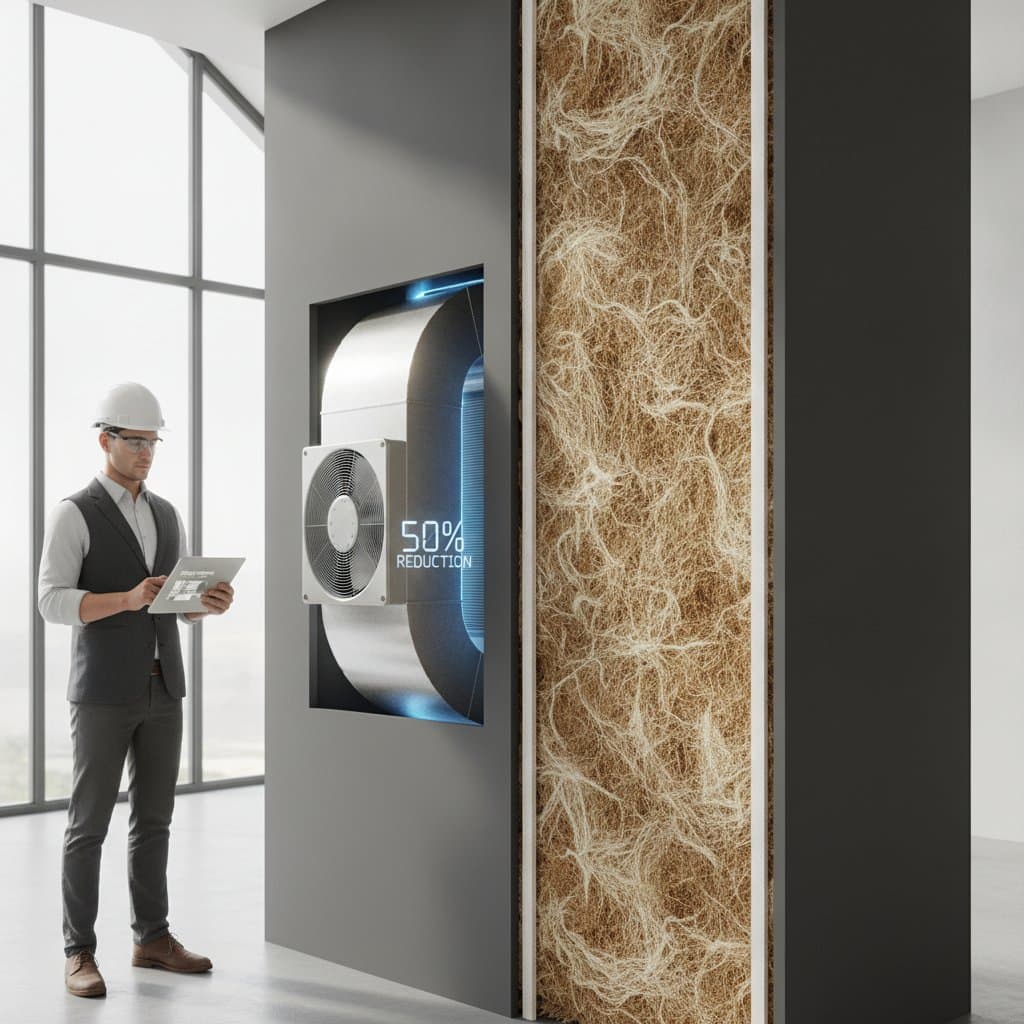
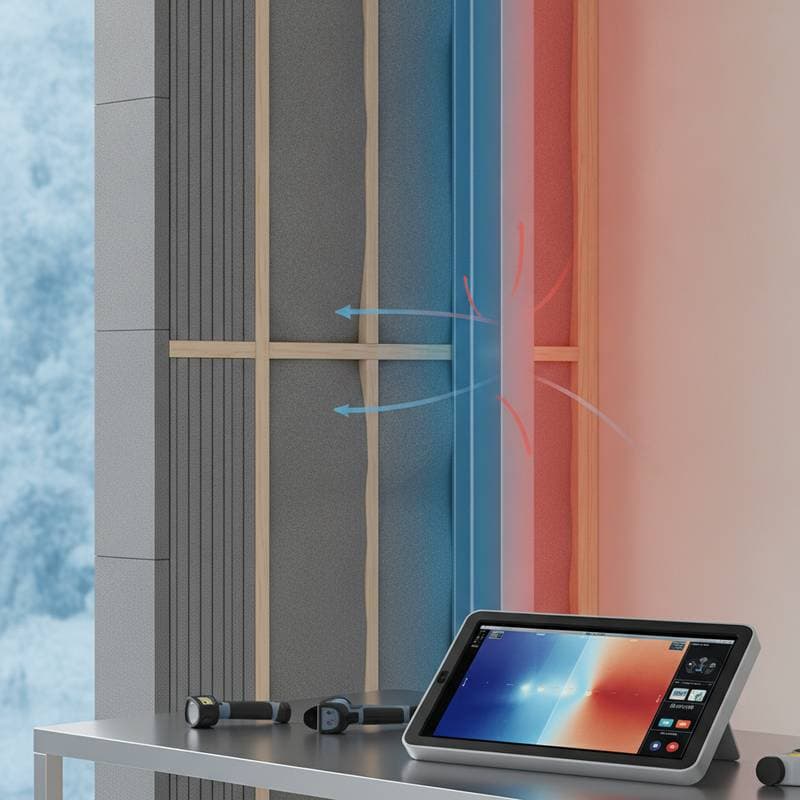
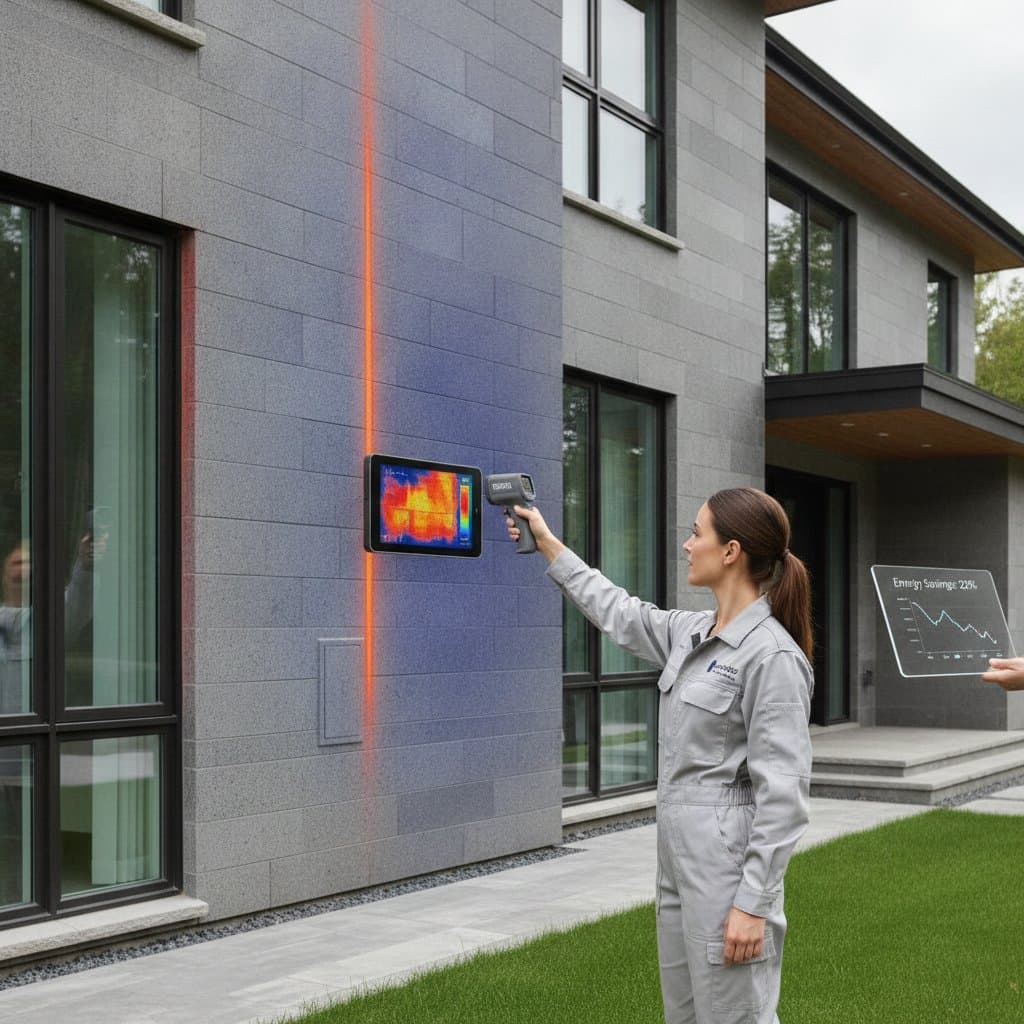
- Home insulation: Sealing drafts and adding insulation amplifies efficiency. Combine these with electrification for up to 20 percent greater savings.
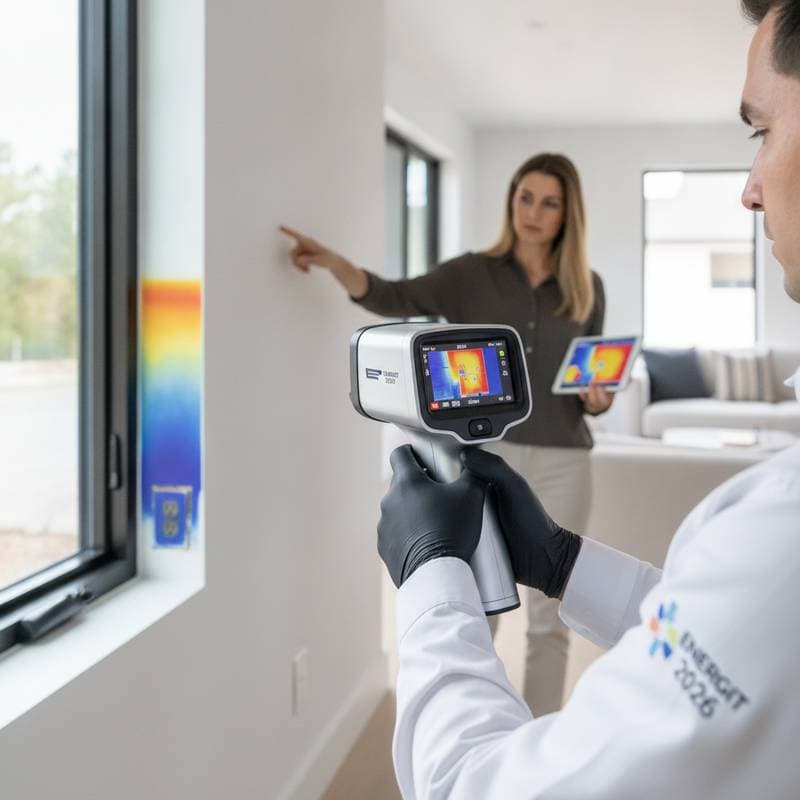
Balancing these elements creates a cohesive plan. Professional audits reveal opportunities tailored to your property.
Expert Validation and Actionable Steps
Experts from ENERGY STAR and the Air-Conditioning, Heating, and Refrigeration Institute affirm electrification's role in sustainable building. Certified equipment exceeds efficiency standards, ensuring reliable performance.
To leverage credits effectively:
- Document all transactions. Retain receipts, invoices, and ENERGY STAR labels for tax purposes.
- Engage a licensed electrician. Verify capacity before buying to prevent costly rework.
- Obtain multiple quotes. Compare at least three contractors for competitive pricing and warranties.
- Time upgrades wisely. Bundle projects, like panel work with heat pump installation, to minimize disruption and labor fees.
- Monitor energy use. Install smart meters to track consumption and validate projected savings.
These steps build confidence in your investment. Regular maintenance sustains efficiency over decades.
Frequently Asked Questions
What qualifies as an eligible electric upgrade?
Eligible items include heat pumps for heating, cooling, and water; induction cooktops; electric dryers; and electrical service panels. All must carry ENERGY STAR certification or equivalent efficiency ratings.
Can federal and local incentives be combined?
Yes, in most situations. Federal credits pair well with state programs or utility rebates, potentially covering 50 percent or more of costs.
Do I need a new electrical panel for electrification?
Not necessarily. Many homes with 200-amp service suffice, but older 100-amp systems often require upgrades for safety.
Are credits available for renters or multifamily buildings?
Rebates may apply to landlords upgrading rental properties. Tenants coordinate with owners; some programs offer point-of-sale discounts for appliances.
How do I claim a tax credit?
File with your federal tax return using Form 5695. Submit documentation of expenses and certifications to substantiate claims.
Will electrification raise my electric bill?
Electricity consumption may increase, but overall costs typically decline due to efficiency gains and no gas fees. Track usage for three months post-installation to assess.
Is DIY installation permitted for credit eligibility?
Plug-in appliances like induction cooktops allow self-installation. Complex systems, such as heat pumps, demand professional work to qualify.
Steps to Start Your Electrification Journey
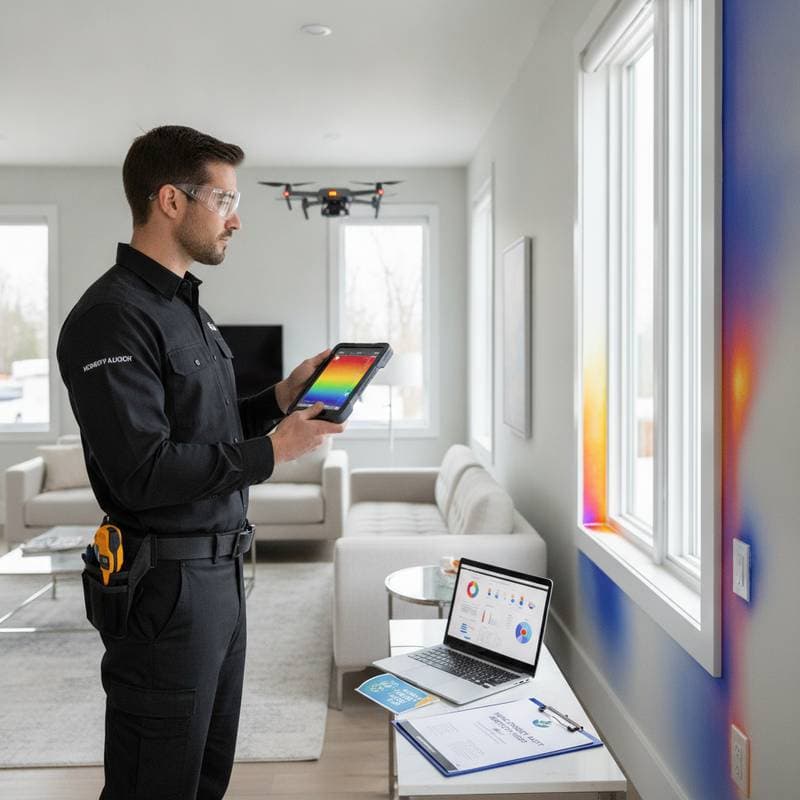
Begin with an energy audit to pinpoint priorities. Target systems over 10 years old for replacement, phasing in upgrades over 2 to 3 years.
Every component—from panels to appliances—integrates into a grid-friendly home. View electrification as an upgrade to resilience and comfort.
With incentives, expert guidance, and phased planning, modernization stays within budget. Soon, the quiet efficiency of electric systems will demonstrate the value of forward-thinking choices.