Key Points
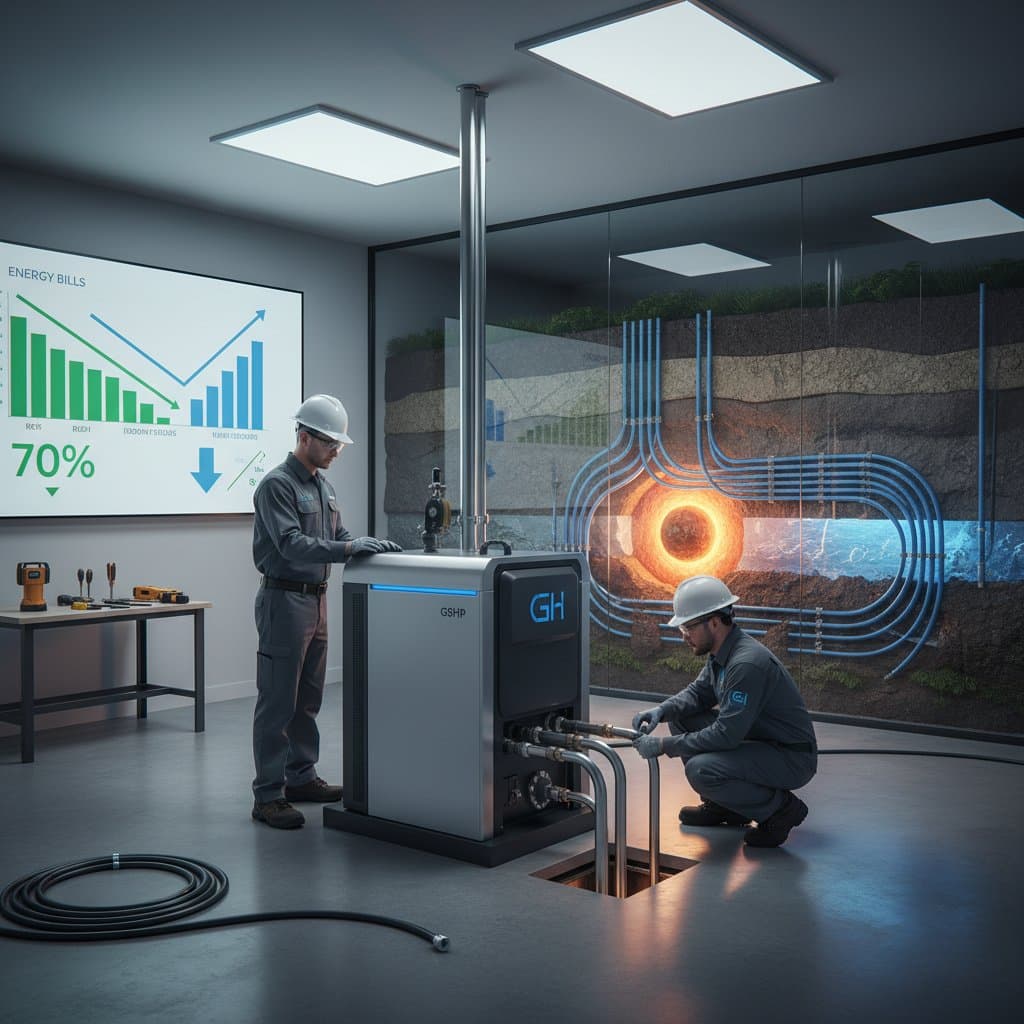
- Geothermal HVAC systems leverage consistent underground temperatures to heat and cool residences with exceptional efficiency.
- Homeowners achieve energy cost reductions of 40 to 70 percent relative to conventional systems.
- Initial installation expenses exceed those of standard options, yet sustained savings, superior comfort, and durability produce among the strongest returns on investment for eco-friendly enhancements.
- Optimal system design, suitable soil conditions, and skilled installation prove essential for peak performance and extended service life.
Why Geothermal HVAC Matters
Energy expenses continue to escalate, and traditional systems demand greater effort amid each variation in weather conditions. Geothermal HVAC systems reverse this pattern by employing the earth as a heat reservoir during winter and a heat dissipator in summer. This approach yields reliable operation with negligible energy loss.
From a financial perspective, the data proves persuasive. Conventional furnaces or air conditioners typically endure 10 to 15 years, whereas geothermal systems, with appropriate upkeep, function for over twice that duration. Reduced operational expenses, prolonged service life, and elevated property worth merge to offer one of the premier returns among green home improvements.
The environmental advantages match this financial appeal. Geothermal systems draw upon renewable subsurface energy, substantially lowering greenhouse gas outputs and aiding compliance with efficiency benchmarks such as ENERGY STAR. Individuals pursuing equilibrium among comfort, ecological stewardship, and economic wisdom find geothermal HVAC excels in every dimension.
Cost Breakdown and ROI Analysis
The primary obstacle remains the initial expenditure. Geothermal HVAC setups generally span from 20,000 to 40,000 dollars, influenced by system capacity, excavation depth, and regional labor expenses. Horizontal loop configurations occupy the lower range, whereas vertical systems incur higher costs owing to deeper boring needs.
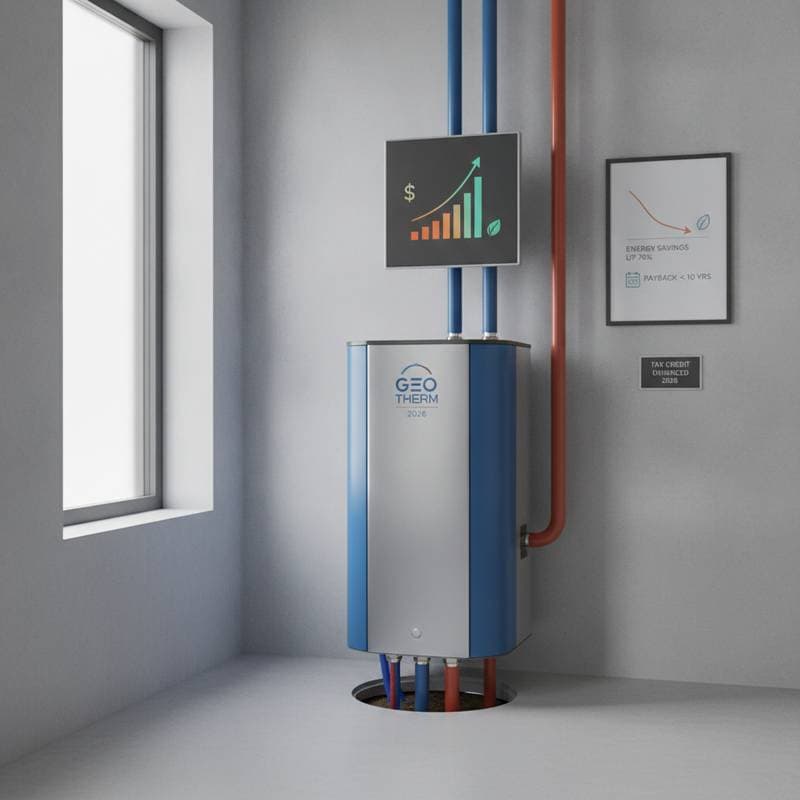
Nevertheless, the investment recovers progressively. Running costs drop by 40 to 70 percent compared to traditional setups. For a standard household, this equates to annual savings of 1,500 to 3,000 dollars, contingent upon local utility rates and dwelling dimensions.
Incorporating service life and efficiency metrics, the payback interval typically ranges from 7 to 12 years. Beyond this point, benefits persist, accumulating to tens of thousands of dollars across the system's duration. Relative to solar arrays or energy storage units, geothermal delivers comparable or enhanced fiscal outcomes without dependence on solar exposure or supplementary upkeep.
Homeowners eyeing market value should note that properties with geothermal installations frequently secure a 5 to 10 percent price increase, especially in regions prioritizing energy conservation.
Sustainable Features and Efficiency Gains
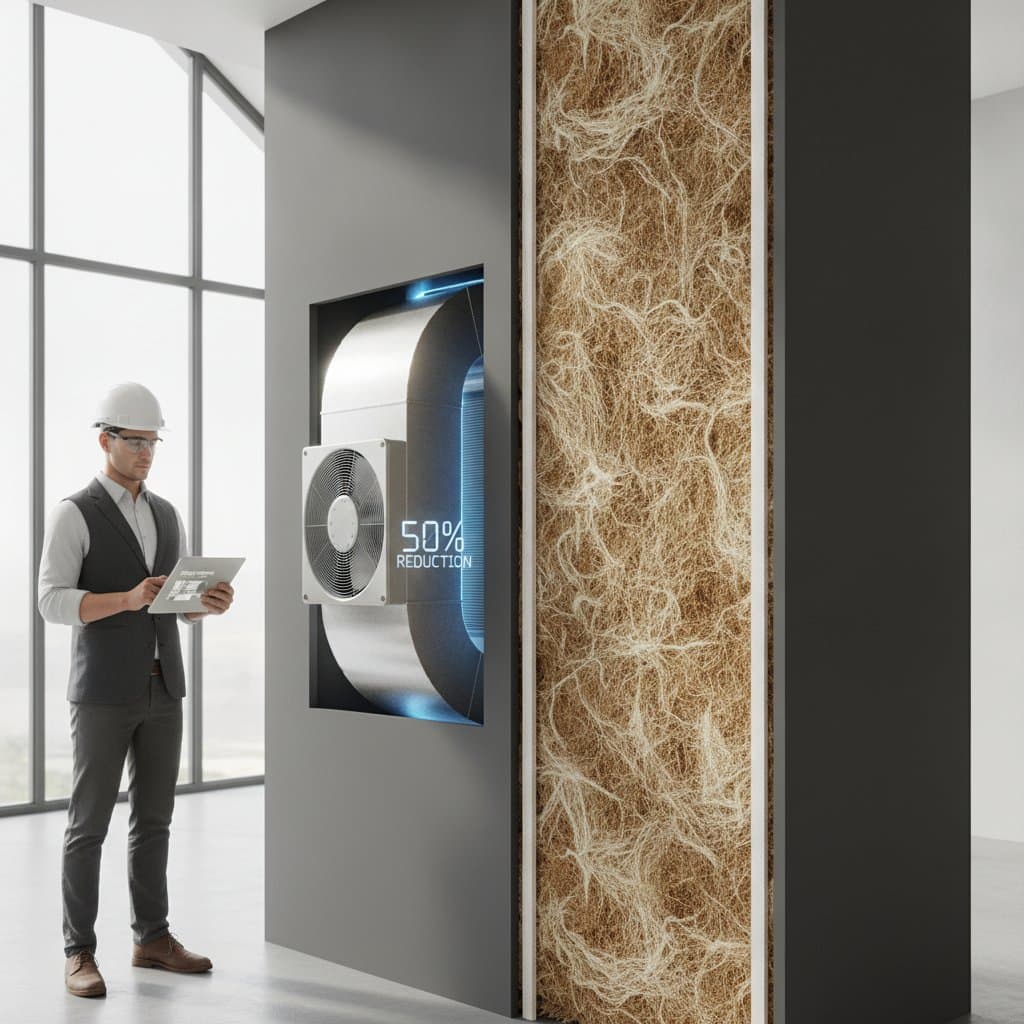
Geothermal HVAC systems perform optimally when integrated with complementary green elements. Combining them with energy-efficient glazing, intelligent temperature controls, and adequate thermal barriers amplifies overall advantages.
- Energy Efficiency: Geothermal heat pumps commonly attain Coefficient of Performance (COP) values of 3.5 to 5.0, supplying three to five units of thermal energy per unit of electrical input.
- Renewable Energy Integration: The predictable power requirements of these systems align seamlessly with solar or wind power sources.
- Noise Reduction: Geothermal units operate with minimal sound, elevating interior tranquility beyond that of conventional compressor-based models.
- Longevity: Interior elements endure 20 to 25 years, while subterranean loops surpass 50 years. Such durability minimizes environmental impact and recurring expenses.
To maximize these gains, conduct a site assessment early. Evaluate ground thermal conductivity and available space for loops, ensuring the design suits local geology for sustained output.
Frequently Asked Questions
How does a geothermal system differ from an air-source heat pump?
An air-source heat pump transfers heat via ambient outdoor air, subject to significant temperature swings. In contrast, a geothermal system utilizes the ground's steady thermal profile, ensuring consistent efficiency regardless of severe weather.
Can geothermal systems provide hot water?
Yes. Numerous configurations incorporate desuperheaters that redirect surplus heat to warm household water supplies. This feature can halve water heating expenditures.
Is it possible to install geothermal in existing homes?
Most residences support geothermal additions, although yard availability, soil composition, and entry points dictate practicality. Vertical loops suit retrofits where horizontal space proves limited.
How long does installation take?
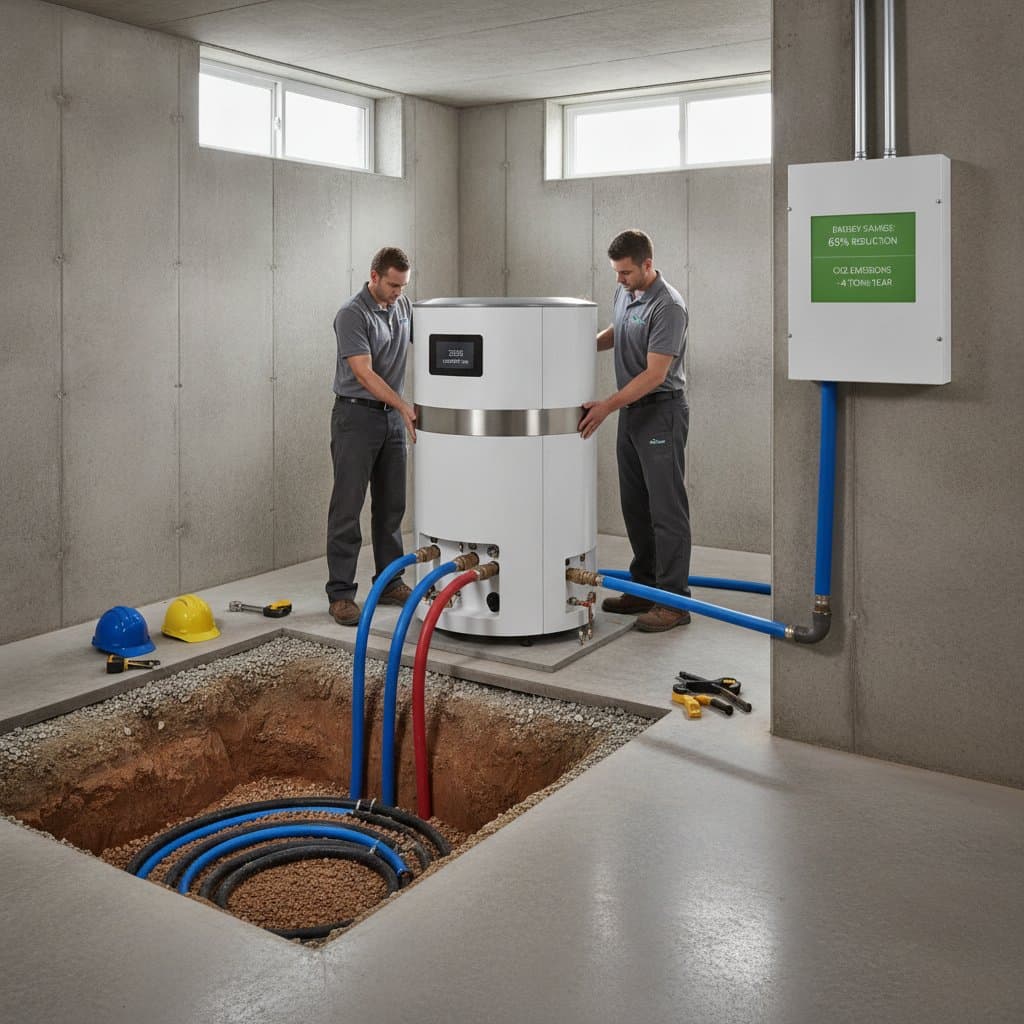
Residential installations generally require one to three weeks, varying with subsurface conditions and system intricacy.
What maintenance does it require?
Annual inspections of air filters, fluid levels, and electrical components suffice. The encased underground loops demand no routine intervention following initial sealing and testing.
Does it work in cold climates?
Yes. Stable subsurface temperatures enable geothermal systems to preserve efficiency through subzero conditions.
Making It Happen
Adopting geothermal HVAC extends beyond equipment replacement; it signifies a commitment to intelligent, resilient habitation. Start with a comprehensive energy assessment to gauge your home's existing efficiency. Pinpoint insulation deficiencies, drafts, and ventilation shortcomings prior to proceeding, thereby optimizing the installation's impact.
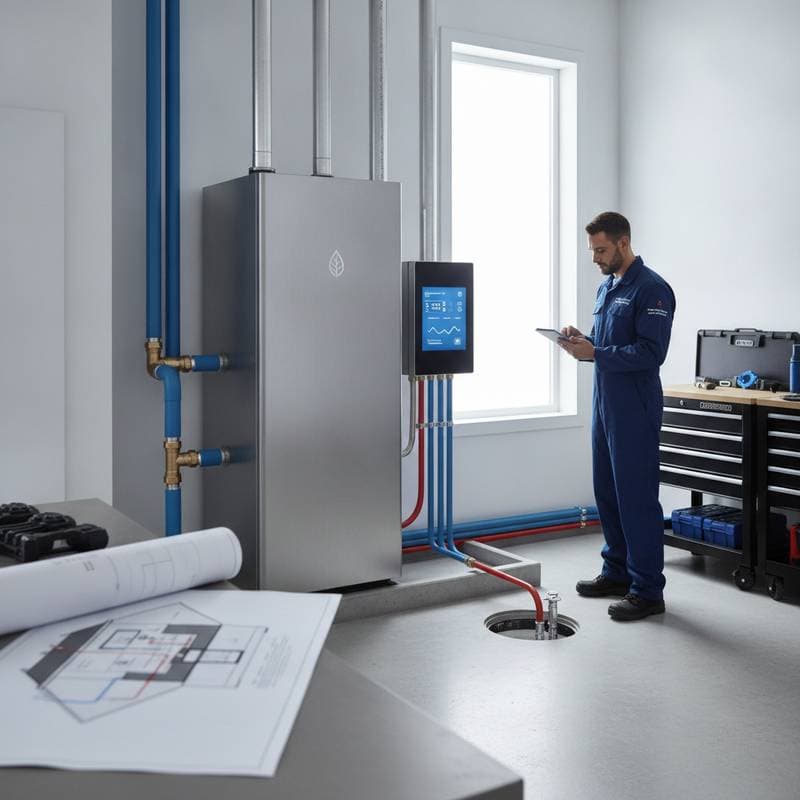
Consult certified contractors experienced in geothermal projects. Request detailed proposals outlining loop configurations, equipment specifications, and projected savings based on your utility data. Secure incentives through federal tax credits or local rebates to offset upfront costs, accelerating your path to energy independence.
With these steps, homeowners not only lower bills and emissions but also future-proof their properties against rising energy demands. Geothermal HVAC stands as a cornerstone for sustainable comfort in an era of climate awareness.