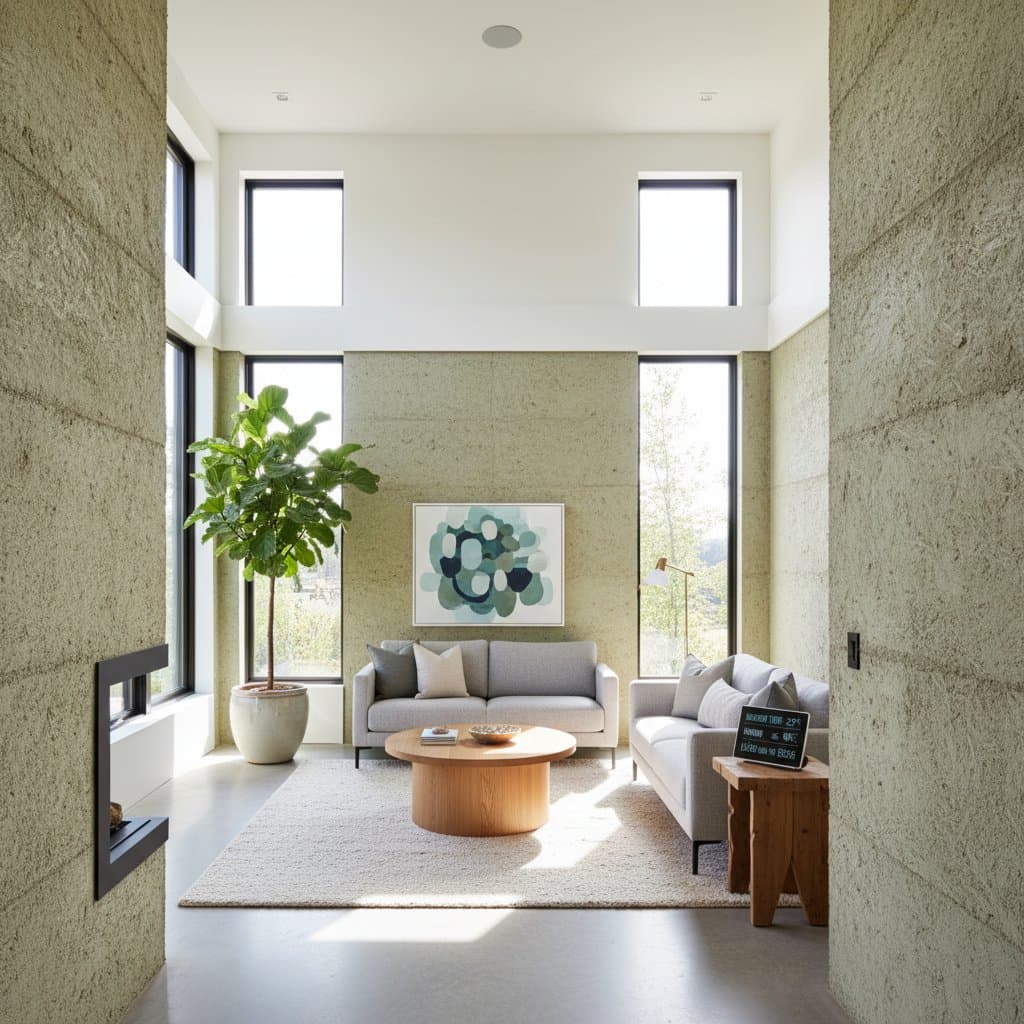
Hempcrete Walls Store Carbon While Keeping Homes Cool
Hempcrete represents a breakthrough in [sustainable building materials](https://www.itsacoolerplanet.com/carbon-negative-concrete-captures-150kg-co-per-cubic-meter). This bio-composite, made from the inner core of the hemp plant mixed with lime and water, forms walls that sequester carbon while providing superior insulation. Homeowners benefit from cooler interiors in summer and warmer ones in winter, all while contributing to a lower environmental footprint.
Understanding Hempcrete Composition
Hempcrete consists of hemp hurds, which are the woody inner parts of the hemp stalk, combined with a lime-based binder and water. The mixture sets through a natural carbonation process where lime absorbs carbon dioxide from the atmosphere, locking it into the material. This process not only strengthens the hempcrete but also actively removes CO2, making each wall a carbon sink.
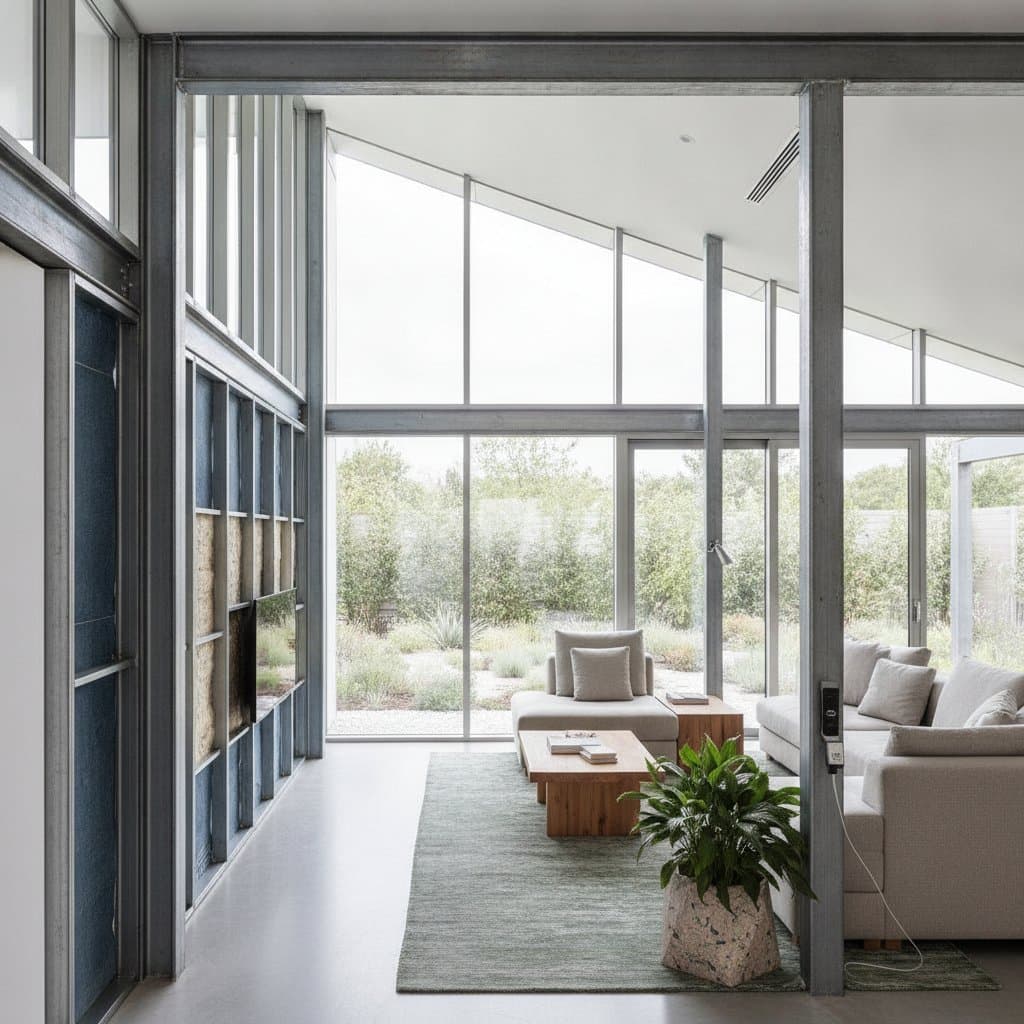
Unlike traditional concrete, hempcrete remains lightweight and porous, allowing it to breathe and regulate moisture levels. Builders mix the components on-site or pre-cast blocks for efficiency. The result is a non-load-bearing infill material that pairs well with timber frames, enhancing overall structural integrity without adding excessive weight.
Carbon Sequestration in Action
One of the standout features of hempcrete is its ability to store carbon. During the hemp plant's growth, it absorbs CO2 through photosynthesis at a rate far exceeding many other crops. When processed into hempcrete, the material retains this carbon while the lime binder sequesters additional CO2 as it cures over time.
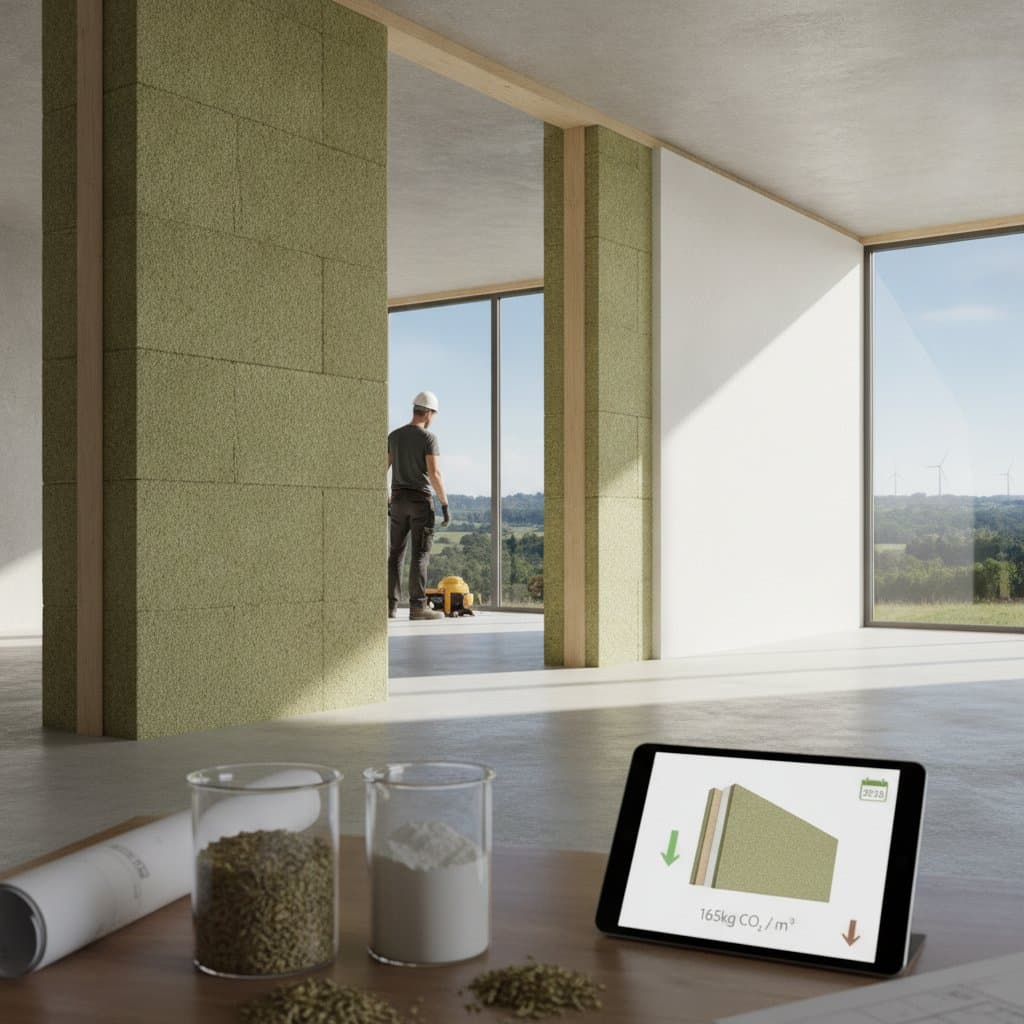
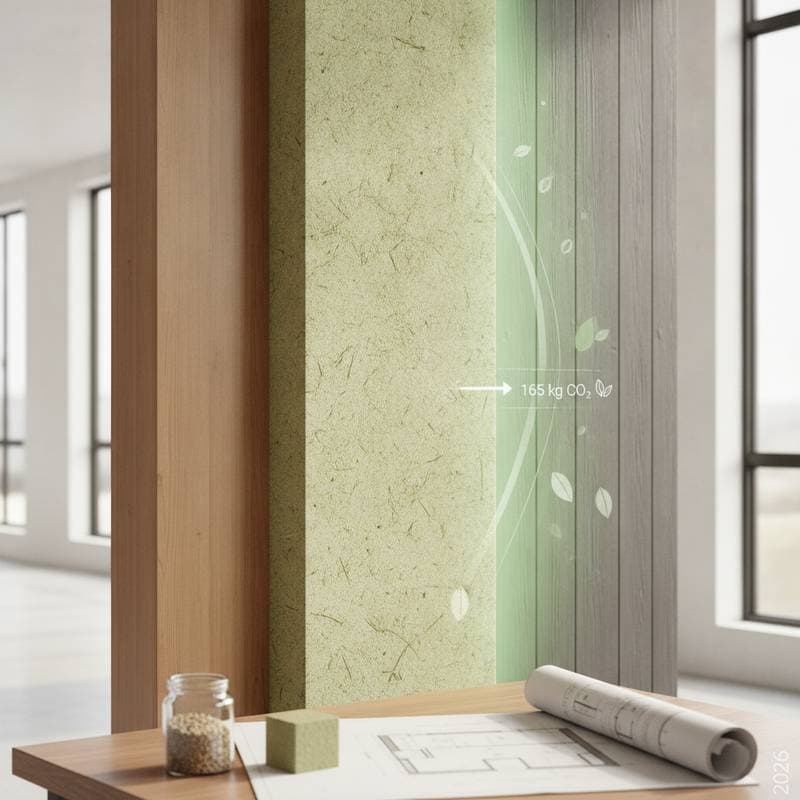
Studies indicate that hempcrete walls can sequester up to 100 kilograms of CO2 per cubic meter. For a standard home, this translates to hundreds of kilograms of carbon stored permanently in the structure. Over the building's lifespan, which often exceeds 100 years, this sequestration offsets emissions from construction and operation, positioning hempcrete as a tool for carbon-negative buildings.
Thermal Performance and Energy Efficiency
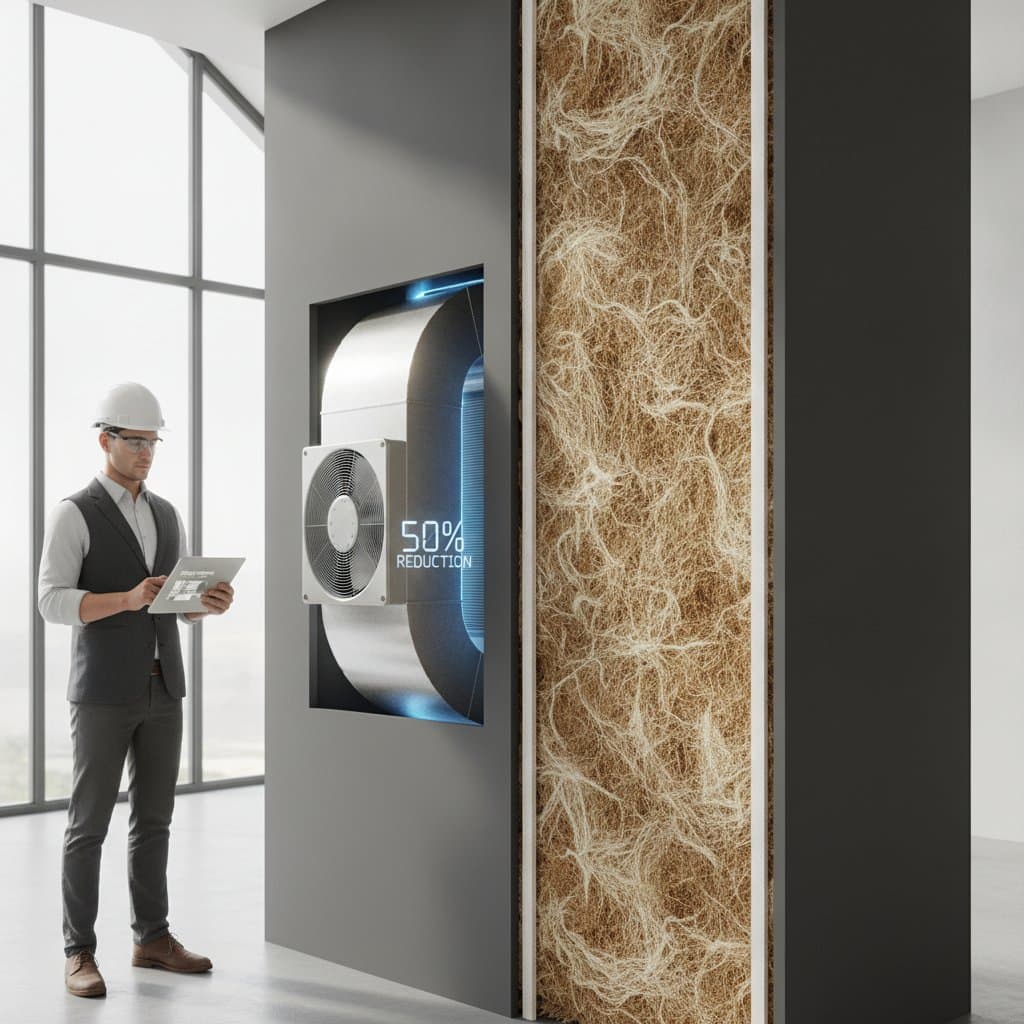
Hempcrete excels in maintaining comfortable indoor temperatures. Its high thermal mass absorbs heat during the day and releases it slowly at night, reducing the need for artificial heating or cooling. With an R-value comparable to fiberglass insulation, hempcrete provides effective barriers against heat transfer.
In hot climates, these walls keep homes up to 5 degrees Celsius cooler than those with conventional insulation, according to building performance data. This efficiency leads to lower energy bills; homeowners report annual savings of 20 to 30 percent on heating and cooling costs. The material's breathability also prevents mold growth by allowing excess humidity to escape, promoting healthier living environments.
Durability and Maintenance Advantages
Hempcrete withstands environmental stresses better than many synthetic insulators. It resists fire, pests, and rot due to the alkaline lime content, which deters insects and fungi. Walls made from this material require minimal maintenance, as the surface develops a natural patina that enhances aesthetic appeal over time.
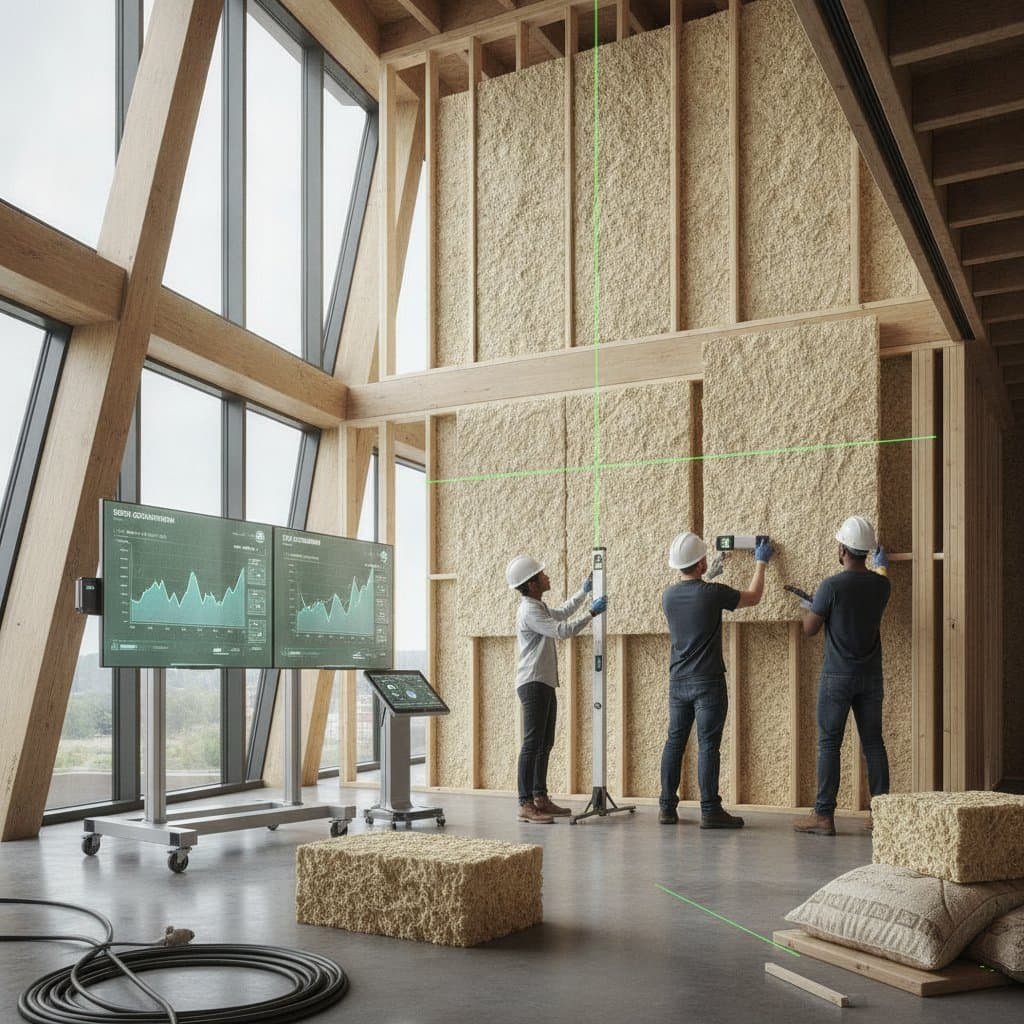
Installation involves casting the mixture into forms around structural frames, a process that takes about one week for a typical wall section to cure sufficiently. Once set, hempcrete integrates seamlessly with finishes like lime plaster or breathable paints, ensuring longevity without compromising the material's eco-benefits.
Cost Considerations and Return on Investment
Initial costs for hempcrete construction range 10 to 20 percent higher than standard methods, primarily due to the specialized mixing and labor. However, these upfront expenses diminish over time through energy savings and reduced maintenance needs. A 2,000-square-foot home might see a payback period of 5 to 7 years via lower utility bills and potential incentives for green building.
Government rebates and certifications, such as LEED points, further offset costs. For retrofits, hempcrete panels can replace outdated insulation in existing walls, minimizing disruption while upgrading performance. Builders recommend consulting local experts to calculate precise ROI based on regional energy prices and climate conditions.
Practical Applications in Modern Homes
Hempcrete suits a variety of projects, from custom eco-homes to large-scale developments. In new constructions, architects incorporate it as infill for timber-framed walls, achieving seamless integration with other sustainable features like solar panels. The material's flexibility allows for curved designs, adding architectural interest without complexity.
For renovations, installers apply hempcrete in layers over existing structures, improving insulation without major alterations. This approach works well in historic buildings, where preserving original aesthetics matters. Homeowners in urban areas appreciate how hempcrete dampens sound, creating quieter spaces amid city noise.
- New Builds: Use hempcrete for entire wall systems to maximize carbon storage from the start.
- Retrofits: Apply as an internal lining to boost efficiency in older homes.
- Extensions: Ideal for additions, providing consistent performance with the main structure.
Health and Indoor Air Quality Benefits
The natural composition of hempcrete ensures it emits no volatile organic compounds, unlike some synthetic materials. This results in fresher indoor air, beneficial for allergy sufferers and those with respiratory issues. The material's moisture-regulating properties maintain optimal humidity levels, reducing the risk of airborne irritants.
Families notice improved comfort immediately after installation, with fewer temperature fluctuations and drafts. Long-term, this contributes to overall well-being, aligning with wellness-focused design trends. Hempcrete supports a holistic approach to home building, where environmental and human health intersect.
Steps to Incorporate Hempcrete in Your Project
Begin by assessing your site's suitability; hempcrete performs best in moderate climates but adapts well with proper design. Engage certified builders experienced in bio-based materials to ensure compliance with local codes. Source hemp hurds from sustainable farms to maintain the material's eco-credentials.
- Conduct a energy audit of your current home to identify insulation gaps.
- Obtain quotes from multiple suppliers for hempcrete mixes and installation.
- Plan for curing time during construction scheduling.
- Select compatible finishes that preserve breathability.
- Monitor performance post-installation with simple thermometers and humidity gauges.
Following these steps ensures a smooth transition to hempcrete-enhanced living.
Building a Cooler Planet with Hempcrete
Adopting hempcrete moves beyond individual savings to collective impact. As more homes incorporate this material, communities reduce reliance on fossil fuels for heating and cooling. The scalability of hemp production supports agricultural revitalization, creating jobs in rural areas.
Imagine neighborhoods where every wall contributes to carbon reduction, fostering resilience against climate change. Hempcrete paves the way for widespread sustainable living, delivering comfort today and a healthier planet tomorrow. Start exploring options now to join this green revolution.