Key Points
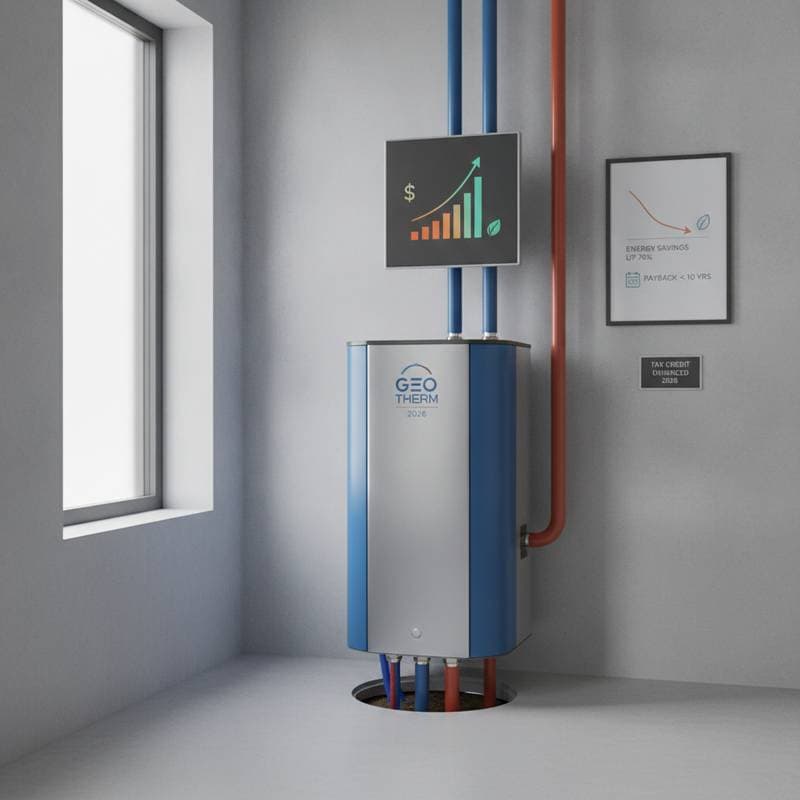
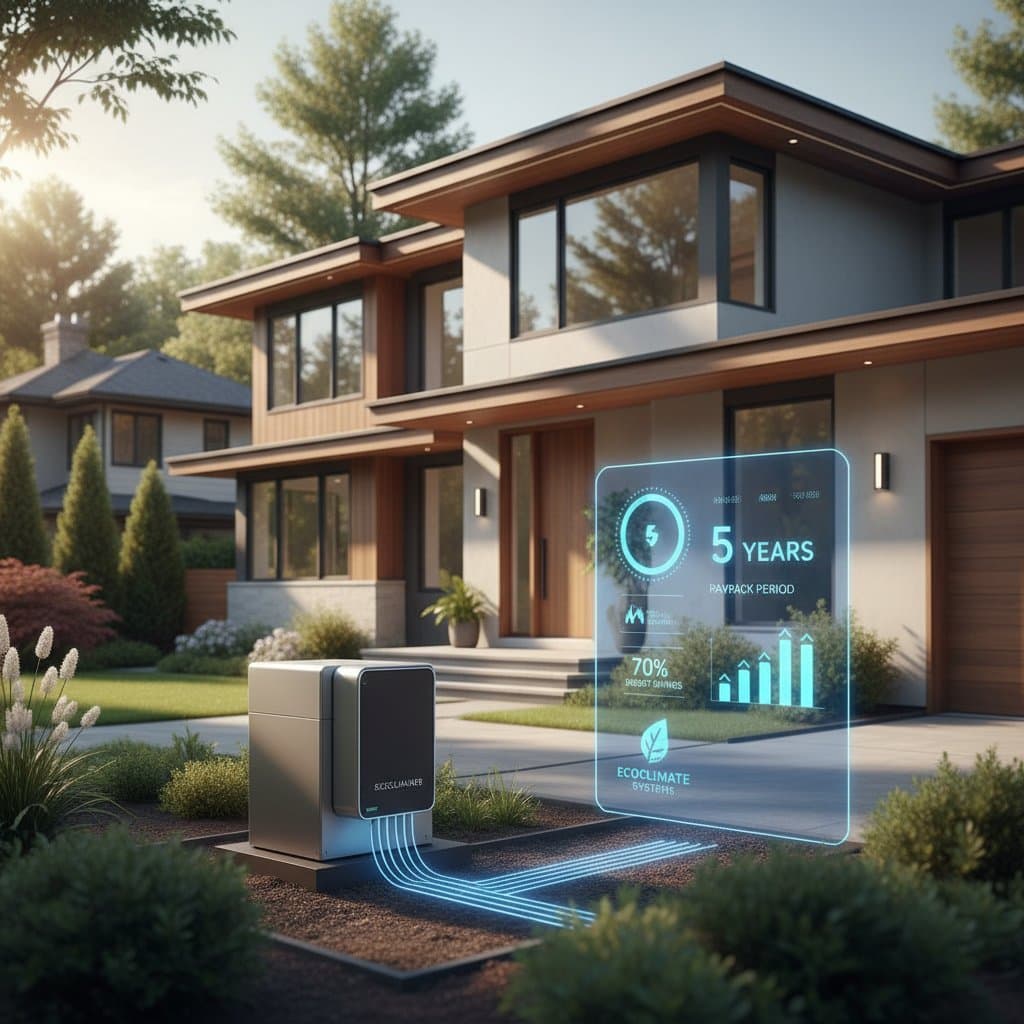
- Geothermal heating and cooling systems attain shorter payback periods in growing markets, with investment returns averaging five years.
- Declining equipment prices, regional incentives, and enhanced drilling techniques increase accessibility.
- Homeowners reduce energy expenses by up to 70 percent, lower maintenance needs, and elevate property worth.
- Local soil properties, utility rates, and system configurations impact payback timelines, requiring professional guidance prior to setup.
Envision Sustainable Comfort and Financial Benefits
Imagine entering your home to a gentle, earth-sourced warmth that requires no noisy furnace or forceful air vents. The system operates silently, drawing stable temperatures from underground while preserving your landscape above. As a green building professional with extensive on-site experience, I observe homeowners frequently express surprise at the technology's efficiency and economic viability.
Those considering a shift from conventional HVAC units may find geothermal options more attainable than anticipated. Installations in select expanding markets now recover costs within approximately five years. Energy reductions and available rebates offset initial expenses swiftly, yielding ongoing comfort and monetary advantages.
Factors Driving Faster Geothermal Returns
Nationwide, homeowners witness strengthening financial justifications for geothermal due to reduced equipment pricing, refined drilling approaches, and utility-sponsored incentives. Rising energy costs further highlight the appeal of ground-source systems, which utilize steady subsurface temperatures instead of variable outdoor conditions.
Field data indicates that geothermal setups decrease heating and cooling expenditures by 50 to 70 percent relative to standard systems. Maintenance expenses diminish with fewer mechanical components, and ground loops endure for 50 years or longer. Such longevity explains the rapid enhancement in financial outcomes.
Overcoming Initial Cost Concerns
Many potential users pause due to upfront expenses. Residential geothermal installations typically range from $18,000 to $35,000, varying by home dimensions, ground composition, and loop arrangements. This figure appears substantial beside traditional alternatives, yet calculations reveal a different narrative.
Energy reductions, tax rebates, and minimized upkeep shorten the break-even interval considerably. In moisture-rich coastal zones dominated by cooling demands, a correctly dimensioned system lowers cooling costs by up to 65 percent. In regions with extended heating periods, comparable or superior efficiencies emerge. Consequently, numerous municipalities and utilities promote adoption via rebates or favorable financing.
Strategies for Optimizing Investment Returns
To secure a five-year return, consider proven approaches from field expertise.
1. Perform a Thorough Energy Audit
Prior to geothermal installation, engage a specialist for an energy audit. This review pinpoints inefficiencies like inadequate insulation or duct leaks. Addressing these beforehand minimizes required system capacity, reducing initial outlays and elevating overall performance.
2. Choose Appropriate Loop Configurations
Three primary loop types exist: horizontal, vertical, and water-body variants. Selection influences expenses and efficacy.
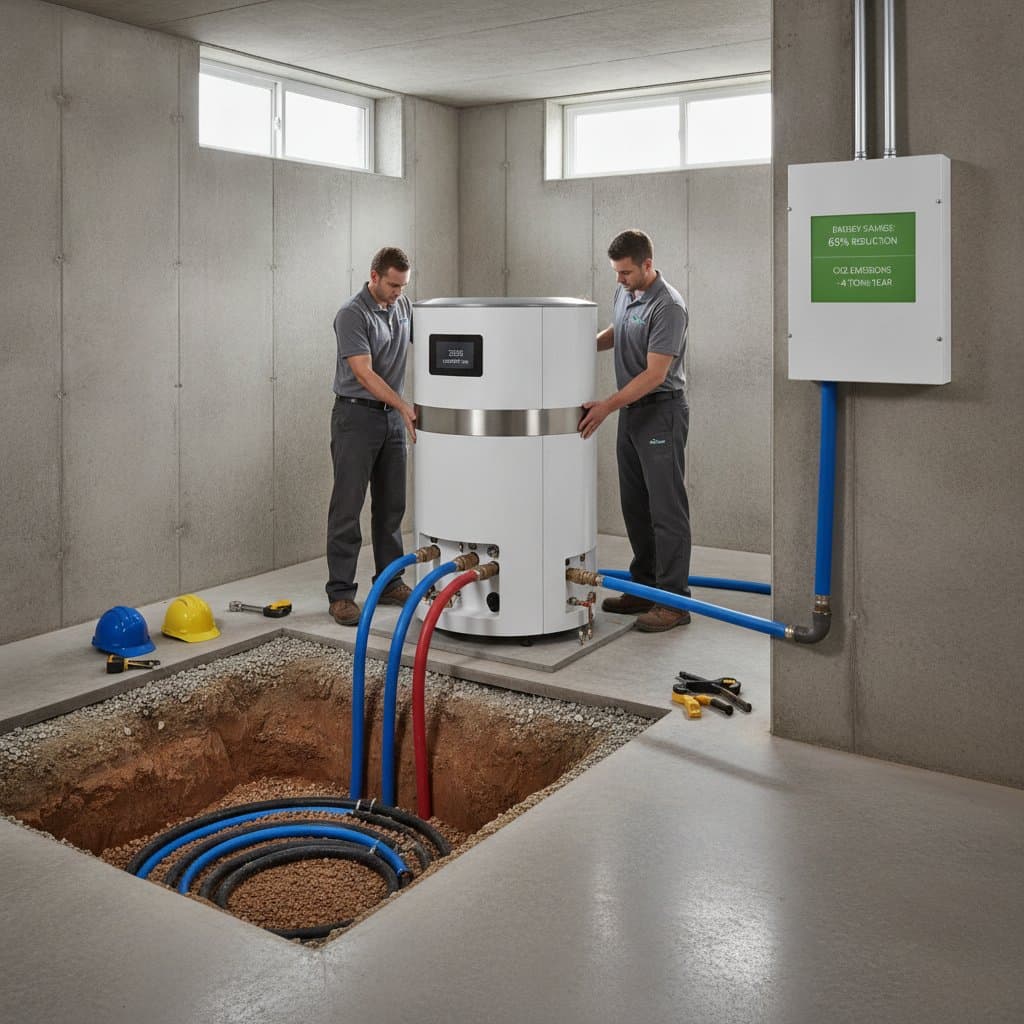
- Horizontal loops fit properties with ample ground space and suitable soil depths, often proving economical for residences.
- Vertical loops accommodate compact sites or challenging geology, incurring higher initial costs yet providing dependable operation.
- Pond or lake loops excel near water features, pending expert verification for feasibility and regulations.
Matching the configuration to site specifics trims installation expenses and bolsters endurance.
3. Utilize Available Incentives and Financing
Various areas provide rebates offsetting 20 to 40 percent of costs. Utilities may offer per-ton incentives or usage credits. Pairing these with national tax benefits and eco-friendly loans substantially eases initial burdens.
4. Incorporate Intelligent Controls
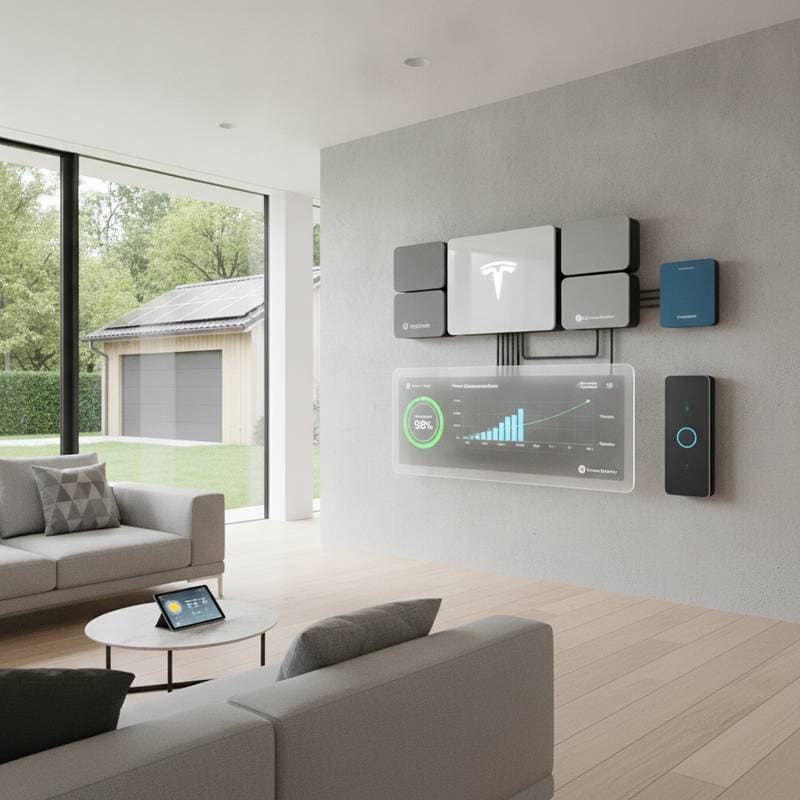
Contemporary geothermal units pair with smart thermostats and zoning mechanisms. These adjust operations to usage habits, curbing unnecessary consumption. Effective calibration boosts annual efficiency by 10 to 15 percent.
5. Engage Qualified Installers
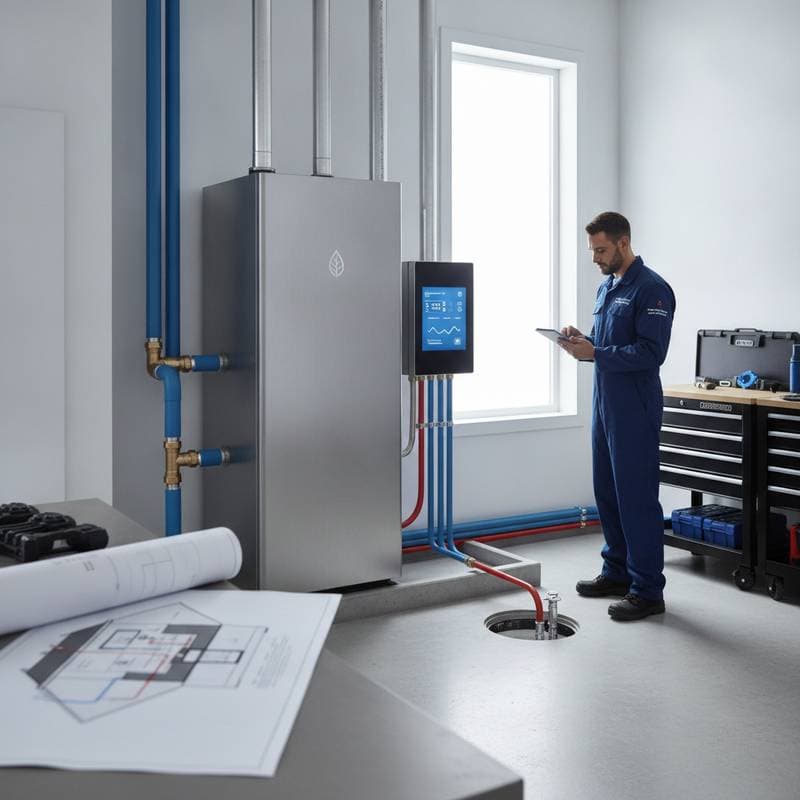
Select professionals certified by organizations like the International Ground Source Heat Pump Association. Optimal outcomes hinge on precise sizing, loop placement, and ground thermal properties.
Analyzing Payback Calculations
Consider a standard scenario: a $28,000 system yields $3,500 yearly savings from lower energy and upkeep. Payback occurs near year five, followed by continued gains. Across 20 years, net benefits exceed $40,000, alongside enhanced comfort and ecological gains.
Contrast this with conventional HVAC replacements every 12 to 15 years; geothermal frequently demonstrates superior long-term economics. Loops persist far beyond heat pumps, allowing component swaps without infrastructure disruption.
Enhancing Home Efficiency with Complementary Upgrades
Geothermal performs optimally alongside other eco-improvements. Implement these for amplified results:
- Superior insulation to sustain indoor climates and lessen system demands.
- Advanced windows with multiple glazing layers to minimize thermal transfer.
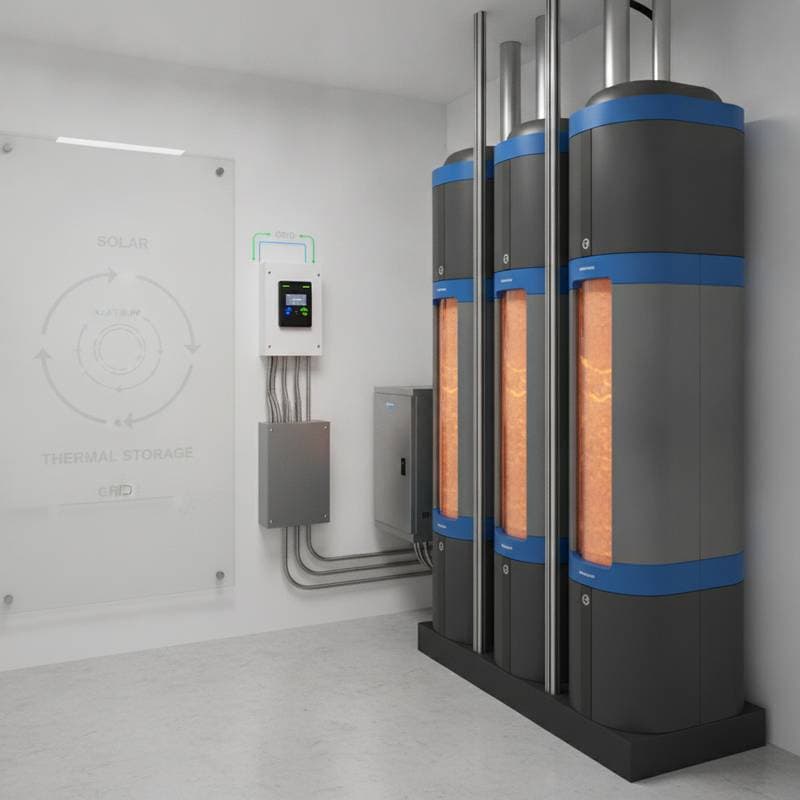
- Solar integration for approaching energy neutrality.
- Tightened ducts to prevent up to 30 percent air loss.
These additions accelerate returns and deepen savings.
Essential Pre-Installation Evaluations
Planning ensures success. Review these elements:
Soil and Subsurface Properties
Soil variety and rock formations influence drilling expenses and thermal transfer. Conductive clays or sands facilitate efficiency; rocky areas demand deeper work. Mandate a conductivity analysis for design accuracy.
Available Space
Horizontal setups require broader yard areas; vertical options need minimal surface but greater depth. Confirm compatibility with existing features to avoid landscape alterations.
Accurate Sizing and Load Assessment
Mismatch in scale leads to inefficiencies. Base determinations on home area, insulation levels, and local weather via professional computations.
Ongoing Maintenance Requirements
Annual checks of fluid levels, filters, and pressures maintain peak function. Services cost $150 to $300 yearly, below traditional HVAC equivalents.
Broader Environmental Advantages
Beyond economics, geothermal reduces reliance on fossil fuels, slashing household emissions by up to 70 percent. This equates to substantial ecological offsets.
Systems support grid stability during high-demand times, outperforming air-source alternatives in extremes. Such reliability fosters regional energy security.
Sustainability engineer Dr. Leah Morris noted in an industry discussion, "Geothermal represents a subtle shift in home energy practices, blending comfort, performance, and stewardship."
Long-Term Cost Analysis and Property Impact
Evaluate total ownership costs against alternatives. Loops endure 50 years, heat pumps 20 to 25. Future replacements prove less disruptive and costly.
Energy-efficient residences appreciate in value, selling quicker at premiums of 3 to 5 percent. Prospective buyers value predictable utilities and green features.
Steps to Proceed with Geothermal Adoption
Begin with a specialist consultation for site review, cost projections, and region-specific advantages. Request comprehensive plans detailing savings, rebates, and durability.
Visit itsacoolerplanet.com to link with certified experts familiar with local conditions and programs. They customize solutions aligning efficiency with rapid financial recovery.
Adopting geothermal elevates home performance while advancing sustainable energy practices. Underground resources now deliver tangible economic and environmental rewards in mere years.
Frequently Asked Questions
Q: How can I determine if geothermal suits my property?
A: Arrange a specialist site review encompassing soil testing, space availability, and energy demands. This identifies optimal loop types and precise cost estimates.
Q: What maintenance does a geothermal system require?
A: Annual inspections cover fluid checks, filter replacements, and pressure verification, typically costing $150 to $300 and ensuring long-term efficiency.
Q: Can geothermal integrate with other home upgrades?
A: Yes, combining with insulation, efficient windows, or solar panels maximizes savings and approaches zero-energy operation.