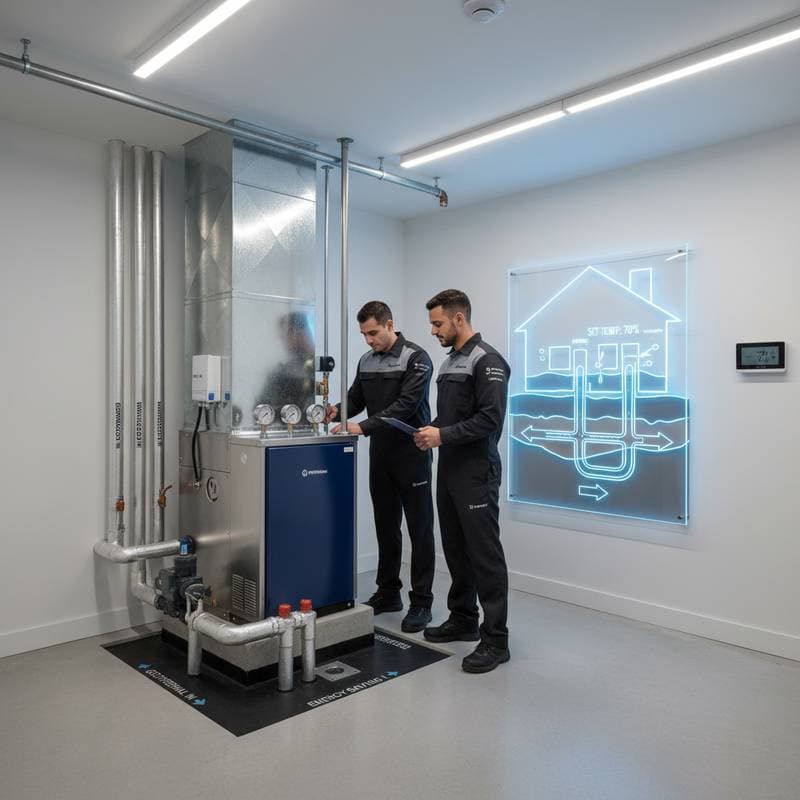
How Geothermal Cooling Works
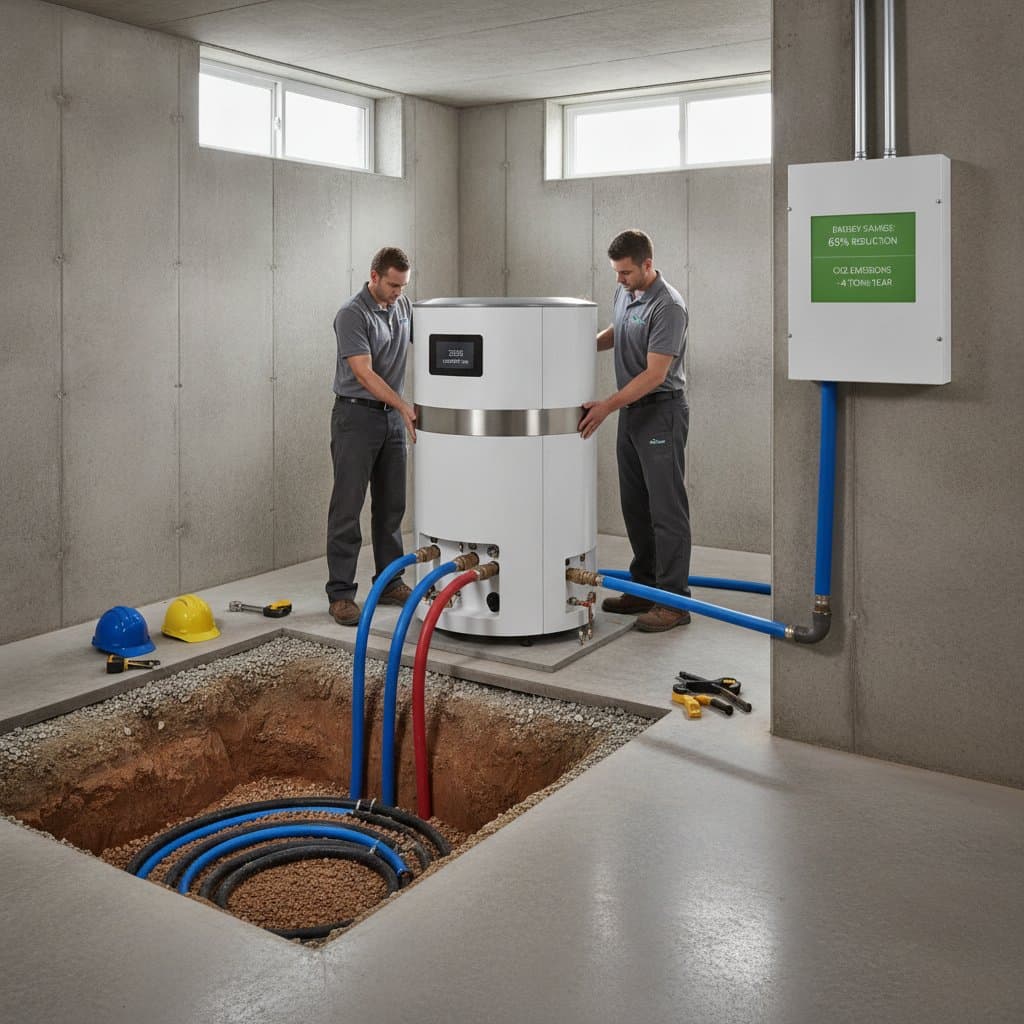
Geothermal cooling systems extract heat from indoor air and transfer it into the ground. Underground temperatures stay moderate year-round, so the process demands much less energy than expelling heat into outdoor air. During winter, the system reverses to pull warmth from the earth for heating the home.
This closed-loop approach ensures reliable performance regardless of external weather extremes. Homeowners benefit from consistent comfort without the energy spikes associated with traditional air conditioning. The technology proves especially valuable in regions with hot summers or variable climates.
System Design Options and Trade-offs
Geothermal systems feature various loop configurations, each matched to specific site conditions and budgets.
- Horizontal Loops: These install in trenches four to six feet deep, suiting properties with sufficient land. Installation costs remain low, though space requirements limit use on compact lots.
- Vertical Loops: Drilled into boreholes hundreds of feet deep, these fit smaller properties well. Drilling expenses rise, but land use stays minimal.
- Pond or Lake Loops: These leverage nearby water bodies for heat exchange, cutting installation costs where water access exists.
- Open-Loop Systems: These draw groundwater from wells and discharge it post-use. Efficiency shines, yet success hinges on water quality and regulatory approval.
A certified geothermal contractor assesses soil type, moisture content, and thermal properties to select the best option. Clay or wet soils transfer heat effectively, whereas sandy or rocky ground often needs deeper loops or expanded layouts for optimal results. Conduct a site evaluation early to avoid surprises.
Weighing Initial Costs Against Enduring Benefits
Discussions about geothermal cooling frequently focus on upfront expenses, yet informed homeowners treat it as a strategic investment. Although installation surpasses costs of premium air-source units, lifetime returns prove substantial.
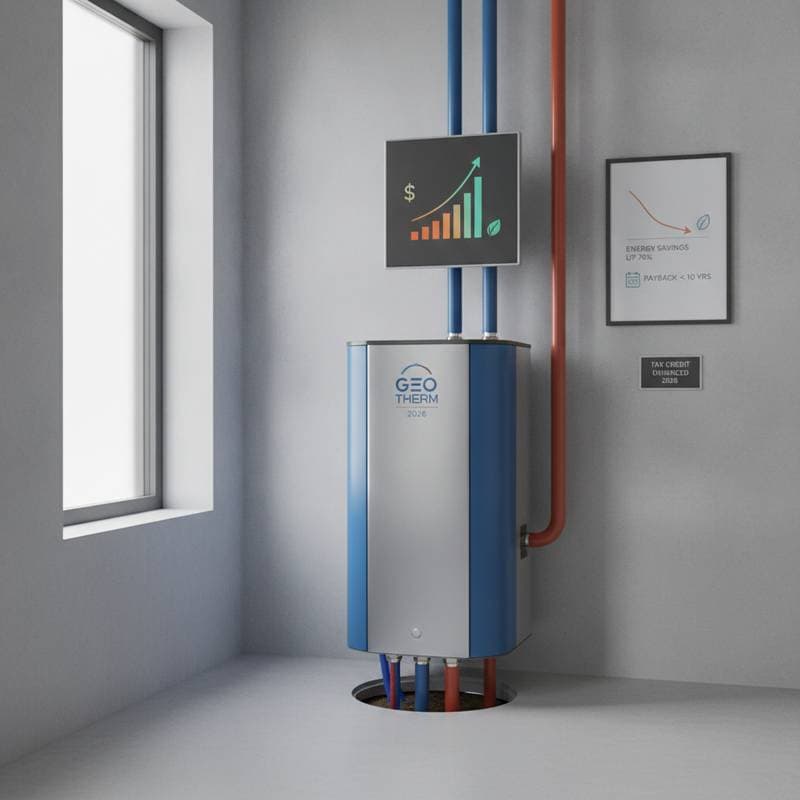
- Energy Savings: Bills decrease significantly due to efficiency ratings over 400 percent, delivering four units of cooling per unit of electricity.
- Lower Maintenance: Fewer outdoor components exposed to elements reduce costs by 25 to 50 percent.
- Extended Durability: Ground loops endure over 50 years, with indoor units lasting beyond 20 years.
- Boosted Property Value: Eco-friendly features appeal to buyers, enhancing resale potential.
Consider these factors to calculate an annual return of 8 to 12 percent across the system's life, surpassing many home upgrades. Request detailed projections from contractors to confirm payback timelines for your location.
Merging Sustainability with Superior Comfort
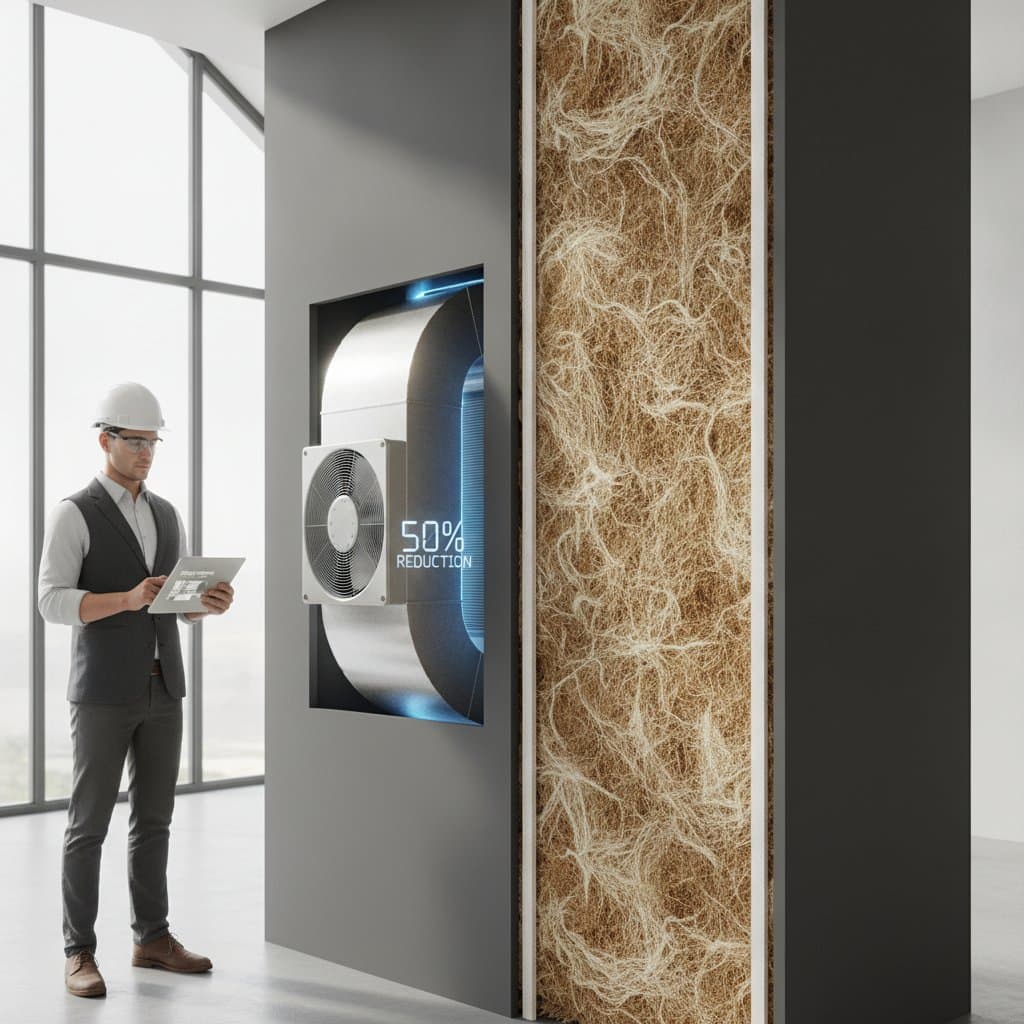
Geothermal systems elevate both comfort and environmental health. They deliver even humidity and temperature control, avoiding the uneven spots in conventional forced-air setups. Quiet operation removes the hum of external units, fostering peaceful indoor spaces.
On the sustainability front, these systems cut greenhouse gas emissions by up to 70 percent versus fossil-fuel HVAC. They also sidestep refrigerant leaks common in older technologies. Communities pursuing reduced carbon reliance find geothermal a practical, expandable solution.
Seamless Ties to Smart Homes and Renewables
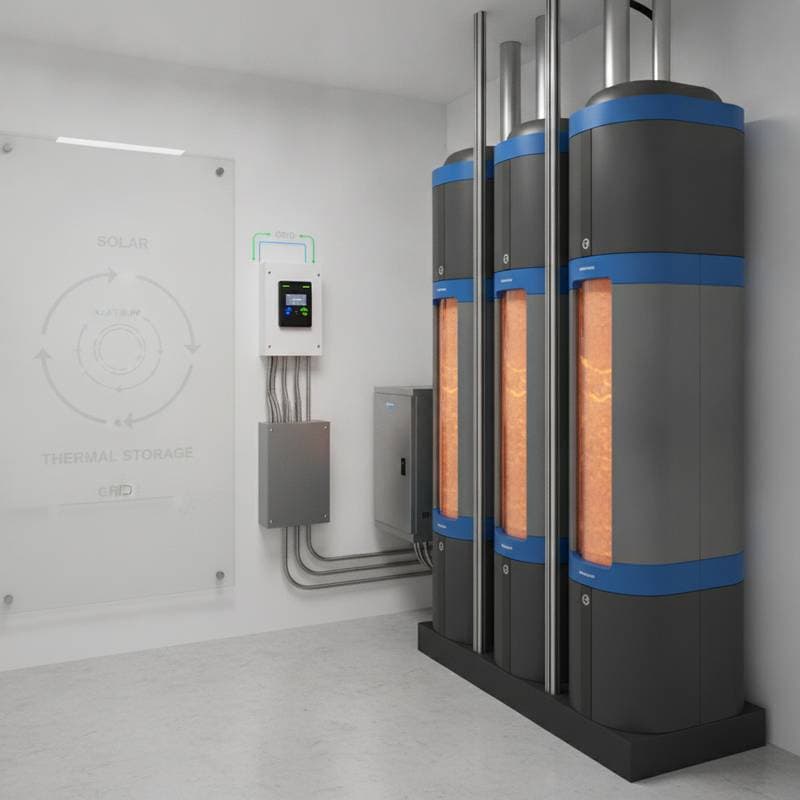
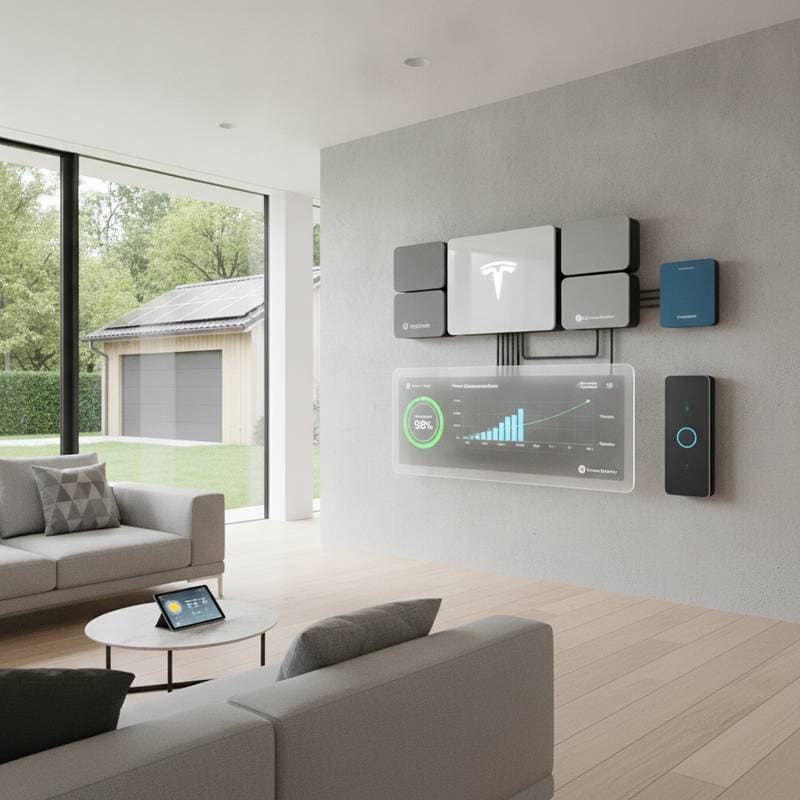
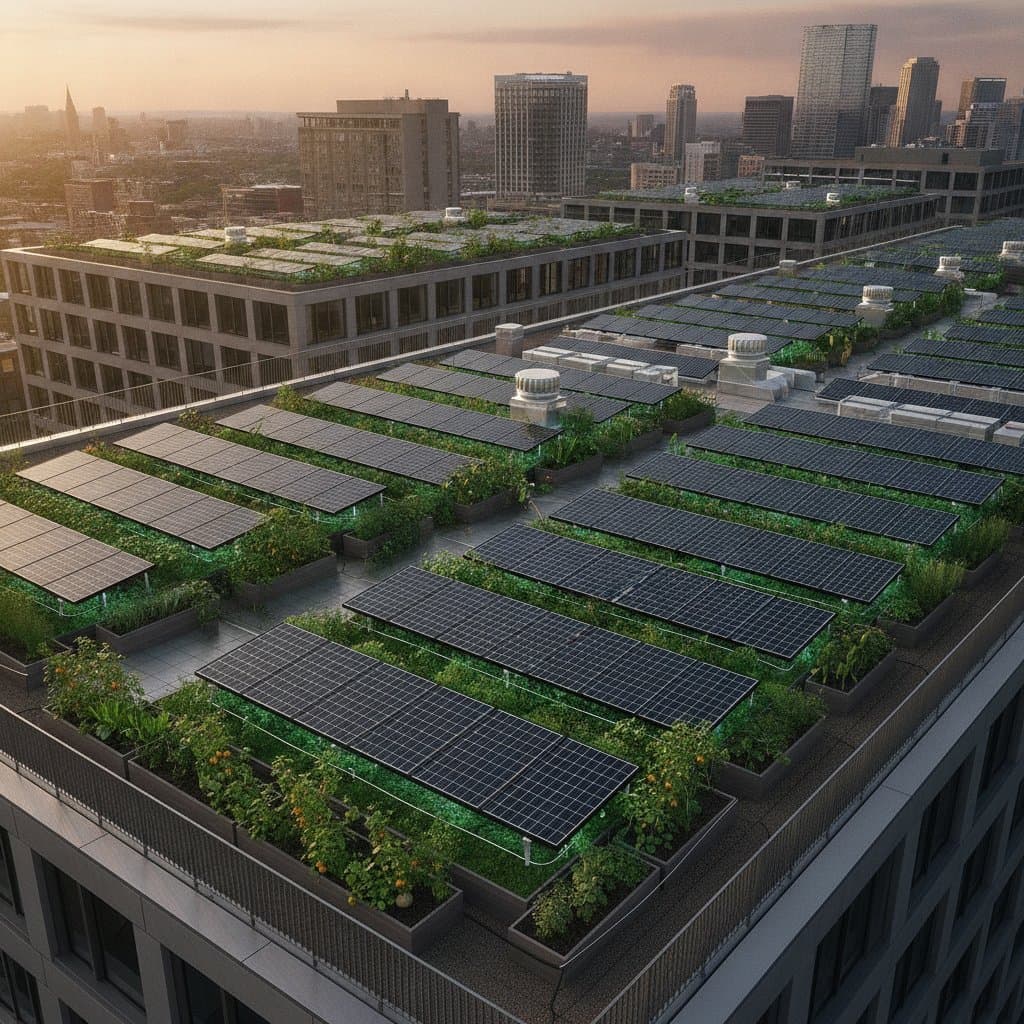
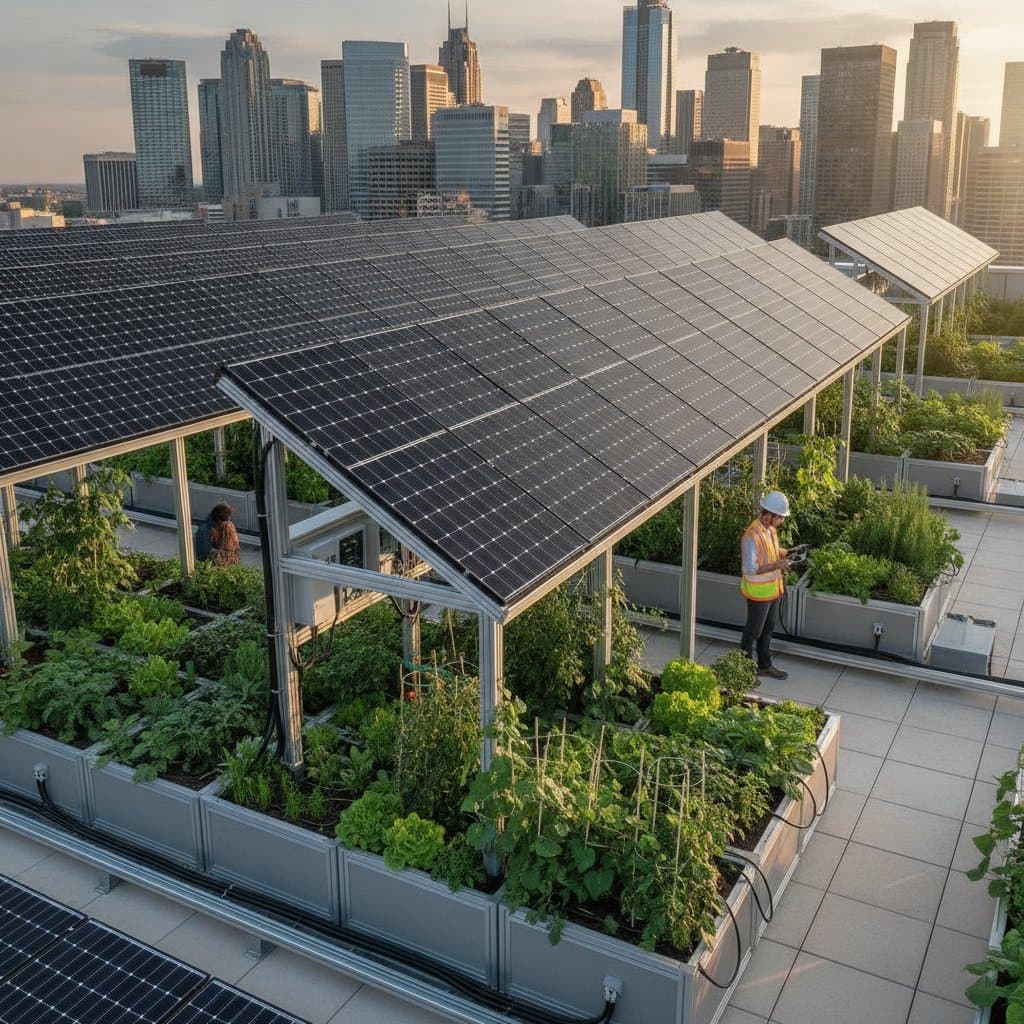
Contemporary geothermal setups connect effortlessly with smart thermostats and energy management tools. Homeowners adjust operations via apps, responding to live energy rates or solar output. Combining with photovoltaic panels offsets costs almost entirely on clear days.
Integrate battery storage to maintain function during power disruptions. For net-zero or LEED certifications, geothermal earns credits in energy and renewables categories. Consult integrators to map compatibility with existing smart devices.
Key Installation Factors and Expert Guidance
Geothermal principles appear straightforward, but execution demands precision. Accurate loop sizing, soil depth, and fluid flow prevent efficiency losses or equipment wear.
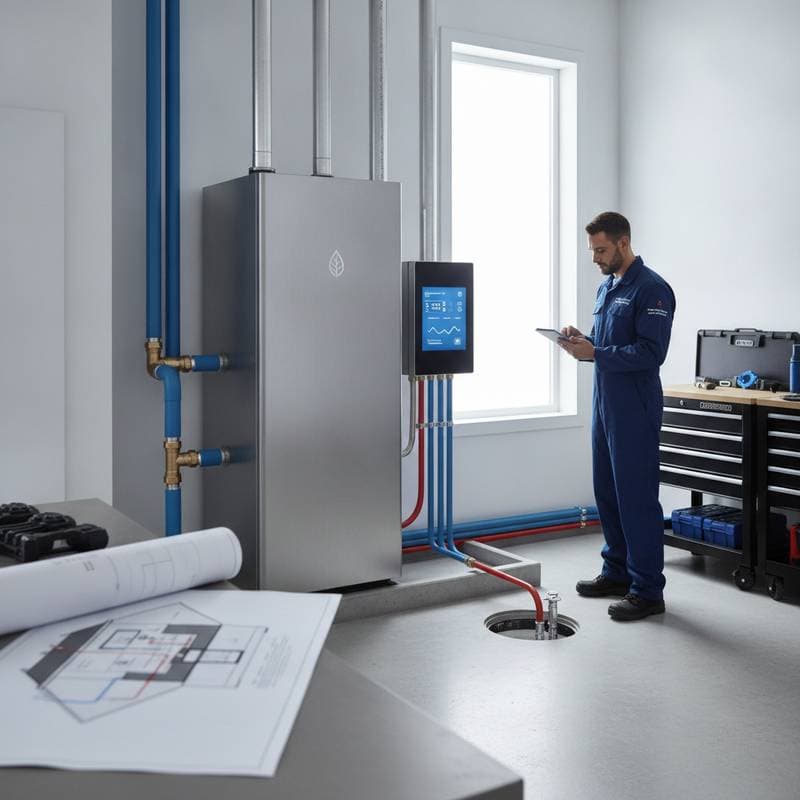
Select contractors accredited by groups like the International Ground Source Heat Pump Association. They perform thorough site analyses, including soil borings and heat-load simulations, prior to installation. Secure permits and verify code adherence through their expertise.
Retrofitting works for most homes, with adaptations for ducts or loop routing. In new builds, embed loops during foundation phases to minimize expenses and site impact. Budget for these steps to ensure smooth rollout.
Debunking Geothermal Myths
Myth 1: Geothermal functions only in cold climates.
Reality: Stable ground temperatures support effective cooling and heating in diverse regions worldwide.
Myth 2: The system demands frequent upkeep.
Reality: Proper installation leads to minimal maintenance, such as filter replacements and pump inspections, far less than traditional HVAC.
Myth 3: It suits only expansive luxury homes.
Reality: Scalable modules accommodate small to medium residences, fitting varied budgets and footprints.
Myth 4: Installation ruins landscapes indefinitely.
Reality: Temporary digging allows quick restoration of yards; buried loops remain unseen and hassle-free.
Health Benefits of Geothermal Systems
Geothermal cooling eases environmental burdens while promoting indoor well-being. Closed loops prevent combustion byproducts and pollutants from entering living spaces. Steady airflow controls humidity, curbing mold and easing breathing for allergy or asthma sufferers.
Families notice improved air quality and fewer irritants over time. This stability supports daily health without aggressive temperature swings. Prioritize systems with high-efficiency filters for maximum gains.
Steps to Adopt Geothermal Cooling
Begin the shift to geothermal by scheduling a professional assessment. A certified contractor conducts soil tests, calculates heating and cooling loads, and provides cost breakdowns. Demand specifics on projected savings and return periods tailored to your home.
Compare quotes from multiple experts to identify the best fit. Factor in incentives like tax credits that shorten payback. Proceed with confidence once feasibility confirms viability.
Embracing Geothermal for Everyday Resilience
Adopters of geothermal cooling report homes that feel more balanced and serene. Fresh air flows steadily, temperatures hold true, and operations stay silent. This foundation enables sustainable routines with minimal effort.
As innovations advance and adoption spreads, geothermal emerges as essential for efficient homes. Harness the earth's reliable energy to secure comfort, savings, and a lighter ecological footprint for years ahead.