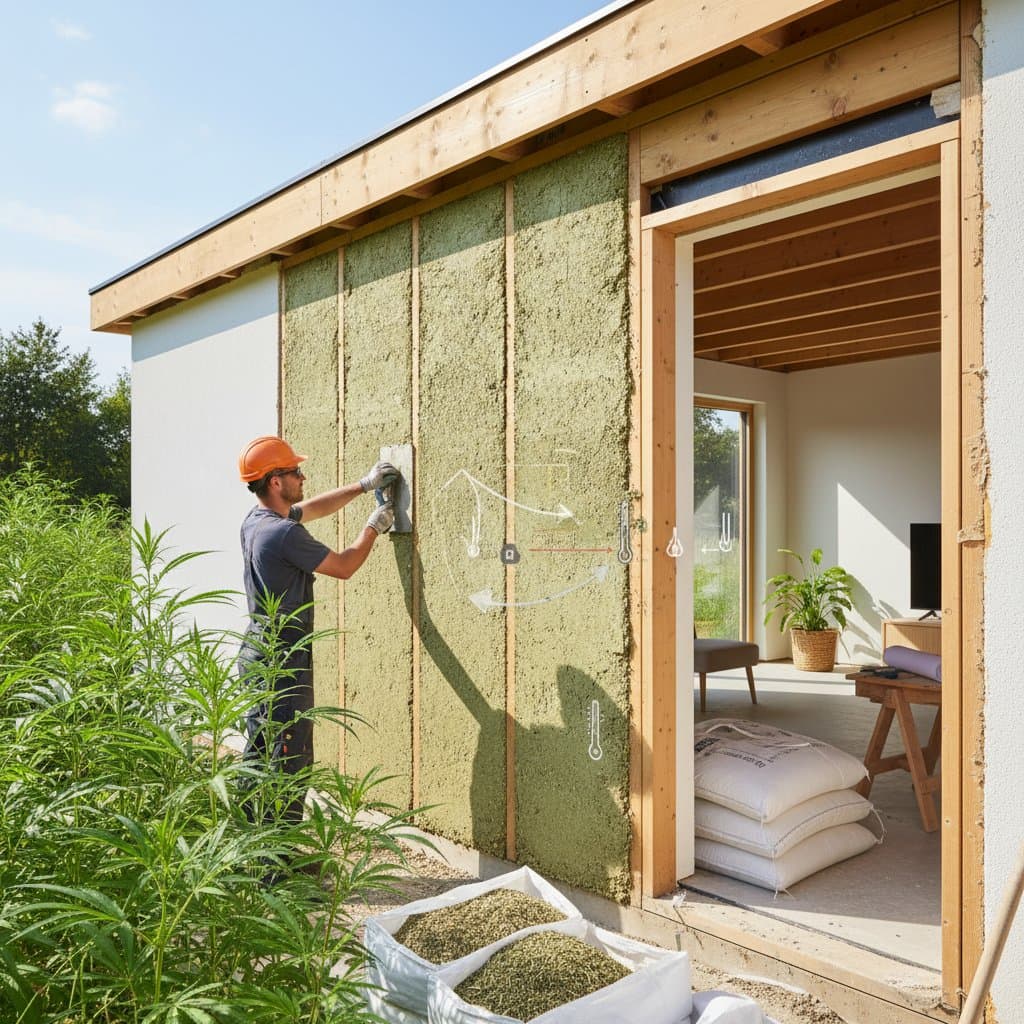
Hempcrete Walls: Insulating Structures That Sequester Carbon
Hempcrete represents a breakthrough in sustainable building materials. This bio-based composite combines hemp hurds, lime, and water to form lightweight blocks or poured walls that provide excellent insulation. Builders increasingly turn to hempcrete for its ability to reduce energy consumption while actively removing carbon dioxide from the atmosphere.
The material's rise aligns with global efforts to combat climate change. Traditional insulation options often rely on fossil fuel-derived foams or fiberglass, which carry high embodied carbon. Hempcrete, by contrast, leverages the plant's natural properties to create carbon-negative construction.
Understanding Hempcrete Composition
Hempcrete derives from industrial hemp, a fast-growing plant that requires minimal water and pesticides. The hurds, or woody inner cores of the hemp stalk, serve as the aggregate. Builders mix these with a lime-based binder, which hardens through a carbonation process that absorbs CO2.
This composition results in a material with low density, around 15 percent that of concrete, making it easy to handle on site. Unlike dense concretes, hempcrete allows for breathable walls that prevent moisture buildup. The result is a structure that maintains stable indoor temperatures year-round.
Insulation Properties of Hempcrete
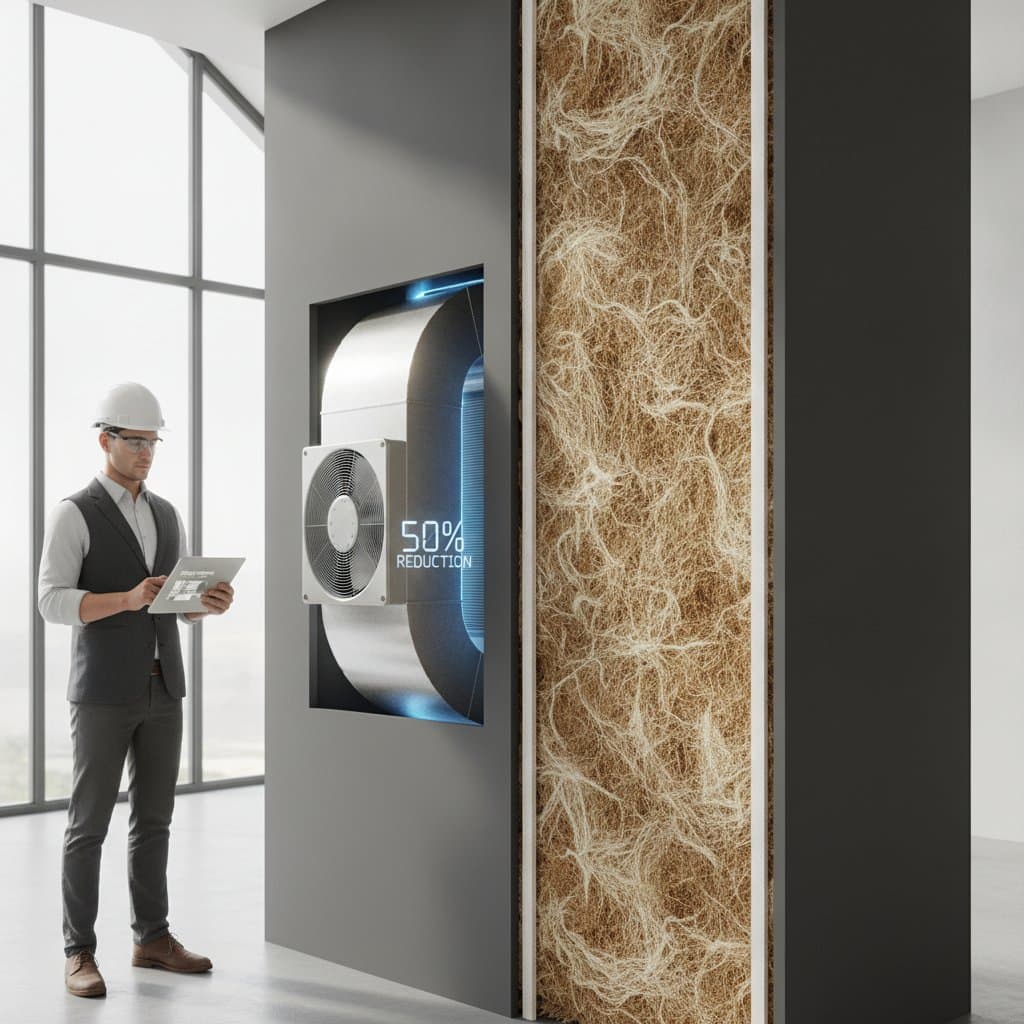
Hempcrete excels in thermal performance, with an R-value typically ranging from 2.4 to 2.8 per inch. This rating surpasses many conventional insulations, such as fiberglass batts, in real-world applications. The material's cellular structure traps air pockets that resist heat flow effectively.
Beyond thermal insulation, hempcrete regulates humidity naturally. It absorbs excess moisture during humid periods and releases it when conditions dry out, preventing mold growth. Homeowners benefit from consistent comfort without relying on mechanical dehumidifiers or air conditioners.
In cold climates, hempcrete walls minimize heat loss, potentially reducing heating demands by up to 30 percent. In warmer regions, the same properties keep interiors cool, lowering cooling costs. This versatility makes hempcrete suitable for diverse architectural styles and geographies.
Carbon Sequestration Mechanism
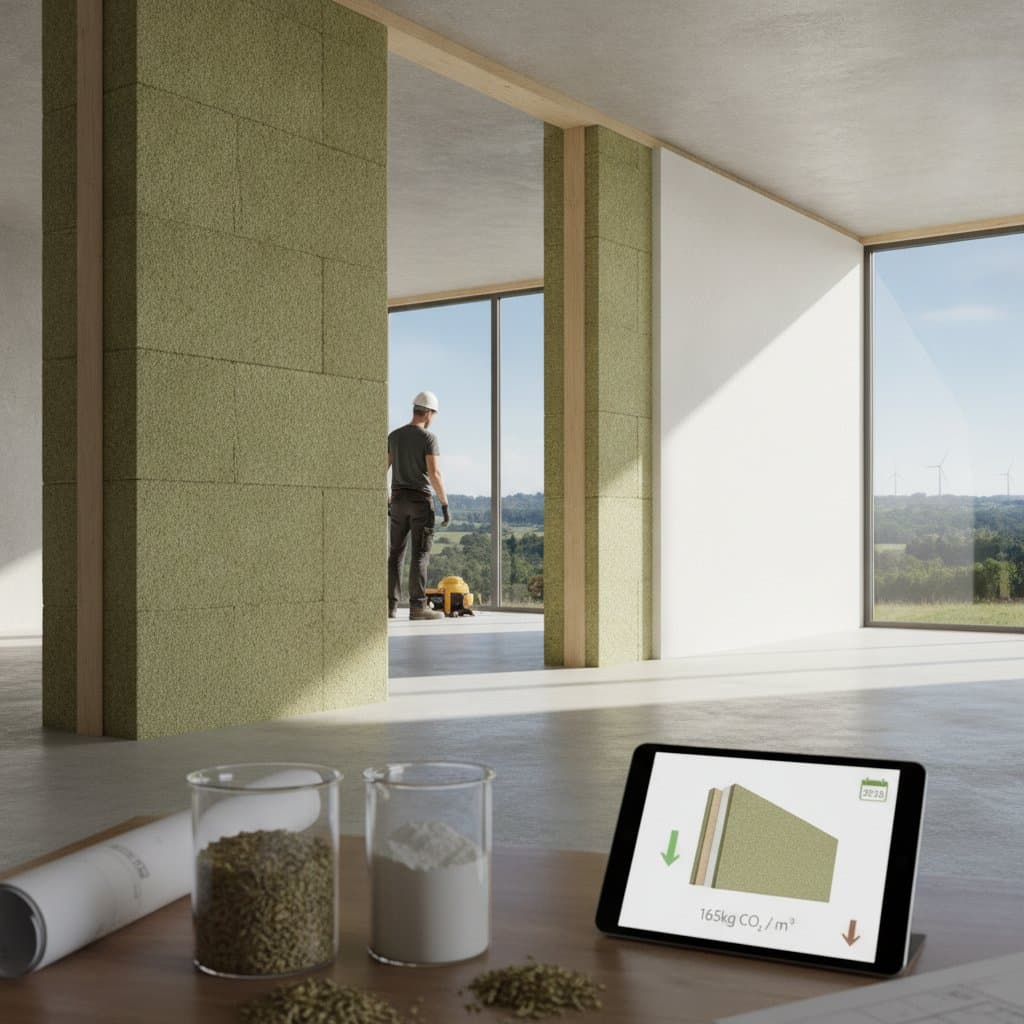
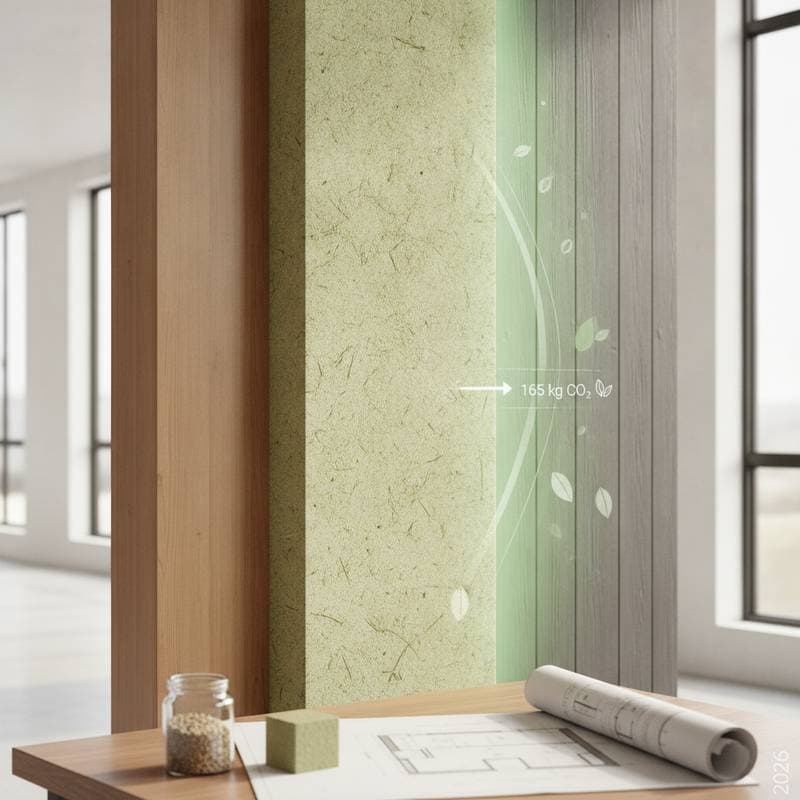
Hempcrete's environmental impact extends to active carbon capture. During the lime binder's curing, it reacts with atmospheric CO2 to form calcium carbonate, effectively locking away the gas. Each cubic meter of hempcrete can sequester approximately 100 to 200 kilograms of CO2 over its lifecycle.
The hemp plant itself absorbs CO2 during growth, with one hectare capturing up to 15 tons annually. When incorporated into buildings, this carbon remains stored for the structure's lifespan, often exceeding 100 years. This process positions hempcrete as a tool for achieving net-zero or carbon-negative buildings.
Compared to standard concrete, which emits about one ton of CO2 per cubic meter during production, hempcrete reverses the equation. Builders using this material contribute to broader decarbonization goals without sacrificing structural integrity.
Health and Durability Advantages
Hempcrete promotes healthier indoor environments by avoiding volatile organic compounds found in synthetic insulations. Its natural composition resists allergens and improves air quality, benefiting residents with respiratory sensitivities. Studies indicate that such materials can reduce sick building syndrome symptoms significantly.
Durability defines hempcrete's appeal for long-term use. The material withstands fire, pests, and rot better than wood or foam alternatives. In seismic zones, its flexibility absorbs shocks, enhancing safety during earthquakes.
Maintenance remains minimal, as the lime binder self-heals small cracks through ongoing carbonation. This longevity translates to fewer repairs and replacements, aligning with sustainable principles that emphasize enduring quality.
Cost Considerations and Long-Term Savings
Initial costs for hempcrete run higher than conventional options, often 10 to 20 percent more due to specialized labor and material sourcing. However, these expenses offset through energy savings over time. A typical home might recoup the premium within five to seven years via reduced utility bills.
Government incentives, such as tax credits for green building materials, further ease adoption. In regions promoting sustainable construction, grants cover portions of the upfront investment. The overall lifecycle cost proves lower when factoring in environmental benefits and resale value.
Builders report that hempcrete's lightweight nature cuts transportation and installation expenses. Faster construction timelines also reduce labor overheads, making it competitive in commercial projects.
Implementing Hempcrete in Construction
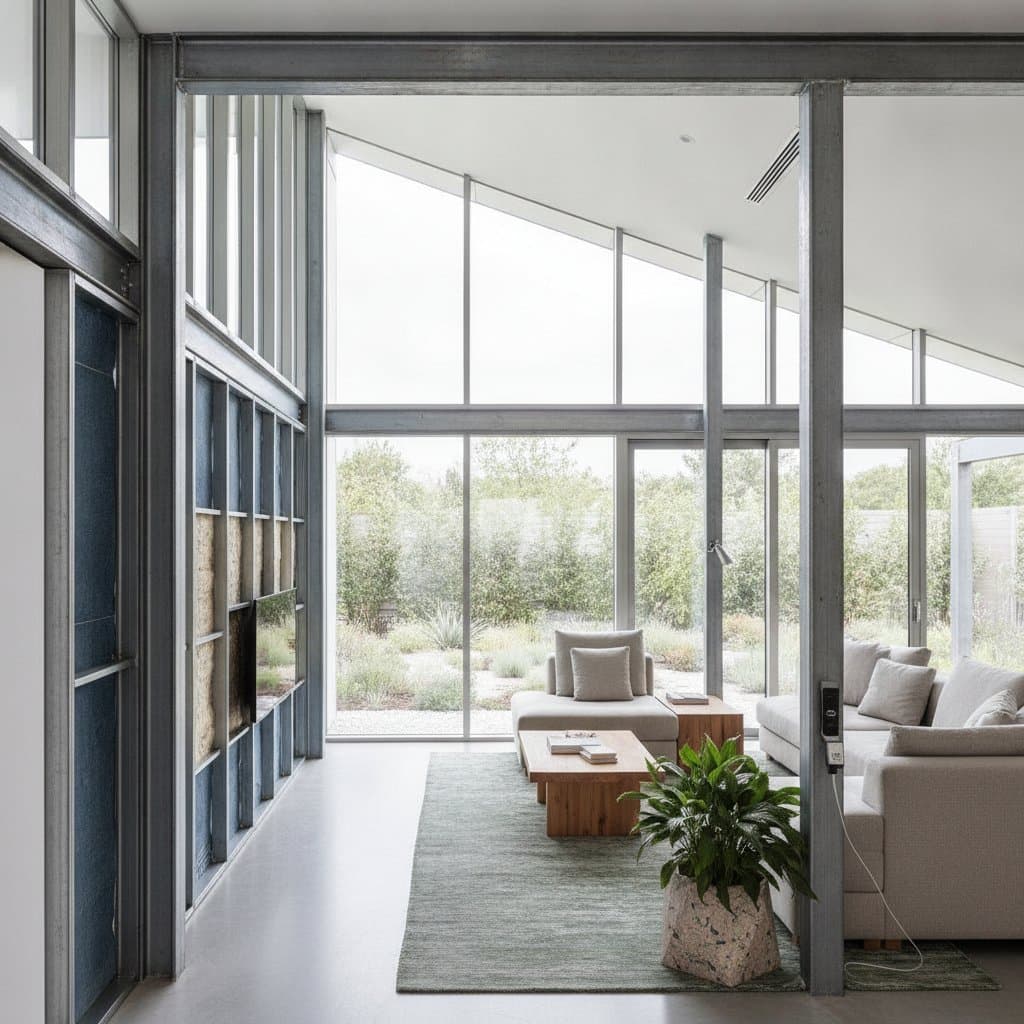
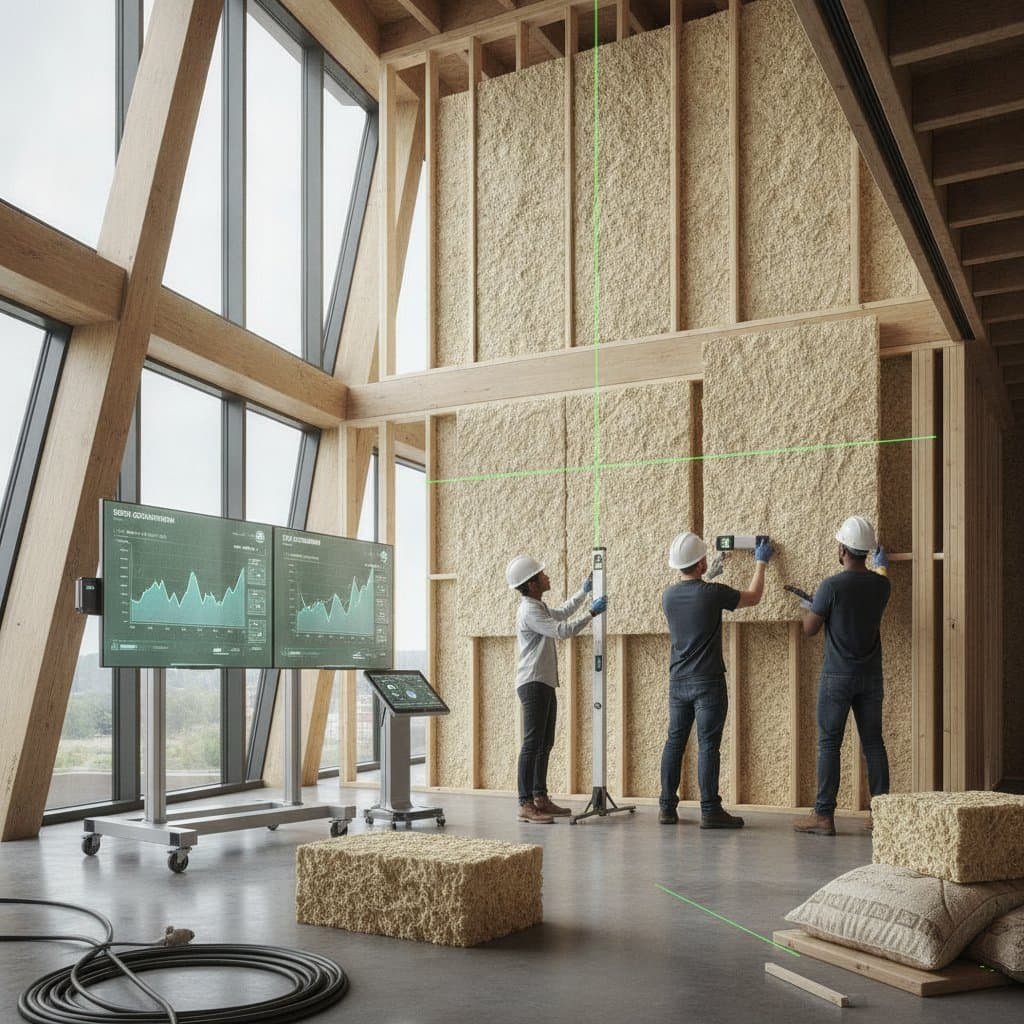
For new builds, architects integrate hempcrete from the foundation stage. Load-bearing frames support the non-structural hempcrete infill, combining strength with insulation. This hybrid approach allows for open floor plans and large windows that maximize natural light.
Retrofitting existing structures presents unique opportunities. Contractors apply hempcrete as a cavity fill or external render, upgrading insulation without major disruptions. In historic renovations, the material's compatibility with traditional masonry preserves aesthetic integrity while modernizing performance.
Professional training ensures successful implementation. Certified installers follow precise mixing ratios and curing times to achieve optimal strength. Homeowners considering hempcrete should consult local suppliers for regionally adapted formulations.
Steps to Adopt Hempcrete in Your Project
-
Assess your site's climate and building codes to confirm hempcrete suitability.
-
Source materials from verified hemp producers to ensure quality and sustainability.
-
Collaborate with experienced architects and builders familiar with bio-based composites.
-
Plan for a curing period of several weeks post-installation to allow full carbonation.
-
Monitor energy performance after completion to quantify savings and environmental impact.
These steps guide users toward seamless integration, turning ambitious green goals into reality.
Building a Sustainable Legacy with Hempcrete
Hempcrete transforms construction from a carbon source into a sequestration ally. By choosing this material, builders create homes that enhance occupant well-being and planetary health. The shift toward widespread adoption promises resilient communities equipped for future challenges.
Investing in hempcrete today secures enduring benefits tomorrow. Structures endure, carbon diminishes, and living spaces thrive in harmony with the environment. This approach redefines what it means to build responsibly.