Key Points
- Geothermal systems reduce home heating and cooling costs by up to 65 percent compared with traditional HVAC setups.
- Ground-source heat pumps endure two to three times longer than conventional furnaces or air conditioners.
- Federal and local incentives expand access to installations for homeowners.
- The global transition to renewable energy positions geothermal at the core of sustainable home design.
- Innovations in drilling and loop technologies lower installation costs, broadening viability across neighborhoods.
The Quiet Revolution Beneath Your Feet
Picture entering your home to a steady, comfortable warmth during winter and a refreshing coolness in summer, free from the noise of a furnace or the blast of an air conditioner. This comfort originates from the earth's stable temperature just below the surface. Geothermal energy transforms this natural resource into a reliable method for powering and conditioning homes.
Geothermal energy earns recognition for its efficiency, yet recent technological advances and policy measures propel it from a specialized option to a widespread choice. Homeowners who prioritize reduced bills and minimized carbon footprints now turn to solutions buried underground.
Understanding How Geothermal Works
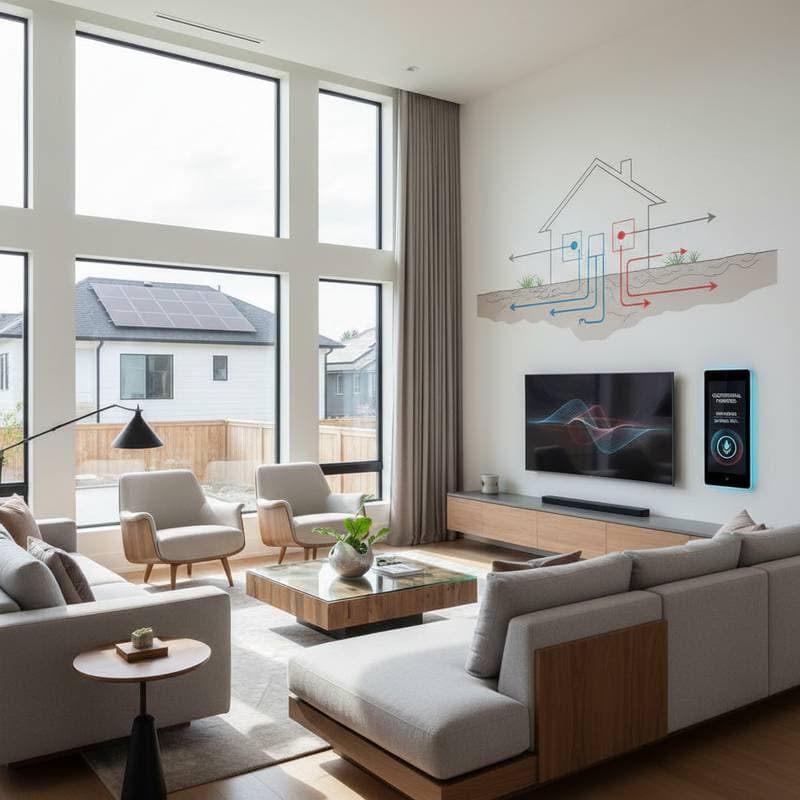
A geothermal heat pump, also known as a ground-source heat pump, leverages the earth's consistent temperature to heat and cool a structure. Air temperature fluctuates widely above ground, but soil temperature remains nearly constant throughout the year. This stability enables efficient heat transfer.
In winter, fluid flows through underground pipes to extract heat from the ground and deliver it indoors. During summer, the process reverses, expelling indoor heat into the earth. This thermal exchange principle yields impressive performance with straightforward mechanics.
Components and Configurations
A standard residential geothermal system consists of three primary elements:
- Ground loop – Buried pipes that facilitate heat exchange with the surrounding soil.
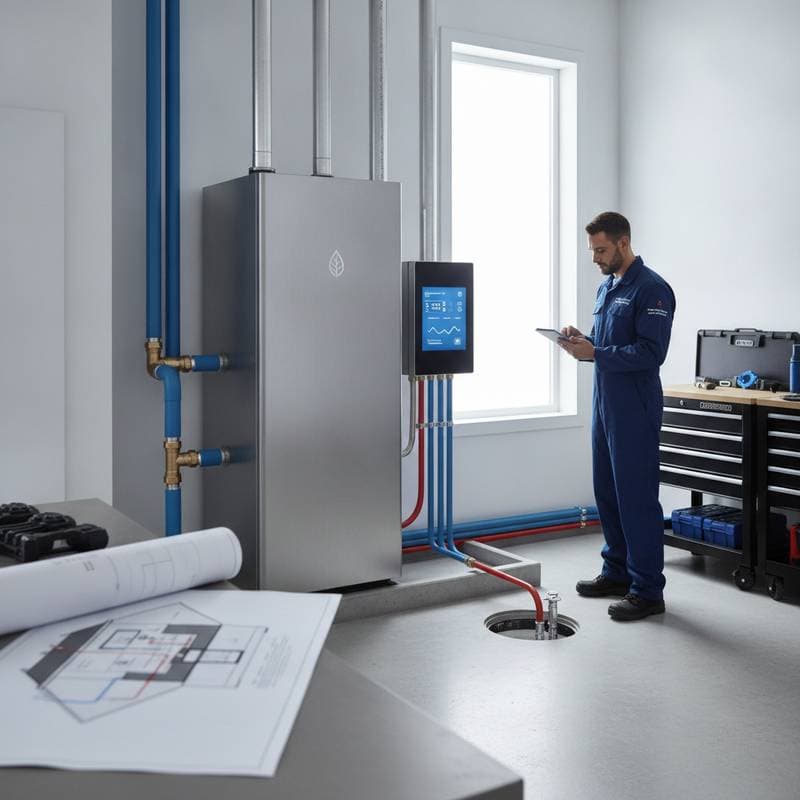
- Heat pump unit – Positioned indoors, this component moves heat between the loop and the home's air system.
- Distribution system – Ducts or radiant flooring that circulate conditioned air or water throughout the space.
Installation options for loops include vertical, horizontal, or pond-based designs, selected based on site space and soil type. Vertical loops suit compact urban areas with minimal land requirements, whereas horizontal loops prove more economical on expansive properties. Each configuration balances cost, efficiency, and site suitability.
Why Geothermal Is Poised for Massive Growth
Multiple trends converge to elevate geothermal as a leading option for home energy management.
1. Energy Efficiency and Cost Savings
Ground-source systems employ electricity mainly to transfer heat, not produce it, achieving three to five units of output energy per unit of input. This high efficiency directly lowers utility expenses. The U.S. Department of Energy reports that homeowners achieve 30 to 70 percent savings on heating and 20 to 50 percent on cooling relative to traditional systems.
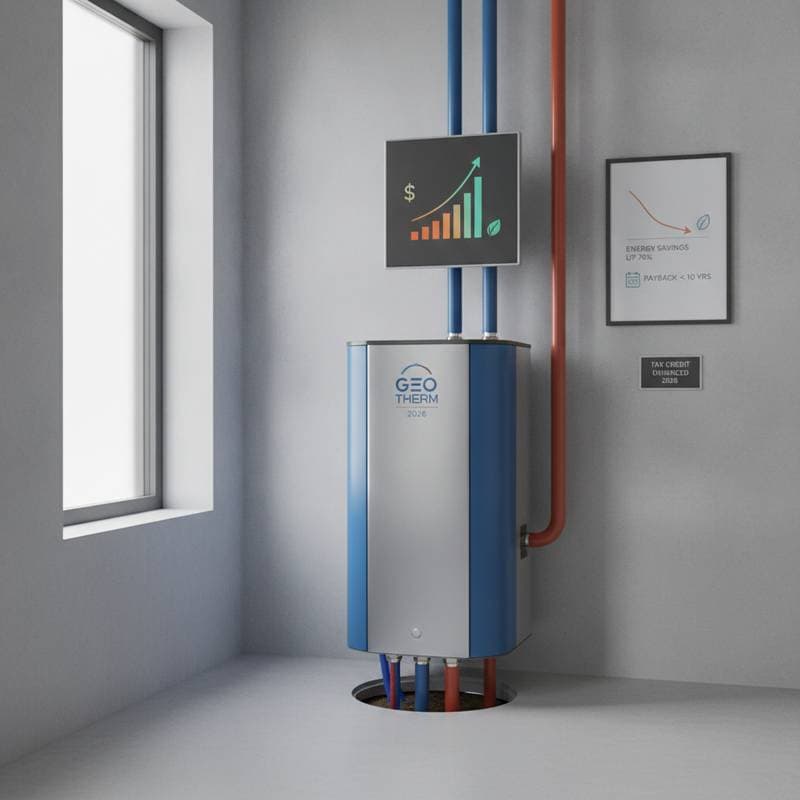
Upfront installation expenses exceed those of standard systems, but sustained savings and minimal maintenance yield a return on investment in a few years. Rebates, tax credits, and financing options enhance the financial appeal further.
2. Policy and Market Support
Governments and utilities advance renewable heating technologies to meet carbon reduction targets. Geothermal incentives grow in scope, and utilities introduce shared-loop networks that connect multiple residences in a community.
Such shared infrastructure cuts costs for individuals and balances grid demands. Cities incorporate geothermal into urban planning, viewing thermal energy as essential communal resource akin to utilities like water or sewage.
3. Advances in Installation Technology
Earlier geothermal setups demanded substantial drilling or trenching, restricting use in dense or challenging terrains. Modern compact rigs fit confined areas, and modular loops minimize digging requirements.
Enhanced borehole heat exchangers incorporate materials that boost thermal conductivity, shortening installation timelines and operational expenses. These developments render geothermal feasible for diverse property types once deemed impractical.
Comparing Heating and Cooling Options
| System Type | Efficiency (Coefficient of Performance) | Average Lifespan | Typical ROI Timeframe | Maintenance Needs |
|---|---|---|---|---|
| Geothermal Heat Pump | 3.5 – 5.0 | 25 – 50 years | 5 – 10 years | Minimal |
| Air-Source Heat Pump | 2.0 – 3.0 | 15 – 20 years | 7 – 12 years | Moderate |
| Natural Gas Furnace | 0.9 – 0.98 | 15 – 20 years | Variable | Regular servicing |
| Electric Resistance Heater | 1.0 | 10 – 15 years | Rarely achieved | High costs |
This comparison underscores geothermal's superior metrics. Despite higher initial outlay, its durability and performance establish it as a superior long-term investment.
Environmental and Health Benefits
Geothermal systems generate no on-site emissions and decrease dependence on fossil fuels. Their silent operation and absence of combustion enhance indoor air quality while eliminating carbon monoxide risks.
Reduced household energy use contributes to lower regional emissions overall. In areas with renewable-heavy electricity grids, geothermal amplifies these environmental gains.
Practical Considerations for Homeowners
A site evaluation by professionals assesses soil composition, water table, and loop placement feasibility. Most sites accommodate geothermal, though specifics influence design and expense.
Cost and Financing
Expect installation costs of $18,000 to $35,000 for a typical residence, varying by capacity and terrain. These figures offset through decreased operations, prolonged service life, and incentives.
Options include energy-efficiency loans, on-bill repayment plans, or property-assessed clean energy programs to distribute costs. Utility rebates often trim initial expenditures substantially.
Maintenance and Longevity
Fewer mechanical components result in reduced wear and servicing needs compared to standard HVAC. Underground loops endure 50 years or longer, with indoor units lasting over 20 years.
Annual inspections target filters, fluid pressure, and controls to maintain optimal function.
Integration with Other Systems
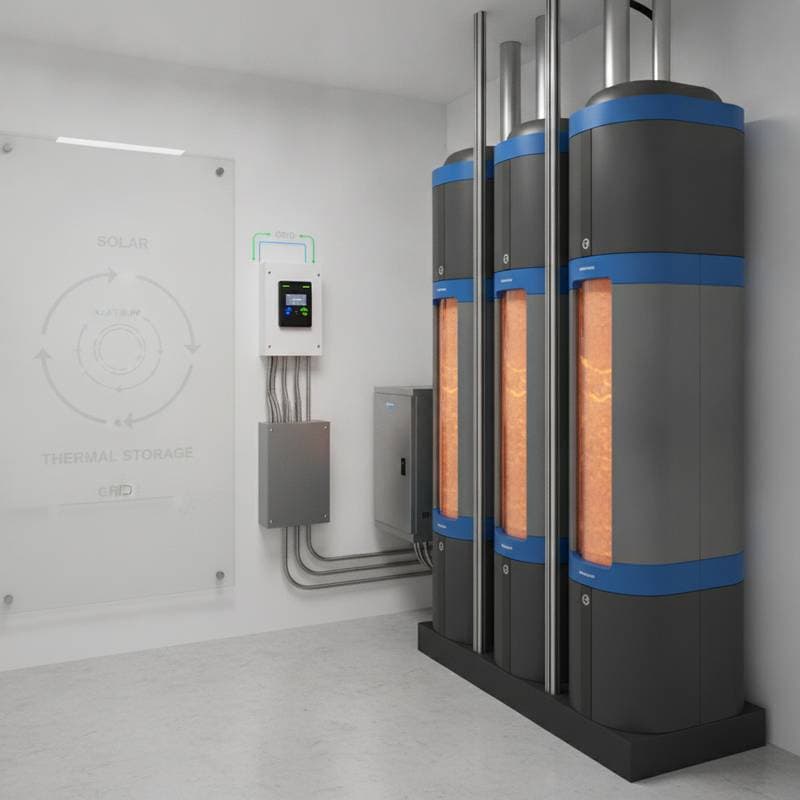
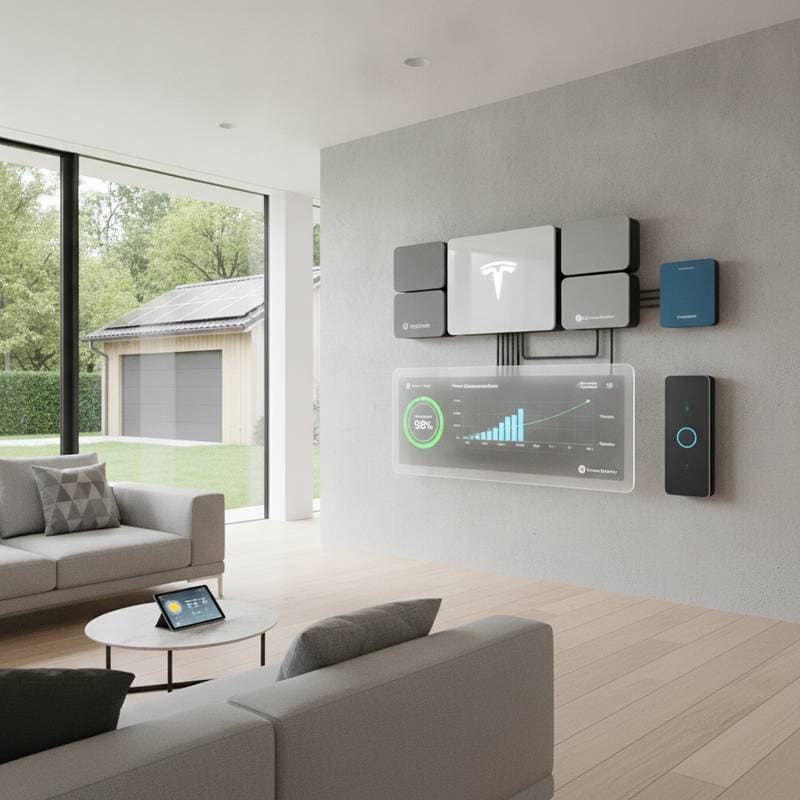
Pair geothermal with solar panels or battery storage to form an independent energy ecosystem. This setup generates power on-site while utilizing earth's thermal stability, fostering resilience against price volatility.
Expert Insights and Industry Perspective
Renewable energy specialists note that geothermal technology has matured, yet public familiarity lags behind its capabilities. Dr. Elaine Howard, a renewable energy consultant, states that geothermal's primary obstacle remains awareness, not efficacy. Homeowners who review the evidence seldom revert to older methods.
Construction firms integrate geothermal into new builds as a premium feature. The International Ground Source Heat Pump Association reports a more than 40 percent rise in geothermal-equipped new homes recently, signaling strong market and builder endorsement.
Future Trends Shaping the Geothermal Landscape
Emerging developments promise wider geothermal adoption.
- District geothermal networks enable community-shared loops, distributing costs evenly.
- AI controls analyze usage patterns to refine operations and anticipate upkeep.
- Hybrid configurations blend geothermal with air-source or solar elements for climate-adapted efficiency.
Steps to Adopt Geothermal at Home
Begin with a professional energy audit to map current consumption and estimate savings. Consult certified installers for site-specific evaluations and quotes.
Research incentives via local utilities or energy agencies, which may cover substantial portions of costs. Commit to this upgrade for enduring comfort, savings, and ecological benefits, harnessing the earth's steady power for your home's future.