Key Points
- Geothermal HVAC systems leverage stable underground temperatures for efficient heating and cooling.
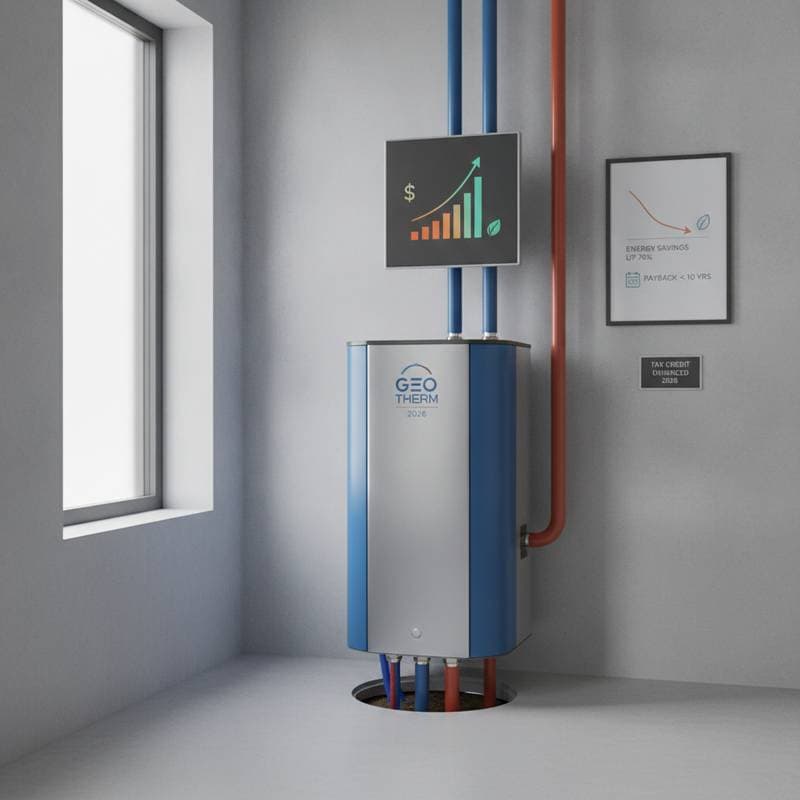
- Homeowners achieve energy cost reductions of 40 to 70 percent relative to conventional systems.
- Initial installation expenses exceed those of traditional setups, yet long-term savings and ecological advantages justify the investment.
- Professional installation and routine maintenance ensure peak system performance.
The Grounded Secret to Year-Round Comfort
Imagine entering your home on a humid afternoon, anticipating the typical surge of chilled air that inflates your utility bill. Instead, the temperature maintains a natural balance, reminiscent of the consistent climate in an underground cavern. This sensation arises from geothermal technology operating unobtrusively below ground.
As a green building expert with decades of experience, I have observed homeowners across diverse climates grappling with escalating utility expenses and inconsistent comfort. Many express surprise upon discovering that the earth provides the most reliable and renewable energy source available. For those seeking efficient home heating and cooling alongside enhanced sustainability, geothermal HVAC emerges as a powerful solution.
Understanding the Problem: Energy Waste and Inefficient Systems
Conventional HVAC systems rely on variable outdoor air temperatures. During weather extremes, these systems demand greater energy input. Data from the U.S. Environmental Protection Agency indicates that heating and cooling represent approximately half of a household's energy consumption. In areas prone to severe heat or cold, efficiency declines become even more pronounced.
By comparison, the ground sustains a constant temperature mere feet below the surface. This reliability enables geothermal heat pumps to transfer heat into or out of the home with limited energy expenditure. Consequently, the system minimizes waste, lowers emissions, and provides unwavering comfort throughout the year.
The Geothermal Advantage: How It Works
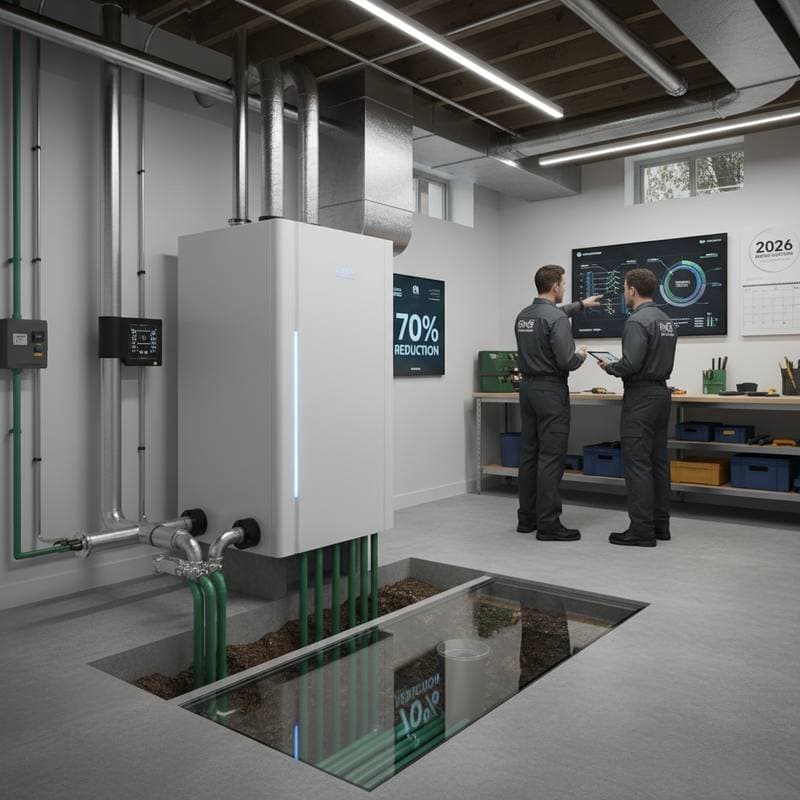
A geothermal HVAC system employs a ground-source heat pump linked to subsurface pipes known as loops. During winter, the setup extracts heat from the earth and delivers it indoors. In summer, the process inverts, absorbing indoor heat and dissipating it underground. Electricity powers only the heat transfer mechanism, not heat generation itself, yielding exceptional efficiency.
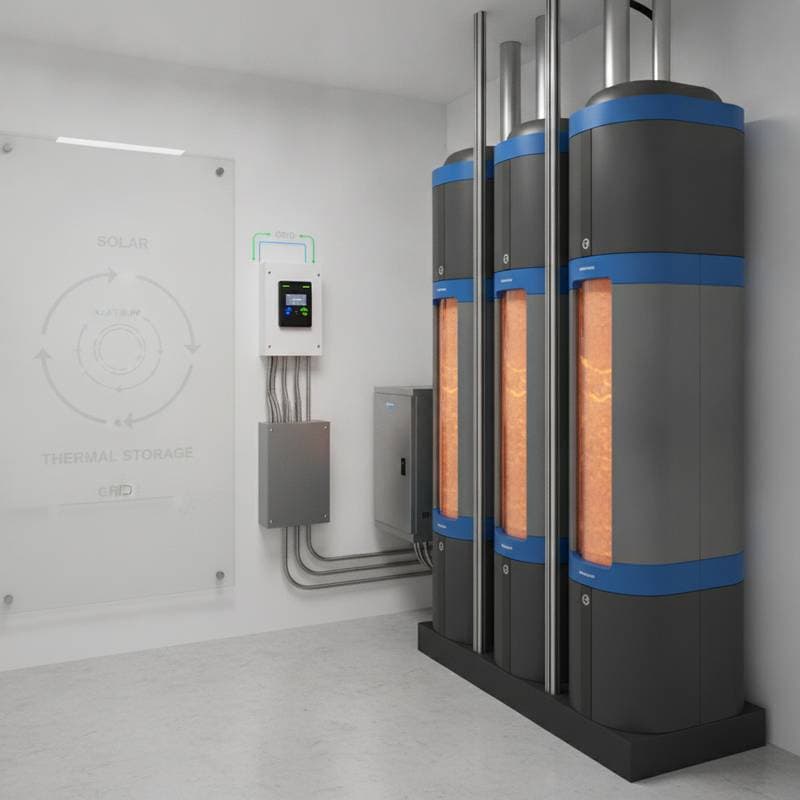
Consider the earth as a natural thermal battery, preserving warmth and coolness for retrieval. The system accesses this reserve to regulate indoor conditions seamlessly.
Step-by-Step Guide to Installing a Geothermal System
1. Site Evaluation
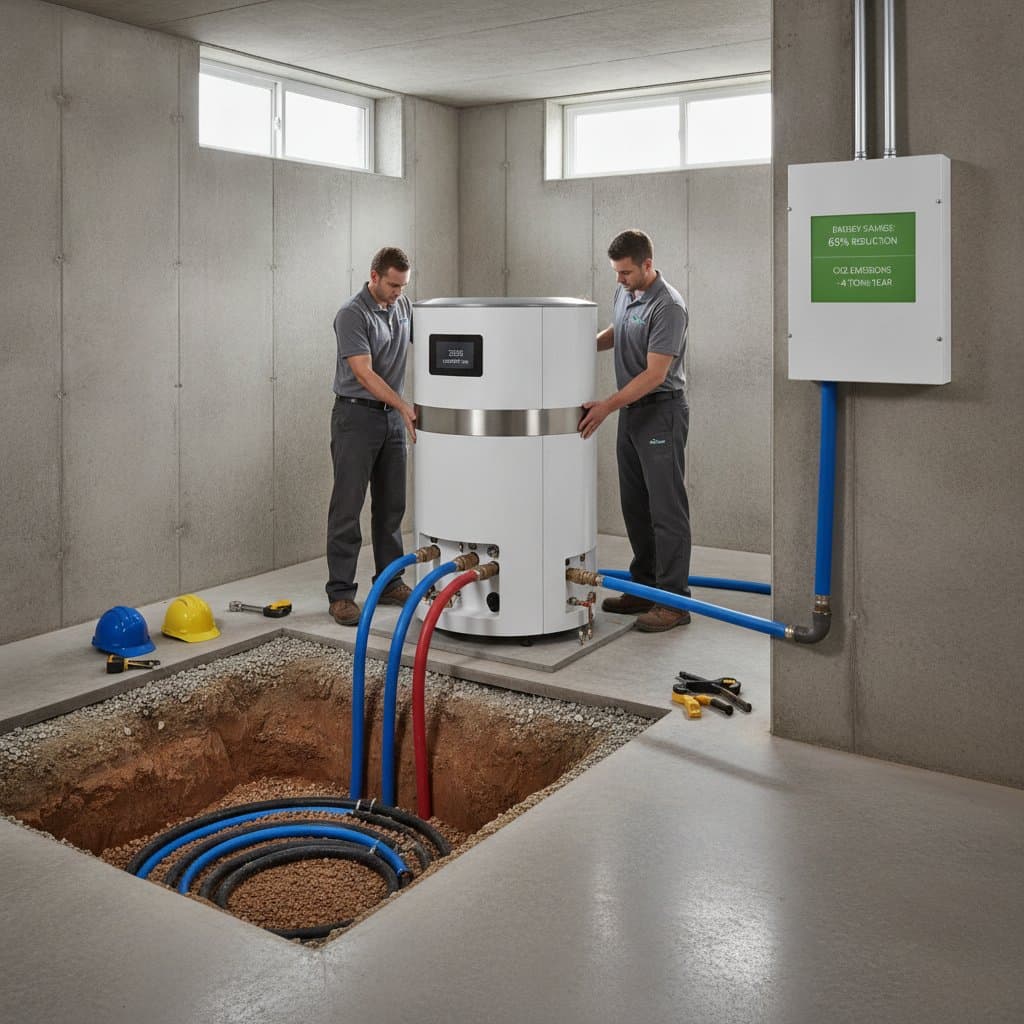
Professionals examine soil composition, terrain features, and available land area. Loop configurations may involve horizontal burial, vertical drilling, or pond integration, selected based on property constraints and financial considerations.
2. System Design
Contractors compute precise heating and cooling requirements to determine system capacity. Accurate sizing prevents inefficiencies or premature component degradation.
3. Drilling and Loop Installation
Vertical installations necessitate deep boreholes for piping placement. Horizontal options require excavated trenches, suiting properties with ample yard space.
4. Heat Pump Installation
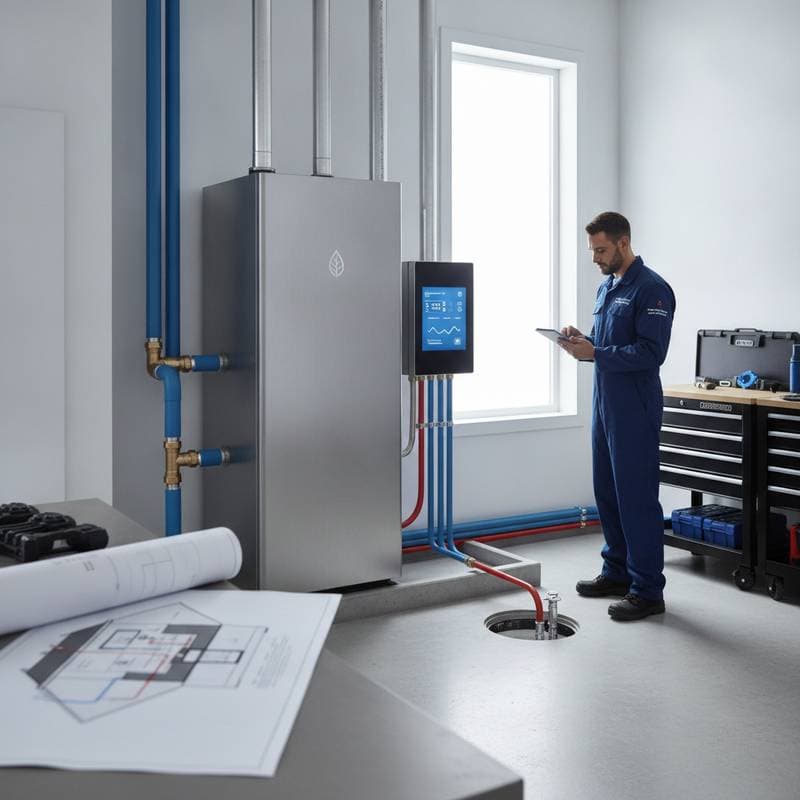
The indoor heat pump unit substitutes for existing furnace and air conditioning equipment. It integrates with the ground loop and existing ductwork.
5. Testing and Commissioning
Technicians verify loop integrity, fluid circulation, and overall functionality prior to full activation, confirming adherence to performance benchmarks.
Expert Tips to Boost Your Home’s Eco-Efficiency
- Seal and Insulate: Advanced geothermal systems underperform in homes with air leaks. Enhance insulation levels and secure duct joints to preserve treated air.
- Use Smart Thermostats: Programmable controls optimize temperature settings, maximizing energy conservation while upholding comfort.
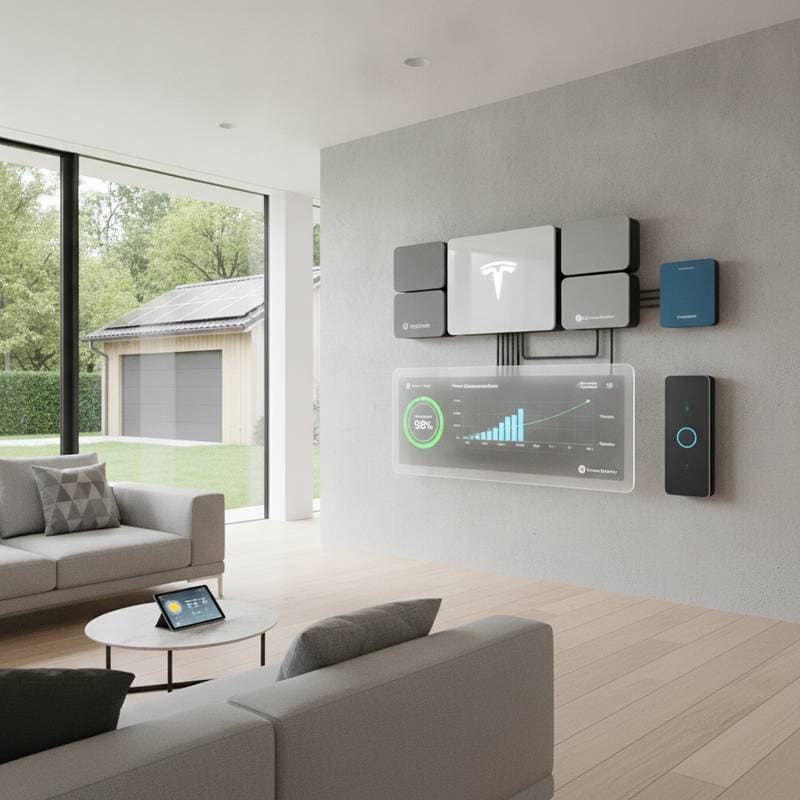
- Pair with Solar Energy: Integrating geothermal with solar power diminishes grid reliance and further diminishes operational expenses.
- Schedule Regular Maintenance: Routine tasks such as filter replacement, loop pressure monitoring, and heat exchanger inspections prolong system durability beyond 25 years.
Practical Considerations for Homeowners
Geothermal installation expenses generally span $15,000 to $30,000, influenced by system scale and geological factors. While surpassing costs of standard HVAC, the financial return proves substantial. Annual energy reductions of 40 to 70 percent facilitate payback periods of 5 to 10 years.
Environmentally, these systems curtail greenhouse gas emissions by roughly 25 percent versus traditional alternatives. They function silently, absent outdoor compressor units, which suits residential areas sensitive to noise.
Compliance with local regulations often involves permits for excavation activities. Engage certified contractors versed in geothermal applications to meet building codes and pursue certifications like LEED where applicable.
Making It Happen: Bringing Geothermal Comfort Home
For individuals committed to diminishing their carbon footprint without compromising indoor comfort, geothermal HVAC warrants serious consideration. Advancements in technology, enhanced component durability, and widespread professional availability have elevated its viability.
As a green building expert, I advise initiating with a comprehensive home energy assessment. This evaluation uncovers insulation deficiencies and airflow problems that could impair system effectiveness. Subsequently, obtain estimates from reputable geothermal specialists via established resources. These professionals assist in customizing design, implementation, and upkeep to your specific site.
A geothermal system transcends mere equipment replacement. It represents a strategic commitment to sustained comfort, environmental stewardship, and energy autonomy. Upon experiencing the uniform, invigorating indoor air, you recognize the ground-source heat pump's seamless alignment with natural rhythms.
Frequently Asked Questions
Q: How long does a geothermal HVAC system last?
A: The subsurface loop endures over 50 years, whereas the indoor heat pump operates effectively for 20 to 25 years under diligent maintenance.