Key Points
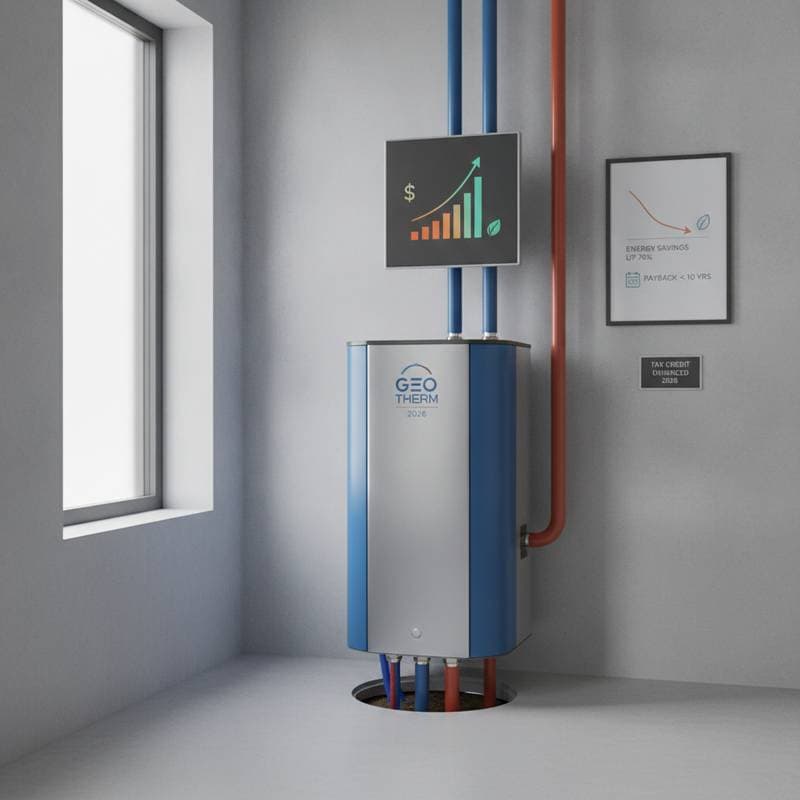
- Geothermal loop systems reduce cooling expenses by up to 60 percent relative to conventional air conditioning units.
- Site assessment and professional installation remain essential for sustained performance.
- Ground-source heat exchange functions effectively across diverse climates, providing consistent comfort throughout the year.
- Initial expenses exceed those of traditional systems, but returns materialize in five to eight years via energy reductions and financial incentives.
- Local codes, soil characteristics, and land availability dictate the optimal loop design.
The Challenge of Escalating Cooling Costs for Homeowners
Conventional air conditioners in many residences depend on ambient outdoor air for heat exchange. During periods of high heat and humidity, these units labor intensely to expel indoor warmth. Such conditions diminish efficiency by as much as 30 percent and accelerate equipment degradation.
In areas featuring dense clay soils or elevated moisture levels, cooling demands intensify further. Observations from extensive field experience reveal that inadequate insulation or improperly sized equipment exacerbate these problems. Homeowners frequently consider installing larger units as a remedy, yet this approach addresses surface issues rather than underlying inefficiencies.
Selecting the Optimal Loop Configuration
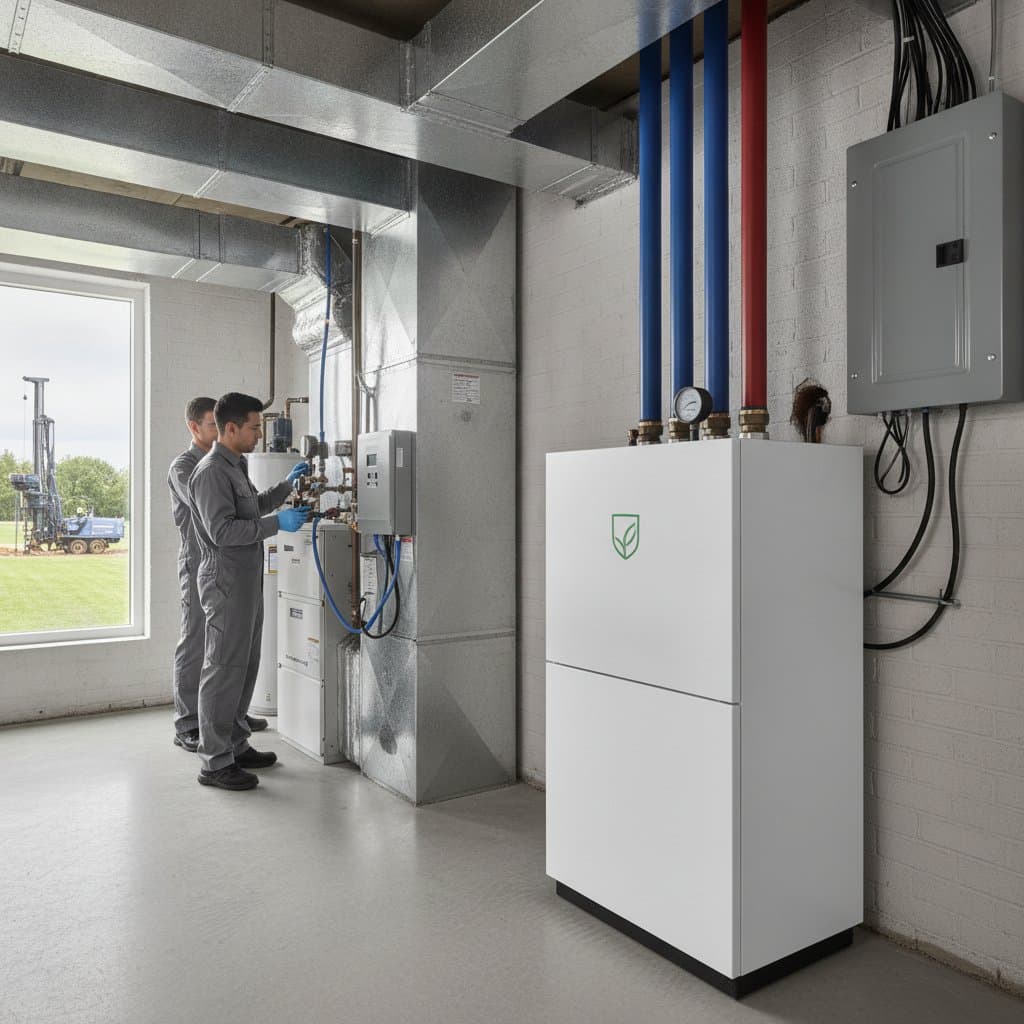
Properties vary significantly, underscoring the importance of professional evaluation. As an authority in sustainable construction, a geothermal feasibility study proves invaluable prior to proceeding. This process encompasses soil analysis, measurement of available space, and examination of current heating, ventilation, and air conditioning setups.
Consider these primary loop configurations:
-
Horizontal Loops
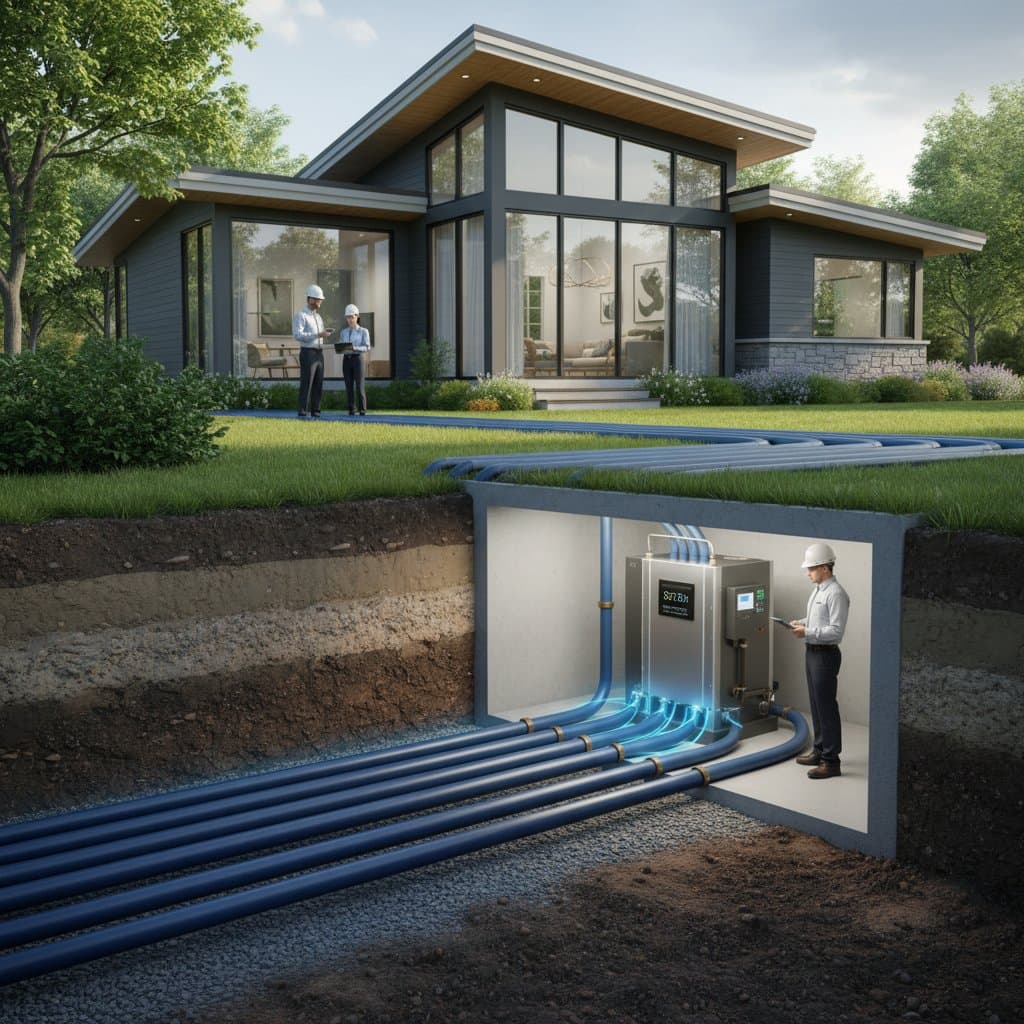
Trenches dug several feet underground accommodate pipes on sites with sufficient open space. This arrangement often presents the most economical choice for newly constructed buildings, minimizing drilling requirements. -
Vertical Loops
Deep boreholes house pipes, rendering this option suitable for compact urban lots. While space-saving, the drilling process elevates upfront costs compared to horizontal alternatives. -
Pond or Lake Loops
Submersion in nearby water bodies eliminates extensive digging, provided adequate depth and water purity exist. This method achieves superior thermal transfer efficiency under ideal conditions. -
Open-Loop Systems
Groundwater circulates directly through the heat pump before returning to the earth. Cost advantages apply here, contingent upon adherence to regional water use standards and maintenance of water quality.
The chosen design guarantees dependable operation, reduced upkeep needs, and enhanced investment value over time.
Strategies to Enhance Home Energy Efficiency
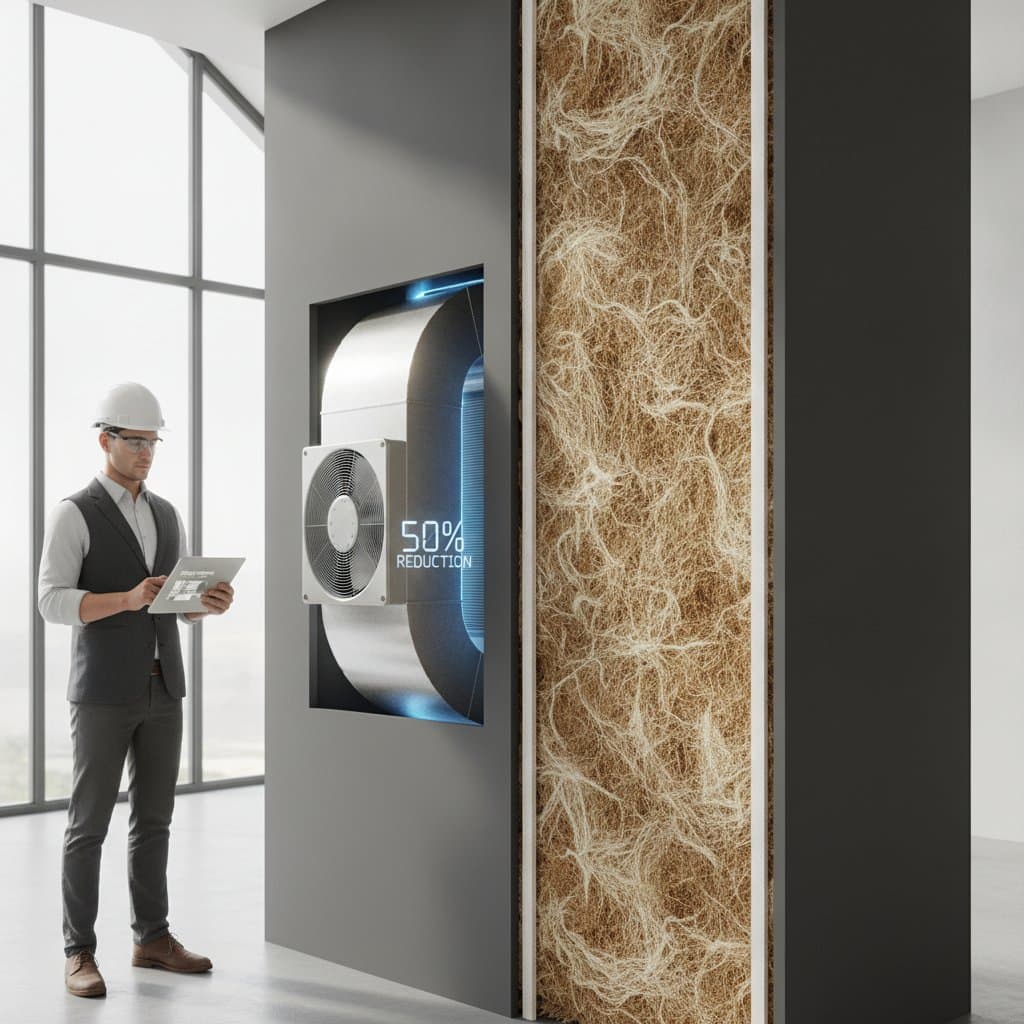
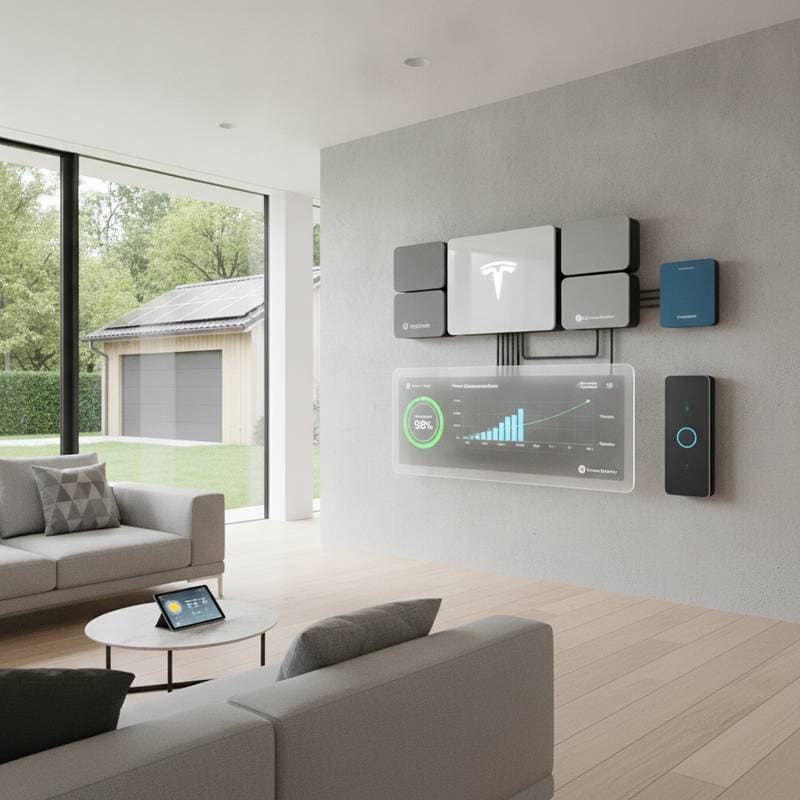
Integration of geothermal technology pairs effectively with complementary upgrades. For instance, installing solar panels alongside the system approaches complete offset of electricity consumption. Enhanced insulation with high R-value materials blocks excess heat infiltration, thereby optimizing overall performance.
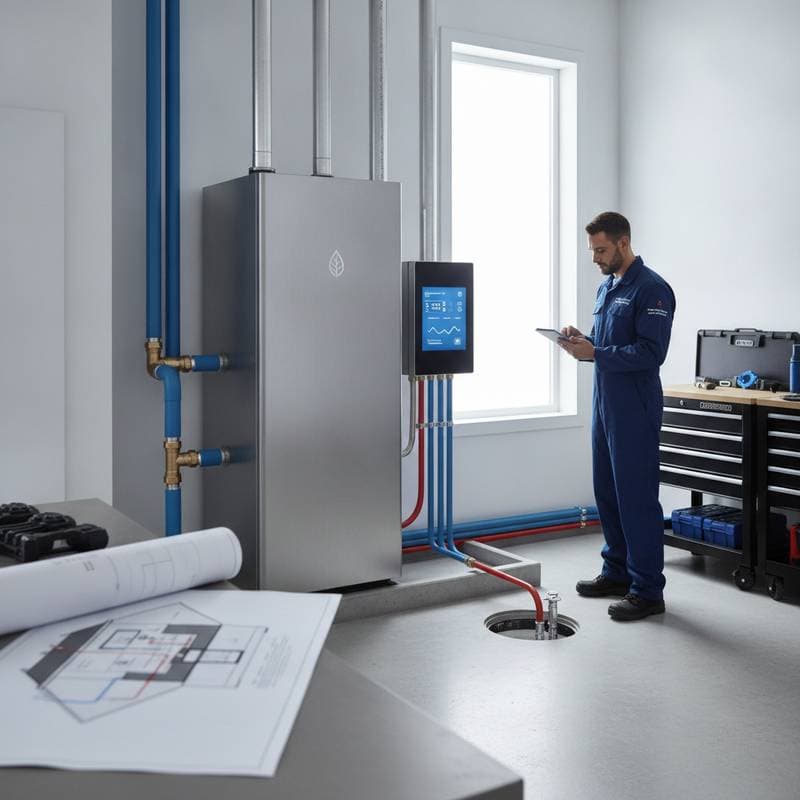
Smart thermostats enable precise temperature regulation, balancing comfort with energy use. Regular monitoring of system metrics, such as pressure and fluid levels, proves crucial, particularly during the initial operational phase. Engage certified professionals for annual servicing to prevent minor issues from escalating, avoiding the risks associated with self-repairs.
Broader Impacts on Environment and Communities
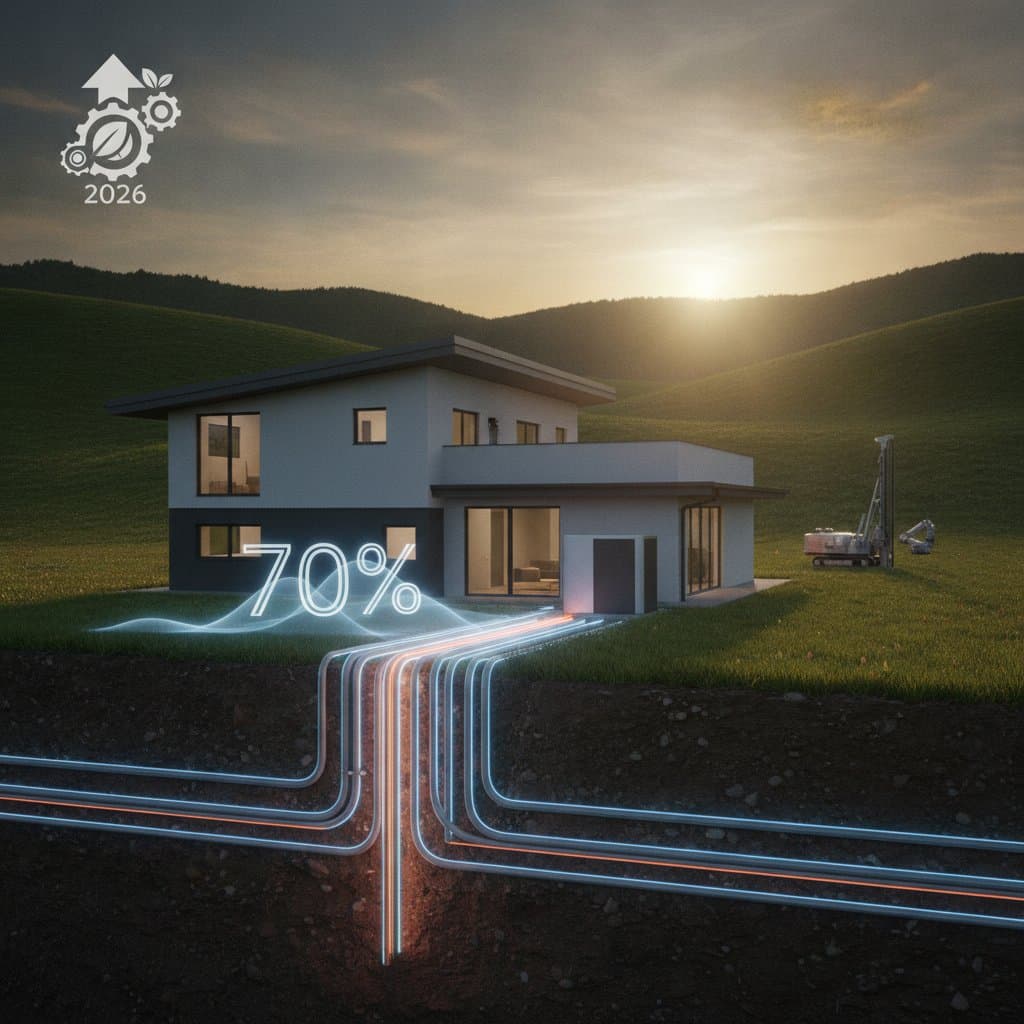
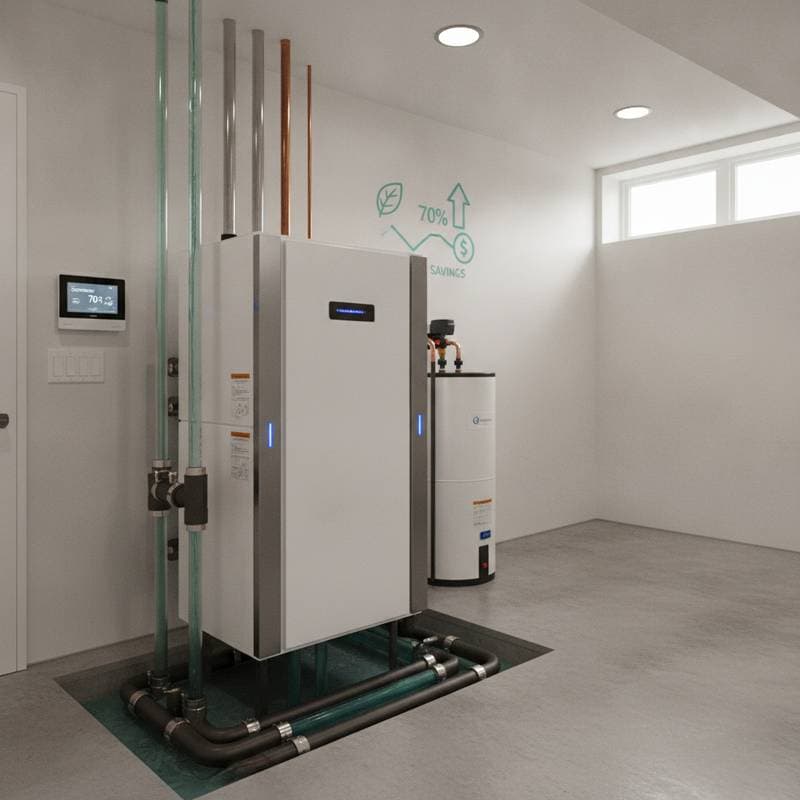
Geothermal adoption extends advantages beyond individual households to support wider sustainability initiatives. These systems curtail carbon outputs by up to 70 percent in contrast to fossil fuel-dependent cooling methods, aligning with neighborhood environmental objectives.
Elimination of external condenser units results in quieter functionality, diminished mechanical stress, and elevated air quality in surrounding areas. Developers incorporate such systems to satisfy LEED standards or local green building criteria in new projects with greater ease.
As utility networks increasingly incorporate renewables, geothermal installations alleviate peak load pressures. This synergy fosters community-wide energy autonomy and bolsters resilience against environmental challenges.
Addressing Common Concerns
How durable are geothermal loops?
The buried piping endures beyond 50 years with appropriate installation and care. Indoor heat pump components generally require replacement after 20 to 25 years of service.
Do geothermal systems perform in extreme climates?
Affirmative. Ground temperatures maintain stability regardless of surface extremes, ensuring reliable efficiency in both frigid winters and scorching summers.
What maintenance does the system demand?
Yearly professional reviews of fluid levels, pump pressures, and electrical components suffice for most needs. Though infrequent, any detected loop leaks demand prompt attention from qualified specialists.