Key Points
- Mushroom insulation, cultivated from mycelium, serves as a biodegradable, non-toxic, and energy-efficient substitute for conventional materials.
- Proper installation and airtight sealing enable homeowners to achieve 20 to 30 percent reductions in energy bills.
- Natural fire resistance and moisture management suit the material for humid or fluctuating climates.
- Costs per square foot align with mid-range fiberglass options, offset by long-term gains from minimized heating and cooling demands.
- Professionals should handle installations for major projects to meet green certifications and building codes.
Advances in Sustainable Home Insulation
Homeowners now experience consistent warmth on cool evenings, with balanced air quality that avoids dryness or excess humidity. This level of comfort, alongside reduced utility expenses, stems from mushroom insulation, a renewable product grown from mycelium, the fungal root network. As a green building professional, I observe clients transitioning from synthetic options to natural alternatives that align performance with environmental priorities. Mushroom insulation reshapes perspectives on energy efficiency and eco-materials, emerging as a staple in sustainable construction.
Limitations of Traditional Insulation
Rising energy prices and uneven indoor temperatures affect numerous households. Standard products like fiberglass and foam boards depend on petrochemicals, which deteriorate, emit micro-particles, and generate substantial carbon emissions. In humid areas, moisture retention fosters mold growth; in cold zones, leaks diminish comfort and performance. Energy audits reveal that up to 40 percent of heating and cooling energy dissipates through inadequately insulated walls or attics.
Such losses impact finances and amplify greenhouse gas output. The solution requires a material that seals effectively, allows natural airflow, and fosters healthier interiors. Mushroom insulation addresses these needs directly.
Unique Properties of Mushroom Insulation
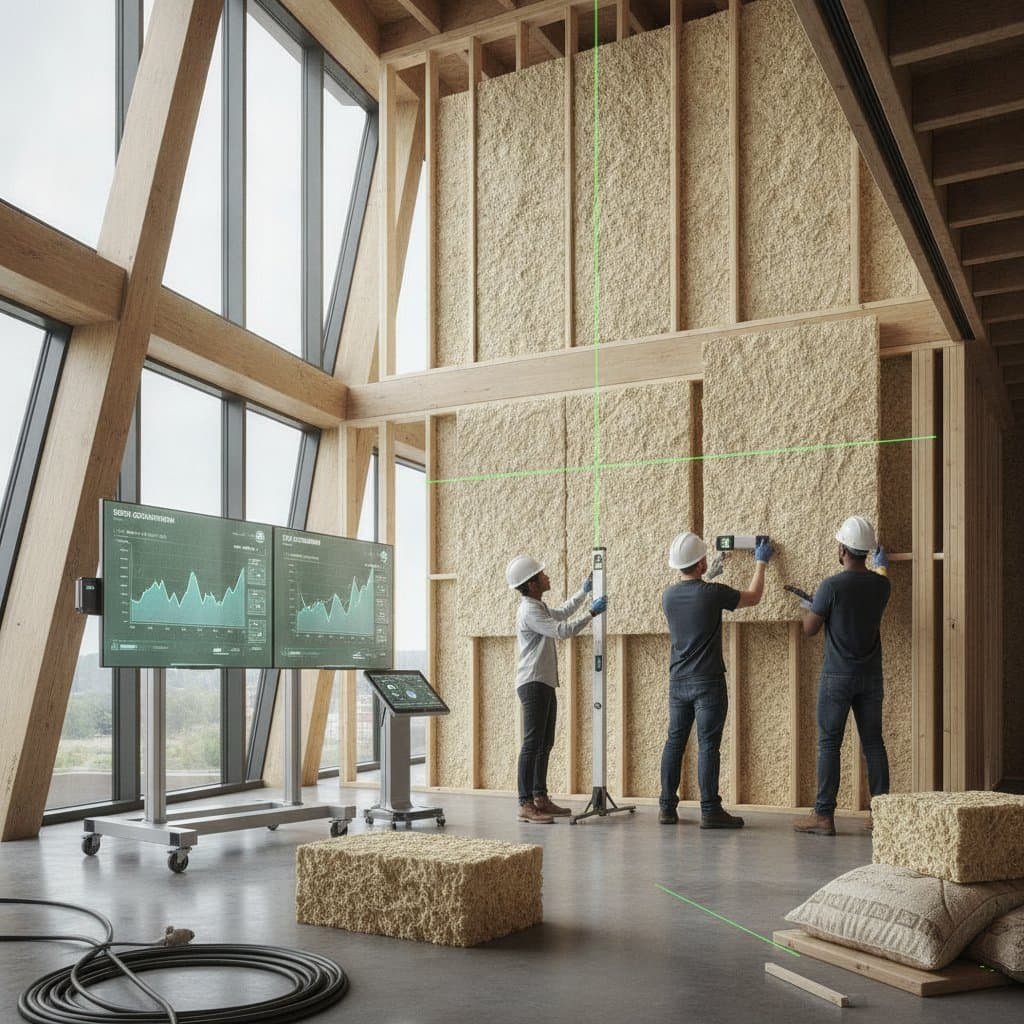
Mycelium forms the core of mushroom insulation, weaving organic waste like agricultural residues into robust panels. Under regulated growth conditions, it develops a lightweight, resilient structure that inherently resists fire, deters pests, and moderates humidity. Unlike synthetic foams, this material avoids volatile emissions and chemical processing.
As a green building specialist, I advise considering mycelium insulation as a guided natural growth rather than a factory product. It expands to fit molds and halts upon heating and drying, consuming little energy and generating negligible waste. The outcome yields compostable boards enduring decades when installed correctly.
Mechanisms Behind Energy Efficiency
Mushroom insulation excels through its fibrous composition, which forms micro-air pockets to retain heat. This structure delivers an R-value comparable to or exceeding fiberglass batts. It functions like a thermal regulator, preserving warmth in winter and coolness in summer.
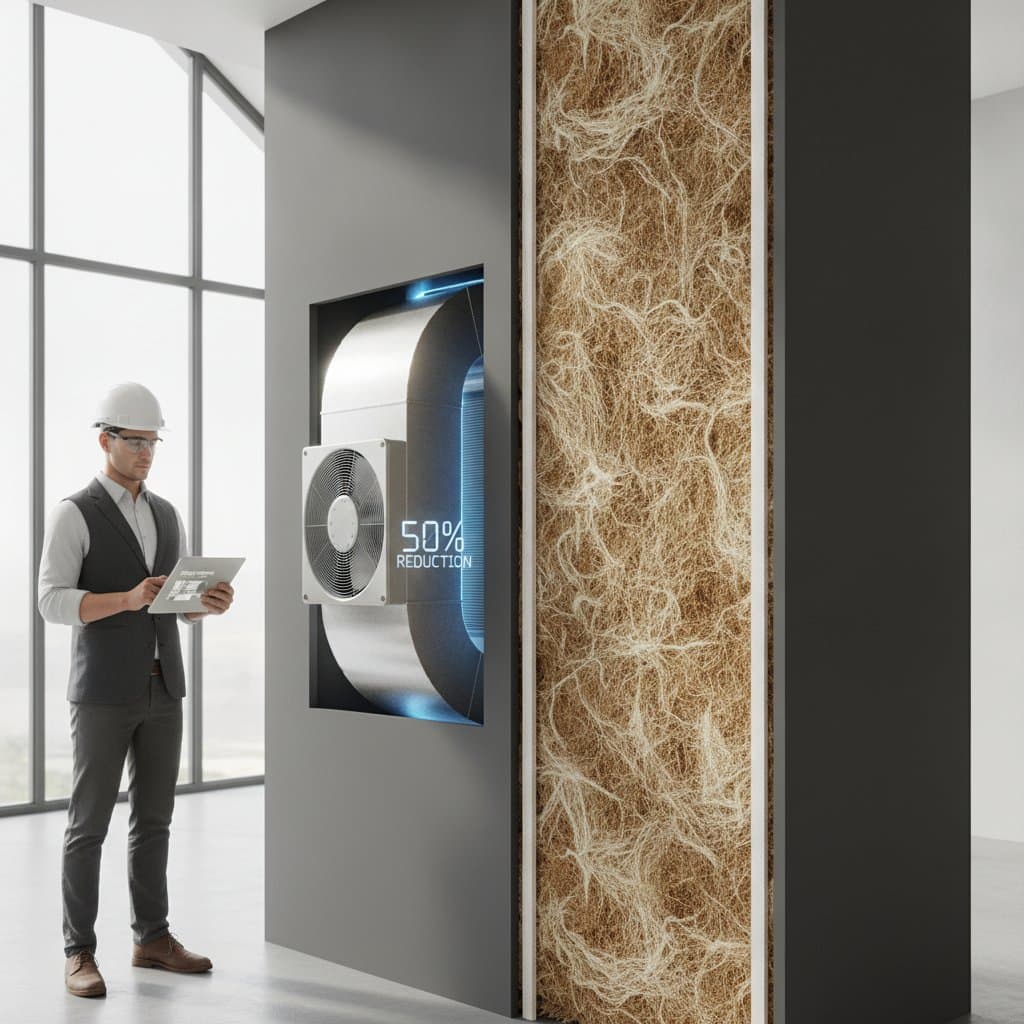
Breathability in mycelium panels stabilizes indoor humidity, reducing condensation, mold, and air stagnation risks. Paired with airtight framing and vapor barriers, it lowers total energy consumption by approximately 25 percent. These efficiencies yield ongoing financial benefits and reduced environmental impact.
Guide to Installing Mushroom Insulation
1. Assess Existing Insulation
Conduct a professional energy audit to identify heat loss hotspots. Attics and wall cavities in older structures often demand priority attention. Upgrading these areas yields the fastest returns.
2. Select Appropriate Mushroom Variants
Options include:
- Rigid panels for walls and roofs
- Loose-fill material for attics or odd-shaped voids
- Custom blocks for modular eco-builds
Thermal ratings remain consistent across types, though project size and method influence expenses and outcomes.
3. Ready the Installation Space
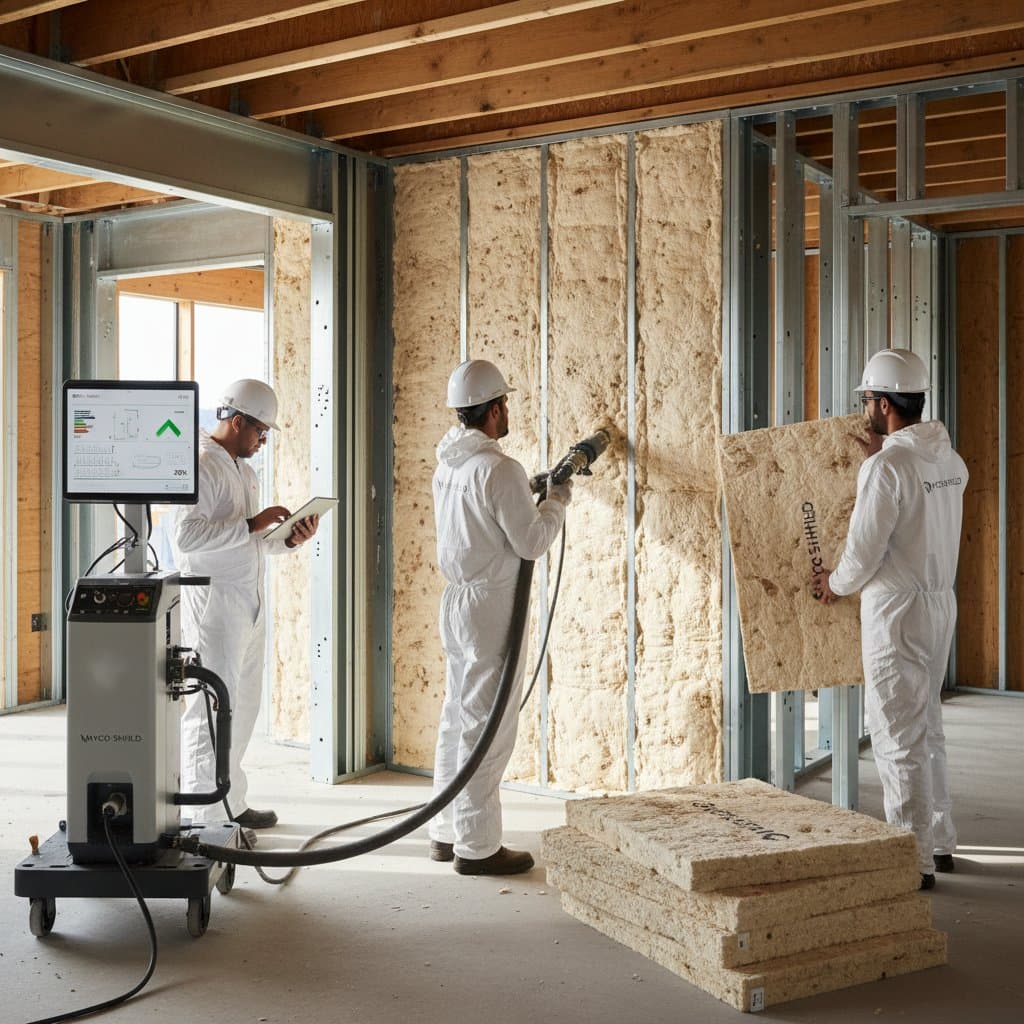
Ensure surfaces stay clean, dry, and stable. Cut panels to fit using a handsaw. The dust-free, non-toxic nature requires only basic gloves to avoid moisture during handling.
4. Secure Panels and Seal Joints
Apply natural sealants like lime plaster or clay coatings to gaps for airtightness. Fit panels tightly between studs or rafters. Integrate with breathable cladding or wall systems to preserve vapor equilibrium.
5. Complete with Sustainable Finishes
Apply low-VOC paints or natural plasters over installations. These choices sustain air quality and harmonize with the material's permeable qualities.
Strategies to Maximize Eco-Efficiency
- Incorporate Passive Elements: Align windows and vents to leverage natural ventilation. Mushroom insulation amplifies passive solar and airflow systems.
- Integrate Renewables: Combine with solar or geothermal setups for potential annual savings over 50 percent.
- Maintain Humidity Balance: Target 40 to 60 percent levels. The material aids regulation, but monitoring supports longevity.
- Adhere to Regulations: Certain areas accept mycelium under green code alternatives. Engage certified experts for compliance and inspections.
Essential Factors for Adoption
Investment and Payback
Installed costs range from $2 to $4 per square foot, akin to fiberglass or cellulose, varying by thickness and location. Though upfront expenses may exceed basic options slightly, energy reductions and air quality gains recoup investments in five to seven years, followed by sustained savings.
Ecological Advantages
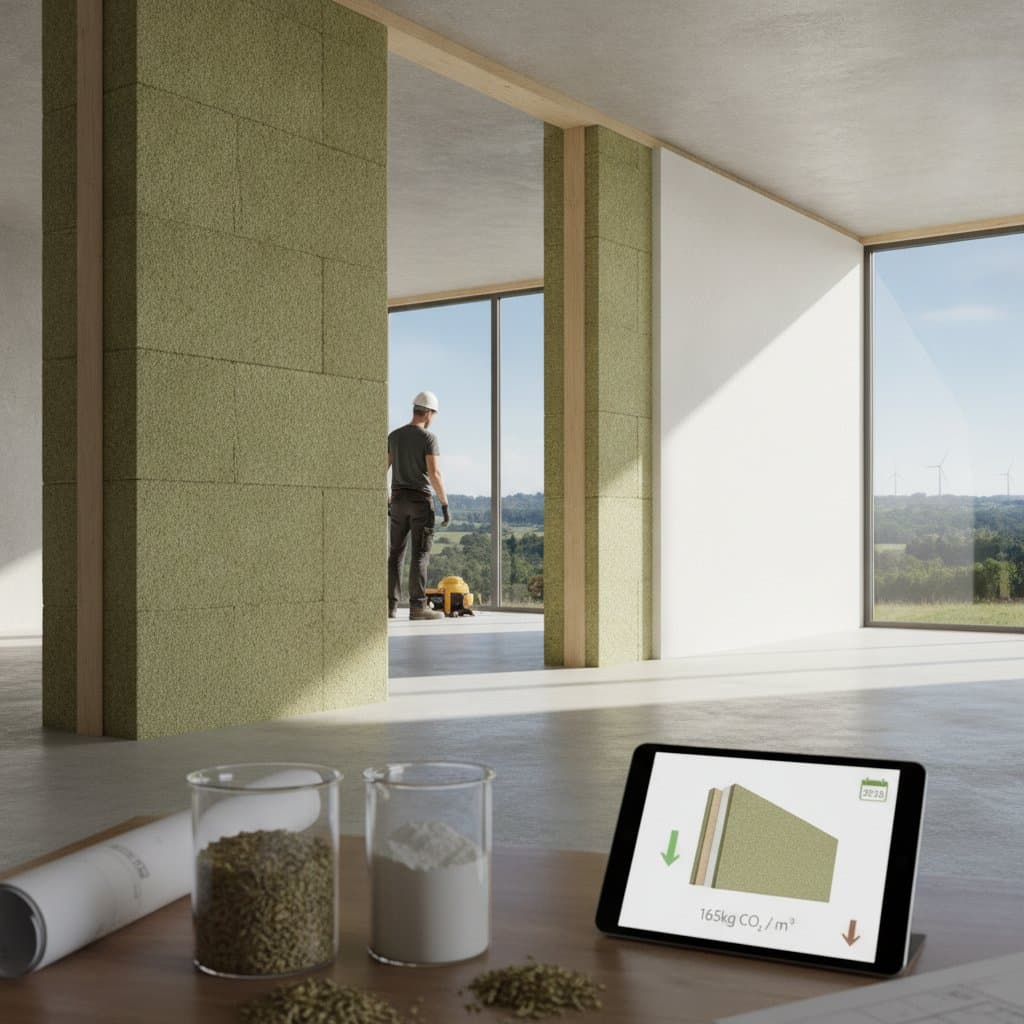
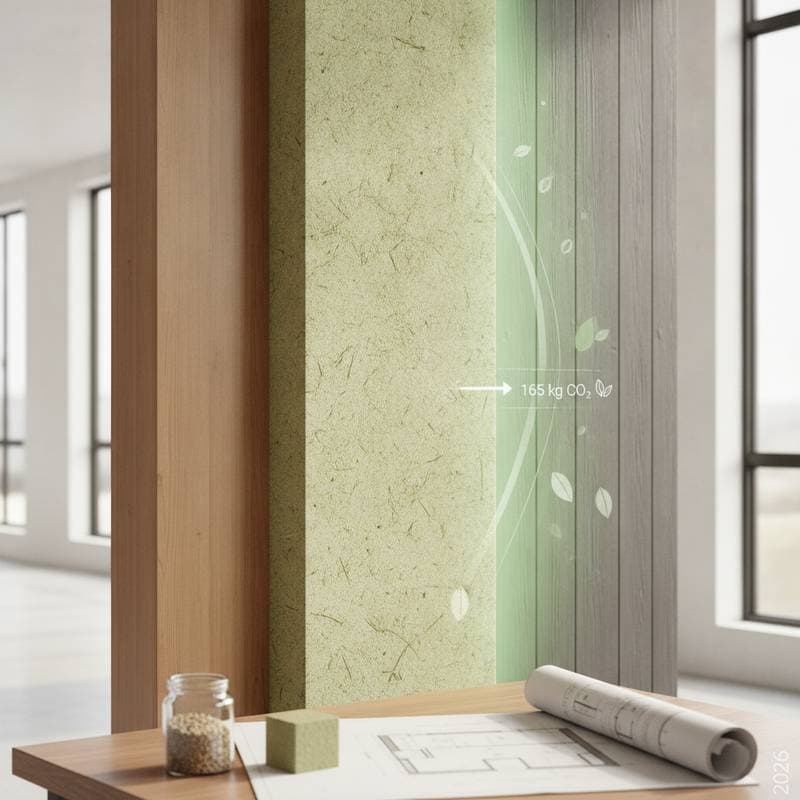
Mycelium utilizes waste like hemp or corn stalks, preventing landfill contributions. Panels sequester carbon and decompose into compost at end-of-life, minimizing embodied emissions versus traditional counterparts.
Longevity and Upkeep
Sealed installations naturally repel pests and mold. Density discourages infestations, while permeability prevents dampness. Periodic attic or crawl space checks confirm dryness and integrity.
Health and Safety Aspects
Mycelium offers inherent fire resistance, charring without flaming. Lacking synthetic additives, it eliminates off-gassing, benefiting those with allergies or respiratory concerns.
Installation Options
DIY suits minor projects like studios, but full retrofits or certified builds require professionals. Experts manage vapor barriers, compatibility, and documentation for ratings like LEED.
Prospects for Mycelium in Construction
Sustainable materials evolve, yet mycelium stands out for blending efficacy with regeneration. Envision communities producing insulation from local waste, a reality as production scales.
Dr. Elena Marquez, a bio-based materials expert, states, "Mycelium insulation marks a pivot to regenerative building. It demonstrates materials can perform exceptionally while fostering life."
This perspective aligns with site observations: improved worker health, purer air, and satisfied clients embracing eco-decisions.
Steps to Upgrade Your Home
Begin by evaluating insulation and targeting upgrades. Connect with certified green specialists via our platform for regional quotes and advice. Rebates and incentives for renewables make now an optimal moment.
View this as a dual technical and personal enhancement. Mushroom insulation diminishes environmental impact while elevating comfort. Each installation contributes to ecological cycles, linking your space to nature.
Sustainable practices emphasize intelligent selections that benefit living spaces and the environment. Mushroom insulation embodies this balance.
Frequently Asked Questions
Q: How long does mushroom insulation endure after installation?
A: Properly sealed and dry, it lasts over 30 years. The natural composition stays stable and decay-resistant, particularly with breathable enclosures.
Q: Does mushroom insulation suit allergy sufferers?
A: Yes. Cured mycelium remains inert, spore-free, and devoid of synthetics or formaldehyde, ranking among the safest insulation types for sensitive individuals.