Key Points
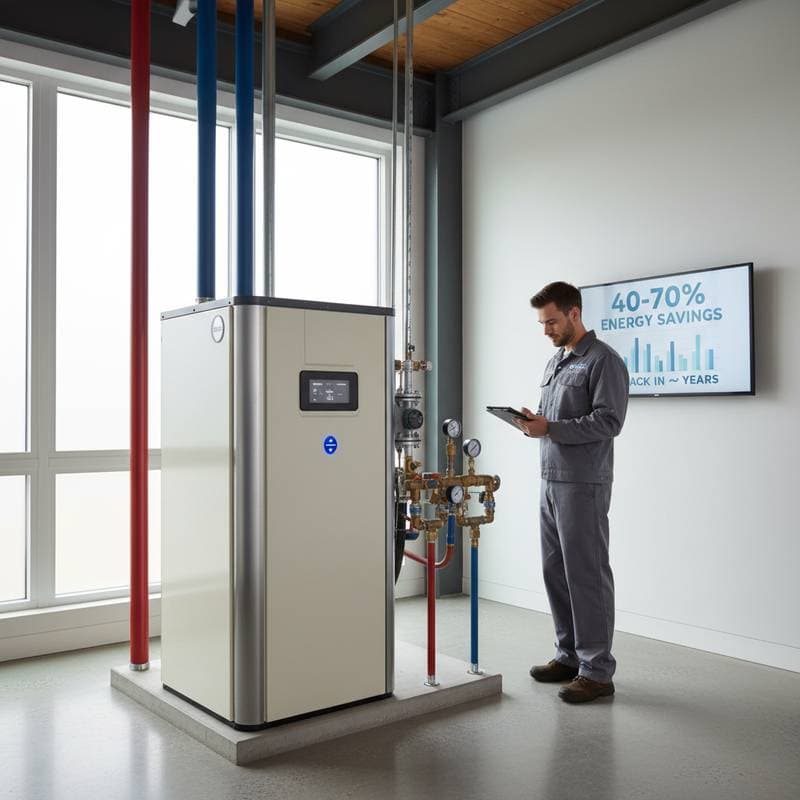
- Geothermal HVAC systems deliver a full return on investment in roughly five years when designed and installed correctly.
- These systems cut energy costs by 40 to 70 percent compared to traditional heating and cooling options.
- Upfront costs surpass those of standard systems, but long-term operational savings offset the difference quickly.
- System performance depends on accurate design, local soil conditions, and professional installation.
- Available rebates and financing options shorten the payback period considerably.
Balancing Upfront Costs and Long-Term Gains
Homeowners face a common decision: choose affordable installation now and higher bills later, or invest more initially for lasting savings. Geothermal HVAC systems embody this choice. They deliver major energy reductions despite higher starting prices. A close look at ongoing benefits and increased home value positions geothermal as a leading sustainable heating and cooling solution.
Why Geothermal Efficiency Matters
Heating and cooling account for more than half of a home's energy use. Traditional systems rely on burning fuel or fluctuating electricity, which drives up costs and reduces reliability. Geothermal systems move heat rather than create it, drawing from the earth's consistent underground temperatures. This method ensures predictable expenses, reliable performance, and minimal environmental impact.
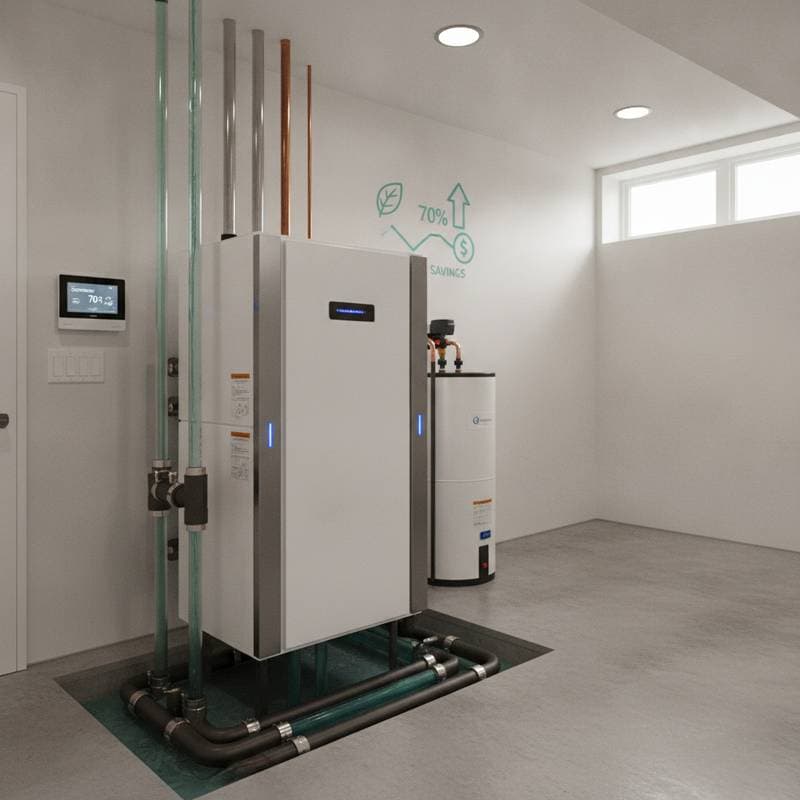
From a financial standpoint, geothermal cuts energy bills by as much as two-thirds. When combined with rebates or tax credits, many owners break even within five years. After that point, savings continue for decades, often outlasting several conventional HVAC replacements.
Core Components of a Geothermal System
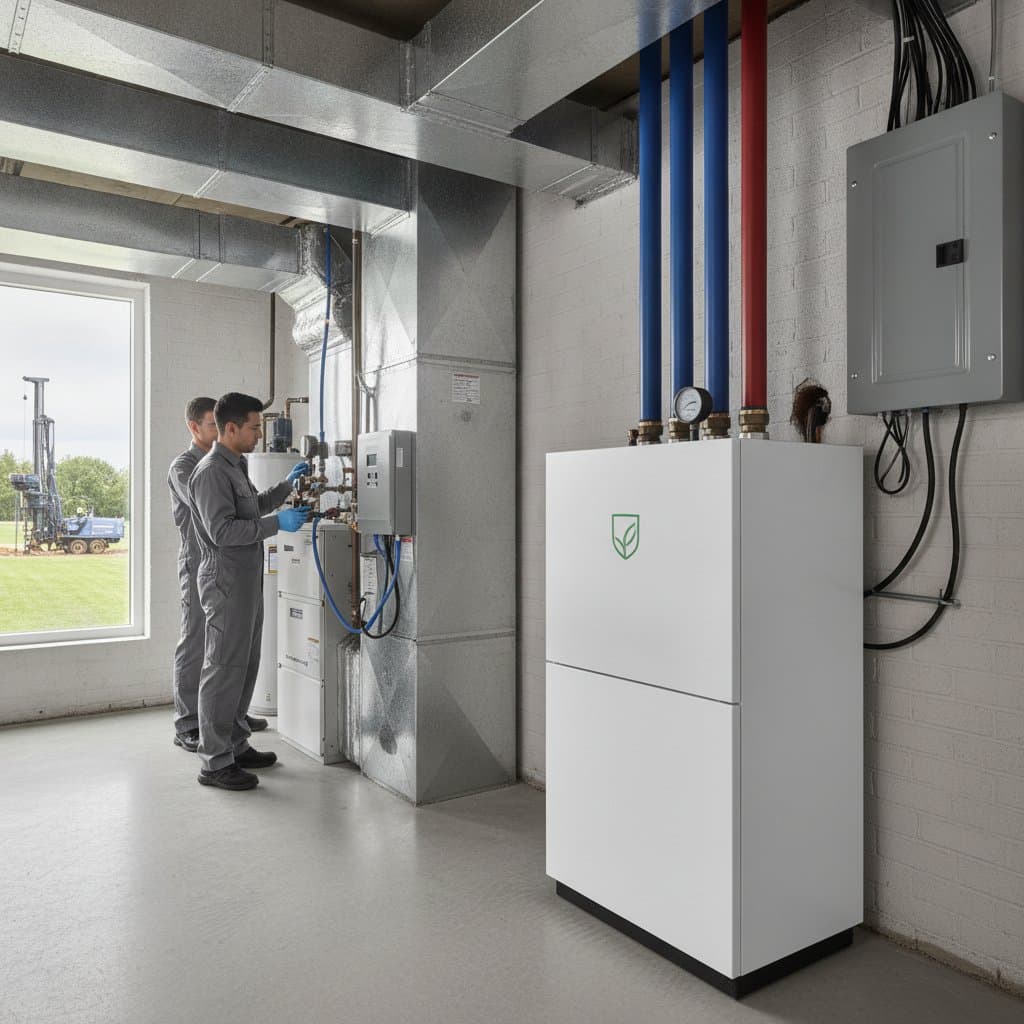
A geothermal HVAC system consists of three main parts: the ground loop, the heat pump, and the distribution system. The ground loop uses high-density polyethylene pipes buried in trenches or boreholes to circulate a water or antifreeze solution. The heat pump handles the exchange of heat between the loop and the home's air or water systems. In heating mode, it extracts warmth from the ground and delivers it indoors; in cooling mode, it releases indoor heat into the earth.
The earth's stable temperatures make this process highly efficient. For every unit of electricity the heat pump consumes, it produces three to five units of heating or cooling. This coefficient of performance exceeds that of air-source heat pumps or gas furnaces by a wide margin.
Breaking Down Costs and Return on Investment
The main barrier to geothermal adoption is the initial price tag. Installations typically range from $15,000 to $40,000, depending on home size, soil conditions, and loop configuration. Replacing a standard HVAC system costs $8,000 to $12,000, highlighting the upfront gap. Superior efficiency narrows this quickly through reduced operating expenses.
Consider a household with $3,000 annual heating and cooling bills. A geothermal system could reduce that to $1,000. The $2,000 yearly savings recovers the extra investment in five years. From then on, it provides ongoing financial benefits, acting as a hedge against rising energy prices. Over 20 years, total net savings might top $30,000, even after accounting for maintenance and electricity use.
Environmental Advantages and Home Value Boost
Geothermal systems enhance property desirability by showcasing energy independence and eco-responsibility. Buyers seek lower utility costs and sustainable features. Appraisers often value energy-efficient upgrades at 3 to 7 percent higher resale prices, especially when backed by performance data and warranties.
Environmentally, these systems reduce carbon footprints significantly. They eliminate on-site fuel combustion, improving indoor air quality and safety. Their quiet operation and minimal maintenance add to daily comfort and reliability. For homeowners concerned with climate resilience, geothermal offers steady performance regardless of weather extremes.
Essential Design and Installation Considerations
Experts emphasize that results vary based on proper execution. Start with a detailed site assessment. Key elements include soil thermal conductivity, moisture levels, and available space, which determine loop type. Vertical loops suit small or rocky lots; horizontal loops work best in larger areas with adequate soil depth. Effective designs ensure balanced heat transfer year-round, preventing soil temperature swings.
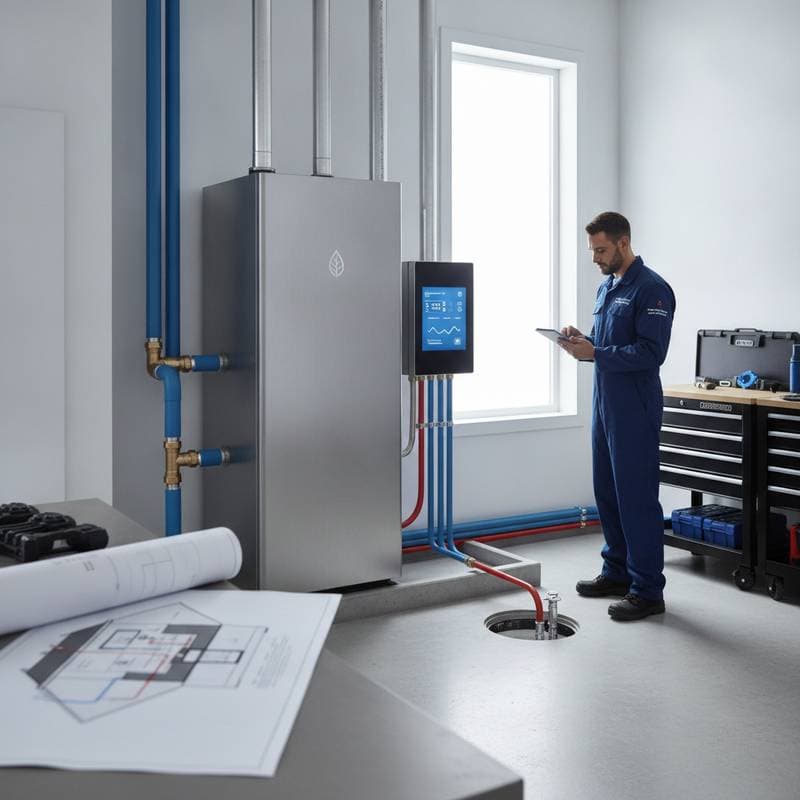
Sizing the heat pump requires exact calculations. Units that are too large cycle on and off inefficiently, wasting energy; those too small strain and wear out faster. Certified installers conduct full load calculations, considering insulation, windows, and home layout. Homeowners should insist on these evaluations and verify installer credentials from recognized geothermal associations.
Navigating Financing and Incentive Options
Multiple financing paths make geothermal more accessible. Consider energy-efficient mortgages, home equity loans, or specialized green financing programs. Energy savings often cover loan payments, easing the immediate financial load. Utilities and governments offer rebates or low-interest rates that reduce initial costs.
Incentives can cover 20 to 40 percent of expenses in some regions. This support shortens payback by one to two years. Incorporating geothermal into new construction or major renovations streamlines the process, as excavation aligns with other site work.
Maintenance Requirements and Longevity
Geothermal systems require less upkeep than traditional HVAC. Ground loops last 50 years or more; indoor heat pumps endure 20 years with routine servicing. Regular tasks involve checking fluid levels, cleaning filters, and verifying flow rates. Protected components resist weather damage, extending overall life. This durability reduces replacement needs, waste, and lifetime expenses.
Reliability benefits from avoiding fuel price swings. Systems primarily use electricity and ground heat, providing stability during energy market fluctuations.
Evaluating Suitability for Your Property
Before committing, assess your home's characteristics and lifestyle. Critical considerations include:
- Available space for digging trenches or drilling boreholes
- Soil composition and groundwater depth
- Existing ductwork or radiant heating setup
- Intention to stay long-term
- Local rebates and electricity rates
A professional energy audit provides tailored projections for savings and performance. Combining geothermal with upgrades like better insulation or energy-efficient windows maximizes results.
Taking the Next Steps Toward Geothermal Adoption
Begin by gathering your utility bills to map current energy patterns. Consult certified contractors for on-site assessments and detailed proposals. Compare quotes on projected efficiency, loop details, and warranty coverage, beyond just the price.
Geothermal HVAC goes beyond equipment to deliver financial security, reduced environmental impact, and enhanced home comfort. By focusing on lifetime value over initial expense, owners gain reliable temperature control, cleaner air, and meaningful reductions in costs and emissions.