Key Points
- Homeowners qualify for substantial tax credits on geothermal system installations, which significantly lower initial expenses.
- A properly engineered geothermal heat pump reduces heating costs by up to 60 percent relative to traditional heating methods.
- This technology ensures sustained comfort, greater energy autonomy, and reliable performance over many years.
- Thorough planning and expert installation prove crucial for optimizing savings and extending system durability.
The Untapped Energy Underfoot
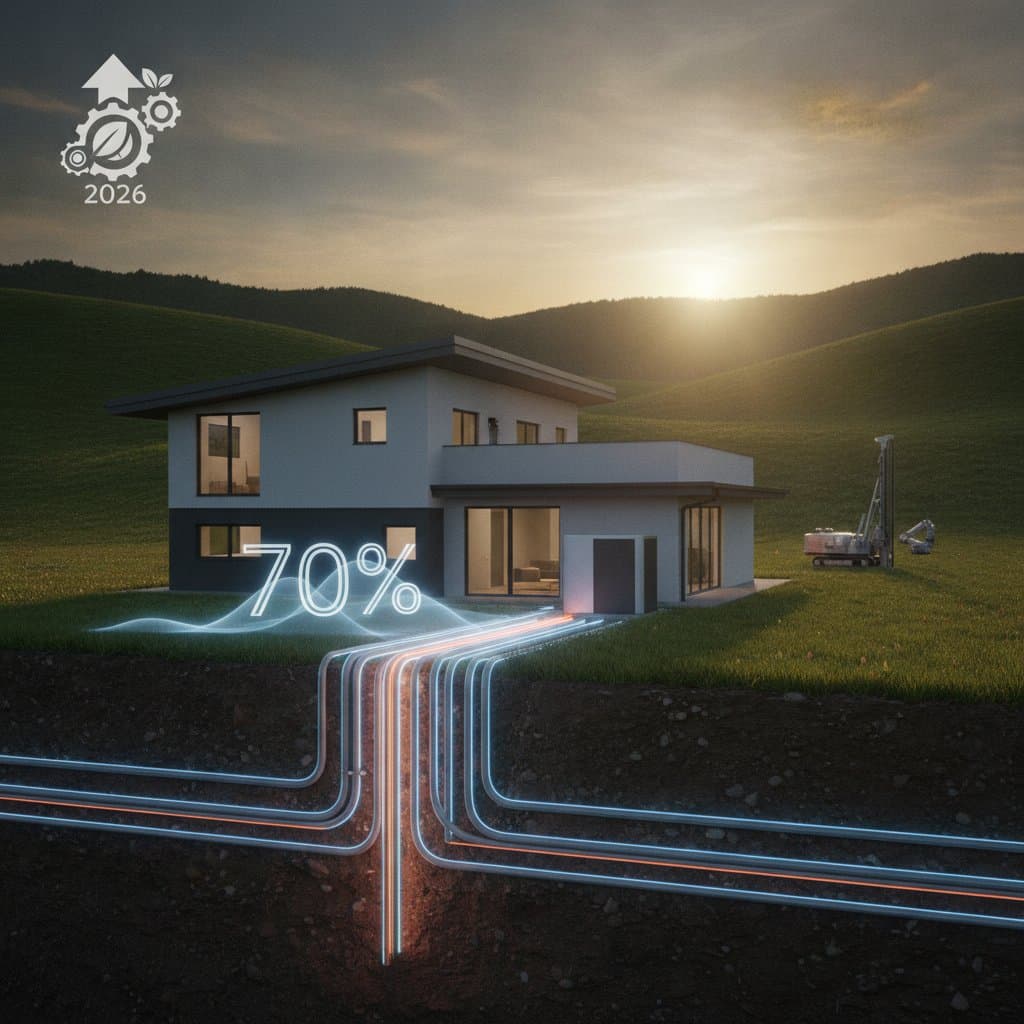
Picture replacing erratic energy expenses with steady, affordable warmth drawn from the earth itself. Geothermal heating harnesses constant subsurface temperatures to warm and cool residences with remarkable efficiency. Expanded federal incentives for geothermal systems, set to take effect in 2026, diminish the economic hurdles that previously constrained widespread use.
For those weary of fluctuating utility rates, these credits elevate geothermal from an specialized option to a practical choice. They benefit individuals who prioritize enduring results over temporary measures, fostering investments in reliable home performance.
How Geothermal Transforms Heating
Conventional heating units depend on combustion of fuels or extraction of heat from variable outdoor conditions, leading to inconsistent expenses and efficiency. Geothermal systems tap into the earth's consistent thermal reservoir, maintaining stable operations throughout the year. This approach generates three to five units of heating output per single unit of electrical input, resulting in efficiencies that exceed 400 percent.
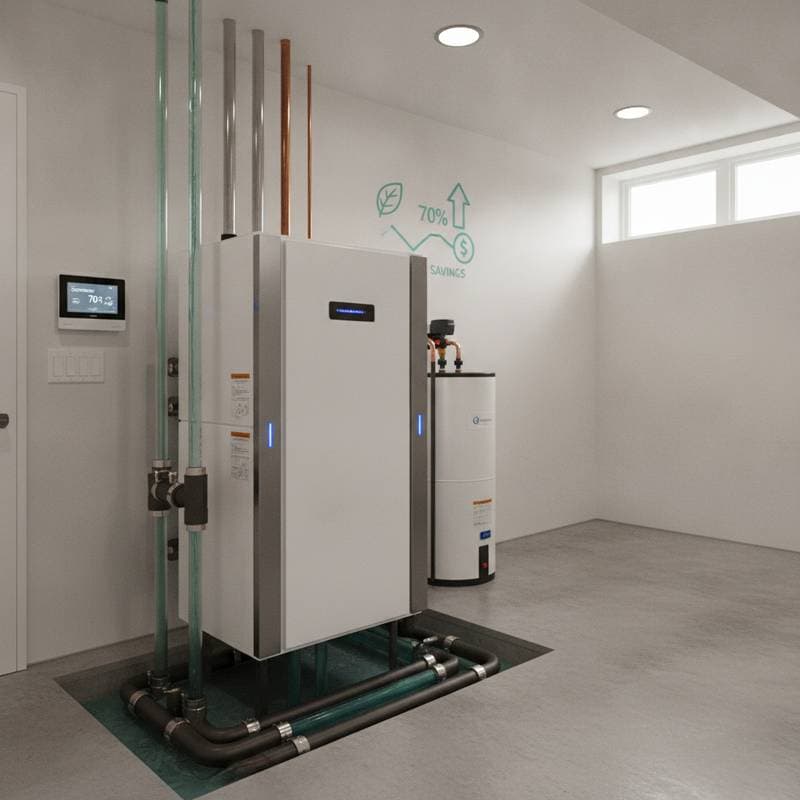
Such superior performance yields tangible reductions in expenses. Numerous households report heating savings ranging from 50 to 60 percent when compared to propane or oil-based alternatives. Although upfront costs for installation range higher, the combination of tax credits and ongoing operational efficiencies typically achieves full cost recovery within ten years, paving the way for prolonged periods of economical comfort.
Navigating the Economic Benefits
The federal geothermal tax credit reimburses a considerable portion of installation expenses, which typically span from $15,000 to $40,000 based on factors such as residence size, ground composition, and configuration of underground loops. Pairing this with regional rebates or utility programs allows owners to offset a substantial amount of the outlay immediately.
Ongoing expenses stay stable, as the system primarily utilizes electricity instead of fluctuating fossil fuel sources. Upkeep remains straightforward, with ground loops enduring for decades and interior components needing only regular filter replacements and occasional professional reviews.
Projected advantages encompass:
- Reductions in heating expenses up to 60 percent
- Savings on cooling costs between 30 and 50 percent
- Annual return on investment averaging 8 to 12 percent
- Indoor equipment longevity surpassing 20 years, with ground loops lasting over 50 years
To illustrate potential savings, consider a mid-sized home in a cold climate: a geothermal setup might lower annual heating bills from $2,500 using oil to under $1,000, factoring in the credit's impact on initial costs.
Steps for Effective Implementation
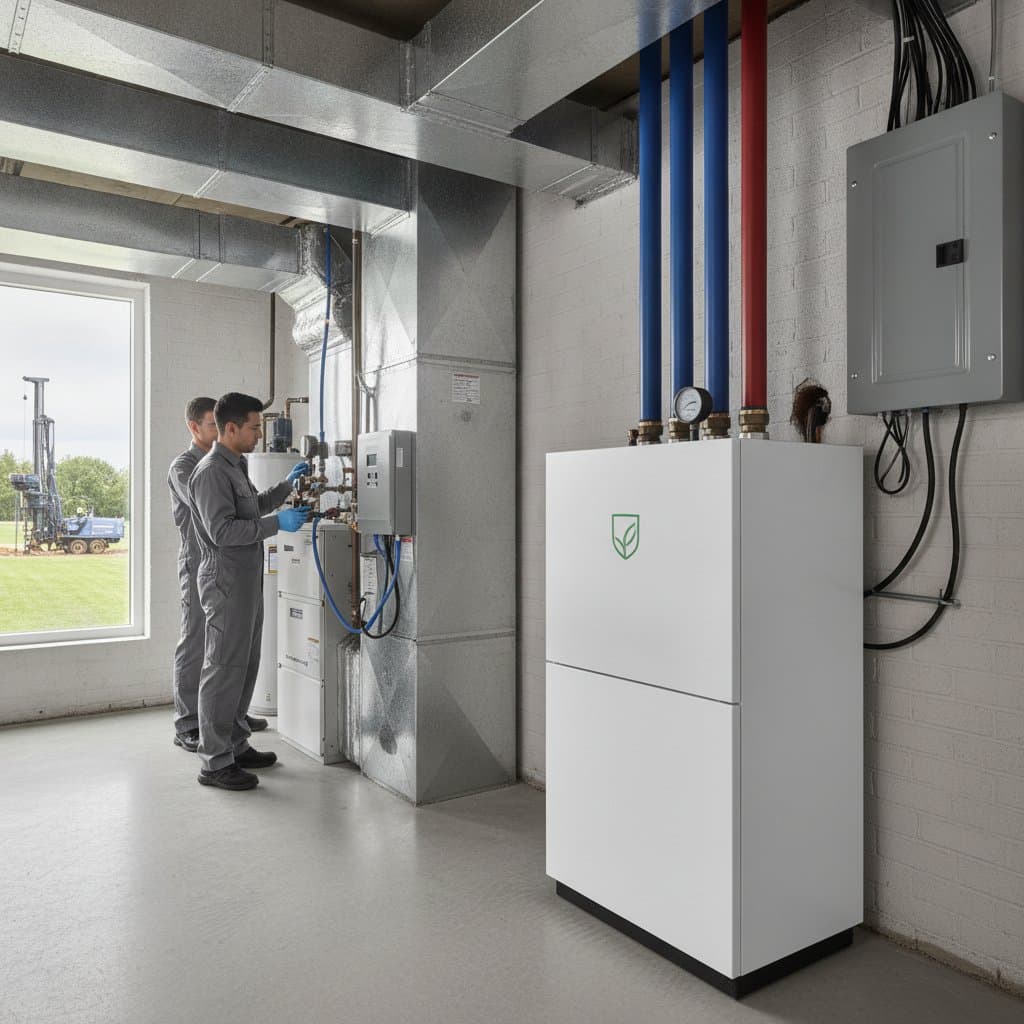
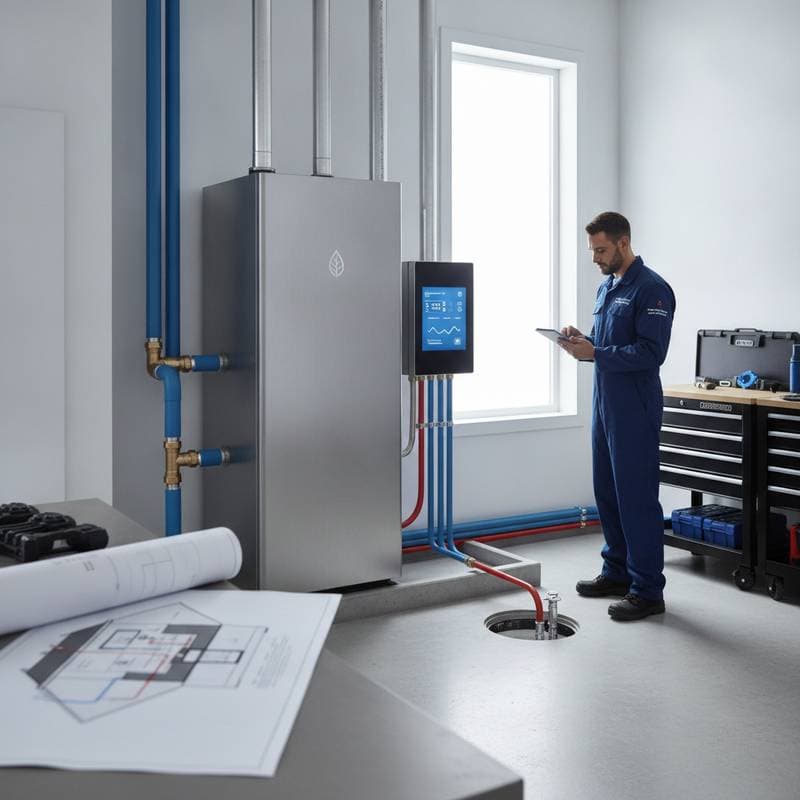
Prior to proceeding with installation, arrange for a comprehensive energy assessment and precise load analysis from qualified professionals. These evaluations confirm appropriate system sizing while addressing insulation gaps and air leaks to maximize overall efficiency. An ill-fitted system risks diminishing both financial returns and indoor comfort levels.
Experienced geothermal specialists assess site-specific elements, including soil characteristics, land availability, and excavation feasibility, to recommend optimal configurations such as closed-loop vertical systems for limited spaces or open-loop options where water sources exist. Homeowners benefit from consulting multiple certified providers to compare designs, warranties, and projected performance metrics.
Financing strategies often integrate the federal credit with accessible energy-specific loans or home equity lines at favorable rates. Many integrate geothermal projects with complementary upgrades, like photovoltaic panels for electricity generation or automated climate controls, to amplify cumulative benefits and accelerate payback periods.
Securing Lasting Gains
Installing a geothermal system represents a calculated step toward financial stability and environmental responsibility. It establishes reliable indoor climates, lessens reliance on non-renewable resources, and elevates real estate appeal. Those who initiate the process promptly secure the fullest extent of available incentives while fortifying their homes against future energy uncertainties.
Begin by soliciting detailed proposals from accredited contractors and confirming that electrical infrastructure and building envelope conditions support the upgrade. Weigh various loop arrangements, explore funding avenues, and model expense projections across ten- to twenty-year horizons. With installation complete, the system operates seamlessly across seasons, demonstrating that the most effective energy solution often lies directly below the surface.