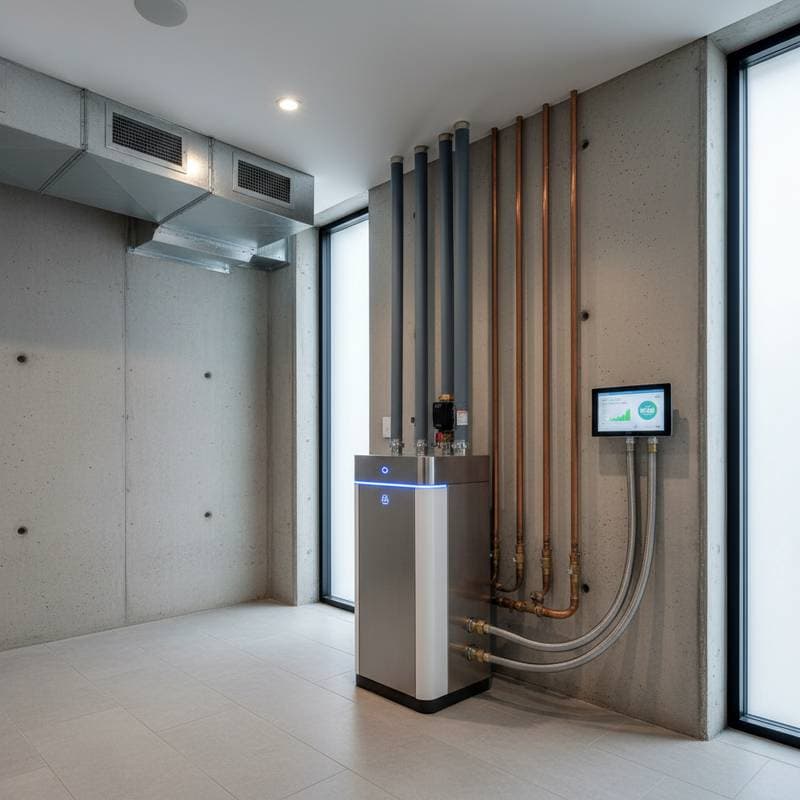
Key Points
- Geothermal cooling harnesses the earth's stable temperature to provide efficient and cost-effective indoor comfort.
- Homeowners achieve energy savings of 40 to 70 percent relative to traditional HVAC systems.
- Initial installation expenses exceed those of conventional options, yet payback periods range from five to ten years via lower utility costs.
- These systems deliver extended durability, quiet performance, and low maintenance requirements, positioning them as a solid choice for sustainable residences.
The Earth's Steady Temperature for Home Comfort
Homeowners enter a space cooled gently and evenly after a warm day outside. This sensation arises without the hum of compressors or abrupt shifts in air quality. Geothermal cooling achieves this through the earth's consistent underground temperatures, establishing a standard for advanced climate control.
Traditional heating, ventilation, and air conditioning systems demand substantial electricity and may release refrigerants that damage the environment. Geothermal alternatives extract energy from the ground, a reliable source that maintains stability across seasons. This method aligns with goals for reduced expenses and ecological responsibility.
Principles of Geothermal Heat Transfer
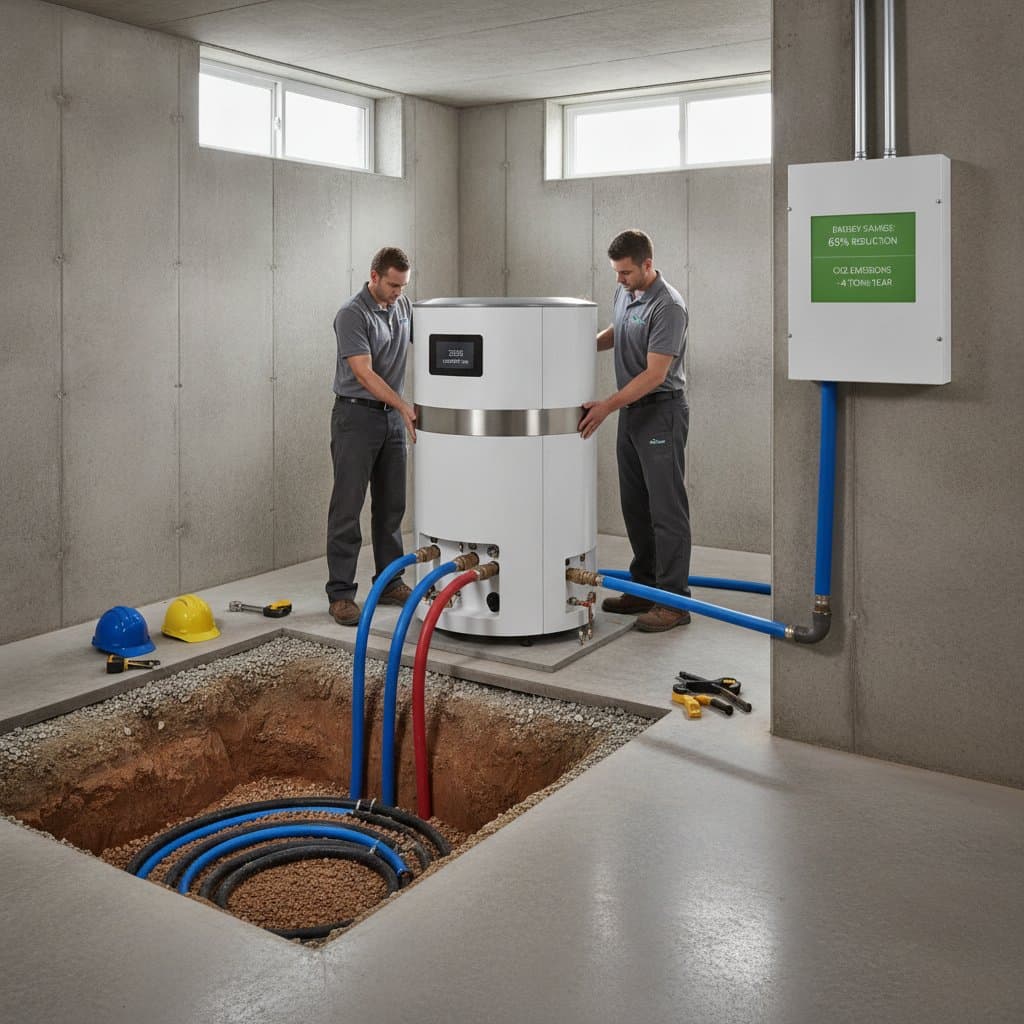
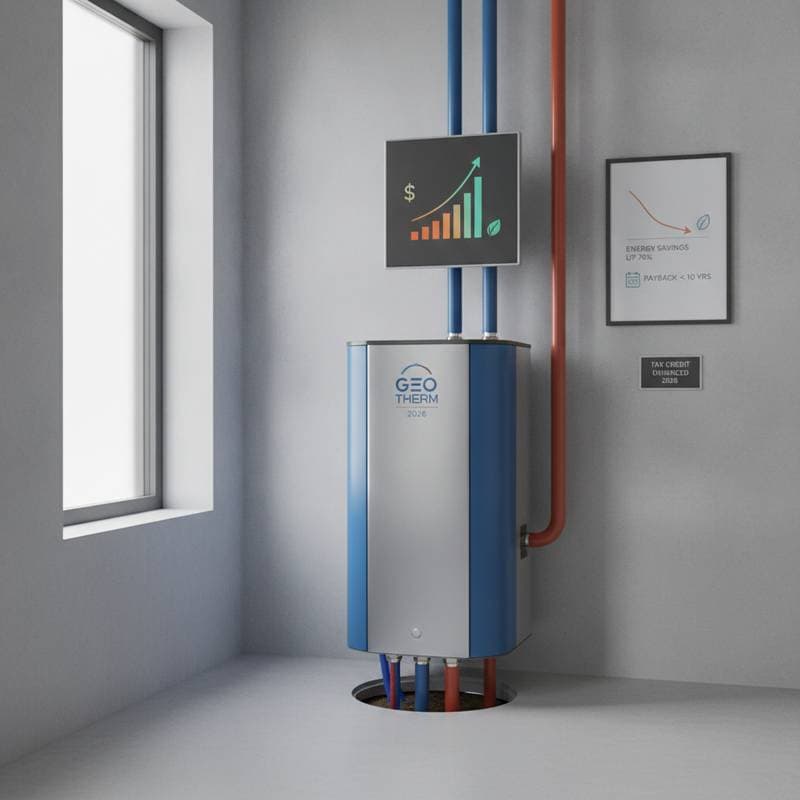
Geothermal heat pumps move thermal energy instead of creating it from scratch. Buried loops containing fluid facilitate the exchange of heat between the soil and the interior space. During warmer months, the system removes excess heat from indoors and deposits it underground. In colder periods, it draws stored heat from the earth to warm the home.
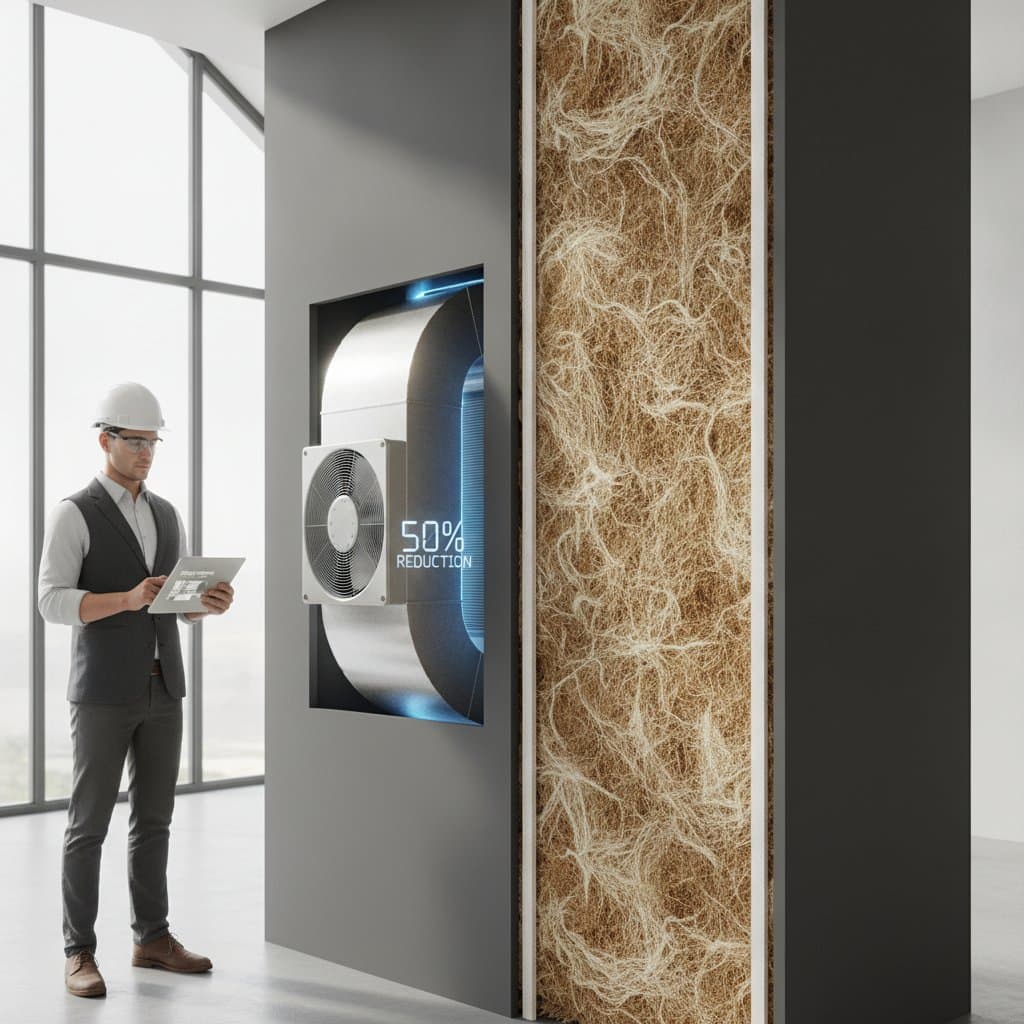
Ground temperatures stay moderate year-round, so the process requires minimal electricity compared to air-based units. Efficiency levels reach 300 to 500 percent, where each unit of power input yields three to five units of cooling or heating output. Such ratings surpass most standard HVAC technologies on the market.
Balancing Initial Investment with Long-Term Savings
Upfront costs for a full geothermal setup typically fall between 15,000 and 35,000 dollars, influenced by factors such as residence size, ground composition, and loop layout. These expenses represent just the beginning of the financial picture. Over the system's operational life, it proves among the most economical heating and cooling solutions.
Utility bills decrease by 40 to 70 percent in comparison to conventional setups. Components endure extended use: indoor elements function for 20 to 25 years, and ground loops persist for 50 years or longer. Factoring in energy reductions, minimal servicing needs, and available rebates, owners recover their investment within about ten years.
Reducing Emissions and Enhancing Property Value
Geothermal installations lower carbon footprints significantly. They operate on electricity alone, eliminating direct fuel burning and associated emissions. Each adoption decreases reliance on fossil fuels and eases pressure on local power supplies.
These advantages appeal to prospective buyers who prioritize energy-efficient and green attributes. Residences with geothermal systems attract higher offers and quicker sales, as they guarantee ongoing comfort alongside reduced running costs.
Achieving Consistent Indoor Conditions
Beyond efficiency, geothermal technology excels in delivering uniform comfort throughout living spaces. Air moves at gentle velocities with stable temperatures, preventing the aridity and breezes typical of forced-air methods. Without external units, noise levels remain low, and components face less risk from environmental wear.
Improved air purity follows as well. Enclosed designs limit infiltration of outdoor particles like dust or pollen. Individuals with allergies or sensitivities to climate variations benefit from this steady, clean environment in everyday routines.
Configurations for Varied Site Conditions
Adaptable designs make geothermal suitable for diverse landscapes. Vertical loops fit compact urban properties, while horizontal arrangements serve expansive rural areas. When ponds exist nearby, water-based loops leverage natural bodies for heat exchange.
Owners select setups according to terrain, finances, and performance targets. Hybrid models integrate geothermal elements with existing HVAC for immediate partial efficiencies and emission cuts at lower initial outlays. Future expansions, such as added loops, allow gradual enhancement toward full sustainability.
Accessing Funding and Support Programs
Though upfront pricing warrants attention, diverse financing avenues now support adoption. Lenders view geothermal as a property enhancement and provide competitive loan conditions. Local governments or utilities often extend rebates and tax credits to cover part of the expense.
Energy-efficient mortgages incorporate projected bill reductions into affordability assessments. These resources enable integration of geothermal upgrades alongside other home improvements without financial strain.
Preparing for Evolving Energy Demands
Geothermal aligns with the shift toward robust, low-effort dwellings. Underground elements shield against severe weather, and interior parts need infrequent attention. As power sources increasingly draw from renewable origins, these systems grow cleaner and integrate seamlessly with emerging grids.
Steps to Integrate Geothermal Cooling
Owners who install geothermal often view it as an enhancement to daily life, not merely a mechanical swap. It trims expenses, elevates comfort levels, and bolsters home reliability against future challenges.