Key Points
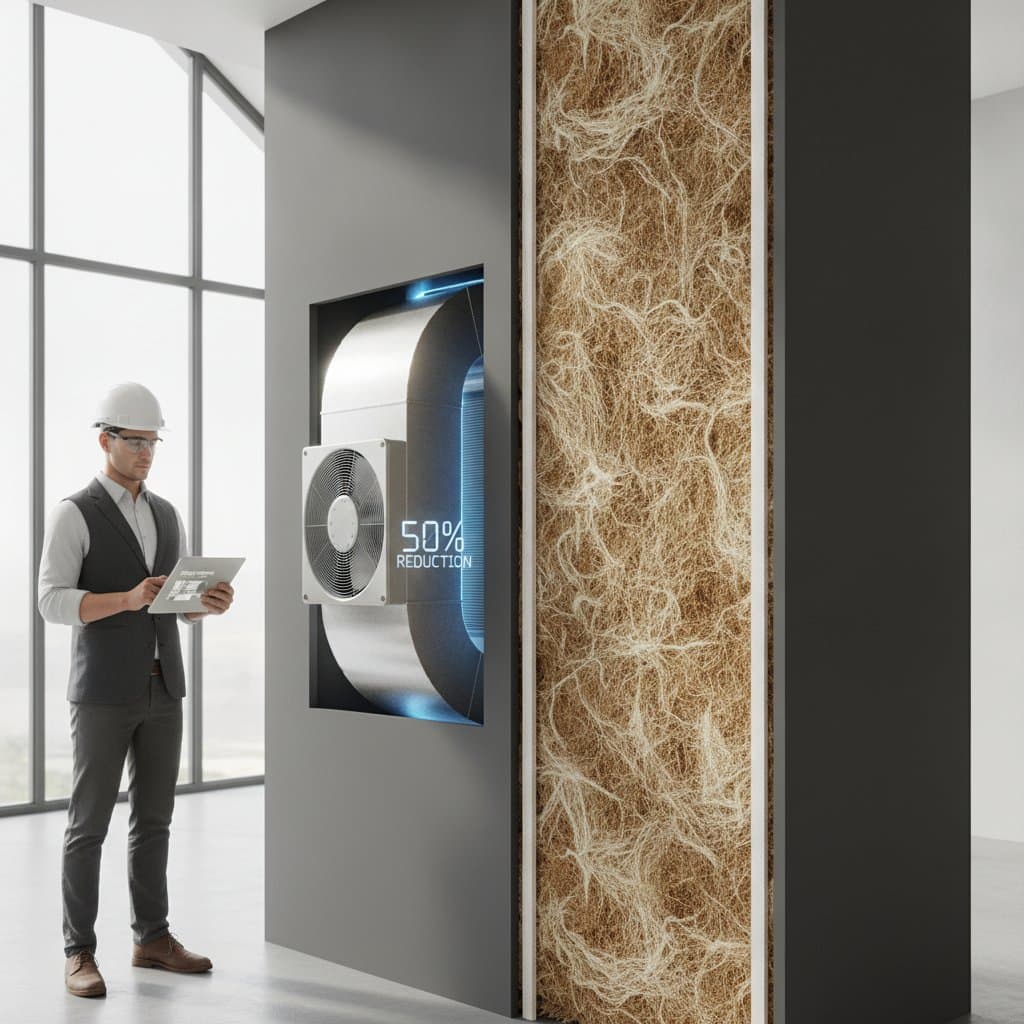
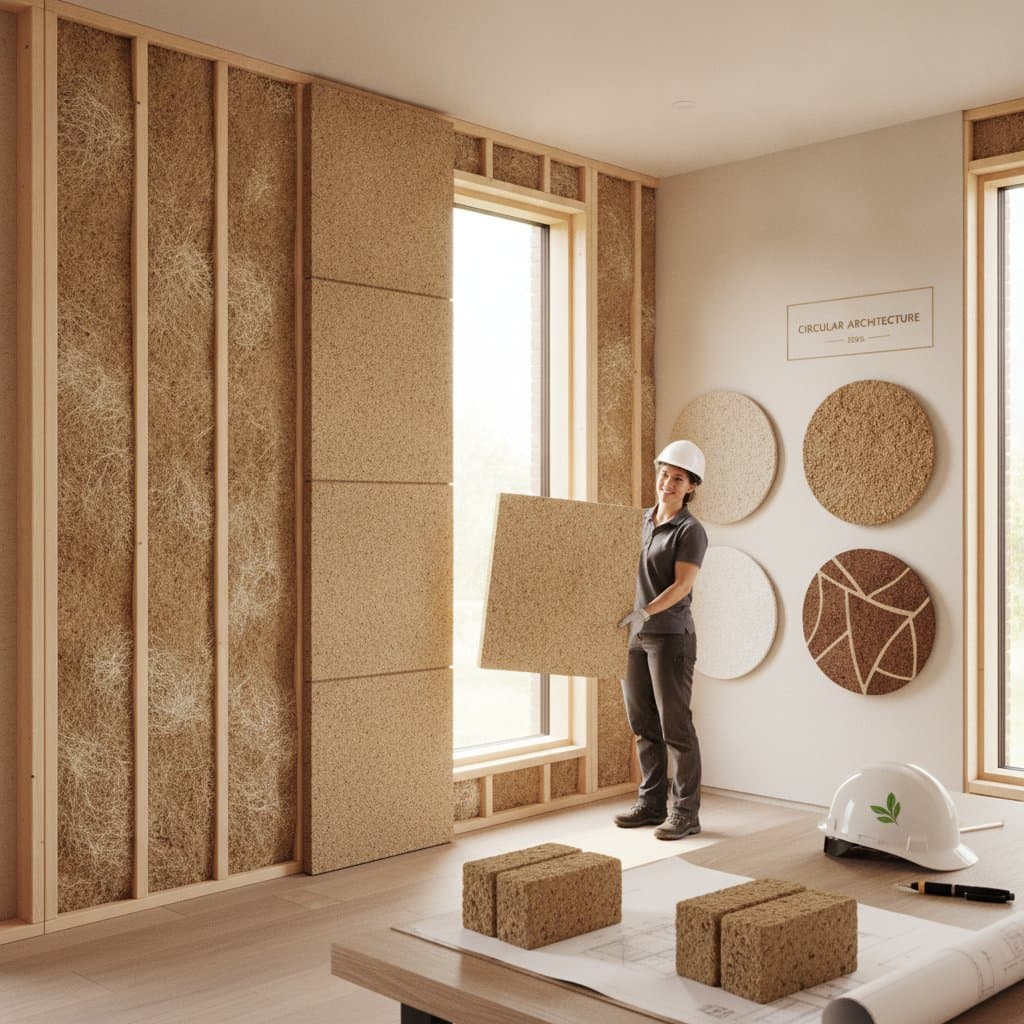
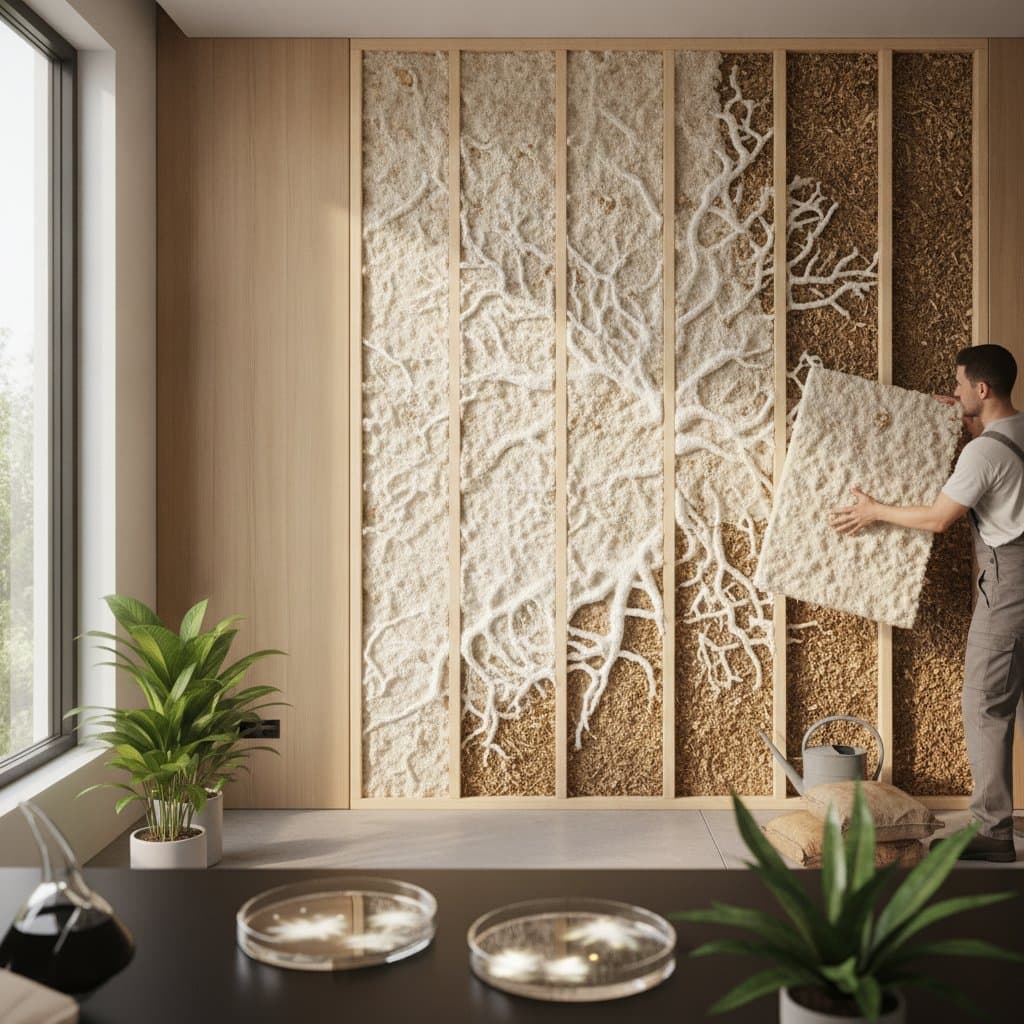
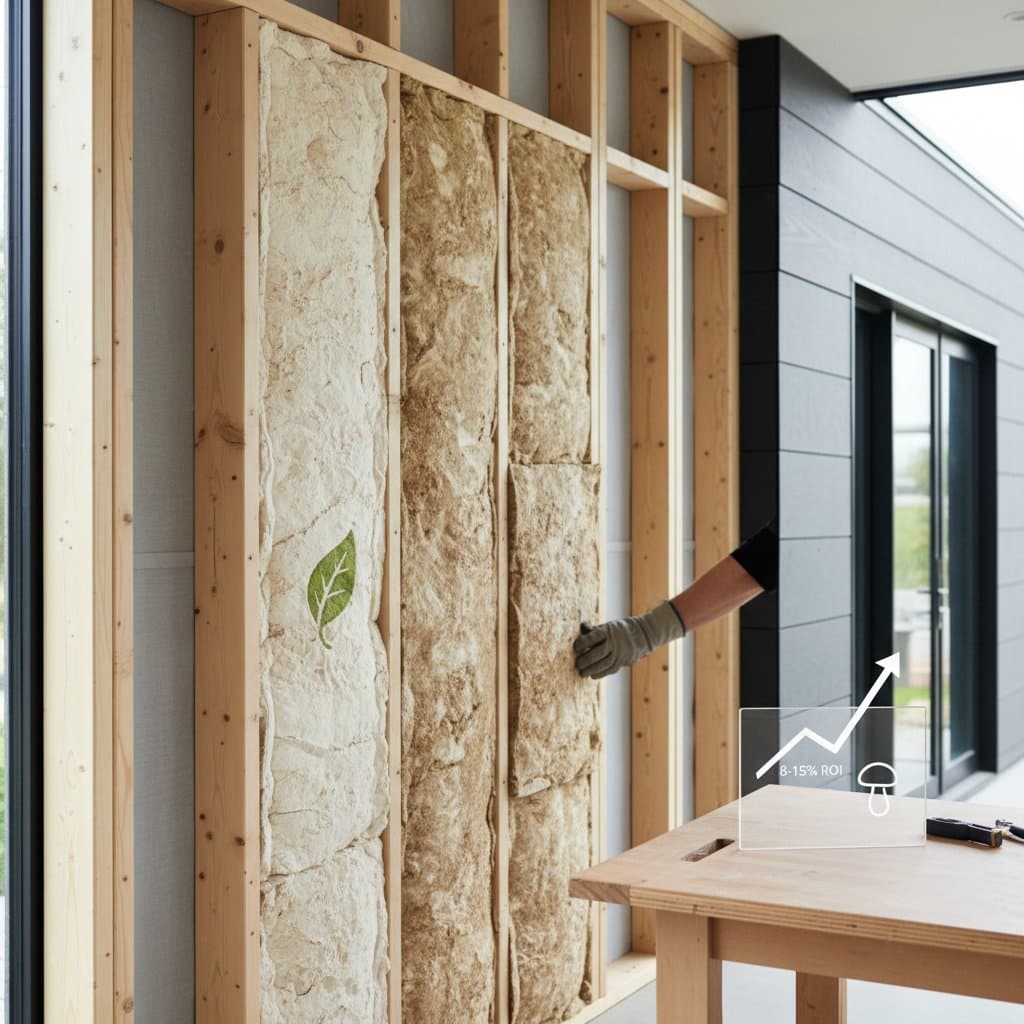
- Mushroom-based insulation, known as mycelium insulation, redefines energy efficiency and sustainability for builders and homeowners.
- Biodegradable, high-performance panels serve as a viable alternative to petrochemical foams and fiberglass.
- Return on investment reaches 8 to 15 percent annually, based on energy costs and project scale.
- Mycelium materials resist fire, regulate moisture naturally, and decompose fully, ensuring safety and environmental responsibility.
- Enhanced scalability and manufacturing consistency position mushroom insulation for mainstream adoption in sustainable building.
Why Energy Efficiency Requires a Biological Approach
Rising energy costs shape construction choices in residential and commercial projects. Traditional insulation options, such as fiberglass, mineral wool, and spray foam, provide cost savings but carry environmental and health drawbacks.
Chemical emissions, poor recyclability, and substantial embodied energy diminish their appeal for those committed to low-carbon lifestyles. Mycelium insulation counters these challenges through a closed-loop production process that repurposes organic waste and allows the material to return safely to the soil at the end of its service life.
Financially, superior insulation reduces heating and cooling expenses by 20 to 35 percent. Across a 15-year span, these savings accumulate to thousands of dollars, alongside enhanced comfort and minimal upkeep.
Financial and Market Analysis
Cost Range and Return on Investment
Initial expenses for mushroom insulation range from $2.50 to $4.00 per square foot, varying by thickness and regional availability. Although this exceeds the price of standard fiberglass, reduced operational costs shorten the payback period.
Strategic installations achieve 8 to 15 percent annual returns, particularly when integrated with airtight building techniques and renewable energy sources. For long-term residents, the material's durability and low maintenance needs support the upfront investment.
Market Development
Producers scale operations by optimizing growth environments, enhancing substrate sterilization, and automating panel production. As efficiency rises, prices stabilize, broadening access to mycelium insulation for diverse budgets.
Performance and Durability in Construction
Reliability under everyday conditions matters greatly. Mycelium insulation withstands moderate moisture due to its hydrophobic properties when sealed with bio-based treatments.
In ventilated cladding systems or well-engineered wall assemblies, it sustains thermal efficiency. Field tests confirm that panels preserve form and insulating capacity through temperature shifts and humidity variations.
Protection Against Pests and Mold
Manufacturers halt fungal growth via controlled heating, yielding an inert product free from decay risks or contamination. The compact cellular makeup repels insects and rodents, eliminating reliance on chemical barriers.
Tailoring to Regional Climates
Mycelium insulation adapts reliably to diverse environments, though installation adapts to specific locales.
- In humid areas, incorporate vapor barriers to control moisture movement.
- For cold regions, apply thicker panels or layered setups to boost R-values.
- In hot, dry zones, combine with reflective roofing to curb heat infiltration.
The material's breathability stabilizes indoor humidity, fostering consistent comfort with reduced dependence on powered ventilation systems.
Funding and Incentive Strategies
Numerous areas provide incentives for green building projects featuring renewable or biodegradable components. Benefits include lowered permit costs, tax rebates, and favorable loan terms.
Property owners may incorporate mycelium upgrades into comprehensive retrofits with solar installations, efficient heating systems, and intelligent controls. Such combinations elevate property assessments and resale appeal.
Frequently Asked Questions on Mushroom Insulation
Does Growth Persist After Installation?
No. Producers terminate growth through precise heating, resulting in a stable, non-proliferating material.
What Is Its Expected Lifespan?
Properly installed, mycelium insulation endures for several decades, akin to mineral wool or cellulose. Effective moisture control extends its service.
Is It Suitable for Mold-Sensitive Individuals?
Yes. The process eliminates active spores, and completed panels emit no allergens or fungal elements.
Can It Integrate with Other Insulations?
Yes. Hybrid approaches often place mycelium in interior walls while using cellulose or mineral wool in attics and floors to optimize cost and efficacy.
Does It Contribute to Structural Integrity?
Mycelium insulation lacks load-bearing capacity but functions effectively as filler or sheathing alongside timber or steel frameworks.
Steps to Implement Sustainable Insulation Upgrades
Mycelium insulation bridges biotechnology and practical construction. Homeowners gain reduced utility costs, healthier interiors, and environmental gains. Builders benefit from a user-friendly, expandable, and competitively priced option.
Start with an energy audit to pinpoint high-impact insulation areas. Consult specialists in biodegradable systems to review specs and methods. Weigh immediate expenses against enduring savings to assess overall value.
As production advances and recognition grows, mushroom insulation emerges as a staple in residences that prioritize efficiency, comfort, and ecological renewal.