Geothermal Loop Systems: The Leading Energy-Saving HVAC Option for 2026
Heating and cooling systems have evolved with features like programmable thermostats and quiet fans. Yet the true advancement in geothermal loop systems happens below ground level. These systems deliver sustainable and economical HVAC performance, positioning them as the foremost choice for energy conservation.
Core Advantages
Geothermal systems reduce heating and cooling bills by up to 65 percent compared to conventional HVAC units. The buried loops maintain steady temperatures year-round, which boosts efficiency and ensures even indoor comfort. Although upfront costs surpass those of traditional setups, most owners see a return on investment in under ten years.
These systems require little maintenance and last for decades, offering one of the most durable renewable energy options available.
The Mechanics of Geothermal Loop Systems
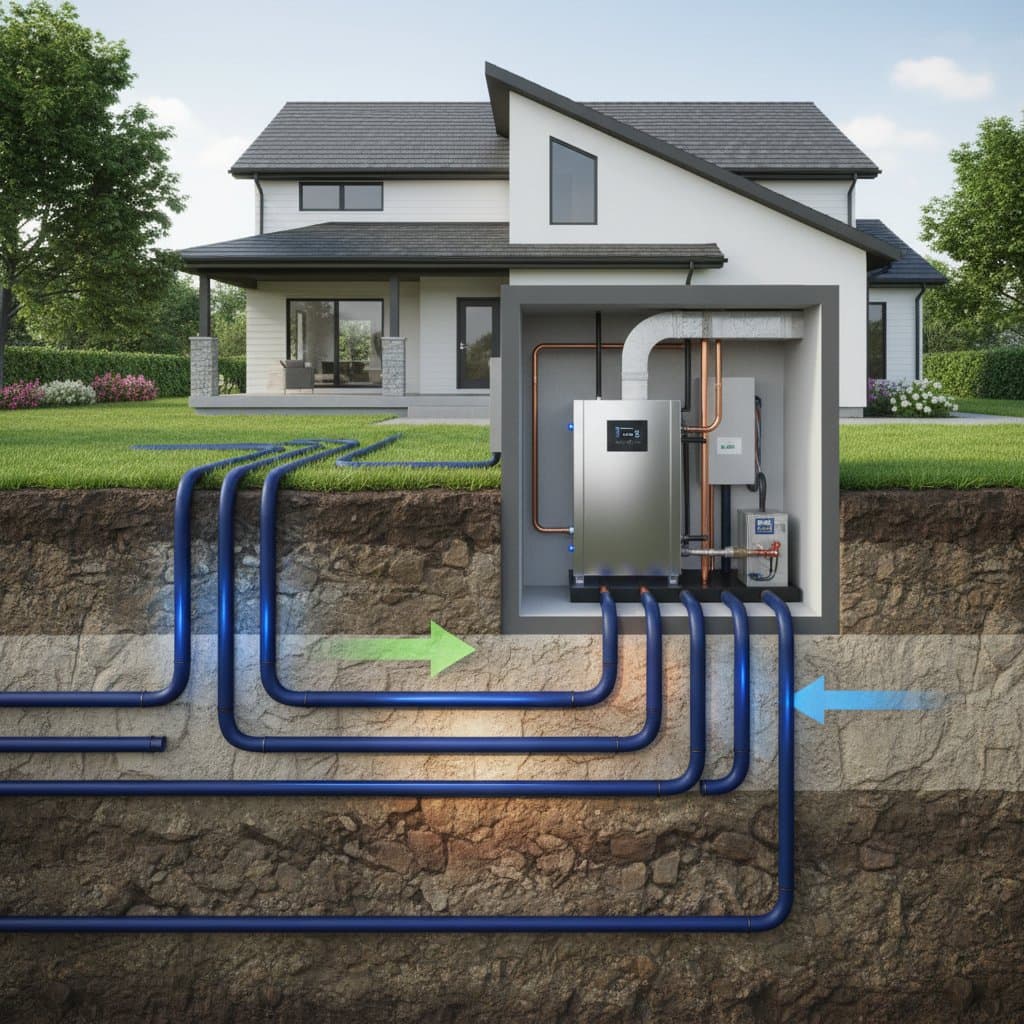
Geothermal loop systems use the earth's stable underground temperatures to control indoor environments. Air temperatures on the surface fluctuate widely, but the soil just a few feet down stays relatively constant. A network of pipes buried underground, called the loop, circulates a fluid mixture of water and antifreeze to transfer heat between the building and the ground.
In winter, the system pulls heat from the earth and moves it indoors through a heat pump. During summer, the process reverses, sending excess indoor heat into the soil. This closed-loop design achieves high efficiency by using far less electricity than standard air conditioners or furnaces.
Loop Types and Their Efficiency Ratings
Geothermal loops vary in design to match different site conditions and budgets. Each type suits specific landscapes and installation needs. The table below outlines the main options.
| Loop Type | Installation Details | Best For | Efficiency Level |
|---|---|---|---|
| Horizontal Loop | Laid in trenches about six feet deep | Large open areas | High |
| Vertical Loop | Drilled straight down for hundreds of feet | Limited space or rocky soil | Very High |
| Pond/Lake Loop | Coils placed underwater in nearby bodies | Access to stable water sources | Moderate to High |
Vertical loops provide top efficiency where space is tight, while horizontal loops cost less on bigger properties. According to the U.S. Department of Energy, geothermal systems can achieve efficiencies of 400 percent, meaning they deliver four units of heating or cooling for every one unit of electricity used.
Financial and Environmental Impacts
Installing a residential geothermal system usually ranges from $10,000 to $30,000. Owners recover this investment through lower monthly utility payments. Low maintenance needs further enhance the value, as the ground loops often last 50 years or more.
On the environmental side, these systems produce no direct emissions and cut overall carbon footprints. Switching from gas or oil heating to geothermal can prevent thousands of pounds of greenhouse gases from entering the atmosphere each year. Many regions offer incentives like rebates or low-interest loans to make installation more affordable.
Important Considerations for Homeowners
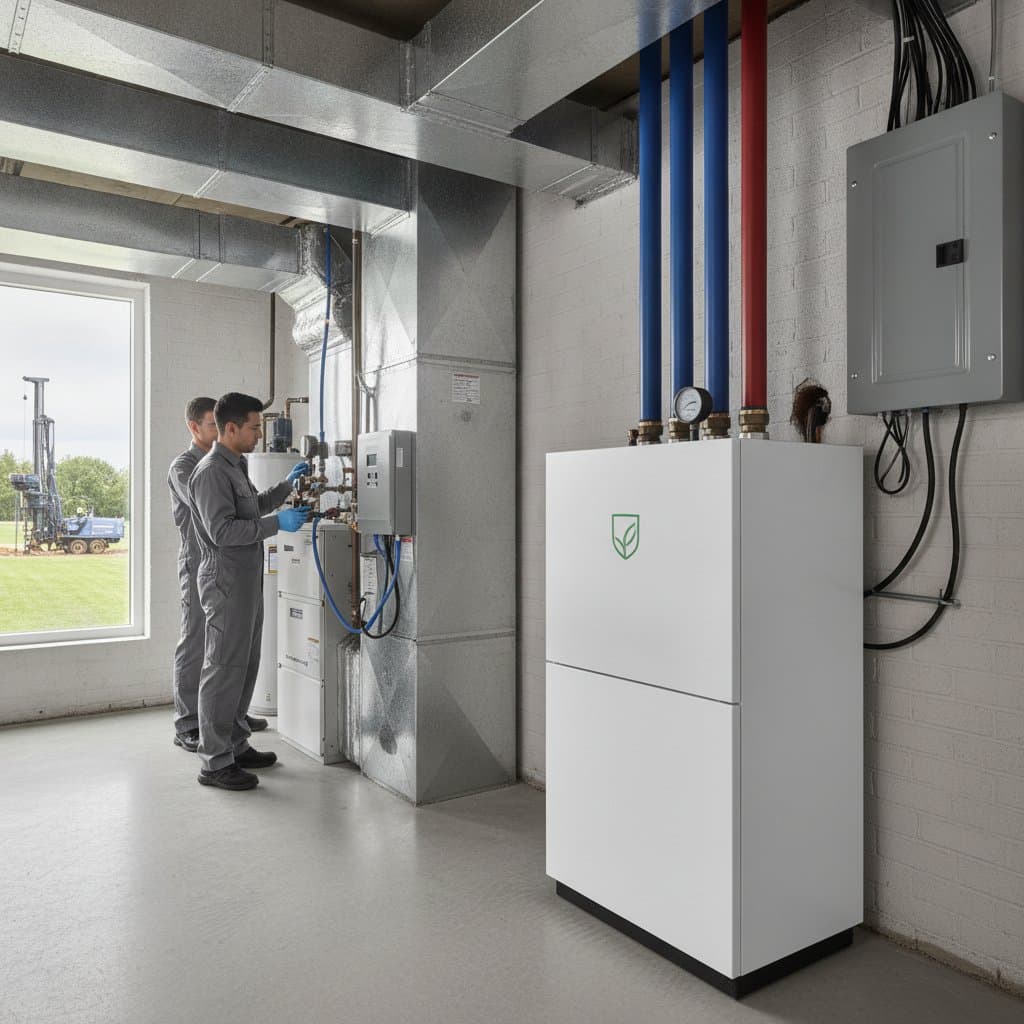
Certified professionals conduct site assessments before installation, analyzing soil composition, moisture levels, and available land to select the right loop type. For smaller lots, vertical or slinky loops perform well without needing much surface area.
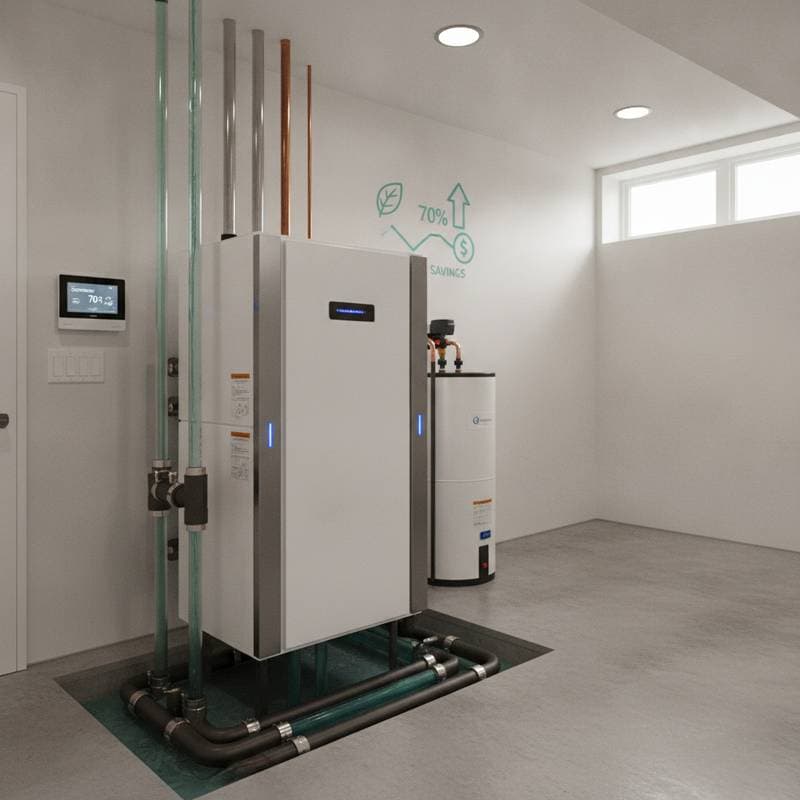
To maximize results, pair the system with proper home insulation and sealed ducts. Adding energy-efficient windows and doors increases savings even more. Some setups integrate hot water heating, providing cost-effective domestic supply alongside climate control.
Common Myths Debunked
-
Myth: Geothermal works only in temperate climates.
Fact: The consistent ground temperature allows reliable function in both extreme heat and cold. -
Myth: These systems need regular repairs.
Fact: After setup, inspections of fluids and parts happen every few years at most. -
Myth: High costs limit access to wealthy households.
Fact: Incentives, tax breaks, and payment plans make geothermal feasible for many budgets.
Guide to Installing Geothermal Heating
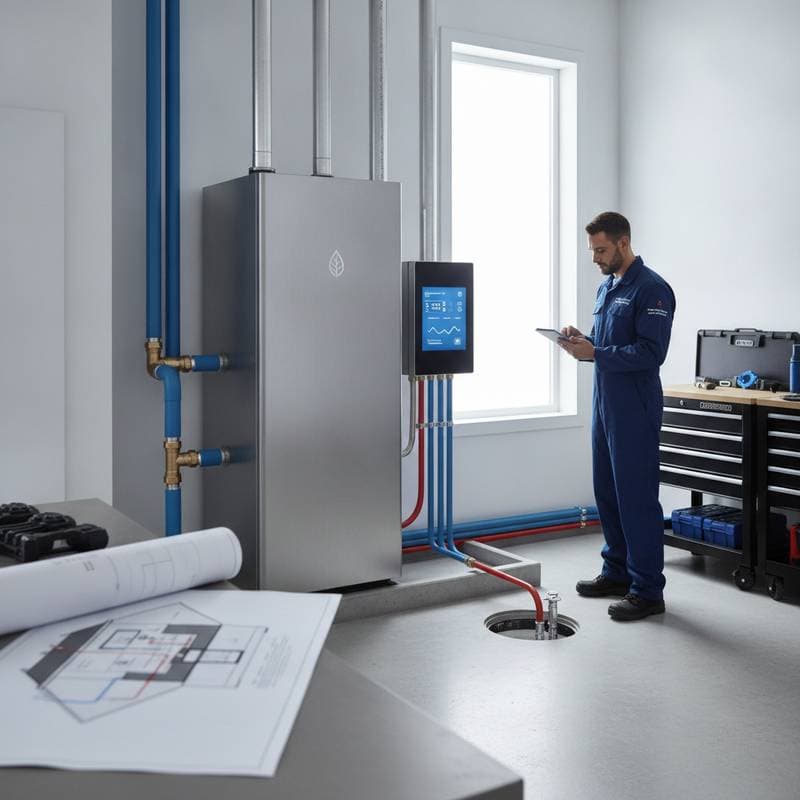
Start by consulting a certified geothermal expert for a full site evaluation and energy audit. Compare quotes from several contractors, focusing on warranties, timelines, and expected savings. Professionals recommend adding smart thermostats to fine-tune settings and further reduce energy use.
Long-Term Value of Geothermal Adoption
Geothermal loop systems provide a dependable route to major energy savings and lasting ecological improvements. Homeowners enjoy lower bills, consistent comfort, and peace of mind from a low-maintenance setup. As sustainable options gain traction, these systems stand out for their proven reliability and broad appeal.