Geothermal Tax Credits Surpass Solar Incentives in 2026
Solar panels dominate discussions on residential renewable energy. Geothermal heating and cooling systems, however, emerge as a reliable alternative with steady performance. Recent tax incentives position geothermal ahead of solar in financial appeal, combining environmental benefits with strong economic returns.
Essential Advantages
- Geothermal tax credits provide higher reimbursement rates than solar, covering a larger share of installation costs.
- Residential systems cost between $20,000 and $35,000 to install, with incentives reducing expenses by 30 to 40 percent.
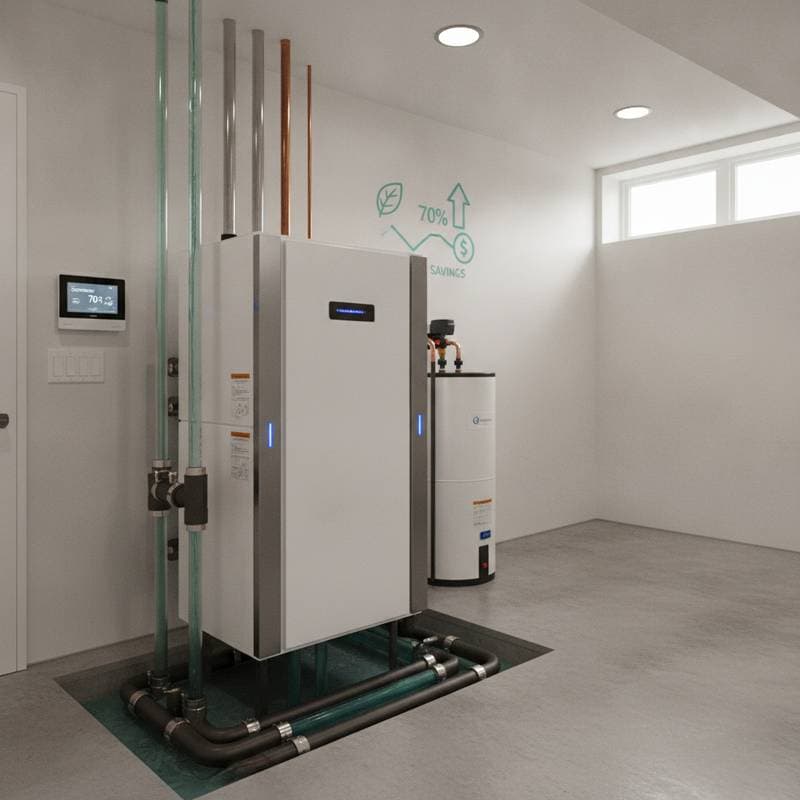
- Efficiency ratings reach 400 percent, producing four units of heating or cooling for each unit of electricity consumed.
- Payback periods range from five to nine years, influenced by local energy prices and ground conditions.
- Homes with geothermal installations see resale values rise by 4 to 7 percent, according to industry analyses.
Breaking Down the Incentives
A $30,000 geothermal system qualifies for a federal credit of $9,000 to $10,500, surpassing solar rates. State programs and utility rebates further lower costs, potentially to $18,000 out-of-pocket. These adjustments make geothermal accessible for many homeowners.
Incentive Comparison
| System Type | Average Cost Range | Federal Credit Rate | Net Cost After Credit | Annual Savings Estimate | Payback Range |
|---|---|---|---|---|---|
| Solar Photovoltaic | $20,000 - $28,000 | 26% | $14,800 - $20,720 | $1,000 - $1,400 | 10 - 12 years |
| Geothermal Heat Pump | $25,000 - $35,000 | 30% | $17,500 - $24,500 | $1,400 - $2,000 | 6 - 9 years |
Higher savings and credits accelerate returns for geothermal. Energy consultant Maria Chen notes, “Clients often find geothermal delivers superior long-term value over solar. The incentive edge frequently decides the choice.”
Practical Example for Homeowners
A suburban homeowner with an electric furnace and air conditioner faces $2,800 in yearly energy bills. Installing a ground-source geothermal heat pump reduces that to $1,000 annually. After incentives, the $30,000 project costs $19,000 net, with $1,800 in yearly savings leading to payback in eight years.
Regional factors like soil type affect outcomes, yet the efficiency and credits consistently favor geothermal. Maintenance remains low, ensuring ongoing benefits.
Addressing Installation Obstacles
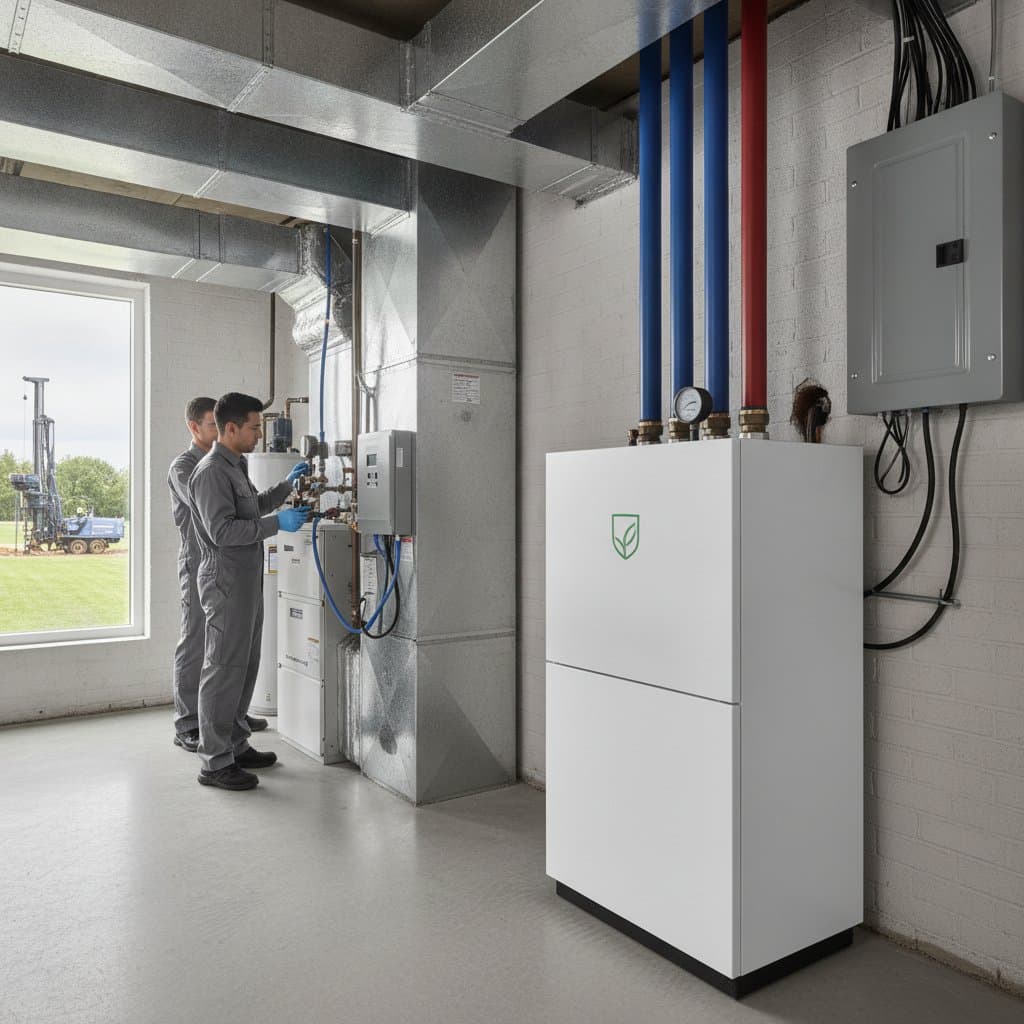
Excavation for ground loops presents the primary challenge. Limited yard space calls for vertical loops, which involve drilling but occupy little surface area. Certified professionals conduct soil tests and assess layouts to select horizontal or vertical designs.
The International Ground Source Heat Pump Association reports that optimized designs boost performance by up to 20 percent. Financing options, including low-interest loans from utilities, ease upfront burdens. Lenders increasingly view geothermal as a secure investment.
Lifetime Value Analysis
Geothermal components endure: underground loops last up to 50 years, while indoor units function for 20 to 25 years. This longevity surpasses typical HVAC systems. Total returns exceed 200 percent, factoring in energy reductions and property value gains.
Homes with geothermal sell more quickly and at premiums, particularly in eco-focused markets. Energy analyst David Ruiz observes, “Buyers now regard geothermal like high-end appliances. It represents essential modern efficiency.”
Evolving Policies and Projections
Incentives adapt to market dynamics. Solar credits have declined with widespread adoption and lower prices, while geothermal receives elevated support to expand usage. Projections indicate installations may double in the coming decade, spurred by efficiency regulations.
New constructions often incorporate geothermal to satisfy green standards and appeal to sustainable buyers. As grids incorporate more renewables, geothermal's steady electricity use supports stability, avoiding the variability of solar or wind.
Steps to Install Geothermal
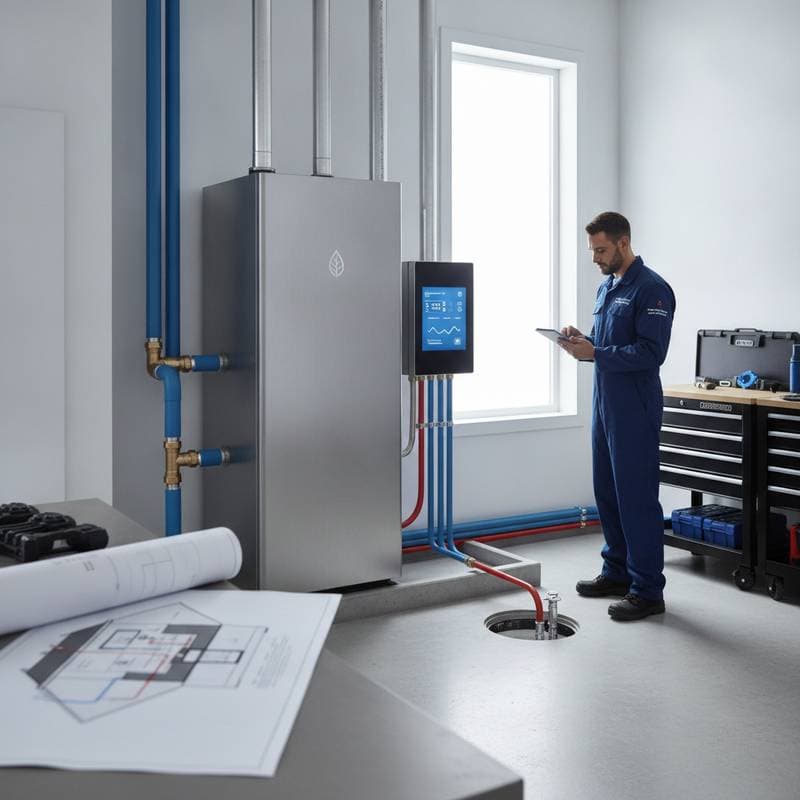
Begin with a site assessment from certified experts. Inquire about soil properties, loop types, and system sizing. Obtain multiple quotes from installers experienced in drilling and integration. These steps ensure a tailored, efficient setup that maximizes incentives and performance.