Reclaimed Materials: The Eco-Friendly Shift in 2026 Home Remodeling
Homeowners planning a remodel often focus on new paint, fixtures, and finishes. Yet, the path to sustainability may involve materials that already have a history. Reclaimed materials redefine beauty, durability, and environmental responsibility in remodeling projects.
These materials reduce construction waste by up to 70 percent and lower carbon emissions from manufacturing. Reclaimed wood, for instance, can decrease material costs by 15 to 25 percent in large projects. Salvaged metal and brick provide unmatched durability and character while easing the demand on raw resources. Properties with these elements frequently achieve 5 to 10 percent higher resale values, driven by growing demand for green designs. Local sourcing and thorough preparation remain essential to comply with safety and building codes.
Leading Reclaimed Materials in Modern Remodels
Reclaimed Wood: Enduring Strength and Unique Aesthetics
Reclaimed wood serves as an entry point for sustainable remodeling enthusiasts. It comes from sources such as old barns, factories, and shipyards, offering density and stability that surpass many new options. This older growth wood develops slowly, resulting in tighter grains and greater resistance to environmental changes.
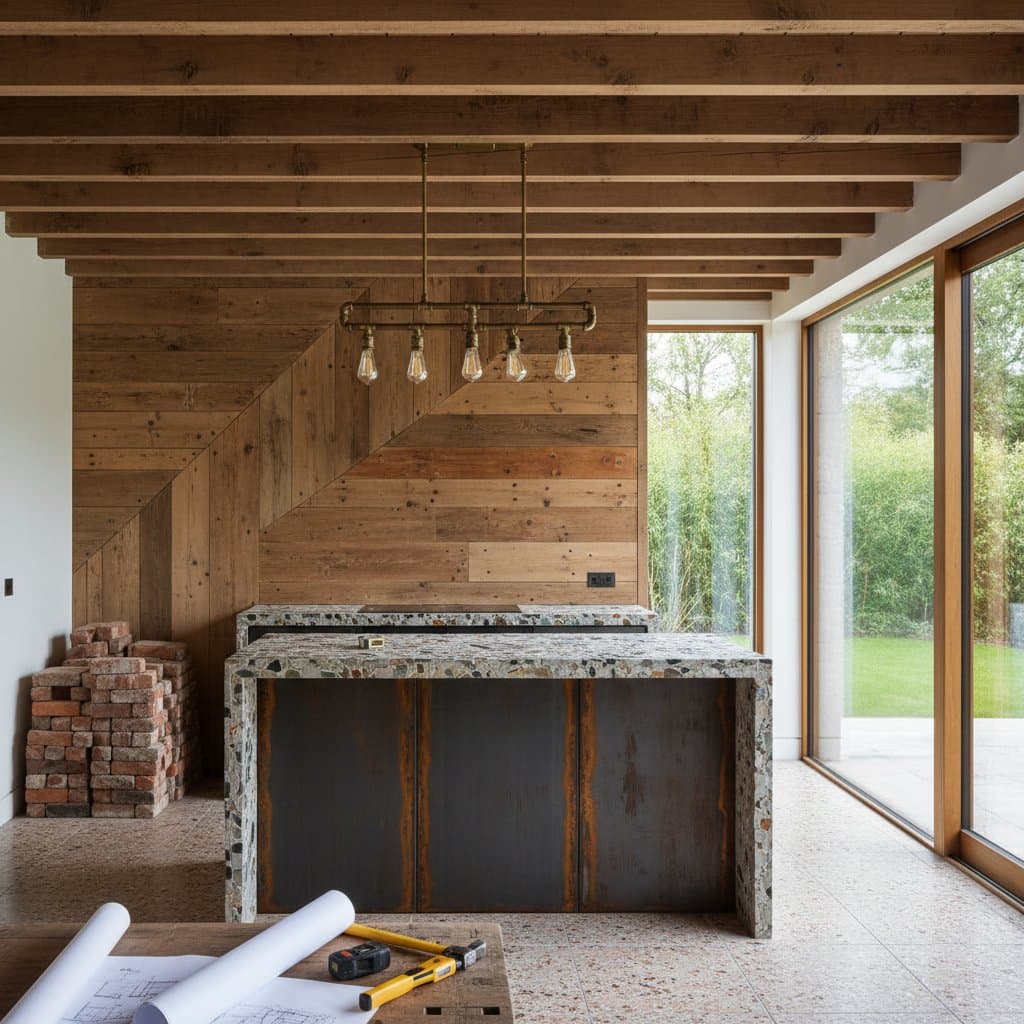
Key advantages encompass a reduced ecological footprint versus fresh lumber, distinctive patterns and natural aging, resistance to warping, and versatility across rustic, industrial, and modern styles. Experts advise obtaining wood from certified providers that apply kiln-drying and treatments to eliminate pests and excess moisture. Applications include flooring, accent walls, exposed beams, and custom furniture.
Salvaged Metal: Robustness for Contemporary Interiors
The recovery of metals like steel, copper, and aluminum from demolished structures and vehicles has surged. These materials transform into beams, railings, and panels with exceptional strength. Reclamation avoids the waste from mining and the high energy needs of smelting virgin ore.
Studies indicate that recycling steel slashes emissions by over 50 percent compared to primary production. The patina on salvaged metal adds visual interest, suiting loft-inspired spaces and pairing well with wood for layered designs. Professional fabrication ensures seamless integration into remodel plans.
Brick, Stone, and Tile: Heritage Textures in Today's Homes
Reclaimed masonry captivates with its aged appearance and proven resilience. Salvaged bricks feature varied hues and softened edges that new production cannot replicate. Stone from past eras suits patios, fireplaces, and feature walls effectively.
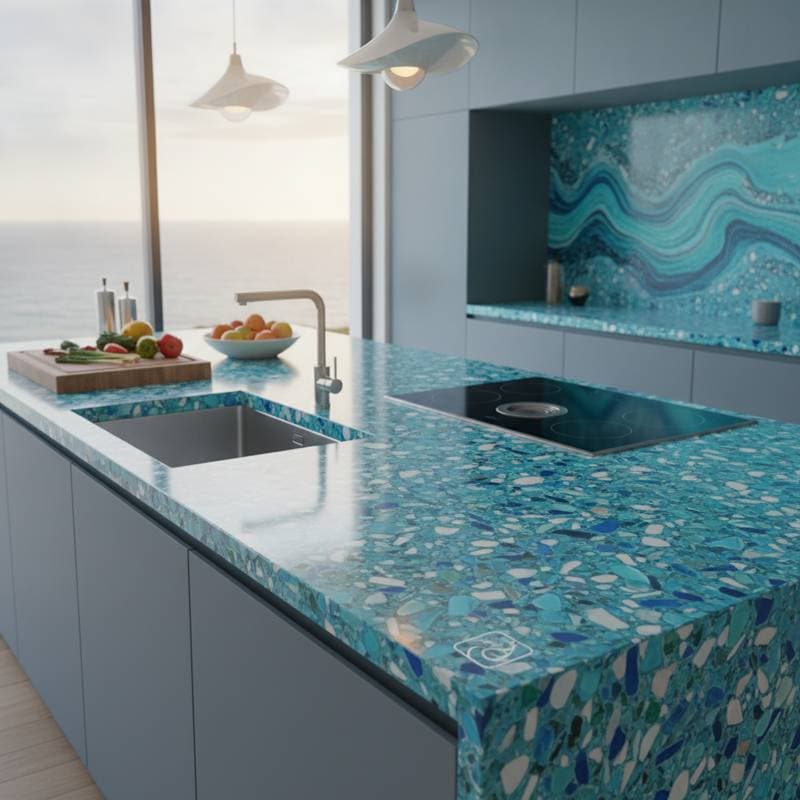
Recovered tiles from historic sites or legacy producers restore artistic details to bathrooms and kitchens. Their original glazes and handcrafted quality prove expensive to duplicate now. When handled correctly, these materials deliver aesthetic depth and outlast synthetic alternatives.
Sourcing and Preparing Reclaimed Materials Effectively
Locating premium reclaimed materials demands research and caution. Explore local salvage yards, deconstruction firms, and reuse centers, many of which maintain online inventories for easy browsing.
Inspect items for integrity, avoiding signs of water damage or pollutants. Reclaimed wood, in particular, requires checks for lead paint or residues. Suppliers must adhere to rigorous cleaning standards to guarantee usability.
Standard preparation involves these steps:
- Cleaning and de-nailing to clear debris, nails, and dirt.
- Kiln drying or heat treatment to control moisture and prevent pests.
- Sanding and finishing to enhance appearance and prepare for use.
- Safety testing to detect hazardous substances on vintage pieces.
This process aligns materials with current codes. Collaborate with contractors experienced in reuse to avoid pitfalls and ensure efficiency.
Design Strategies for Seamless Integration
Successful use of reclaimed materials hinges on balanced incorporation. Aim to showcase their genuine qualities while maintaining overall harmony.
Effective approaches feature pairing wood beams with polished metal accents to merge eras. Limit salvaged tile to focal points like backsplashes for impact without overwhelm. Apply brick selectively in modern settings to introduce warmth. Select pieces with matching tones or feels to promote unity.
Strategic lighting amplifies results. Soft, ambient illumination reveals surface textures, and targeted beams highlight artisanal elements. Consult designers to refine these choices for your space.
Addressing Potential Hurdles in Reclaimed Projects
Reclaimed remodeling presents obstacles like irregular supply, which may extend timelines. Materials often vary in size and state, necessitating on-site adaptations.
Mitigate issues by procuring 10 to 20 percent extra volume, as exact matches prove elusive. Conduct structural assessments early to confirm suitability. Maintain detailed logs of origins and processes for future reference or verifications.
These steps minimize disruptions. The rewards in distinctive appeal and ecological benefits outweigh the efforts, as noted by a design expert: “Every reclaimed piece you use saves part of a story from disappearing, and that story adds value beyond dollars.”
Steps to Implement Reclaimed Materials in Your Remodel
Incorporate reclaimed elements to make a meaningful and cost-effective statement. Begin by pinpointing suitable project areas, such as floors, walls, counters, or siding.
Visit active demolition sites or join local recovery efforts to uncover gems. Numerous municipalities offer incentives, including tax breaks, for sustainable reuse.
Reclaimed materials transcend fashion. They foster conservation and innovation, linking your home to a legacy of thoughtful building practices.