Key Points
- Homeowners and developers increasingly select geothermal systems for their reliability amid volatile energy prices.
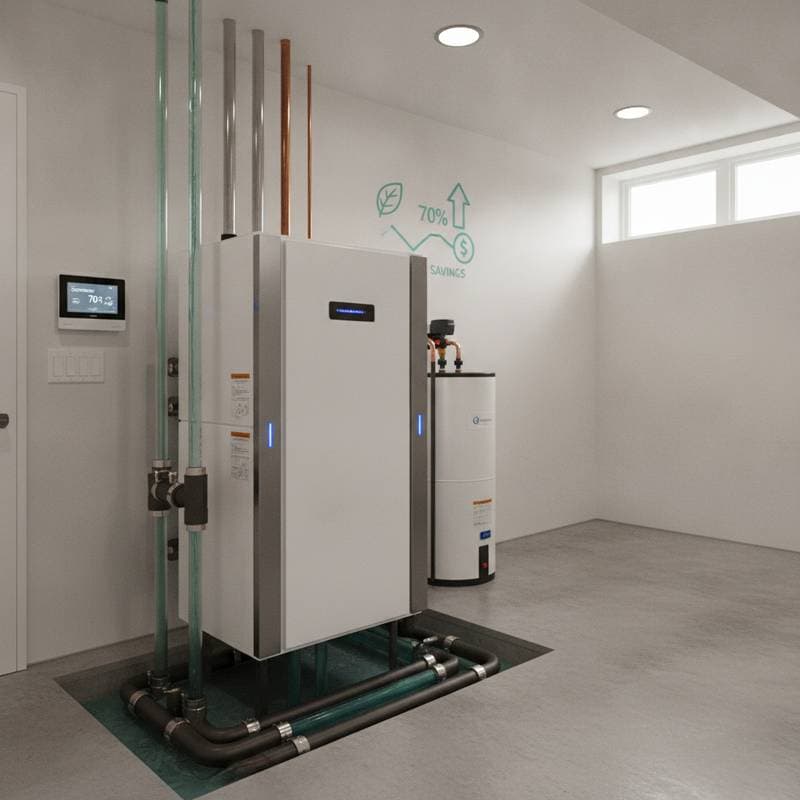
- Ground-source heat pumps typically lower heating and cooling costs by 40 to 70 percent, based on system configuration and regional climate.
- Government incentives, enhanced materials, and heightened public awareness drive projected demand growth of up to 300 percent by 2026.
- These systems offer low maintenance needs, superior efficiency, and strong environmental benefits, positioning them as a durable choice for sustainable building projects.
Why Efficiency Fuels Market Expansion
Geothermal systems excel in energy efficiency, serving as a primary reason for their rising popularity. A properly engineered ground-source heat pump produces three to five units of heating or cooling for each unit of electricity used. This ratio results in substantial, ongoing savings that accumulate over time.
Homeowners transitioning from electric resistance heating or propane often see utility bills decrease by about 50 percent. Across a system's typical 15-year lifespan, these reductions frequently surpass the upfront costs. In commercial or multi-family settings, higher energy demands shorten the payback period even further.
Beyond direct savings, geothermal technology eases pressure on electrical grids by curbing peak loads and cutting carbon outputs. This combination of economic and ecological advantages draws interest from local governments, real estate developers, and private residents alike.
Technological Innovations Reshaping Geothermal Adoption
Advancements in geothermal technology have accelerated its market growth beyond mere publicity. Contemporary heat pumps feature smaller footprints, intelligent controls, and simplified installation compared to past models. Variable-speed compressors and modular ground loops enable customization for diverse sites and weather patterns.
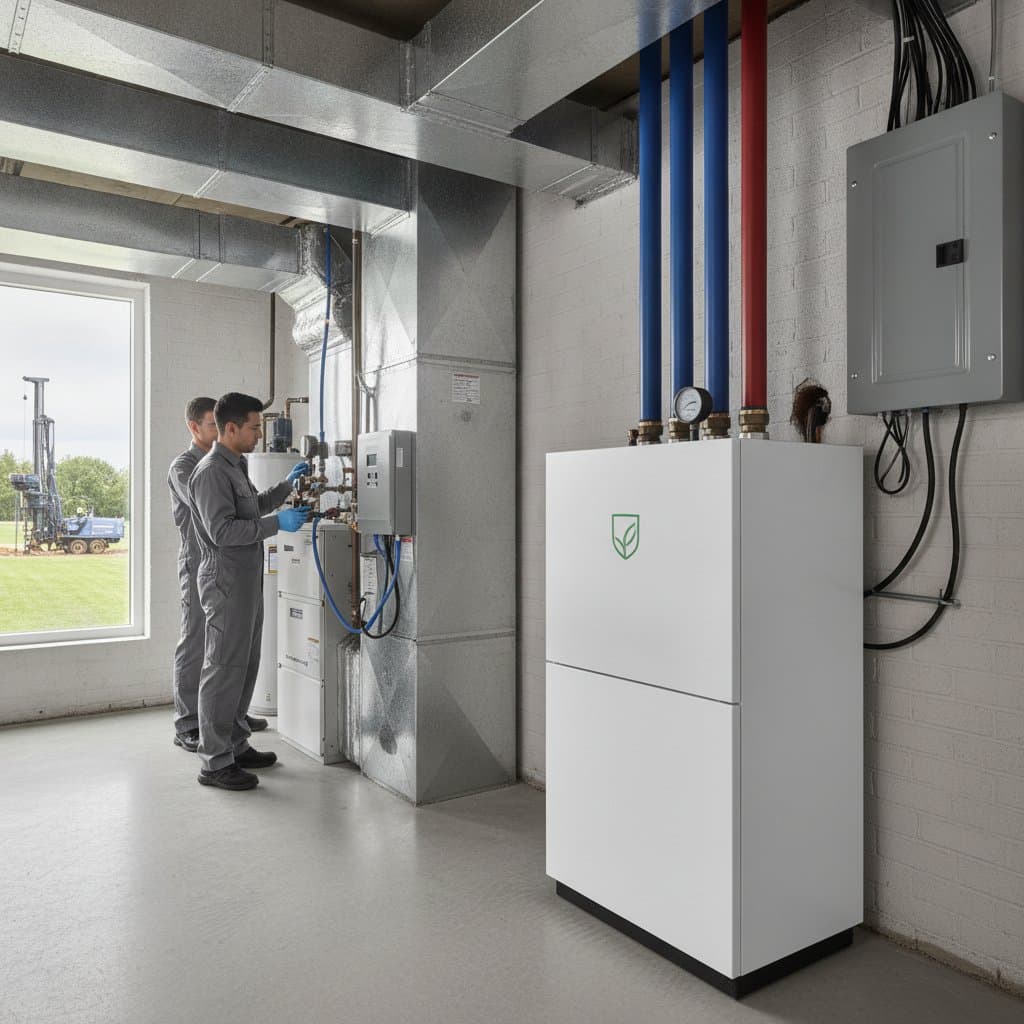
Improved drilling methods reduce setup challenges significantly. Vertical boreholes proceed faster with precision tools, while horizontal loops integrate seamlessly into new builds or yard designs. Hybrid configurations now facilitate upgrades to existing heating, ventilation, and air conditioning setups with minimal disruption.
Installation teams minimize site interference through streamlined processes. Post-installation, the systems run silently and demand infrequent servicing, appealing to those seeking hassle-free home operations.
Environmental Factors and Market Dynamics
Sustainability now ranks as a standard criterion in residential construction and renovations. Prospective buyers routinely inquire about energy ratings, emission cuts, and enduring expenses. Geothermal installations address these concerns comprehensively.
Each system diminishes dependence on fossil fuels and prevents on-site emissions. Unlike traditional air conditioners, they avoid releasing excess heat into urban areas, helping to temper local warming. For developers, such features support certifications like LEED or ENERGY STAR, enhancing property marketability.
Studies indicate that properties equipped with renewable heating solutions command quicker sales and premium prices over similar unenhanced homes. Although solar installations garner more notice, geothermal provides equivalent green impacts with subtler visual presence, suiting communities that value architectural harmony.
Adapting to Regional Climates and Site Conditions
Geothermal technology demonstrates remarkable versatility across geographies. Subsurface soil holds steady temperatures year-round, enabling effective heating and cooling irrespective of surface weather extremes.
In regions with harsh winters, the system draws stored ground heat to warm indoor spaces. During hot summers, it expels interior heat into the earth for cooling. This reversible process functions reliably in varied soils and terrains, with adjustments to loop layouts as needed.
Professionals conduct thorough site evaluations, testing soil thermal properties, land availability, and groundwater levels. These assessments guide optimal loop configurations, guaranteeing peak performance in rural, suburban, or city settings.
Enhancing Health, Comfort, and Daily Living
Geothermal systems provide comfort levels that surpass conventional alternatives, extending their appeal past financial and green merits. They distribute air at even, moderate temperatures, eliminating uneven heating or chilling within rooms. Without combustion processes, they prevent indoor contaminants such as carbon monoxide, while closed-loop designs limit dust and allergen circulation.
Users often note the serene, balanced feel of the air, free from the clamor of external units or inconsistent humidity. Such qualities prove especially valuable for households prioritizing clean air and reduced noise.
Pairing with underfloor radiant heating or zoned controls further elevates living spaces, fostering environments that promote health and focus. As buyers emphasize well-being in home choices, these attributes amplify the overall worth of geothermal upgrades.
Addressing Common Concerns and Obstacles
Misunderstandings continue to hinder widespread geothermal use, though solutions abound. Many believe these systems suit only expansive lots, yet innovative compact loops accommodate tight urban spaces. Fears of intricate repairs overlook the fact that core parts align with familiar heating, ventilation, and air conditioning components, serviced by qualified experts.
Funding appears daunting to some, but lenders increasingly acknowledge the technology's dependability, offering tailored loans and leases. Energy performance contracts let owners offset installation via bill reductions, bypassing large initial outlays.
Targeted education proves effective in dispelling doubts. Clear, evidence-based explanations from installers highlight the blend of longevity, performance, and ease, converting hesitation into commitment.
Future Trends and Policy Support
Forecasts predict geothermal installations will expand dramatically in the near term, driven by shifting preferences, regulatory backing, and industry investments. National strategies emphasize renewable heating to curb emissions, aligning seamlessly with geothermal capabilities.
New residential projects incorporate these systems to satisfy efficiency mandates and appeal to eco-conscious purchasers. Businesses adopt them to control expenses and secure green credentials. As expertise grows among installers and production ramps up, costs should level out, spurring broader uptake.
A robust supply network emerges, with trained specialists and standardized parts solidifying geothermal's place in standard heating, ventilation, and air conditioning approaches.
Steps to Integrate Geothermal into Your Home
Begin by consulting certified installers for a personalized feasibility study, factoring in your property's size, soil type, and energy needs. Explore available rebates and financing through utility providers or federal programs to ease the investment.
Select a system scaled to your usage, such as closed-loop vertical for limited space or open-loop if groundwater access exists. After installation, monitor performance via built-in diagnostics to maximize efficiency and longevity.
These actions position geothermal as a strategic upgrade, yielding sustained savings, superior comfort, and environmental contributions for years ahead.