Key Points
- Homeowners installing geothermal heating systems qualify for expanded federal tax incentives valued at up to $3,000 or higher.
- These systems reduce heating and cooling expenses by as much as 65 percent, accelerating cost recovery.
- Incentives target ground source systems that achieve designated efficiency levels and adhere to professional installation protocols.
- Pairing federal credits with local utility rebates can reduce the payback period to fewer than ten years.
- Conduct thorough site evaluations, including soil analysis and system sizing, to optimize savings and performance.
The Growing Importance of Geothermal Heating
Rising energy costs and variable weather conditions strain conventional HVAC systems in numerous areas. Traditional furnaces and air conditioners decline in efficiency over time, whereas geothermal systems deliver consistent operation by harnessing stable underground temperatures.
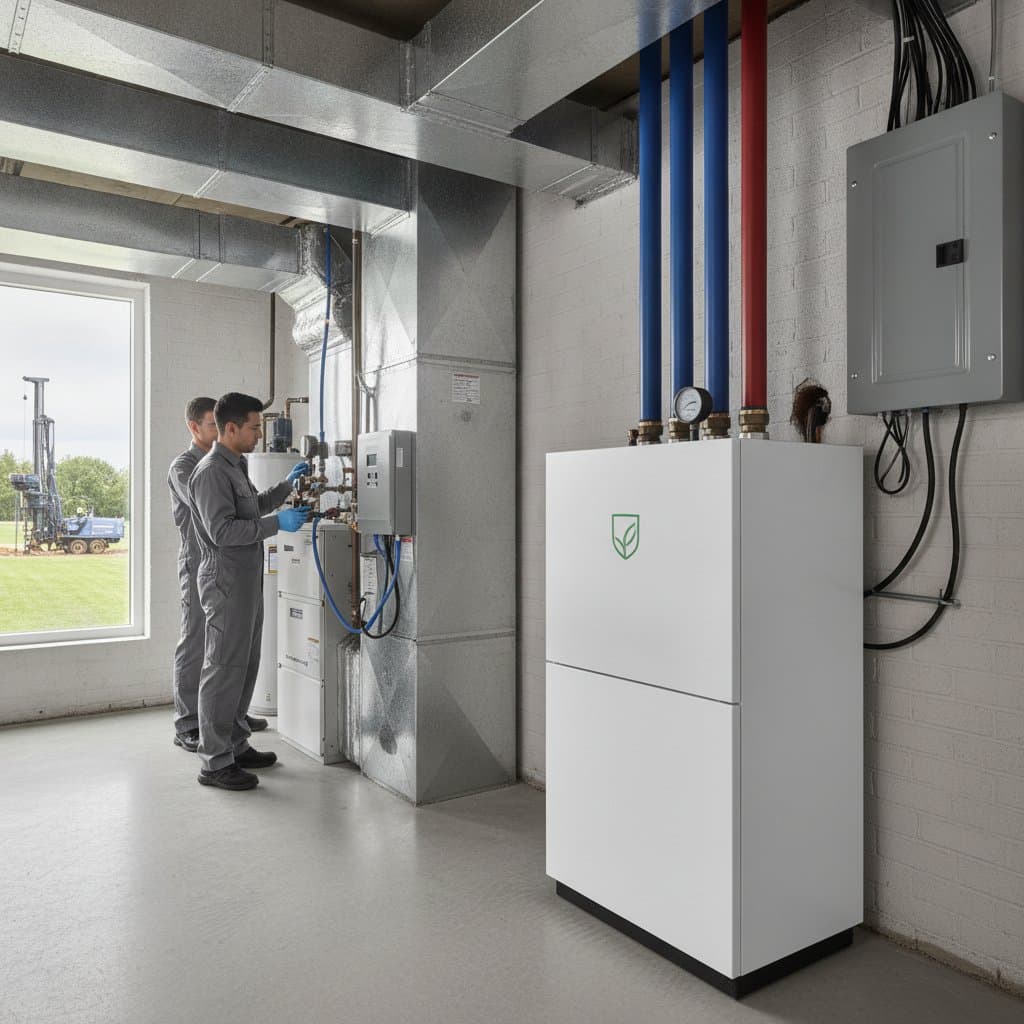
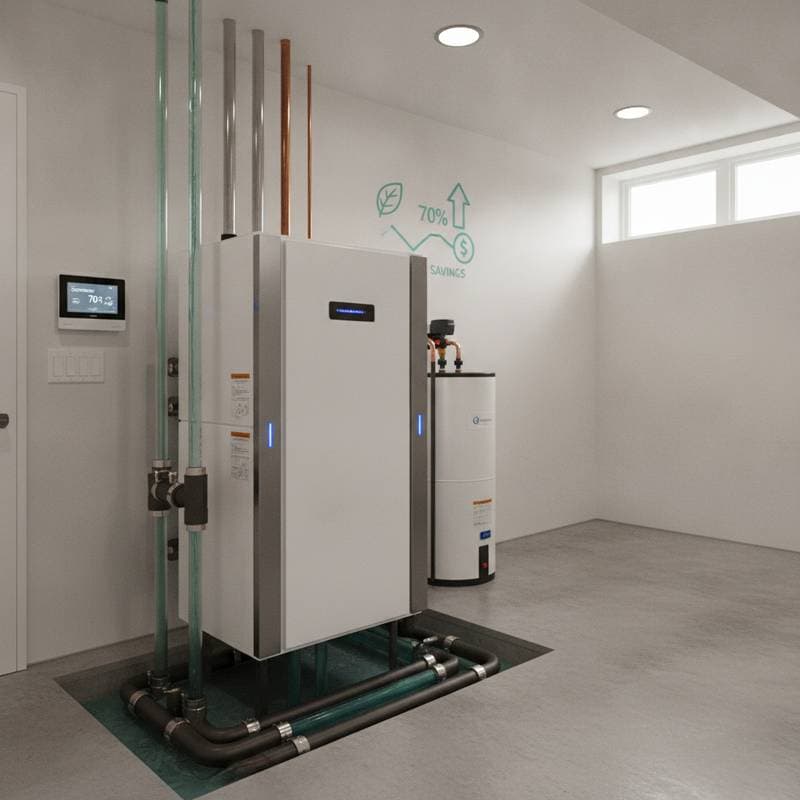
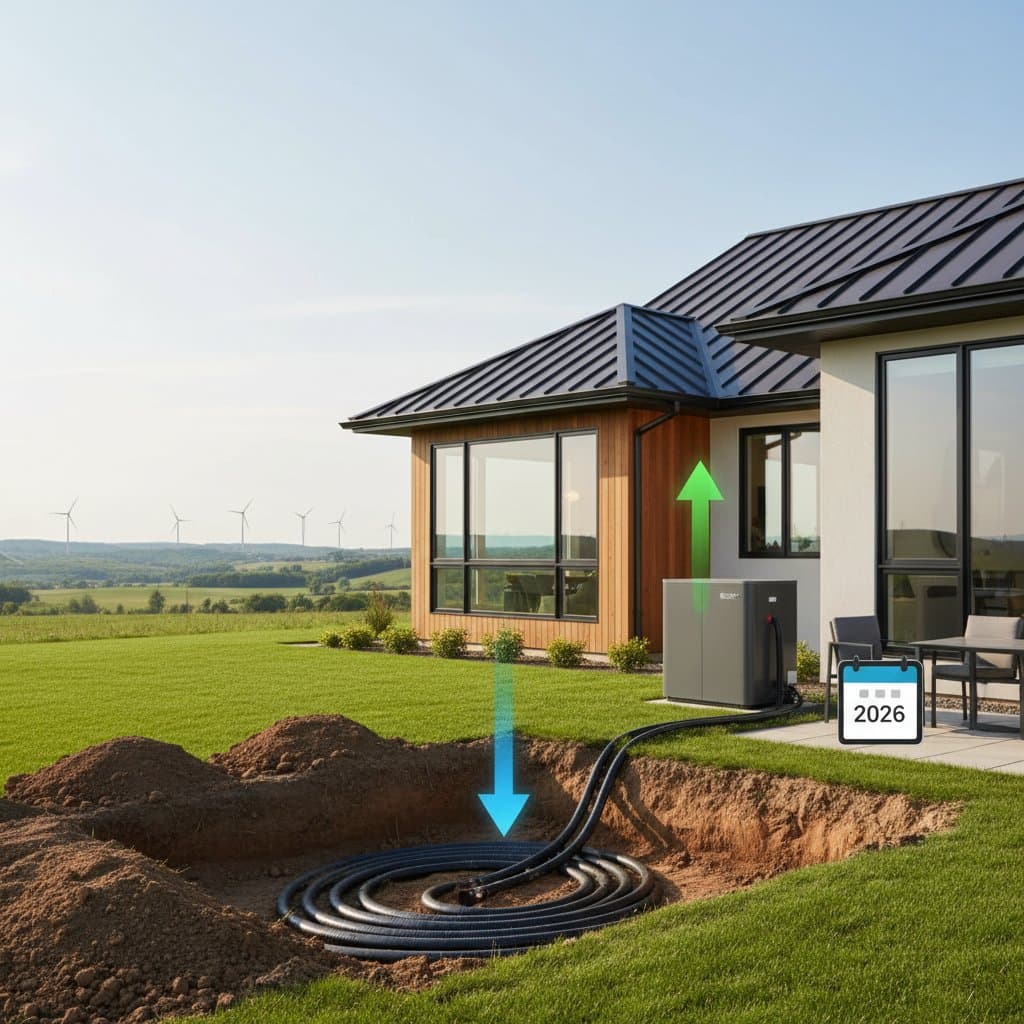
A standard geothermal heat pump employs a subsurface loop to exchange heat via circulating fluid between the home and the earth. During winter months, the system pulls warmth from the ground to warm interior spaces. In summer, it inverts the cycle to dissipate excess heat. This approach can lower total energy use by up to 70 percent relative to conventional fossil fuel-based equipment.
Upfront expenses have historically posed a barrier. Installation costs, influenced by soil properties and system scale, typically span $18,000 to $35,000. Recent tax enhancements mitigate this initial outlay, facilitating quicker returns on investment.
Unlocking Financial Benefits
From the perspective of a green building specialist, evaluate geothermal expenses as a strategic investment in energy autonomy rather than an isolated cost. For instance, a recent client in a region with humid summers and cold winters faced annual heating and cooling bills of approximately $2,800 with a gas furnace. Transitioning to a ground source system reduced those expenses to about $900 annually, yielding $1,900 in yearly savings.
Incorporating the updated tax credit alongside regional rebates compressed their payback timeline to slightly more than eight years. Beyond that threshold, savings persist without interruption, supported by low maintenance needs and the absence of combustion-related pollutants in the home.
Essential Factors for Installation Success
Assessing Budget and Return on Investment
Costs fluctuate based on loop design, geological features, and residence dimensions. Expected annual savings vary from $2,000 to $4,000, contingent on existing energy sources. The enhanced tax incentive enables most households to recoup investments within eight to twelve years.
Installation Timeline and Site Impact
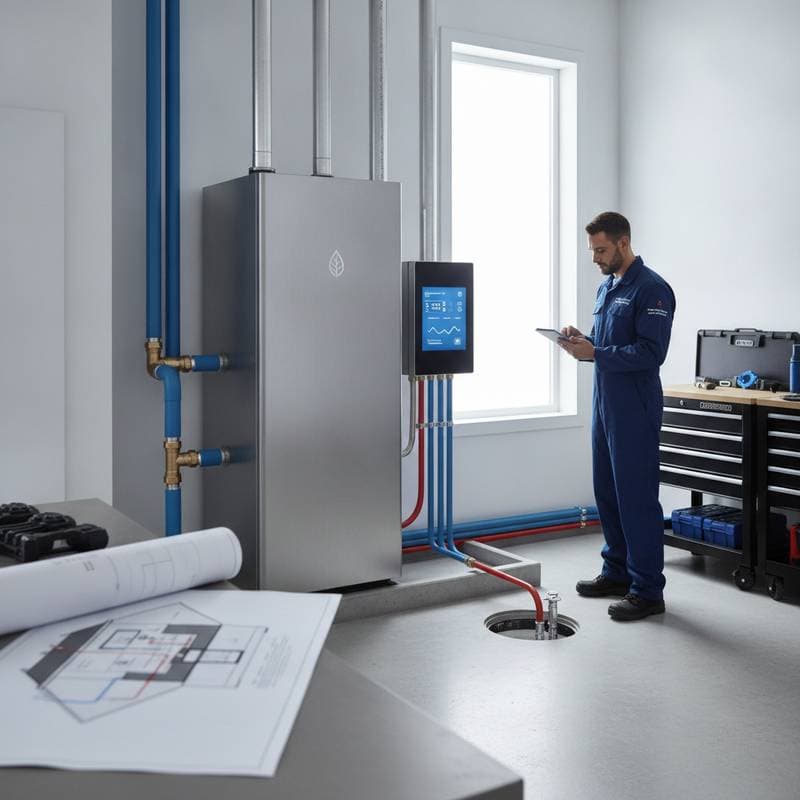
Projects generally require two to five days for loop excavation and additional days for internal connections. Anticipate temporary landscape alterations, particularly with horizontal configurations. Post-installation, restore the area through regrading and incorporate native vegetation to align with eco-friendly practices.
Ongoing Maintenance and System Durability
Subsurface loops endure beyond 50 years, with heat pumps needing service every three to five years. Routine tasks, such as replacing filters and flushing components, sustain optimal function.
Safety Features and Ecological Advantages
These systems avoid on-site fuel burning, curbing carbon outputs by up to 70 percent compared to gas alternatives. They also reduce exterior noise levels by eliminating outdoor compressors. Select installations with eco-compatible, non-toxic refrigerants to further environmental protection.
Maximizing Savings Through Layered Incentives
Federal tax credits represent one component of potential support. Numerous states, utilities, and local governments provide supplementary rebates compatible with national programs. Options include:
- Utility-specific rebates for geothermal projects, often between $500 and $2,500.
- Low-interest financing through community credit unions or dedicated energy initiatives.
- Renewable energy certificates offering periodic compensation for confirmed green energy generation.
Consult a local energy authority or the Database of State Incentives for Renewables and Efficiency to identify applicable programs. Integrating these elements frequently trims total expenses by an additional 10 to 15 percent.
Steps to Achieve Energy-Efficient Comfort
Adopting geothermal technology extends beyond cost reduction; it fosters a residence integrated with natural systems. Each cycle of heat exchange from the earth diminishes reliance on non-renewable resources and evens out energy consumption patterns. Current tax provisions dismantle previous economic hurdles, broadening access to these advantages.
Initiate the process by consulting certified green building professionals via established networks for complimentary assessments. These experts navigate incentive landscapes, geological assessments, and technology selections to tailor solutions matching your site and sustainability objectives.
Frequently Asked Questions
Q: What savings does the updated geothermal tax credit provide?
A: Qualifying homeowners receive up to $3,000 in federal credits for eligible installations.