Ocean Waste Becomes Premium Flooring Material
Ocean plastic flooring represents a transformative approach to sustainable home design. This innovative material converts marine waste into high-quality surfaces that match the durability and aesthetics of conventional options. Homeowners now have access to flooring that supports environmental goals without compromising on style or performance.
The Process of Transforming Ocean Waste
The journey begins with the collection of plastic waste from oceans and coastal areas. Specialized teams retrieve items such as bottles, nets, and packaging that pollute marine environments. These materials undergo thorough cleaning and sorting to remove contaminants and separate by type, ensuring purity for manufacturing.
Next, the plastics melt down in controlled facilities where they blend with resins and stabilizers. This mixture forms planks or tiles through extrusion or molding techniques. The result yields flooring with consistent thickness, often ranging from 5 to 8 millimeters, designed for residential and light commercial use.
Quality control measures verify that each batch meets industry standards for strength and safety. Certifications from organizations focused on recycled content confirm the material's eco-credentials. This systematic process turns environmental liabilities into valuable assets.
Key Benefits for Durability and Style
Ocean plastic flooring excels in resilience against daily wear. It resists scratches, stains, and fading better than many wood or laminate alternatives, thanks to its dense composition. Water resistance makes it ideal for kitchens, bathrooms, and entryways where moisture poses challenges.
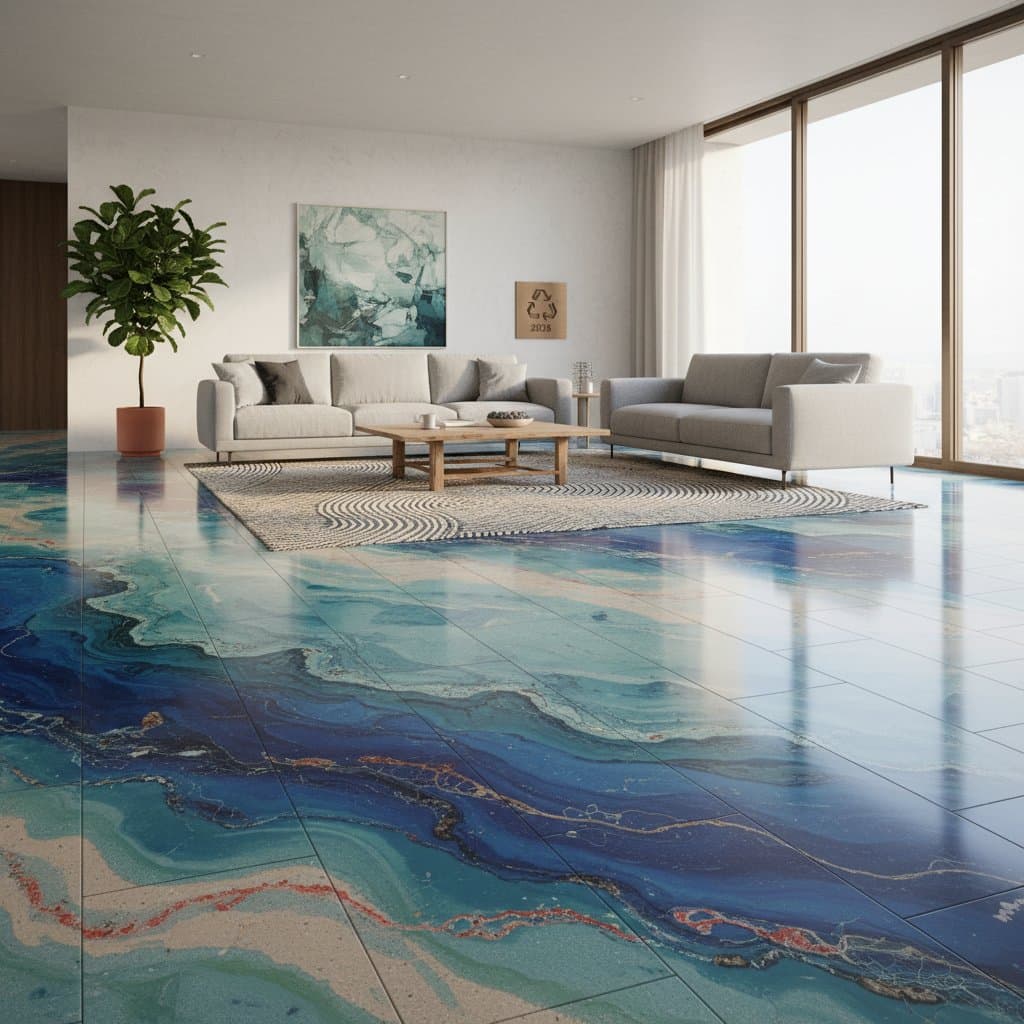
Aesthetic versatility defines this material's appeal. Available in wood-like grains, stone textures, or sleek modern finishes, it complements diverse interior themes. Colors range from natural earth tones to bold accents, allowing customization to match personal tastes.
Maintenance proves straightforward. Regular sweeping and damp mopping suffice to keep surfaces pristine, eliminating the need for waxes or polishes. This low-effort care extends the flooring's lifespan, often exceeding 25 years with proper installation.
Environmental and Economic Advantages
By repurposing ocean waste, this flooring reduces plastic pollution significantly. Each square meter diverts approximately 2 kilograms of marine debris from landfills and waterways. Production processes consume less energy than virgin material manufacturing, lowering carbon emissions by up to 80 percent.
Cost savings emerge for consumers and builders alike. Initial prices align closely with mid-range vinyl, starting at $4 to $7 per square foot. Long-term value increases through energy-efficient production and reduced replacement needs, potentially boosting property resale by highlighting sustainable features.
Communities benefit from job creation in collection and processing sectors. Initiatives in coastal regions employ locals in cleanup efforts, fostering economic growth alongside ecological restoration. This dual impact positions ocean plastic flooring as a catalyst for broader sustainability efforts.
Installation and Practical Considerations
Professional installation ensures optimal results, though DIY options exist for skilled homeowners. Subfloor preparation involves leveling and cleaning to achieve a smooth base. Adhesives or click-lock systems secure the planks, with floating installations allowing for expansion in varying humidity.
Tools required include utility knives, spacers, and tape measures for precise cuts. Acclimation periods of 48 hours in the installation space prevent warping. Following manufacturer guidelines minimizes voids and ensures warranties remain valid, typically covering 20 to 30 years.
Common challenges, such as uneven subfloors, resolve with underlayment pads. Transition strips blend seams between rooms seamlessly. These steps make the process accessible while delivering professional-grade outcomes.
Real-World Applications and Success Stories
Homeowners in coastal areas lead adoption trends. A family in Florida replaced worn tile with ocean plastic planks, noting enhanced slip resistance and easy cleanup after beach outings. The neutral tones integrated with their open-plan layout, creating a cohesive coastal vibe.
Commercial spaces, including boutique hotels and offices, incorporate this flooring for its green credentials. A California cafe installed gray-toned tiles that mimic concrete, drawing eco-conscious patrons. Feedback highlights the material's quiet underfoot feel and contribution to LEED certification.
Designers praise its adaptability in renovations. Mixing plank widths adds visual interest to hallways, while patterned layouts define zones in living areas. These applications demonstrate versatility beyond basic coverage.
Looking Ahead to Sustainable Homes
As 2026 approaches, ocean plastic flooring gains momentum in green building standards. Innovations like antimicrobial additives and improved recyclability expand its potential. Homeowners investing now position themselves for future regulations favoring low-impact materials.
This flooring not only elevates living spaces but also contributes to planetary health. By choosing recycled options, individuals drive demand for cleaner oceans. The intersection of beauty, function, and responsibility defines the next era of home improvement.