Key Points
- Hemp insulation sequesters carbon from the atmosphere, enabling homeowners to reduce their environmental impact while enhancing indoor comfort.
- Initial costs vary, yet energy savings and increased property values typically recoup the investment in three to seven years.
- As a renewable resource, hemp insulation regulates moisture and resists pests naturally, which minimizes ongoing maintenance needs.
- This versatile material suits both new constructions and existing home retrofits, providing broad applicability for eco-conscious upgrades.
Addressing Sustainable Building Challenges
Homeowners undertaking renovations or new builds often grapple with balancing comfort, efficiency, and resource use. Conventional options like fiberglass or foam deliver thermal benefits, yet their production relies on high-energy processes and synthetic additives that impose environmental drawbacks. Hemp insulation emerges as a solution that meets performance demands while advancing planetary health.
The Value of Hemp Insulation
Hemp insulation represents an innovative class of materials that store carbon and redefine construction standards. During growth, hemp plants capture carbon dioxide, which integrates into their fibers. Once converted to insulation, this carbon stays sequestered throughout the building's lifespan, turning each installed area into a modest carbon reservoir that offsets emissions.
Financially, hemp insulation stabilizes energy expenses by maintaining even indoor temperatures. Its inherent thermal properties decrease reliance on heating and cooling systems. In regions with variable weather, this can lower yearly energy use by 15 to 30 percent, yielding substantial cost reductions over decades.
Technical Performance Highlights
Thermal Efficiency
Hemp insulation delivers an R-value of 3.5 to 3.7 per inch, matching fiberglass while offering superior air permeability. The fibers permit vapor passage, preventing moisture buildup that could lead to mold or structural decay. This breathability ensures sustained insulation effectiveness without the drawbacks of impermeable synthetics.
Acoustic Benefits
The fibrous structure of hemp excels at sound absorption, reducing external noise by up to 10 decibels in urban or multi-family settings. Such attenuation fosters serene interiors, benefiting remote workers, families, or anyone valuing reduced auditory stress.
Fire and Pest Resistance
Non-toxic mineral treatments bolster hemp's fire-retardant qualities without hindering recyclability. The plant's inherent properties deter insects and rodents, avoiding the chemical pesticides common in other insulations.
Durability Features
Hemp insulation endures without sagging or degrading, preserving its insulating power across humidity variations. This longevity extends the building's service life and cuts down on future repairs or replacements.
Investment Analysis
Upfront expenses for hemp insulation exceed those of fiberglass or mineral wool, typically falling between 7 and 15 dollars per square foot based on specifications and location. For an average residence, this adds a 10 to 20 percent increase over standard materials.
Annual energy reductions of 15 to 25 percent recover this outlay in five to eight years. Moreover, properties featuring hemp insulation attract premium buyers, with resale values rising 5 to 10 percent due to eco-credentials. As demand for sustainable features grows, this positions hemp as a dual-purpose investment in efficiency and marketability.
Installation and Code Compliance
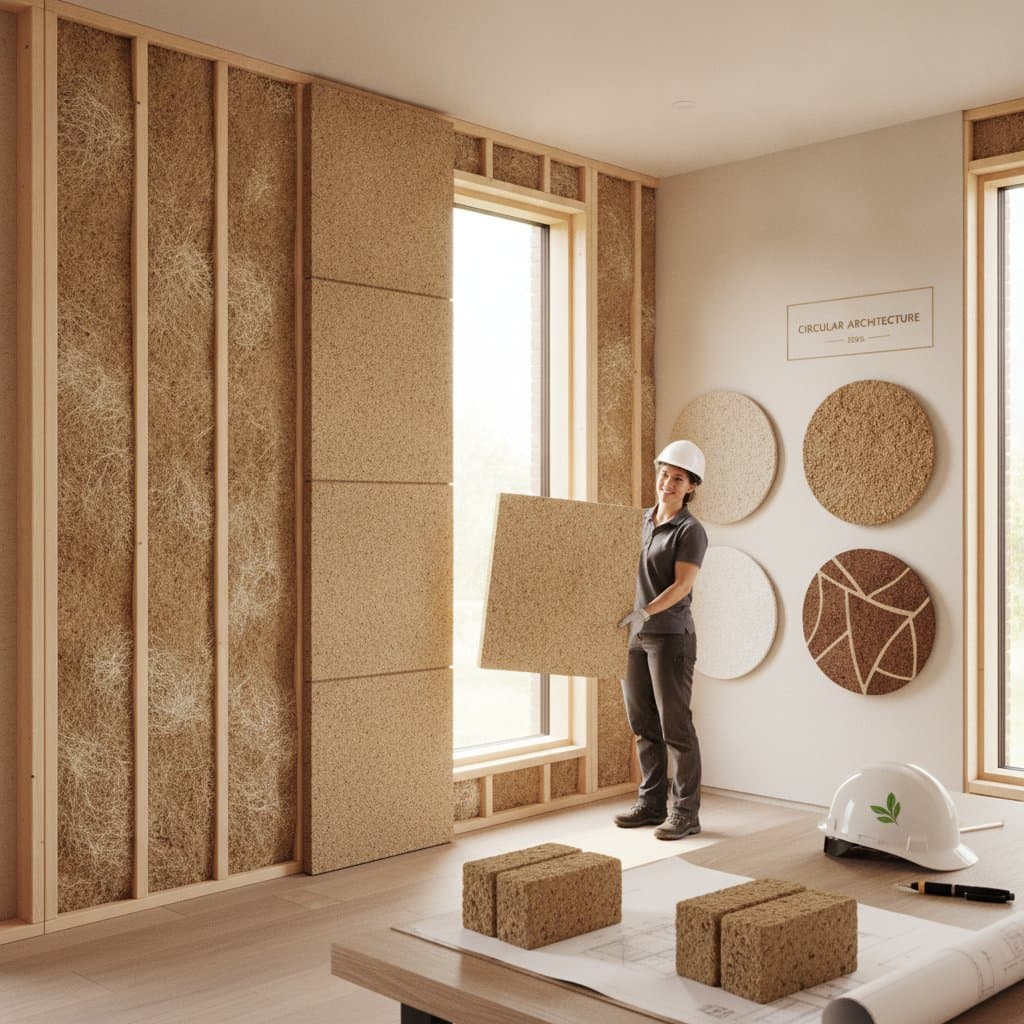
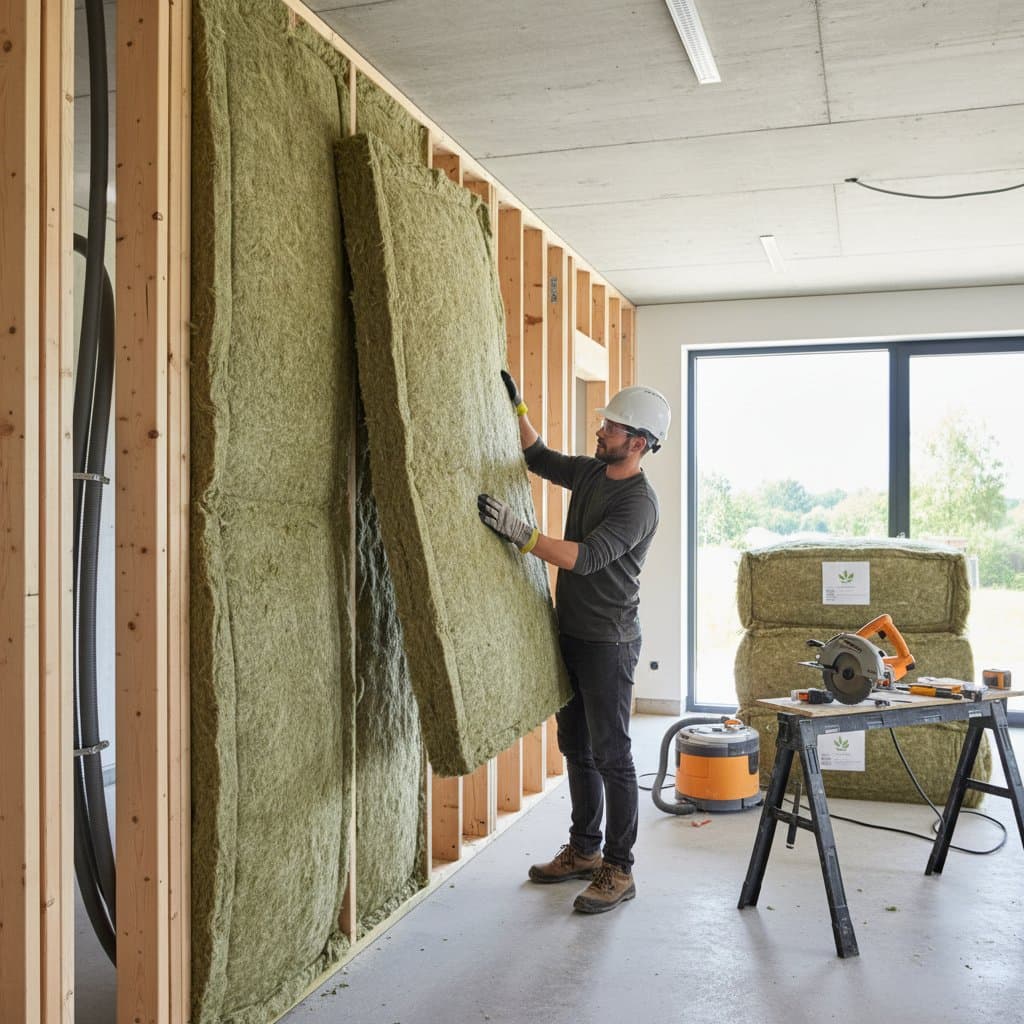
Engage contractors experienced in bio-based insulations to ensure optimal results. The process mirrors traditional methods, emphasizing airtight seals and vapor management. Building codes in most areas accommodate hemp products, though local certifications may apply.
Design wall systems to leverage hemp's breathability, incorporating vapor-permeable barriers. Pairing it with lime or clay finishes forms a cohesive, moisture-balanced assembly that promotes enduring integrity.
Indoor Health Advantages
Hemp insulation avoids volatile organic compounds, formaldehyde, and artificial adhesives, preserving air purity. It sustains optimal humidity levels, contributing to comfortable, stable living conditions.
For those prone to allergies, the material's neutral profile minimizes triggers, while its mold-resistant nature eliminates reliance on chemical treatments. These attributes support wellness-focused designs that prioritize occupant well-being as a core metric.
Lifecycle Environmental Profile
Production of hemp insulation results in net carbon removal, with each ton of fiber capturing about 1.5 tons of CO2. Integrated with eco-friendly binders, the product achieves a negative carbon balance.
At disposal, hemp breaks down fully through composting or recycling, bypassing the pollution associated with synthetic alternatives. This end-of-life compatibility aligns with zero-waste principles and circular economy practices.
Hemp Versus Other Natural Options
Hemp insulation complements alternatives like wool, cellulose, and cork, each with strengths in sustainability.
- Sheep wool: Provides strong insulation and moisture control, though availability and price limit scalability.
- Cellulose: Derives from recycled sources for affordability, but often incorporates fire-retardant chemicals.
- Cork: Offers exceptional longevity, yet regional production constraints elevate costs.
Hemp strikes an optimal balance, combining accessible pricing, reliable supply, and pronounced carbon benefits for widespread use.
Steps to Adopt Hemp Insulation
Transitioning to hemp insulation involves targeted preparation to maximize outcomes.
- Evaluate your home's insulation gaps, focusing on attics, walls, and basements through professional audits.
- Partner with specialists in natural materials to customize plans and oversee execution.
- Integrate ventilation systems that complement hemp's permeability, ensuring balanced airflow.
- Explore local rebates, tax credits, or low-interest loans for green improvements.
- Post-installation, track utility usage and comfort metrics to quantify benefits.
Realizing Lasting Home Benefits
Hemp insulation, when installed correctly, yields tranquil, resilient interiors that endure. It demonstrates that eco-materials can match or exceed conventional performance without aesthetic trade-offs. Homeowners gain reduced emissions, lower expenses, and enhanced livability through this forward-thinking choice.
Opting for hemp aligns building practices with renewal and vitality. Every application advances a vision of resilient habitats, fostering a cooler planet through collective, informed action.