Mycelium Insulation Grows From Fungi, Not Factories
Mycelium insulation emerges as a biodegradable option for modern construction. It grows from fungal networks rather than energy intensive factories. This approach delivers solid thermal performance alongside environmental advantages.
When Fungi Meet Architecture
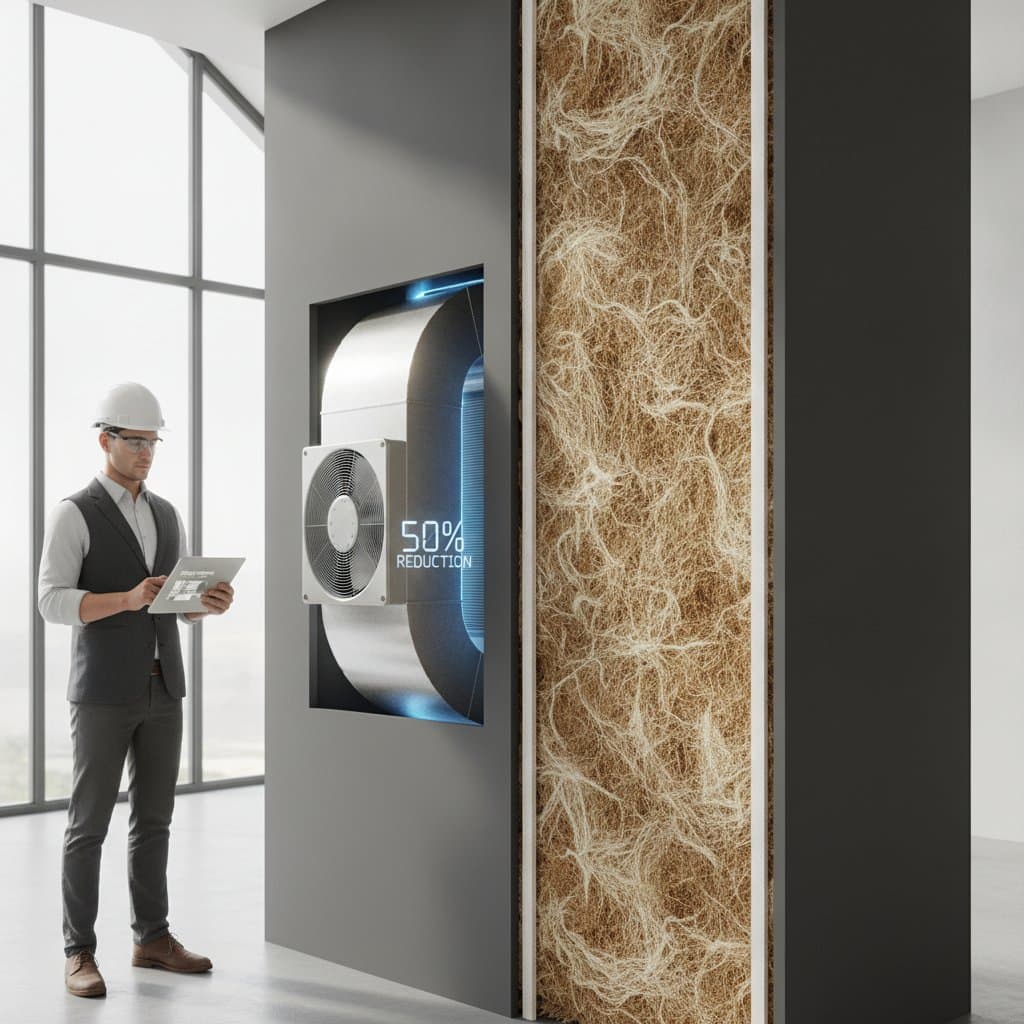
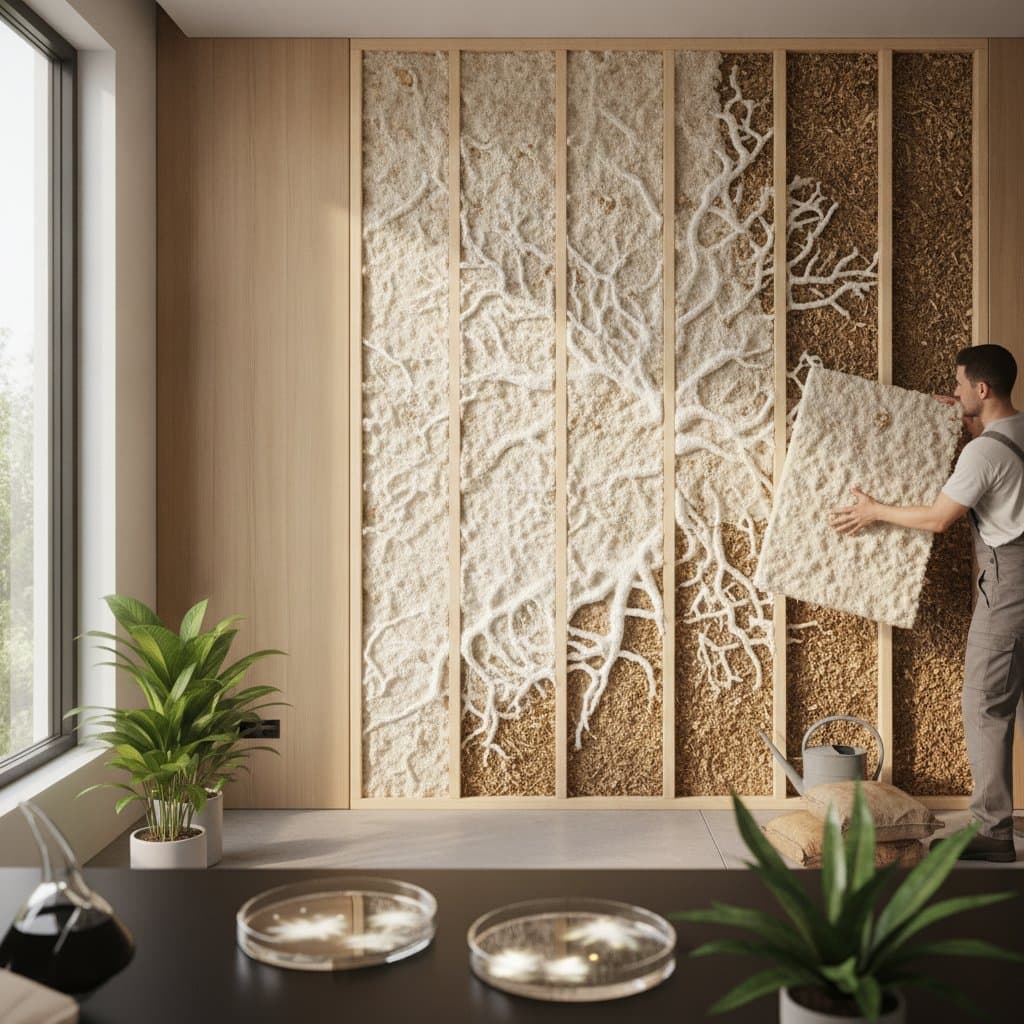
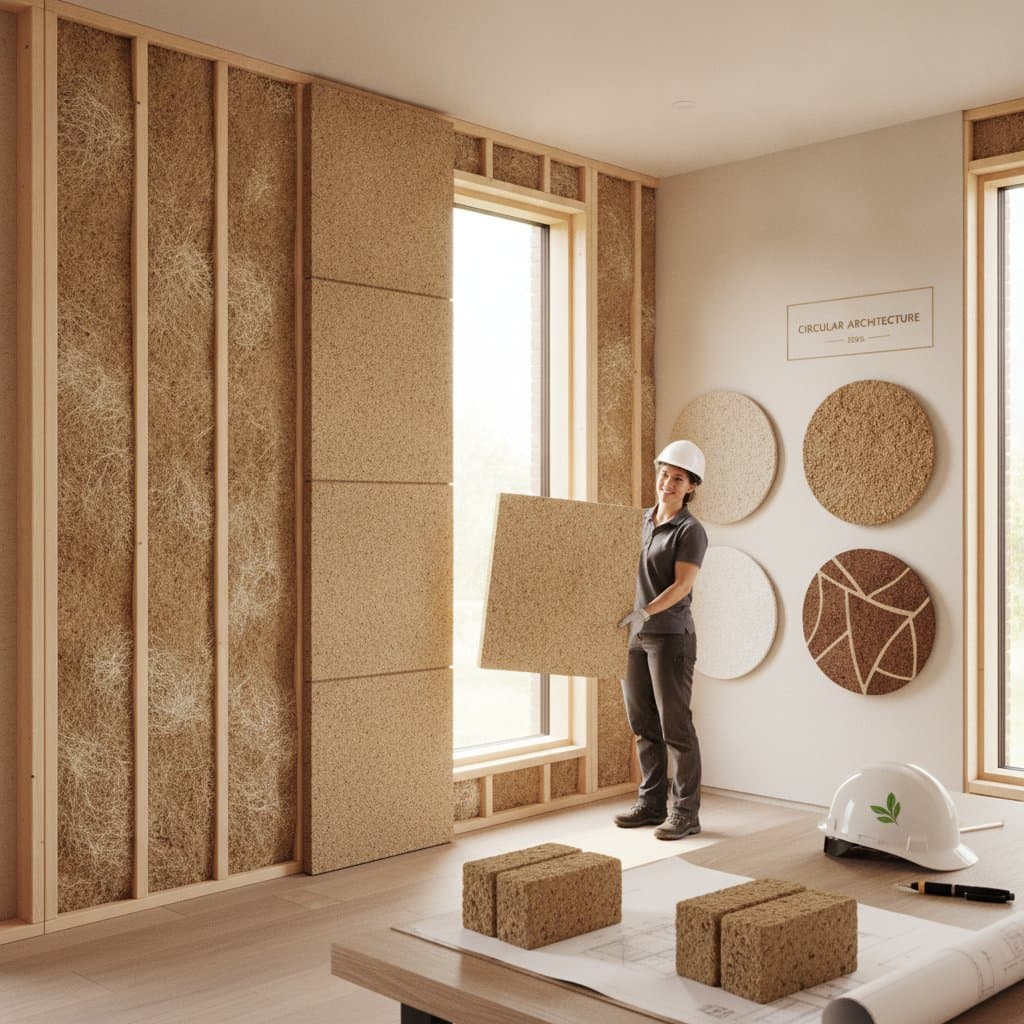
A wall panel grown from mycelium feels warm and earthy to the touch. The material forms through the root like network of fungi combined with agricultural waste. Builders value it because the process avoids petrochemicals and creates a product that returns to the soil at the end of its life.
Interest in this insulation arises from a direct question. Why manufacture materials at high energy cost when natural growth can achieve similar results? The outcome matches conventional performance while supporting a closed loop system.
Performance Characteristics
Mycelium insulation provides an R value of 3 to 4 per inch. It regulates moisture by absorbing and releasing humidity without promoting mold. The material chars instead of igniting, which meets many fire standards without added retardants.
Panels remain lightweight for easy handling during installation. At the end of use they compost safely and enrich soil. These traits suit passive houses, retrofits, and new low impact projects.
Cost and Long Term Value
Current pricing ranges from 12 to 18 dollars per square foot. That exceeds fiberglass costs yet life cycle analysis reveals meaningful returns. Energy savings of 10 to 20 percent over ten years offset the initial outlay for many owners.
Additional benefits include reduced allergen exposure and lower disposal fees. Properties with sustainable features often achieve 5 to 10 percent higher resale value. Local sourcing further cuts transport emissions and supports regional agriculture.
Installation and Design Approaches
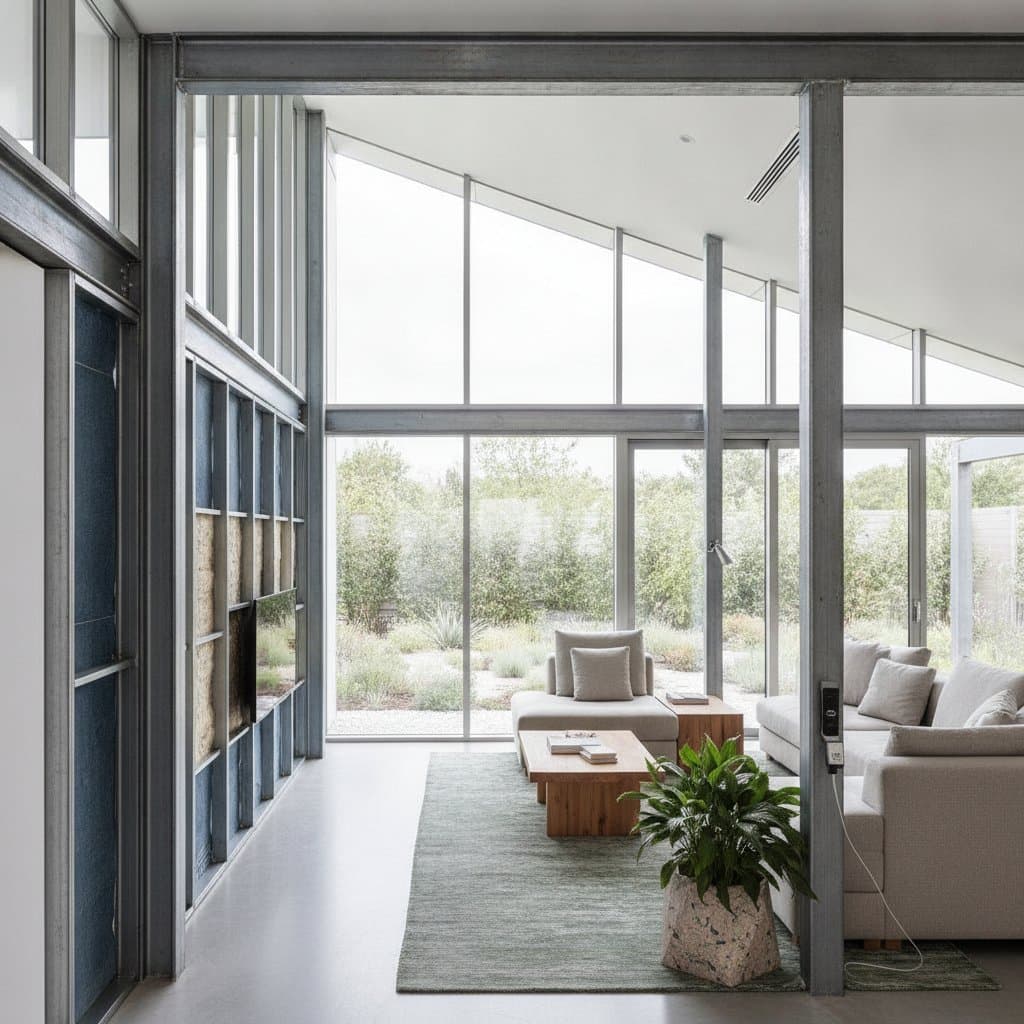
Mycelium accepts molding into rigid boards or flexible mats. Installers fit panels between studs in walls or place them across attic floors. Hybrid assemblies pair the material with reclaimed wood or clay plaster for natural aesthetics.
Smaller profiles free interior space compared with thicker conventional options. Vapor barriers may help in very humid climates. Always confirm local code compliance for fire, thermal, and moisture requirements before proceeding.
Practical Considerations
Success depends on climate, sourcing, and installer skill. Regional producers reduce shipping impacts by using nearby waste streams. Professional guidance ensures proper sealing and integration with HVAC systems.
Maintenance stays minimal once installed. Periodic air sealing checks preserve efficiency. Homeowners often combine mycelium with solar arrays or heat pumps to lower overall carbon output.
Common Questions
What exactly is mycelium insulation made of?
It forms when fungal spores bind agricultural waste such as straw into a solid mass that is then dried.
Is it safe for people with mold allergies?
Once dried the fungus becomes inert and releases no spores.
Can it replace all types of insulation?
It performs well in walls and attics. Exterior or slab applications may require additional coatings.
How long does it last?
Properly sealed panels resist pests and maintain performance for decades.
Does it meet building code requirements?
Many products pursue ASTM and ISO certifications. Verification with local authorities remains essential.
Is DIY installation possible?
Small projects suit skilled homeowners. Full home applications benefit from professional installers.
Sourcing and Implementation
Evaluate local suppliers and request performance data for specific climate zones. Pilot projects in non critical areas allow teams to assess handling and finishing techniques. This measured approach supports confident adoption in larger sustainable builds.