Induction Retrofits Cut Kitchen Energy Use by 70 Percent
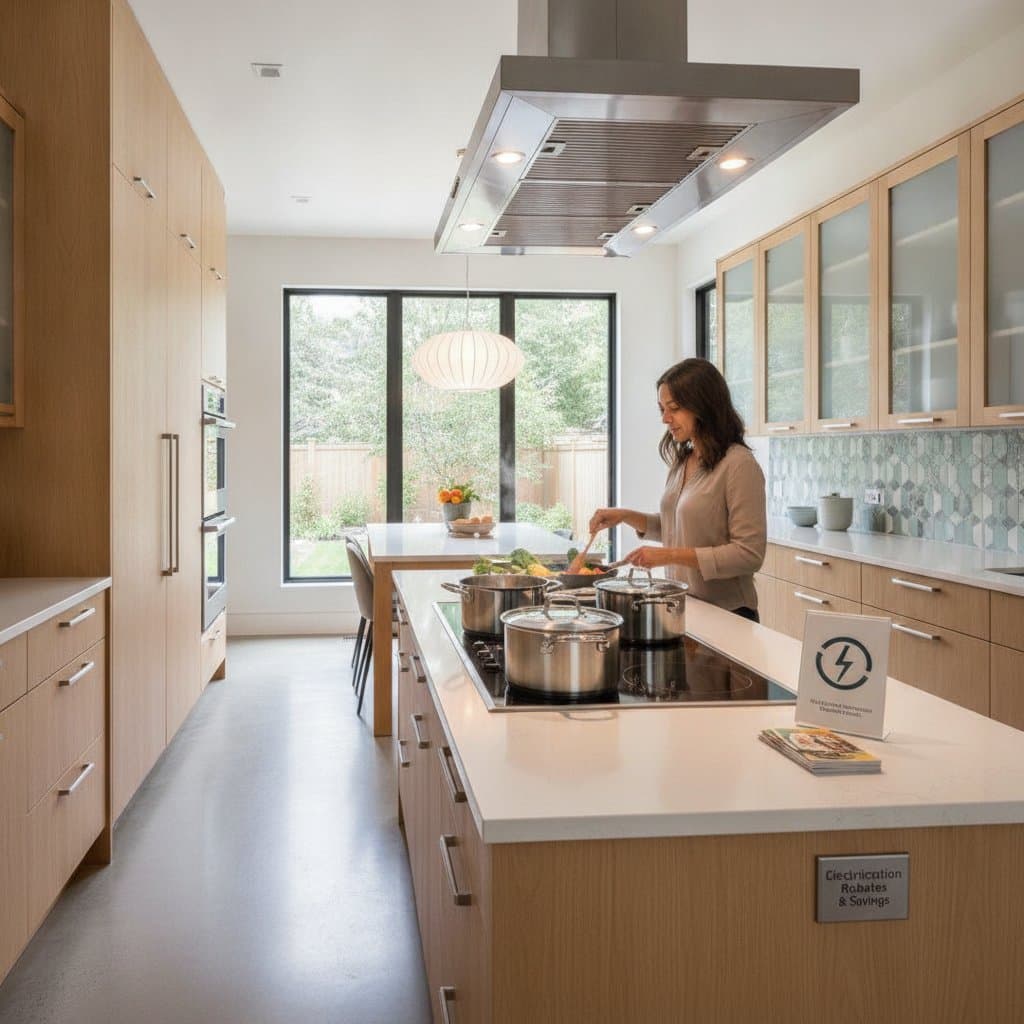
Induction retrofits rank among the most cost effective kitchen upgrades for energy savings. Homeowners who switch from gas to induction reduce cooking energy use by up to 70 percent. The process often finishes in one day with a certified electrician. Induction supports household electrification while improving indoor air quality and safety. Strategic use of rebates can offset much of the initial investment.
Why Homeowners Consider the Switch
Many homeowners value the control of a gas flame yet face issues with fumes, excess heat, and inefficiency. An induction cooktop produces no combustion byproducts and keeps the kitchen cooler. Electricity grids continue to incorporate more renewable sources, so each step toward electrification lowers long term emissions. Induction also provides faster response times and precise temperature control that improves daily cooking.
Gas stoves can release methane when off and emit nitrogen dioxide along with ultrafine particles indoors. These pollutants affect air quality and raise concerns for households with children or respiratory sensitivities. Induction eliminates open flames and reduces burn risks because only the cookware heats.
How Induction Technology Works
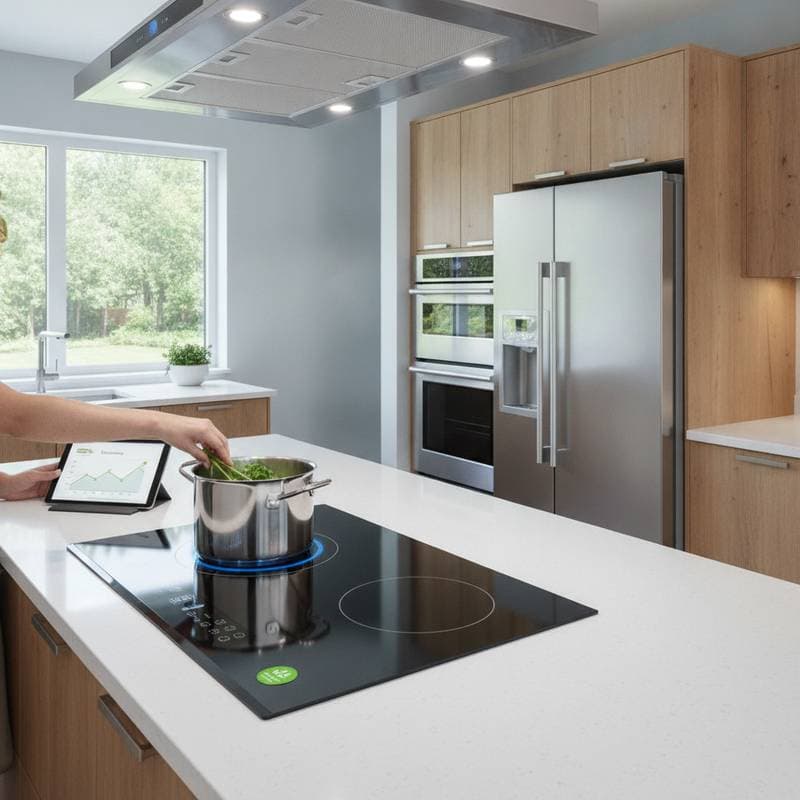
Induction units create a magnetic field that heats compatible cookware directly. Energy transfers with 85 to 90 percent efficiency, far above the 35 to 40 percent typical of gas. The surface stays cool except beneath the pan, which simplifies cleanup and lowers fire hazards. Most models fit existing cutouts with little cabinet modification.
Steps to Complete a Retrofit
- Assess the electrical panel for a dedicated 240 volt circuit. Homes with prior electric range service usually need only minor upgrades costing between 300 and 1000 dollars.
- Select an ENERGY STAR certified cooktop sized for the space. Options range from 24 inch compact units to 36 inch models with bridge zones.
- Have a professional cap any gas line and confirm ventilation meets code. Most installations require no major structural changes.
- Complete wiring and test the unit. Verify that temperature settings respond immediately across searing, simmering, and boiling tasks.
- Confirm cookware compatibility with a magnet test on the base. Replace nonmagnetic pieces with induction ready stainless steel or cast iron sets priced from 100 to 400 dollars.
Additional Efficiency Measures
Pair the new cooktop with rooftop solar to use on site renewable power. Track consumption through built in displays that show real time wattage. Maintain kitchen ventilation to support overall comfort. In outage prone areas, integrate a small battery system for continued operation.
Costs, Savings, and Incentives
Mid range induction cooktops range from 1000 to 2500 dollars, with installation adding several hundred more. Long term savings appear through lower energy bills and reduced emissions. Many local programs offer rebates between 200 and 800 dollars that shorten payback periods. Over ten years the efficiency gains can return several hundred dollars in avoided energy costs.
Safety and Certification Benefits
Induction surfaces reduce burn hazards and remove carbon monoxide risks. The technology earns credits toward LEED and GreenPoint Rated certifications when electrical work follows national and local codes. Families with young children or older residents gain particular value from the cool surface design.
Next Actions for Homeowners
View the retrofit as one element of a broader electrification plan that may include heat pump water heaters and electric dryers. Most users adapt to the new controls within a week and report improved precision and easier maintenance. Contact a qualified electrician or green building professional to evaluate panel capacity, confirm incentive eligibility, and schedule installation. This approach delivers measurable comfort, safety, and environmental gains with each use.