Mycelium Insulation Grows Into Your Walls Like Nature's Foam
Mycelium insulation is produced from fungal root networks grown on agricultural waste. This approach creates a biodegradable material that performs well for thermal and acoustic control. Builders and homeowners gain a sustainable option that reduces reliance on synthetic foams.
Growth Process and Material Basics
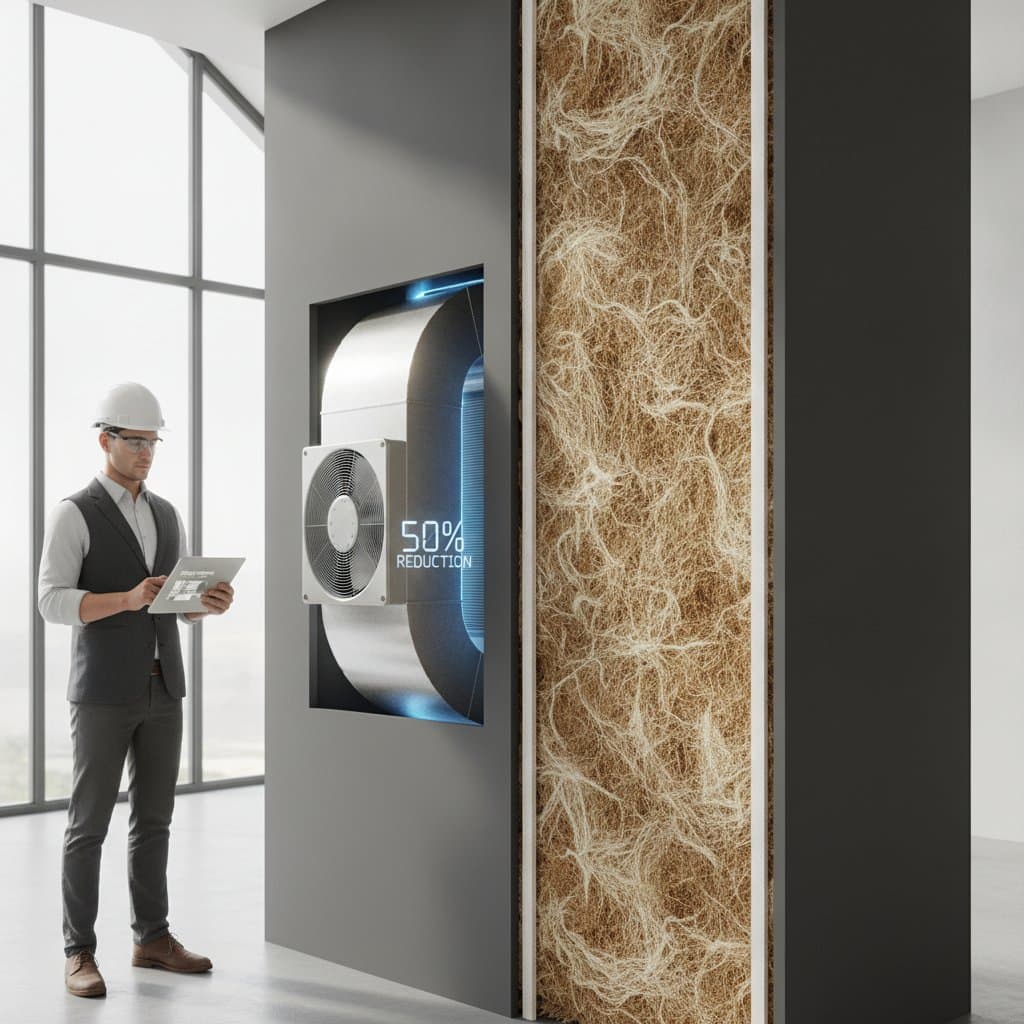
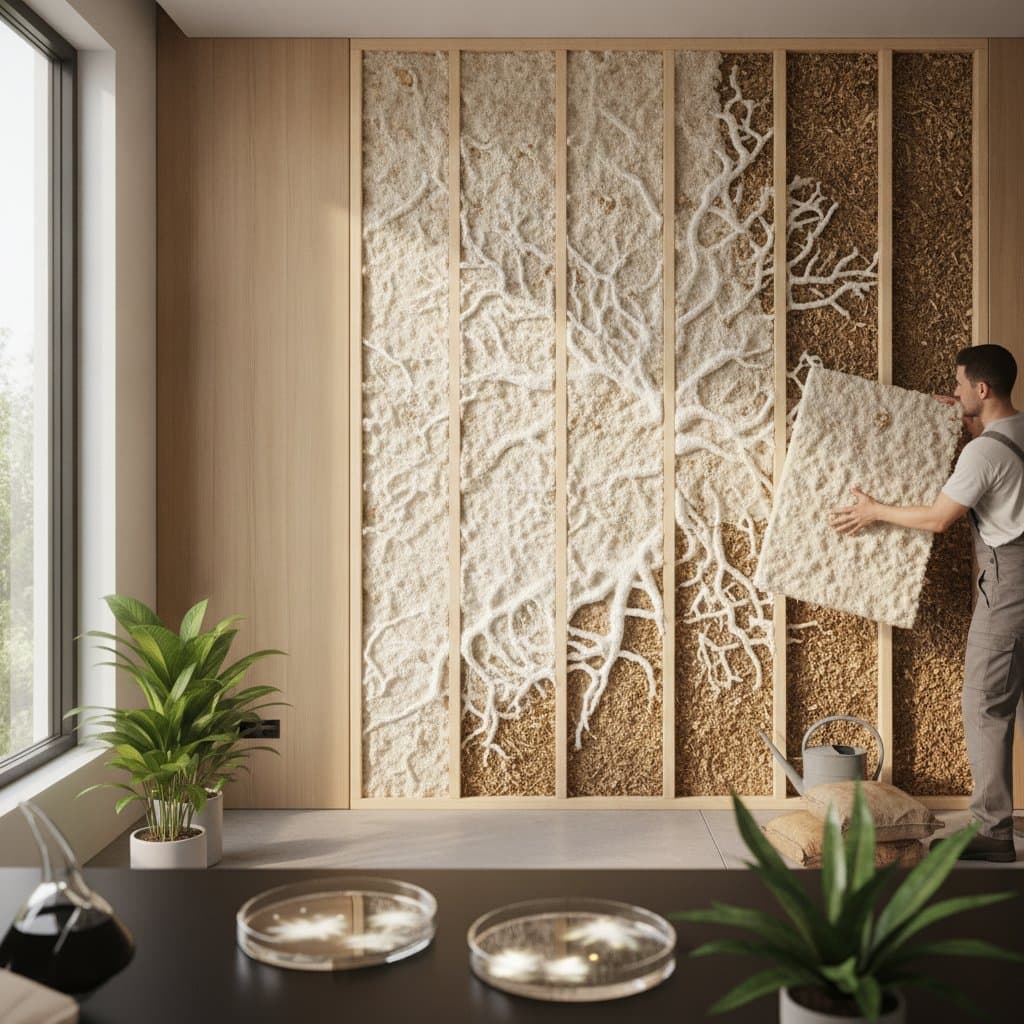
Mycelium forms the root system of fungi and expands through organic substrates. Producers combine fungal spores with materials such as sawdust or corn stalks inside molds. The mixture incubates for several days until the network binds particles into rigid panels. Heat treatment then halts growth and stabilizes the product for construction use.
This method converts waste streams into useful building components without high energy inputs. The resulting panels remain lightweight yet strong enough for wall cavities or exterior layers.
Thermal, Acoustic, and Safety Performance
Mycelium insulation delivers R values between 3.0 and 3.6 per inch. These figures match common fiberglass and cellulose products while adding moisture regulation. The material absorbs and releases humidity to limit condensation and mold risk.
Sound absorption improves interior comfort by dampening frequencies that pass through standard drywall. Fire exposure causes the panels to char rather than ignite or emit heavy smoke. Treated boards satisfy international safety standards without chemical additives.
Environmental Impact and Cost Factors
Production occurs at ambient temperatures and avoids fossil fuel feedstocks. Life cycle assessments indicate up to 85 percent lower embodied carbon than polyurethane foams. At end of service the panels compost fully and return nutrients to soil.
Initial material costs range higher than fiberglass yet energy savings of 10 to 15 percent offset the difference over time. Green building programs award credits that can raise property value.
Comparison With Conventional Options
- Fiberglass offers moderate fire resistance and low recyclability at lower upfront cost.
- Polystyrene provides higher R values but carries high environmental impact and poor end of life options.
- Mineral wool resists fire well yet requires more energy to manufacture.
- Mycelium combines strong fire performance with full compostability and minimal production emissions.
Installation and Maintenance Guidance
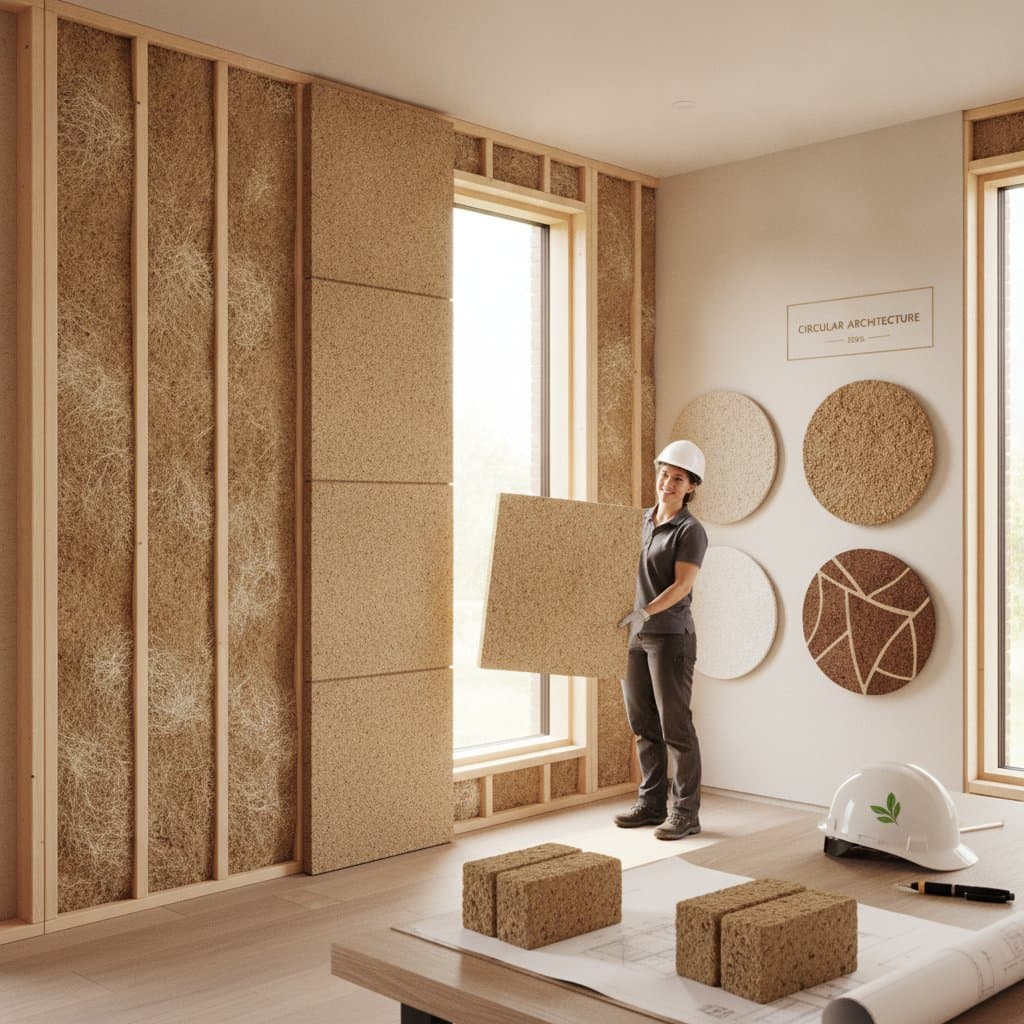
Panels arrive ready for cutting with ordinary tools and fit standard stud spacing. Keep material dry before placement and cover with sheathing or drywall afterward. Lead times average two to three weeks because growth cannot be accelerated.
Once installed the insulation needs no special treatments. It resists pests and maintains performance for decades under typical conditions.
Expert Perspectives and Project Applications
Researchers note that the cellular structure combines plant fiber flexibility with fungal rigidity. Practitioners report that completed spaces feel more breathable than those finished with synthetic insulation.
Small scale housing trials confirm reliable thermal consistency and positive occupant feedback. Larger projects now test hybrid formulations with hemp or flax for added strength.
Scaling Adoption in Construction
Standardized testing and expanded production facilities will support wider use. Architects already incorporate mycelium into circular design strategies that close material loops. Early projects demonstrate that biodegradable insulation can meet performance targets while lowering overall environmental load.
Consult suppliers for certified R values and moisture ratings before specifying panels. This step ensures compatibility with local codes and project goals.